By Angie Rodríguez
Travel and Trends Journalist
Main Facts: The Blueprint for Modern Exploration
The global tourism landscape is undergoing a profound transformation, moving away from frantic, checklist-style itineraries toward intentional, sustainable, and deeply immersive journeys. Setting the benchmark for these shifts, the globally renowned travel publication Condé Nast Traveler has released its highly anticipated annual compilation: a curated list of the 27 best places to visit in 2027.
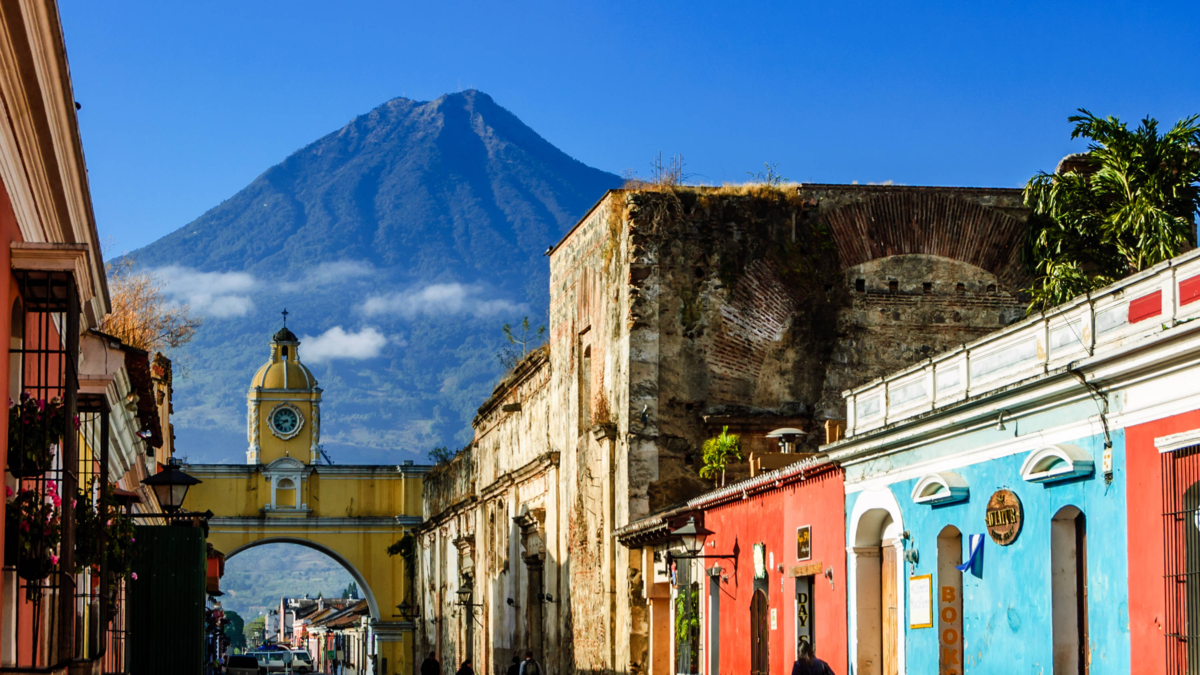
Compiled through the rigorous insights of the publication’s international network of editors, seasoned travel writers, and hospitality industry experts, this comprehensive guide spans Africa, Asia, Europe, Oceania, and the Americas. Rather than merely recycling well-trodden tourist hubs, the selection highlights regions offering rich historical heritage, vibrant culinary revolutions, and striking natural topography.
At the same time, the publication released the results of its monumental Readers’ Choice Awards 2026. Marking its 39th edition, the massive consumer survey captured the collective voice of 798,867 voters, establishing a definitive hierarchy of the world’s most beloved nations. In this coveted category, Japan decisively claimed the number one spot, outshining fierce competition from European powerhouses and emerging Latin American gems alike.

Chronology and Evolution of Global Tourism Trends
To understand why destinations like Shanghai, Luxor, or the Danish Riviera are making headlines for 2027, it is essential to trace how modern travel behavior has evolved over the past decade.
- Pre-2020 (The Mass Tourism Era): Travel was largely defined by volume. Overtourism plagued major European capitals, and iconic sites struggled with unchecked foot traffic.
- 2021–2024 (The Post-Pandemic Rebound): Travelers experienced a fierce resurgence of wanderlust, often termed "revenge travel," which prioritized sheer movement over mindful connection. However, extreme summer heatwaves in Southern Europe began pushing tourists toward cooler, alternative climates.
- 2025–2026 (The Shift Toward Purpose and Resilience): Tourism began serving as an economic lifeline for regions recovering from unprecedented natural disasters, such as Jamaica following the destructive path of Hurricane Melissa. Concurrently, travelers increasingly sought out authentic, community-led tourism and off-grid experiences.
- 2027 (The Horizon of Immersive Discovery): Looking ahead, the focus shifts entirely to experiential depth. The 2027 travel trends spotlight celestial events (such as solar eclipses), infrastructure expansions (new Nile cruise routes and opera houses), and ecological preservation.
Supporting Data: The 2027 Destinations and Award-Winning Countries
The comprehensive strategy behind the Condé Nast Traveler guides relies heavily on measurable data, reader sentiment scores, and emerging global itineraries.

The 27 Places to Watch for 2027
While the complete directory spans diverse corners of the planet, several standout regions illustrate the primary travel drivers for 2027:
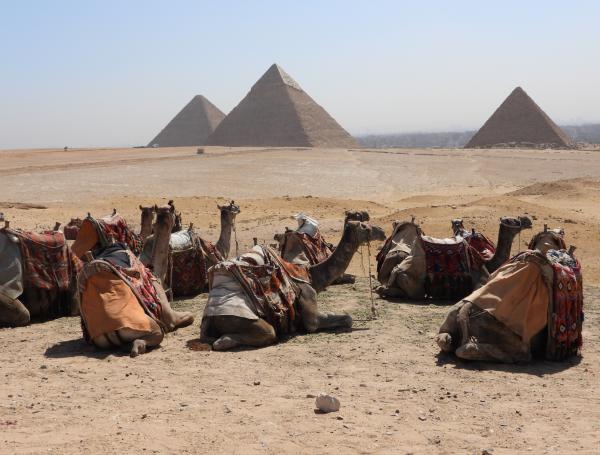
- Estonia, Luxor, and Aswan (Egypt & North Africa): Egypt makes a powerful resurgence driven by two major developments: newly launched, high-end Nile river cruise routes and the anticipated total solar eclipse in August 2027—a rare astronomical event expected to draw thousands of astro-tourists.
- Shanghai (China): Positioned as an epicenter of contemporary culture, Shanghai is redefining its artistic footprint. Highlights include brand-new galleries in the West Bund district, the opening of the striking Shanghai Grand Opera House (designed by renowned architectural firm Snøhetta), and the landmark Shanghai Biennale slated for November 2027.
- Jamaica (Caribbean): Demonstrating the resilience of the Caribbean, Jamaica is featured as it rebuilds its tourism infrastructure in the wake of Hurricane Melissa, the strongest storm to impact the island in recent memory. The focus here is on regenerative travel, where visiting directly supports local families and businesses.
- Armenia, the Cook Islands, and Argentine Patagonia: Catering to adventure seekers, the list champions newly established hiking trails in Armenia, immersive maritime journeys through the Cook Islands, and low-season glacial ice-trekking in Patagonia.
- The Danish Riviera (Denmark): Capitalizing on the "cool-cation" trend—where travelers actively escape blistering Southern European summers—this Scandinavian coastal stretch offers serene maritime landscapes away from overcrowded hot spots.
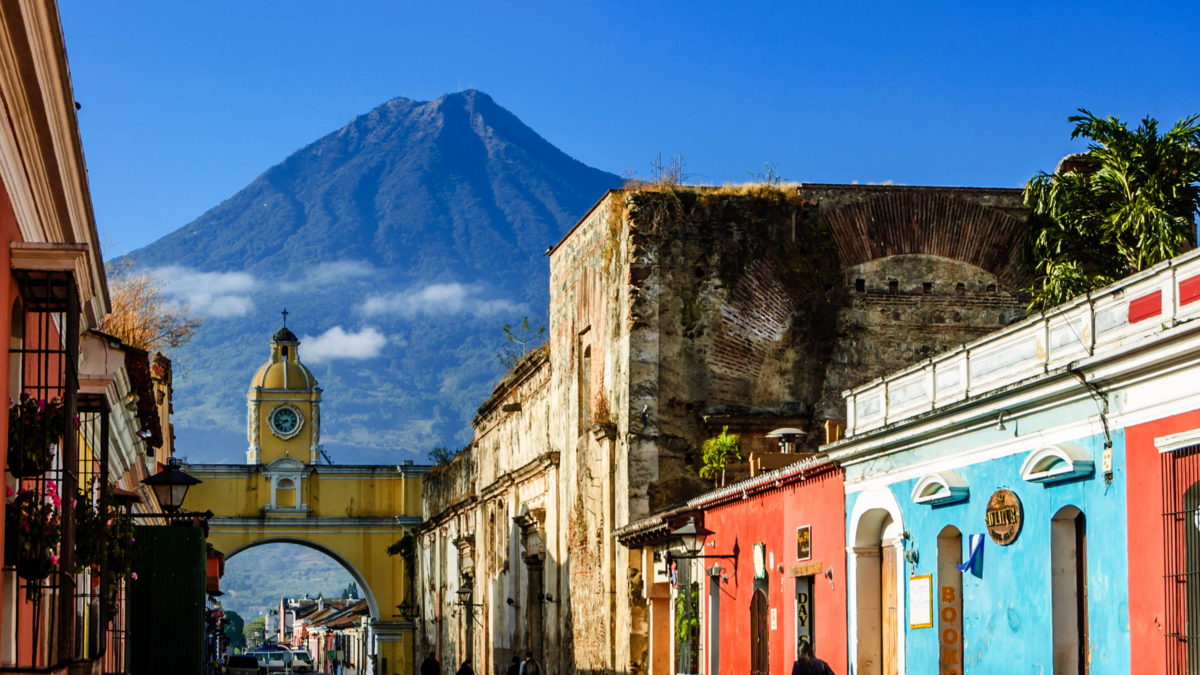
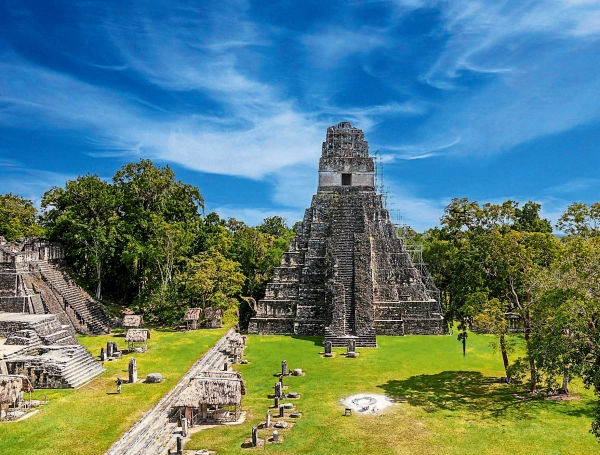
- Guatemala (Central America): Long recognized for its staggering Mayan heritage (anchored by the awe-inspiring Tikal ruins and the iconic Temple of the Grand Jaguar), Guatemala continues to win over travelers looking for rich cultural immersion coupled with an accessible cost of living.
Readers’ Choice Awards 2026: The Top Countries
The monumental scale of the 39th annual Readers’ Choice Awards—amassing nearly 800,000 participant votes—highlights the destinations that consistently deliver unmatched hospitality, safety, and cultural resonance.
Japan swept the competition, securing an elite score of 95.52 out of 100. It was followed closely by a robust lineup of European cultural giants and dynamic international players:
- 1. Japan – 95.52
- 2. Italy – 94.80
- 3. Ireland – 94.15
- 4. Cambodia – 93.57
- 5. Spain – 93.37
- Portugal, France, and Greece also secured strong placements within the global top ten.
- 9. Panama – 93.02 (Standing as the highest-ranking Latin American country in the survey)
- 10. Vietnam – 92.85
Official Responses and Expert Perspectives
Industry leaders and hospitality analysts have weighed heavily on what these rankings signify for the global economy and local populations.
International tourism boards have universally praised the inclusion of destinations that sit outside traditional Western itineraries. Representatives from the Egyptian Tourism Authority noted that the upcoming 2027 solar eclipse presents a once-in-a-generation opportunity to showcase sustainable infrastructural upgrades along the Nile, ensuring that heritage preservation goes hand-in-hand with economic growth.
Meanwhile, Latin American tourism advocates have highlighted Panama’s impressive ninth-place finish in the Readers’ Choice Awards as a testament to the region’s rising soft power. Analysts from the Panamanian Ministry of Tourism emphasized that the country’s commitment to eco-tourism, biodiversity conservation, and seamless connectivity has paid dividends, resonating deeply with discerning global travelers who value environmental stewardship.
Regarding destinations recovering from natural crises—such as Jamaica—tourism officials have issued clear messaging: conscious travel is the most effective form of solidarity. By returning to recovering islands, tourists inject vital capital into local economies, accelerating the restoration of community livelihoods and coastal ecosystems.
Implications: The Future of Global Mobility
The convergence of the Condé Nast Traveler 2027 outlook and the 2026 Readers’ Choice Awards signals several profound shifts in how humans will explore the world in the coming years:

- The Rise of "Cool-Cations": As global climate patterns shift and summer temperatures in traditional Mediterranean hotspots reach record highs, travelers are permanently altering their seasonal habits. Northern destinations like Denmark, Ireland, and lesser-known Scandinavian coastal regions are poised to see a permanent influx of summer visitors seeking temperate climates.
- Regenerative over Passive Tourism: The inclusion of regions recovering from severe weather events marks a structural change in traveler conscience. Consumers no longer wish to be passive spectators; they increasingly demand that their tourism dollars actively contribute to ecological rehabilitation and community resilience.
- Infrastructure as a Cultural Catalyst: Cities like Shanghai prove that physical architecture and artistic investments—such as world-class opera houses and international bienniales—remain powerful magnets for high-value cultural tourism, bridging the gap between historical heritage and futuristic design.
- Geographical Diversification: The strong performance of nations like Cambodia, Vietnam, and Panama demonstrates that travelers are looking beyond traditional transatlantic corridors. Emerging economies that successfully balance modern infrastructure with authentic local traditions are reaping the rewards of global traveler loyalty.
Ultimately, whether charting a course toward the ancient temples of Tikal, booking a front-row seat for Egypt’s celestial alignments, or experiencing the unrivaled hospitality of top-ranked Japan, the modern traveler is driven by a unified desire: to explore the world with curiosity, respect, and enduring mindfulness.