By Edwin Caicedo
Environmental and Health Journalist
There are journeys where the itinerary feels like a relentless sprint against the clock—a frantic checklist of landmarks to conquer before sunset. And then there are destinations that, almost paradoxically, are engineered to teach you how to decelerate. Aruba firmly belongs to this second category.
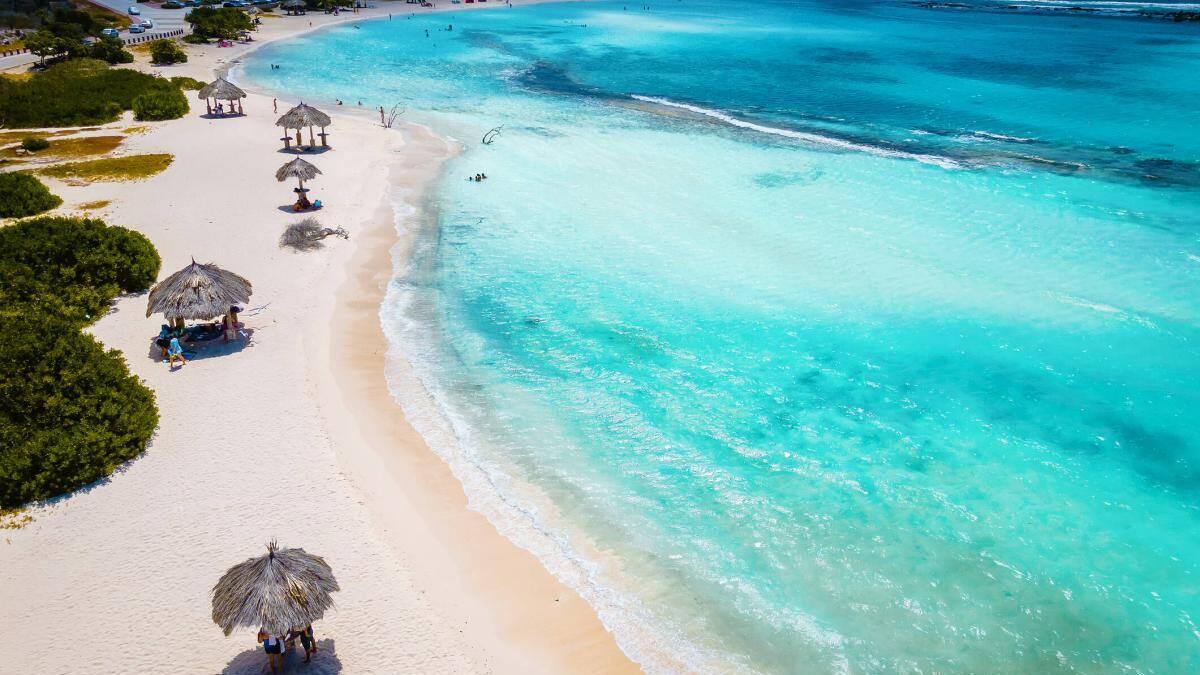
Long celebrated as one of the most recognizable and photogenic postcards of the Caribbean—famous for blindingly white sands and crystal-clear, shallow waters—the “One Happy Island” is quietly shifting its narrative. While mass tourism and vibrant nightlife still exist for those who seek them, Aruba’s evolving tourism blueprint places a much heavier emphasis on holistic wellness, raw desert nature, family bonding, romance, and deep mental disengagement. Here, slowing down isn’t merely an alternative way to vacation; it is the core philosophy of the experience.
Main Facts: The Gateway to the "One Happy Island"
For travelers departing from Colombia, embarking on this restorative escape comes with significant logistical advantages. Connectivity is seamless: Avianca operates direct flights from Bogotá to Aruba’s Queen Beatrix International Airport with an average frequency of roughly two flights daily, keeping total air time to a swift one hour and fifty minutes.

Furthermore, economic shifts have made international travel increasingly strategic for Colombian tourists. A favorable exchange rate means that pesos converted into U.S. dollars—the currency widely accepted across the island—go further, softening the impact of destination expenses.
However, international preparedness requires attention to detail. Colombian travelers must present the International Certificate of Vaccination against Yellow Fever, administered at least ten days prior to arrival, as Aruba mandates this precaution for visitors originating from designated risk zones. On the bureaucratic front, tourism entry requirements remain streamlined: no tourist visa is required for short stays, though travelers must present a valid passport, a confirmed return ticket, hotel reservations, and the completed online Embarkation-Disembarkation (ED) Card, which incorporates a mandatory $20 sustainability fee designed to preserve the island’s natural ecosystems.

Once cleared through customs, visitors step out into a landscape defined by an unmistakable sensory contrast: the constant, cooling trade winds, the sharp scent of sea salt, and an ecosystem where towering cacti stand just yards away from turquoise surf.
Chronology: A Multi-Day Itinerary of Decompression
A carefully curated itinerary across Aruba reveals a surprising diversity of landscapes, proving that a Caribbean vacation can stretch far beyond a beach towel.

Day One: SUP Yoga and Desert Viticulture
The first morning breaks with a gentle reminder of why wellness anchors Aruba’s appeal. By 10:00 AM, the agenda calls for SUP (Stand-Up Paddleboard) yoga. Facilitated by outfitters like Vela Aruba, this practice moves traditional yoga mats onto floating boards anchored in the calm Caribbean sea. Maintaining structural balance atop a moving board transforms standard postures into exercises of absolute focus and presence, offering a meditative detachment set against an endless blue horizon.
As afternoon approaches, the island undergoes a dramatic geographical and botanical metamorphosis. The marine breeze fades, replaced by arid soils, jagged cacti, and an agricultural venture that defies conventional Caribbean logic: a vineyard.

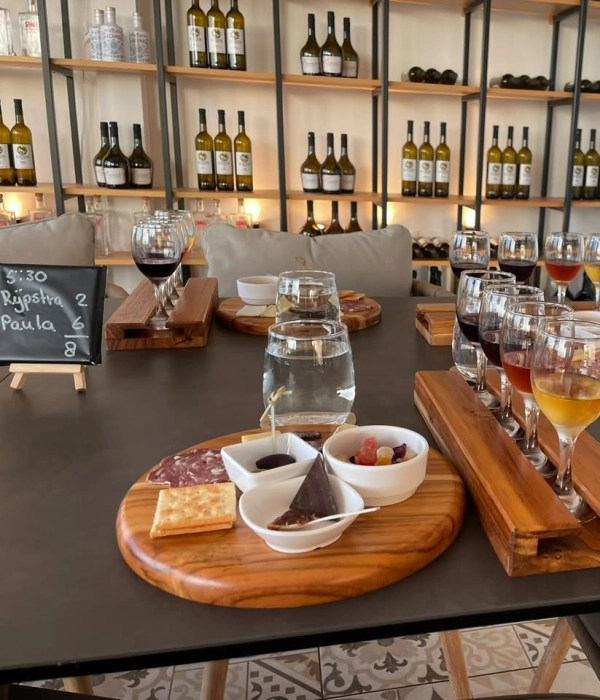
Alto Vista Winery stands as the first and only commercial winery on the island—and a rare anomaly across the broader Caribbean. Cultivating grape varietals within a desert microclimate, the vineyard produces four distinct wine references during its tastings: a crisp white, a rosé blending 50% Tempranillo and 50% Syrah, a 100% Tempranillo, and Encanto, a rich, Port-style dessert wine. Paired with an onsite craft rum distillery, it provides a sophisticated retreat for oenophiles and travelers searching for deep-dive culinary conversations.
Day Two: Sound Healing on World-Class Sands and Aloe Heritage
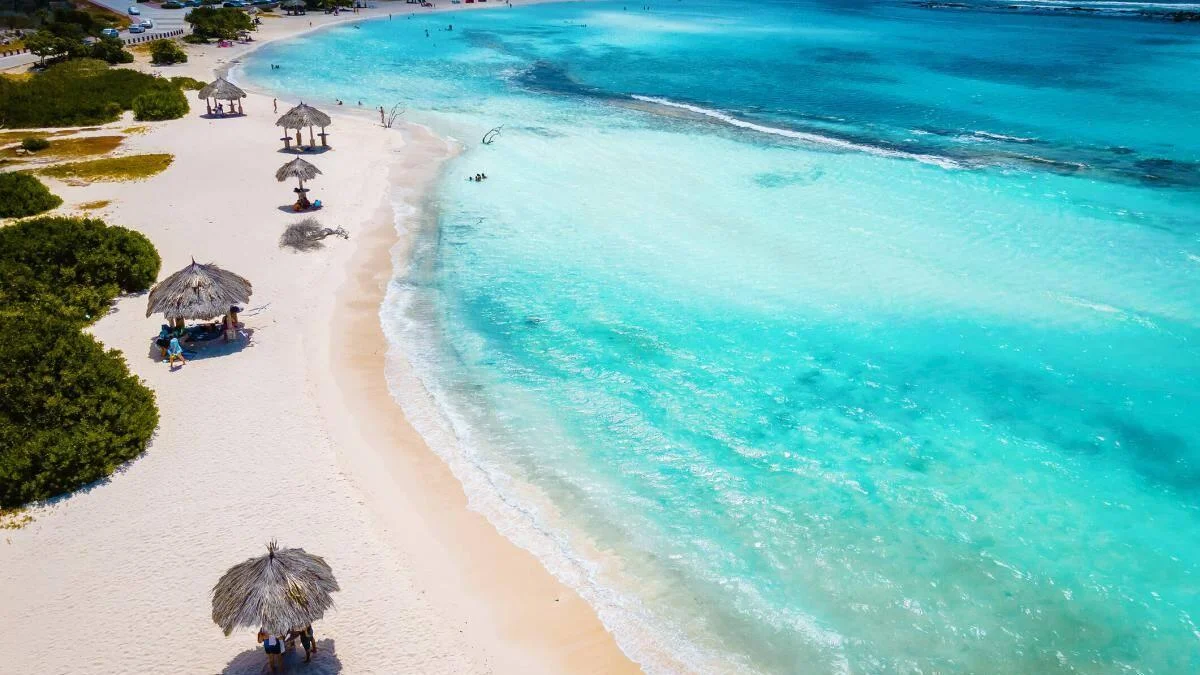
Dawn breaks early on the second day, initiating a ritualistic session of beachside yoga and sound healing along Eagle Beach. This stretch of coastline is far from ordinary: TripAdvisor’s Travelers’ Choice Awards crowned Eagle Beach as the number one beach in the Caribbean and the third-best globally. Backed by the Aruba Tourism Authority, its three-kilometer expanse of powdery white sand and impossibly turquoise water sets a tranquil stage for restorative breathing.
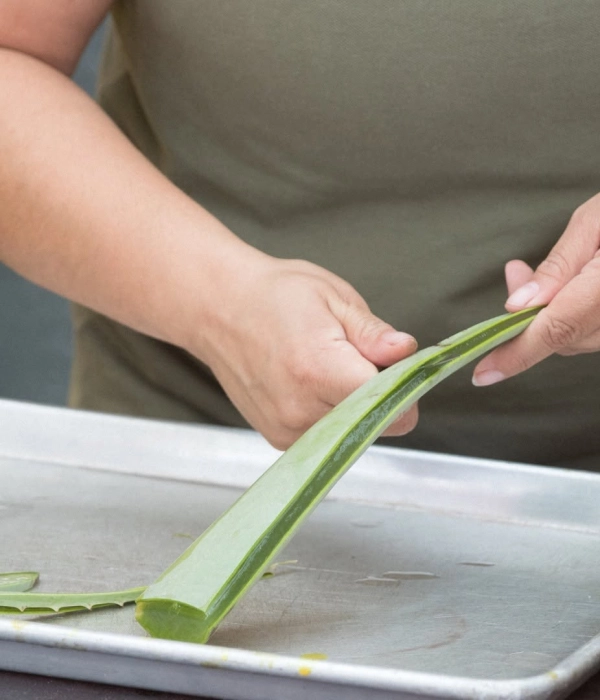
From the coast, the itinerary moves inland to explore the island’s deep-rooted botanical history at the Royal Aruba Aloe factory. Long before tourism shaped its economy, Aruba was a global powerhouse in aloe vera cultivation. An interactive workshop invites visitors to manufacture their own exfoliating scrubs, forging a tactile connection to the succulent leaves that once sustained the island’s agricultural identity.
Day Three: Kayaking Reefs and Private Coastal Dining
The third day plunges travelers back into the marine ecosystem through a guided kayaking and snorkeling excursion. Operated by groups like Aruba Outdoor Adventures, pedal-powered kayaks allow visitors to glide effortlessly across translucent waters without requiring prior experience. The journey culminates in a guided snorkel over vibrant coral gardens teeming with marine life, including schools of parrotfish, blue tangs, graysby, and massive roving cardis of up to one hundred fish.
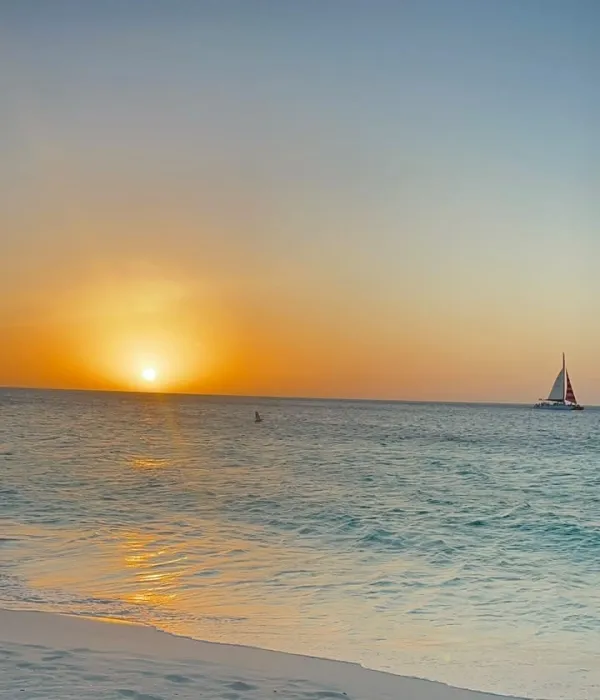
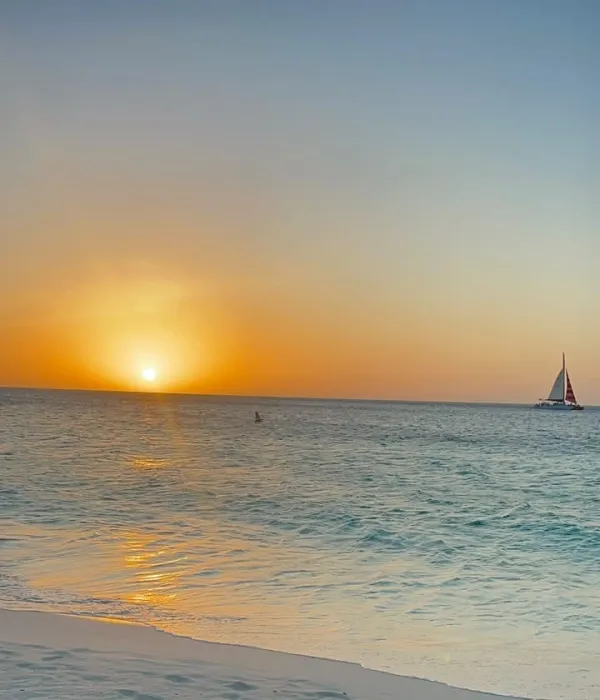
As daylight fades, the ultimate expression of Aruban romance unfolds on Eagle Beach. Private, rustic beach kabanas—intimate canopy structures erected right on the sand—are transformed into candlelit dining rooms. This bespoke culinary concept is spearheaded by Cabana Sunsets Aruba, a romantic experience venture founded by a Colombian entrepreneur who turned private beachfront dining and sunset marriage proposals into a thriving art form.
Supporting Data: Infrastructure and Tourism Metrics
- Flight Connectivity: Queen Beatrix International Airport processes between 45 and 50 commercial flights daily, anchored heavily by regional carriers connecting South America, North America, and Europe.
- Global Accolades: Eagle Beach continues to dominate international hospitality rankings, holding top-tier positions for environmental cleanliness, safety, and visitor satisfaction.
- Agricultural Resilience: Alto Vista Winery’s successful harvest demonstrates extreme agricultural adaptation, utilizing advanced drip irrigation and heat-resistant varietals to thrive in a desert environment characterized by minimal annual rainfall.
- The Aloe Economy: At its historical peak, over two-thirds of Aruba’s surface area was dedicated to cultivating Aloe barbadensis, cementing the island’s legacy in the global pharmaceutical and cosmetic supply chains.
Official Responses and Stakeholder Perspectives
Tourism authorities and local entrepreneurs emphasize that Aruba’s future relies heavily on sustainable diversification rather than unchecked volume growth.

“Our goal is to protect the very essence of what makes travelers fall in love with Aruba,” notes a representative from the Aruba Tourism Authority. “That means decentralizing tourism, driving visitors beyond the high-rise hotel districts, and encouraging them to respect our desert interior, support local agriculture, and embrace slow travel.”
Entrepreneurs like the founders of Cabana Sunsets and Alto Vista Winery echo this sentiment, pointing out that modern travelers increasingly demand authenticity, intimacy, and a smaller environmental footprint. By integrating sustainability fees into the ED Card and tightly regulating coastal development, local governance aims to balance economic prosperity with fragile ecosystem preservation.
Implications: The Paradigm Shift in Caribbean Travel
The evolution of Aruba’s tourism sector holds profound implications for the wider Caribbean travel market. For decades, the regional tourism playbook relied on an all-inclusive, high-density resort model focused primarily on poolside lounging and nightlife.
Aruba’s pivot toward slow tourism, eco-agriculture, and wellness proves that sun-and-sand destinations can successfully reinvent themselves as multidimensional sanctuaries. By catering to travelers seeking mental clarity, cultural immersion, and personalized romantic experiences, the island sets a new benchmark for sustainable island management. Ultimately, Aruba reminds the global traveler of a fundamental truth too often lost in the modern rush: sometimes, the most productive part of an itinerary is simply learning how to rest.