By Sports Desk | July 17, 2026
As the world prepares for the climax of the 2026 FIFA World Cup, the spotlight is firmly fixed on the MetLife Stadium in East Rutherford. The grand finale, a titanic clash between footballing powerhouses Spain and Argentina, will be officiated by the Slovenian referee Slavko Vincic. However, for Colombian football, the significance of this match transcends the two nations competing for the trophy. After a 36-year hiatus, a Colombian official will once again be present on the pitch for the most important game in global sports.
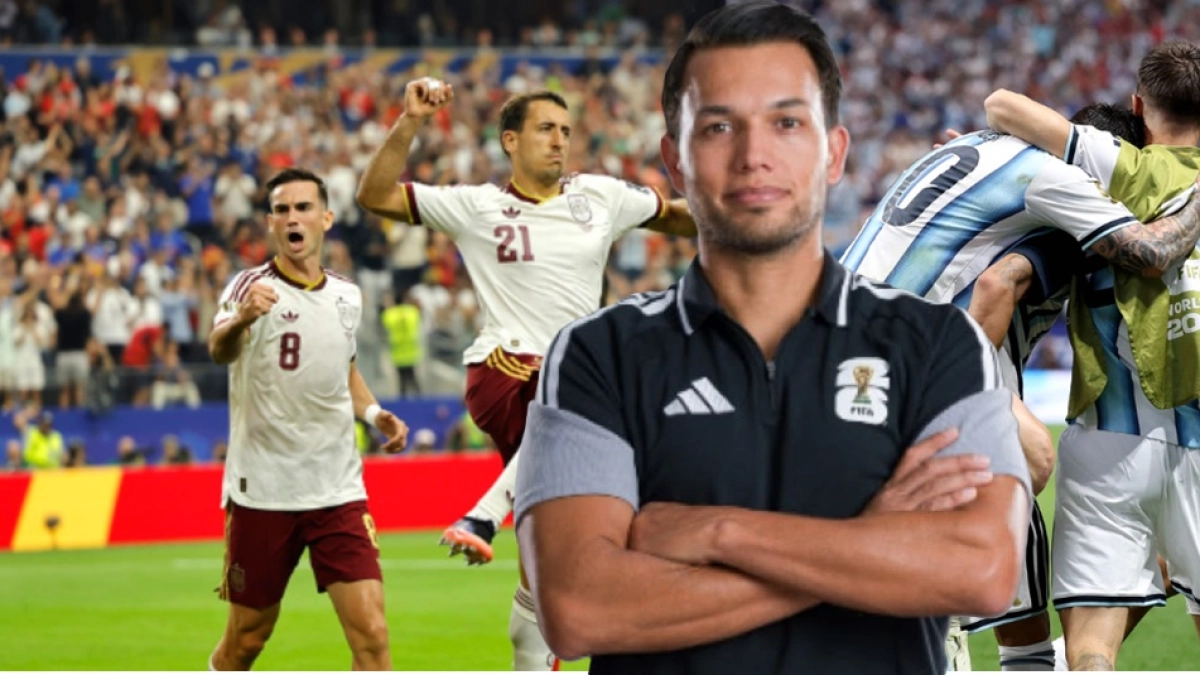
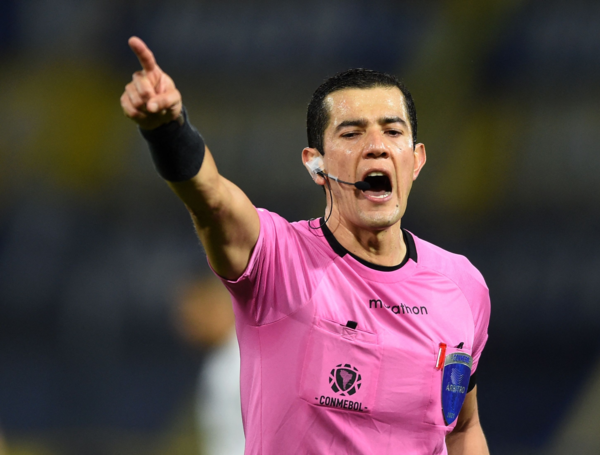
Nicolás Gallo, the experienced official from Caldas, has been designated as the Assistant Video Assistant Referee (AVAR) for the final. This appointment is not merely a procedural assignment; it is a testament to Gallo’s technical consistency and the high regard in which he is held by the FIFA officiating committee. In an era where Colombian central officiating has struggled to reclaim the heights of the early 2000s, Gallo’s presence in the final serves as a beacon of professional excellence.
The Significance of the Appointment
The role of an AVAR in a World Cup final is a position of immense pressure, requiring split-second judgment and unwavering focus. That FIFA has entrusted Gallo with this role—having already officiated the tournament’s opening match between Mexico and South Africa—highlights his evolution as one of the most reliable technical officials in the international circuit.

This year has been a busy one for the Colombian. He has accumulated 11 major designees, serving as the primary VAR in six matches and as an AVAR in five. His steady hand throughout the tournament has kept him in the good graces of the refereeing authorities, even as other compatriots saw their roles diminish. While fellow Colombians Andrés Rojas and Alexander Guzmán were part of the FIFA delegation, their duties were limited to fourth and fifth official roles, and both have since concluded their participation in the tournament.
A Legacy of Colombian Officiating: A Chronological Review
To understand the weight of Nicolás Gallo’s achievement, one must look back at the historical footprint of Colombian referees in the World Cup. The journey has been one of gradual growth, marked by moments of controversy, brilliance, and international recognition.

The Early Pioneers (1962–1974)
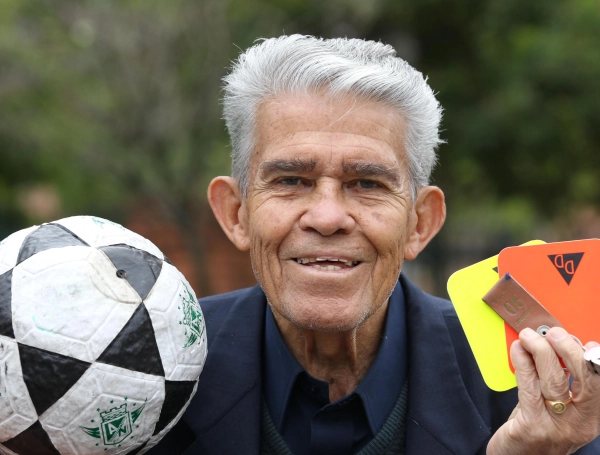
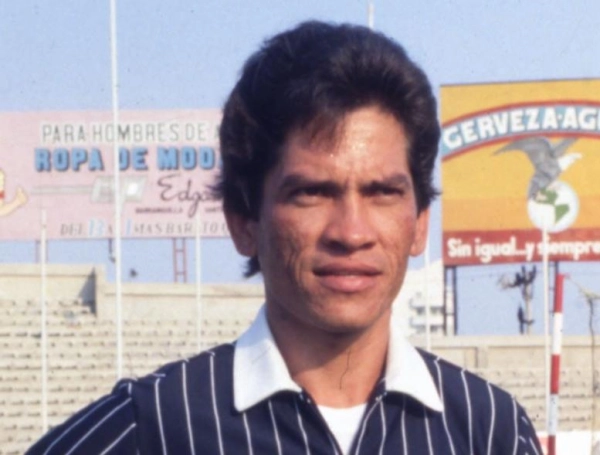
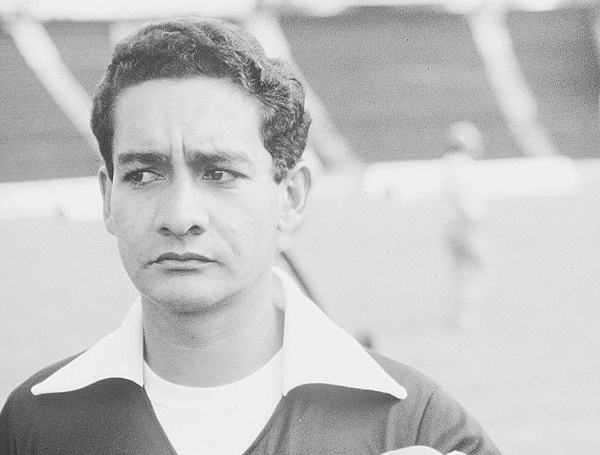
The history began in 1962 with José Antonio Sundheim, who served as a linesman in Chile. His performance paved the way for the legendary Guillermo ‘Chato’ Velásquez in 1970. Velásquez remains perhaps the most iconic figure in Colombian refereeing, largely due to his fearless decision to expel Pelé during a 1968 friendly match. In the 1970 Mexico World Cup, he served as a linesman in four matches, including the historic "Game of the Century" semifinal between Italy and West Germany.
In 1974, Omar Delgado broke new ground by becoming the first Colombian to serve as a central referee in a World Cup match, overseeing Yugoslavia’s historic 9-0 thrashing of Zaire, a record-setting margin that remains etched in the annals of FIFA statistics.
The Era of Professional Consolidation (1982–1994)
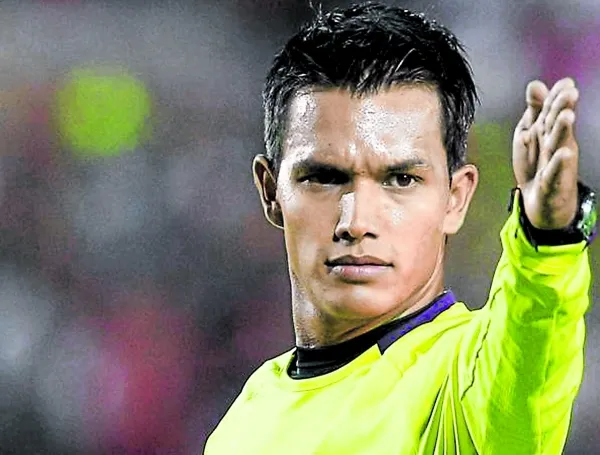
The 1980s and 90s saw a surge in the quality of Colombian officiating. Gilberto Aristizábal (1982) managed high-profile assignments, including the Brazil-Argentina clash in the second round and the Poland-Italy semifinal. Jesús Díaz followed in 1986, refereeing a quarterfinal match between Mexico and West Germany.
The apex of this era came in 1990 with Armando Pérez, who became the first Colombian to serve as a linesman in a World Cup Final (Germany vs. Argentina). This standard was matched by José Joaquín Torres in 1994, who remains the Colombian central referee to have reached the furthest stages of a tournament, officiating four matches including a quarterfinal and the Brazil vs. Sweden semifinal.
The Modern Era and the Technological Shift (1998–2026)
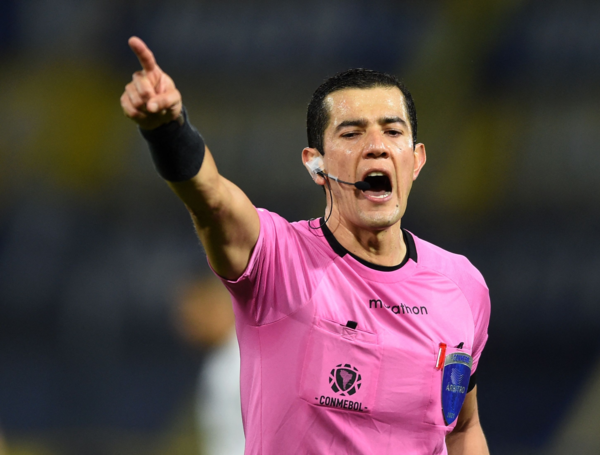
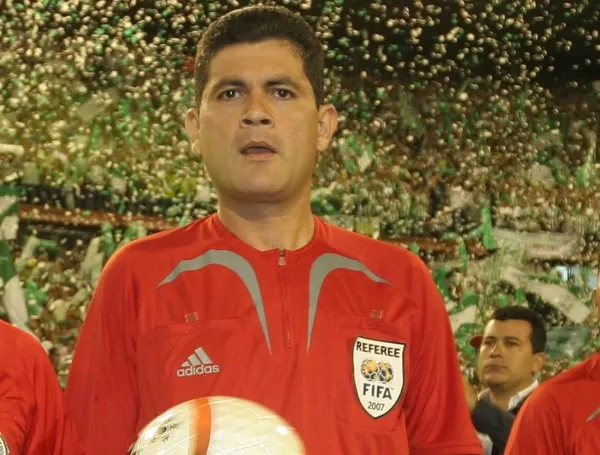
The transition to the modern era was led by Óscar Julián Ruiz, whose legacy spans three World Cups (2002, 2006, 2010). Ruiz is the most decorated Colombian referee in terms of total matches officiated (six) and remains a reference point for technical rigor. Following him, Wílmar Roldán carried the torch through 2014 and 2018, serving as the last Colombian central referee in a World Cup before the current drought.
Implications for the Future of Colombian Officiating
The appointment of Nicolás Gallo acts as a crucial bridge between the past successes of the 90s and the necessary modernization of the current generation. The refereeing landscape has shifted dramatically with the introduction of VAR. While the lack of a Colombian central referee since Russia 2018 has been a point of national concern, the success of Gallo suggests that Colombia is successfully pivoting toward the specialized technical skills required by modern football.
The implications are clear: the path to elite officiating is no longer strictly about the central whistle on the grass. It is about the mastery of technology, communication with the control room, and the ability to handle high-stakes intervention without disrupting the flow of the game.
Challenges and Official Perspectives
While the footballing community in Colombia celebrates Gallo’s appointment, it has also sparked a national debate regarding the development of domestic referees. Experts argue that the "sad panorama" of not having a central referee in the last two World Cups is a reflection of the systemic issues within the local league’s refereeing standards.
FIFA’s selection process is notoriously rigorous, involving intense physical testing, language proficiency, and psychological evaluations. The fact that only one Colombian official reached the final stages of the 2026 tournament suggests that while there is individual talent, there is a need for a more robust institutional pipeline to prepare officials for the international stage.
"Nicolás Gallo is an exception, not the rule," says a veteran football analyst. "His ability to adapt to the VAR era has kept him relevant. However, we need more than just one name to ensure that Colombia maintains its seat at the table in future World Cups."
Conclusion: A Moment of Pride
As the MetLife Stadium lights up this Saturday, the presence of Nicolás Gallo in the AVAR booth will serve as a point of national pride. For a country that lives and breathes football, having a representative in the final of the most-watched sporting event on the planet is a significant honor.
Gallo’s journey from the local fields of Caldas to the global stage in New Jersey is a narrative of persistence. Whether or not his presence leads to a more prominent role for Colombian officials in 2030 remains to be seen. For now, the focus is on the final, where the accuracy of the technology—and the human eye behind the screen—will play a defining role in crowning the new world champion.
The 2026 World Cup has been a tournament of surprises, tactical evolution, and intense competition. As we head into the final, the appointment of an experienced hand like Gallo provides a level of reassurance that, regardless of the outcome on the pitch, the highest standards of officiating will be upheld.