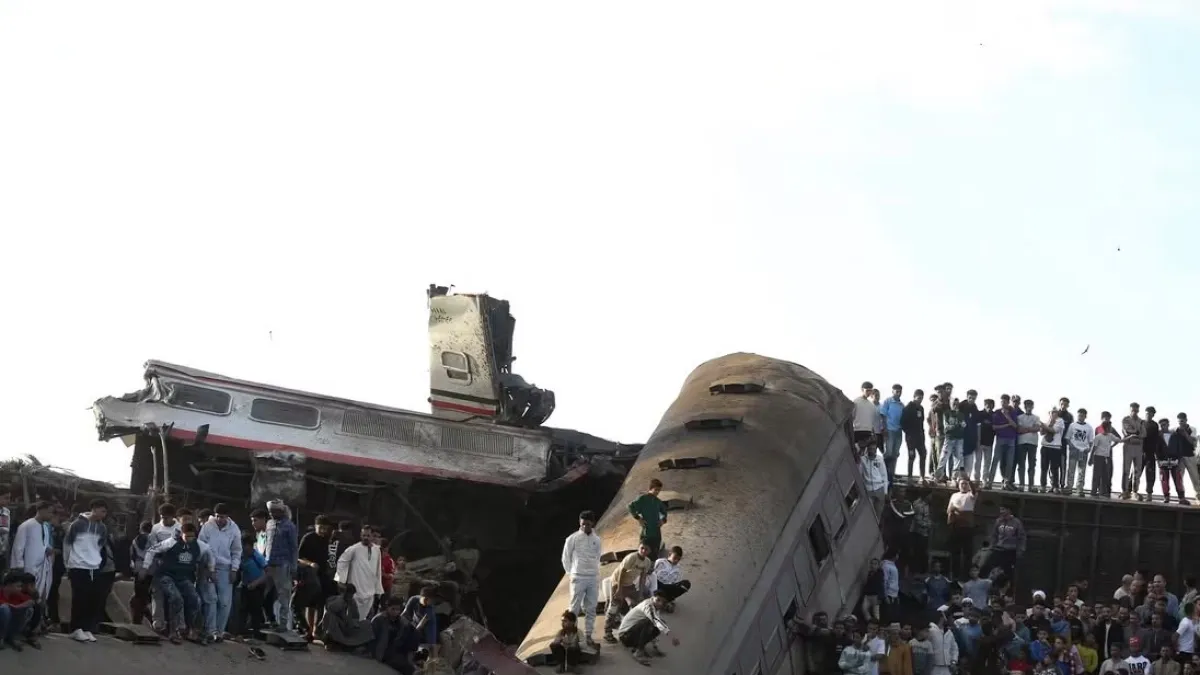
EGYPT — A profound sense of grief and urgency gripped Egypt following a catastrophic rail disaster that left at least four people dead and 88 others injured. The collision, which occurred on a critical agricultural corridor linking the nation’s bustling capital to its historic southern regions, has once again thrust the chronic safety vulnerabilities of Egypt’s national railway network into the global spotlight.
Emergency response teams, medical personnel, and high-ranking government officials mobilized swiftly in the wake of the disaster, launching an intensive rescue operation and demanding immediate accountability. As technical experts comb through the wreckage to unearth the sequence of events, the incident serves as a grim reminder of the persistent infrastructure challenges facing one of the oldest railway systems in the Middle East and Africa.
Main Facts of the Disaster
The catastrophic collision took place along the El Cairo–Aswan agricultural railway line, specifically near the crucial junction of Gerza. According to official preliminary reports released by the Egyptian Ministry of Health and Population, the tragedy claimed four lives immediately and resulted in injuries to 88 individuals. Authorities cautioned that the casualty figures remain preliminary and could rise as recovery and search operations progress through the twisted metal of the impacted carriages.
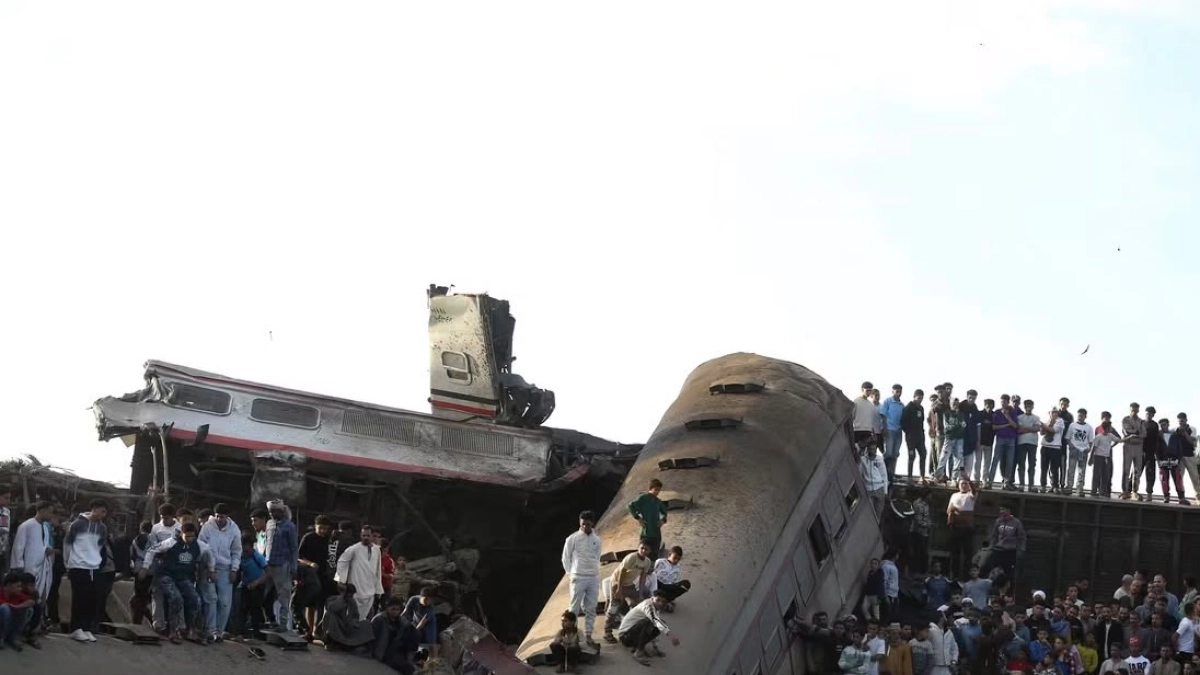
The incident involved two distinct passenger services operated by the state-owned Ferrocarriles Nacionales de Egipto (Egyptian National Railways). The collision occurred when train number 134—operating under the popular "Tahya Misr" (Long Live Egypt) service framework, which routinely commutes between Giza and Fayum—collided directly with the rear of train number 2010. The latter was operating a long-distance service connecting Cairo to the southern tourism hub of Aswan.
The impact caused severe structural damage to the rear cars of the Aswan-bound express train and the front locomotive of the Tahya Misr service. The sheer force of the collision derailed multiple carriages, blocking a vital economic and logistical artery connecting northern and southern Egypt and leaving passengers trapped inside damaged compartments as darkness and confusion settled over the rural agricultural landscape.
Chronology of Events and Emergency Response
The unfolding of the disaster triggered an unprecedented, rapid mobilization of Egypt’s emergency infrastructure.

Immediate Aftermath and Evacuation
Minutes after the collision, local residents near the Gerza junction were the first to rush to the scene, attempting to pull trapped passengers from the shattered windows of the derailed coaches. Shortly thereafter, a massive fleet of 72 ambulances was dispatched to the area by regional emergency services.
The injured were swiftly triaged and distributed among three primary regional medical facilities to prevent any single hospital from becoming overwhelmed:
- Al Wasta Hospital: Received the highest intake, treating 49 of the injured passengers.
- Al Ayyat Hospital: Admitted 29 individuals suffering from varying degrees of trauma, fractures, and lacerations.
- Atfih Hospital: Provided emergency medical care to 10 patients.
Mobilization of Specialized Units
Simultaneously, the Ministry of Interior deployed heavily equipped units of Civil Defense, specialized railway emergency teams, and security forces to secure the perimeter. The accident site was swiftly cordoned off to prevent onlookers from hindering heavy machinery operations and to preserve forensic evidence for upcoming investigators.

By mid-afternoon, the state railway company deployed high-capacity cranes and specialized engineering squads to the site. Their primary objective was twofold: to safely lift and clear the wreckage obstructing the tracks, and to repair the damaged rails and electrical signaling lines to restore standard circulation along the essential Cairo-Aswan corridor as quickly as possible.
Supporting Data and Context
The physical toll of the Gerza junction crash adds to a long and troubled statistical ledger of railway accidents in Egypt. With millions of citizens relying daily on the state railway system—one of the oldest in the region, established in the mid-19th century—the network carries immense passenger volumes under severe systemic strain.
Historically, the Egyptian railway system has grappled with deep-seated structural issues. Independent safety assessments and governmental audits over the years have consistently pointed to three primary contributors to rail incidents:

- Decaying Infrastructure: Decades of underinvestment have left miles of tracks, switches, and bridges operating far beyond their intended design lifespans.
- Outdated Signaling Systems: Large portions of the network have historically relied on manual or aging mechanical signaling technologies, increasing the margin for human error.
- Maintenance Backlogs: Financial constraints and bureaucratic hurdles have frequently delayed critical preventive maintenance schedules for both rolling stock and permanent ways.
Despite multi-billion-dollar modernization programs initiated by the government in recent years—which have seen the acquisition of new locomotives, modernized passenger cars, and upgrades to electronic signaling along major trunk lines—accidents continue to occur, illustrating the monumental task of transforming a vast, legacy network into a modern, high-safety transit corridor.
Official Responses and Accountability
The severity of the crash prompted immediate, high-level reactions from the highest echelons of the Egyptian government, emphasizing both humanitarian relief and stringent legal accountability.
Ministerial Directives
In response to the mounting casualty figures, the Minister of Health and Population, Jaled Abdel Ghaffar, placed all public healthcare facilities and medical centers across the provinces of Giza and Beni Suef on maximum alert. Blood banks were mobilized to accept emergency donations, and specialized surgical teams were kept on standby to handle complex trauma cases resulting from the crash.

Presidential Intervention
President Abdelfatah al Sisi took to his official social media channels to address the nation regarding the tragedy. In his public statements, the President extended his deepest condolences to the families of the deceased and wished a speedy recovery to the wounded.
Crucially, President al Sisi issued explicit directives to all relevant state agencies:
- Comprehensive Care: Ensure that every victim receives immediate, top-tier medical attention at state expense.
- Uncompromising Investigation: Instructed the relevant authorities to fast-track the investigative process to uncover the root causes of the collision.
- Strict Accountability: Demanded that any officials, operators, or personnel found guilty of negligence, dereliction of duty, or systemic safety violations face severe legal consequences.
Judicial and Technical Investigations
Concurrently, the Public Prosecutor’s Office formally opened a comprehensive criminal and technical inquiry. A specialized committee of railway engineers, accident reconstruction experts, and forensic specialists was dispatched to the crash site. Their mandate includes inspecting the braking systems, reviewing event recorder data ("black boxes"), examining signaling logs at control towers, and interviewing surviving crew members and witnesses to reconstruct the precise timeline of human and mechanical factors that led to the impact.

Systemic Implications and Historical Precedents
The disaster near Gerza has reignited a fierce national debate regarding passenger safety, systemic modernization, and institutional oversight within Egypt’s transportation sector. For ordinary citizens, rail travel remains an indispensable yet anxiety-inducing necessity, balancing affordability against inherent safety risks.
The tragedy inevitably draws painful parallels to previous dark moments in Egypt’s modern railway history. Most notably, the nation was shaken in March 2021 by a devastating succession of train crashes—including a major collision in the southern province of Sohag—which resulted in approximately 20 deaths and well over a hundred injuries, sparking public outrage and leading to sweeping, albeit ongoing, promises of institutional reform.
Transport analysts note that while massive capital investments in physical assets like new trains are vital, true structural safety requires an equally aggressive overhaul of human resource training, institutional accountability, operational safety cultures, and real-time monitoring technologies.

As the investigations proceed and the nation mourns those lost on the El Cairo-Aswan line, the fundamental challenge for Egyptian authorities remains clear: transforming the nation’s railways from a system plagued by historical vulnerabilities into a modern, fail-safe transit network worthy of the millions who depend on it every single day.