By International Desk
Updated: July 22, 2026
The Middle East finds itself at a precarious crossroads as the military confrontation between the United States and Iran enters a critical, high-stakes phase. Following eleven consecutive nights of intensified U.S. airstrikes, the regional security architecture is fracturing, with the vital artery of global energy—the Strait of Hormuz—becoming a theater of strategic maneuvering and potential blockade.
The Eleventh Night: A Military Overview
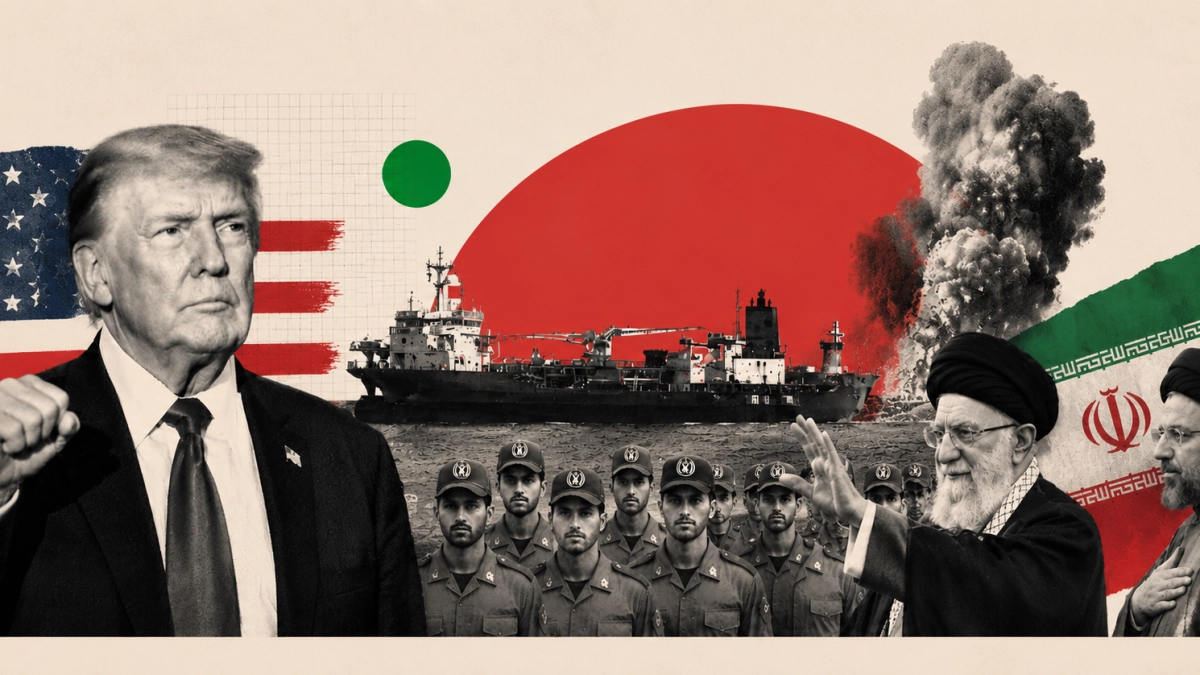
As of Tuesday, the United States concluded its eleventh straight night of targeted military operations against Iranian assets. According to official reports from the U.S. Central Command (CENTCOM), the strikes were calibrated to degrade the operational capacity of the Iranian military apparatus. The targets included command-and-control centers, advanced drone manufacturing facilities, naval assets, and critical military logistics nodes.
This offensive represents a significant departure from the previous, more restrained posture adopted by Washington. Military analysts suggest that the breadth of these operations indicates a tactical shift from containment to active degradation of Iran’s conventional and asymmetrical capabilities. Despite the intensity of the bombardment, the White House maintains that these actions are "defensive in nature," aimed at protecting the freedom of navigation and checking regional aggression.

Chronology of the Current Escalation
The current surge in hostilities serves as the culmination of weeks of deteriorating relations, effectively shattering the fragile ceasefire established on June 18. That agreement, which was initially intended to provide a diplomatic window for discussions regarding Iran’s nuclear program, has collapsed under the weight of renewed brinkmanship.
- Mid-June: Washington and Tehran sign a ceasefire, offering a temporary reprieve from military action to facilitate nuclear diplomacy.
- Early July: Hostilities resume following a series of skirmishes in the Persian Gulf and renewed threats against commercial shipping.
- July 12–21: A consistent campaign of nightly U.S. airstrikes targets Iranian infrastructure.
- July 22: The White House hints at potential strikes on the "Pickaxe Mountain" complex, a site suspected of housing critical components of the Iranian nuclear program.
The Strategic Chokepoint: The Strait of Hormuz
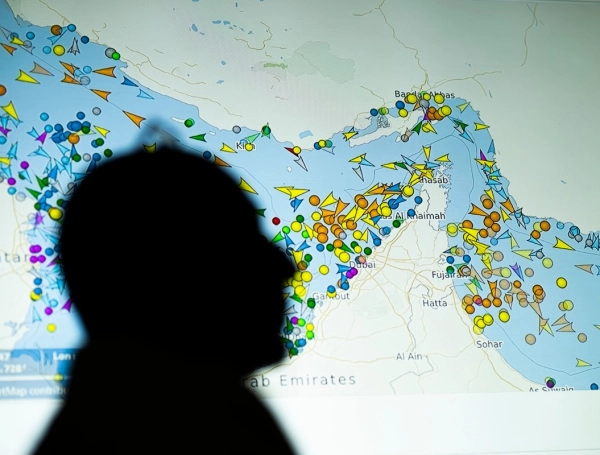
Central to this conflict is the Strait of Hormuz, the world’s most important oil chokepoint. Despite reports of significant disruption, CENTCOM insists that the waterway remains "open" for commercial traffic. The logistical data provided by the U.S. military is striking: since the beginning of May, approximately 900 commercial vessels and 450 million barrels of crude oil have successfully traversed the strait under U.S. naval protection.

However, this stability is fragile. Over the last three months, Iran has targeted more than 30 vessels, signaling an intent to use maritime commerce as leverage. The U.S. Navy remains in a heightened state of alert, conducting escort operations to ensure that global energy prices—already sensitive to the conflict—do not suffer catastrophic shocks.
Financial and Political Costs: The View from Washington
The escalation has not been without controversy or significant domestic scrutiny. Secretary of Defense Pete Hegseth recently appeared before the Senate, requesting an emergency appropriation of $70 billion to sustain the operational tempo in the Middle East and replenish depleted precision-guided munitions stockpiles.
During his testimony, Hegseth disclosed that the cost of the conflict, to date, has reached $37.5 billion. When pressed by legislators from both sides of the aisle regarding the long-term strategic objectives and the "end state" of the campaign, Hegseth remained guarded, refusing to provide specific details on future operational phases. This reticence has fueled concerns among lawmakers who fear the United States is being drawn into an open-ended regional war without a clear exit strategy.
The "Pickaxe Mountain" Threat
President Donald Trump has ratcheted up the rhetoric, publicly suggesting that the U.S. might soon authorize strikes against the "Pickaxe Mountain" complex. The facility, buried deep within a mountainous region, represents one of the most formidable targets in Iran’s nuclear infrastructure.
Military experts note that the site’s subterranean depth poses a significant challenge for conventional airstrikes. Destroying such a facility would likely require specialized bunker-busting munitions and an unprecedented level of precision. Any move to strike this site would be viewed by Tehran as a major escalation, potentially triggering a wider regional response.
Shifting Alliances: The U.S.-Saudi Nuclear Agreement
While Iran faces mounting pressure, the United States is concurrently strengthening its partnerships with regional powers. Reports circulating on Wednesday confirm that the Trump administration has finalized a landmark nuclear cooperation agreement with Saudi Arabia.
The deal, which is expected to be formally announced imminently, would allow the Kingdom to develop a civil nuclear energy program. While the administration frames this as a path toward energy diversification, critics point to the potential for the deal to include "enrichment of uranium" capabilities, which could alter the regional balance of power.
This rapprochement serves as a strategic counterweight to Iranian influence. Notably, Saudi Arabia is the only major regional power currently spared from the direct military fire of the current U.S.-Iran conflict. However, the Kingdom is not immune to instability; it remains embroiled in a separate, albeit related, conflict with the Houthi rebels in Yemen.

The Houthi Factor and the Regional Web
The conflict has expanded to include the Houthi movement, which has emerged as a volatile wildcard. Last week, the rebels launched a series of projectiles at Saudi Arabia, ostensibly in retaliation for the Kingdom’s role in preventing an Iranian aircraft from landing in Sana’a. The flight was carrying a Houthi delegation returning from the funeral of the late Supreme Leader, Ali Khamenei.
This incident has exacerbated the "shadow war" in the region. The Houthis have now declared an informal maritime embargo against Saudi Arabia, further complicating the security environment in the Red Sea and the Persian Gulf. In response, the U.S. has expedited the sale of $2 billion in high-precision rockets to Saudi Arabia, reinforcing the U.S.-Saudi defense alliance.
Implications for Global Security
The implications of this cycle of violence are profound. The collapse of the June 18 ceasefire suggests that the era of diplomatic containment is, at least for the moment, over. As the U.S. deepens its involvement and intensifies its strikes, the risk of a miscalculation—either at the Strait of Hormuz or via an attack on a sensitive nuclear site—remains at an all-time high.
For the global community, the situation presents a dual challenge: maintaining the flow of energy through the Gulf and preventing the proliferation of nuclear capabilities in a volatile region. As the world watches, the actions taken by both Washington and Tehran in the coming days will likely dictate the trajectory of Middle Eastern security for the next decade.

The silence from Tehran following the most recent wave of strikes is particularly concerning to intelligence analysts. Whether the Iranian leadership is preparing a significant retaliatory strike or recalibrating its defense strategy in the face of sustained U.S. pressure remains the most critical question in the current intelligence landscape. One thing is certain: the region is currently in a state of high-intensity volatility, with the prospect of "total war" hanging in the balance.