By Global Pet Health & Behavior Desk
Published: November 12, 2026
Main Facts: Deconstructing the Myth of Feline Indifference
For generations, cats have worn a cultural crown of supreme indifference. Popular folklore paints them as aloof, self-sufficient creatures who view their human companions as little more than convenient providers of food and shelter—service staff easily forgotten the moment the front door clicks shut. But how much truth is there to this widespread perception? Do cats genuinely miss us when we leave, or do they simply enjoy the quiet emancipation of an empty house?
Recent insights from veterinary specialists are shedding new light on the emotional landscape of domestic cats. According to veterinarian Dr. Carlos Gutiérrez, the reality of feline solitude is far more nuanced than popular culture suggests. Contrary to the belief that every departure is interpreted by a cat as a terrifying abandonment, most felines possess a secure understanding of their environment and human routines.
Key findings from behavioral assessments indicate:

- Routine Recognition: The overwhelming majority of cats recognize the habitual schedules of their owners and understand that departures are temporary.
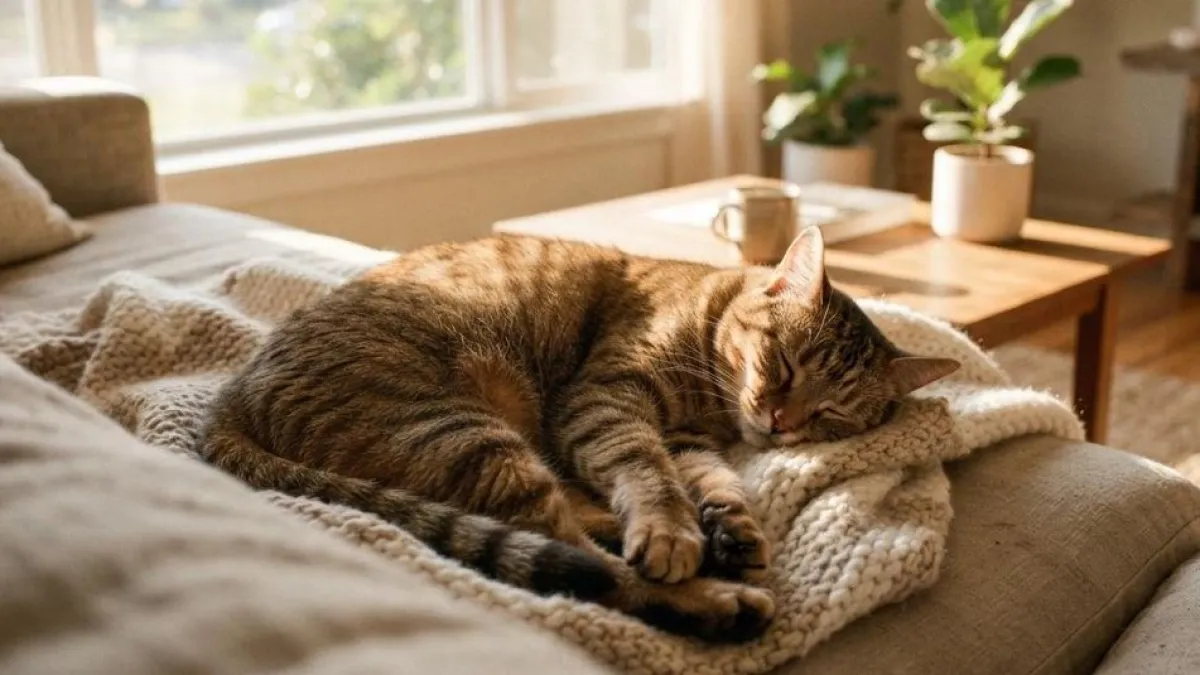
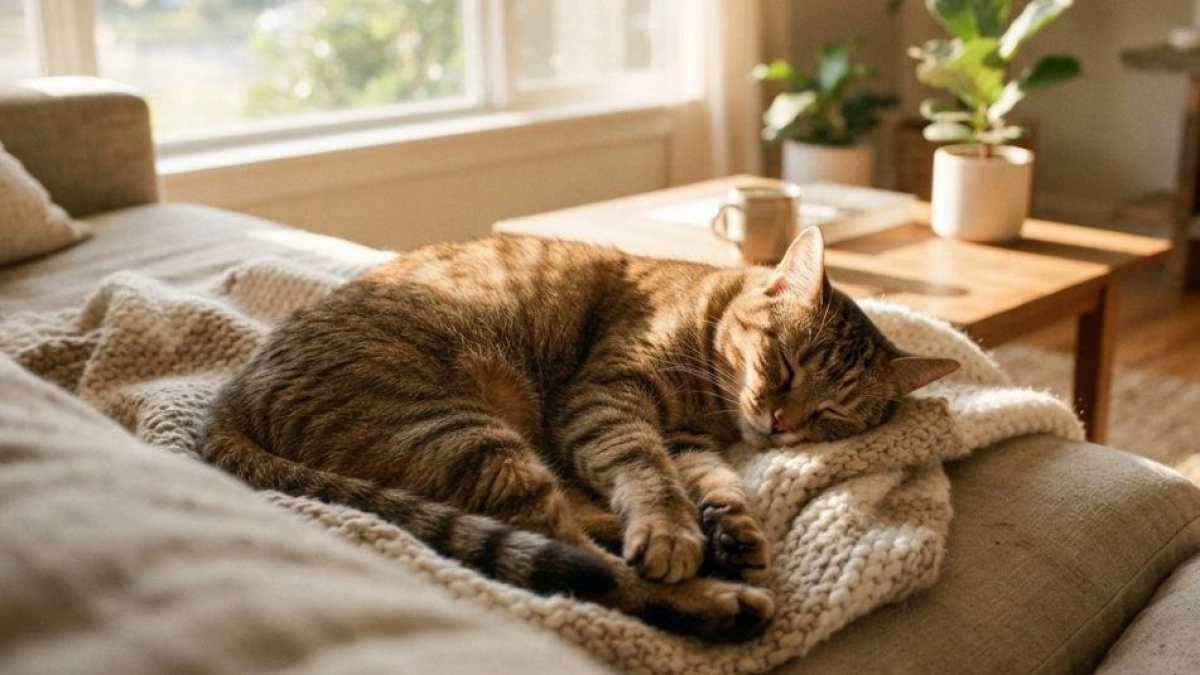
- The Rest Imperative: Rather than pacing anxiously by the window, most cats utilize the solitude to significantly lower their activity levels and engage in deep, restorative rest.
- Separation Vulnerability: Only a distinct minority—approximately 13% of the feline population—exhibits genuine difficulty, distress, or clinical symptoms related to separation when left alone.
This data fundamentally challenges the long-held dichotomy that categorizes cats as either entirely emotionless hermits or chronically anxious dependents. Instead, it highlights a species of adaptable creatures that find comfort in predictability, yet retain distinct emotional vulnerabilities that require attentive human stewardship.
Chronology: The Evolution of Human Perception Regarding Feline Solitude
To understand how contemporary veterinary science arrived at these conclusions, it is helpful to examine how human understanding of cat behavior has shifted over time.

The Domestication Paradigm (Pre-20th Century)
For thousands of years, cats lived semi-independent lives alongside humans. Primarily valued as mousers and pest controllers on agricultural lands, their interactions with people were utilitarian. Because they could hunt and survive outdoors independently, humans projected an image of absolute emotional self-sufficiency onto them.
The Urbanization and Indoor Cat Era (Late 20th Century)
As cats transitioned from outdoor or indoor-outdoor mousers to strictly indoor urban companions, behavioral questions multiplied. Pet owners began noticing subtle changes in their pets’ behavior—such as excessive meowing upon return, destructive scratching, or uncharacteristic litter box issues. For decades, veterinary medicine focused heavily on canine psychology, often misapplying dog-centric models of separation anxiety to cats, leading to widespread misunderstandings about feline emotional lives.
The Modern Behavioral Science Era (2010s–Present)
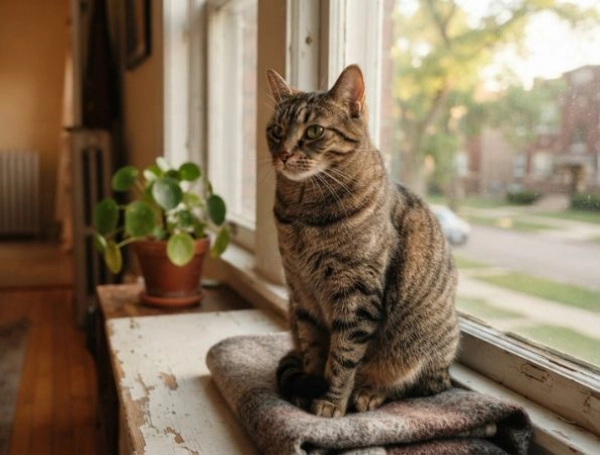
With advancements in ethology (the study of animal behavior) and non-invasive monitoring tools like pet cameras, researchers began closely tracking what pets actually do when humans are away. Studies spearheaded by feline behaviorists revealed that cats are highly sensitive to micro-routines (the jingle of keys, the putting on of shoes). Rather than descending into panic, well-adjusted cats utilize environmental familiarity to self-soothe, sleeping up to 16 hours a day, frequently aligning their peak rest cycles with their owners’ typical absence windows.
Supporting Data: Understanding Feline Behavior During Human Absence
To properly contextualize Dr. Gutiérrez’s findings, it is essential to examine the physiological and behavioral metrics associated with cats left in solitude.
Activity Levels and Circadian Rhythms
Cats are crepuscular animals by nature—most active during dawn and dusk. When human work schedules align with daytime hours, a cat’s natural inclination is to sleep. Behavioral monitoring studies show that in a secure, enriched home environment, a cat left alone for an eight-hour workday will typically spend:
- 60% to 70% of the time resting or sleeping in preferred sunny spots or high perches.
- 15% to 20% of the time grooming, patrolling territory, and engaging in light exploratory behavior.
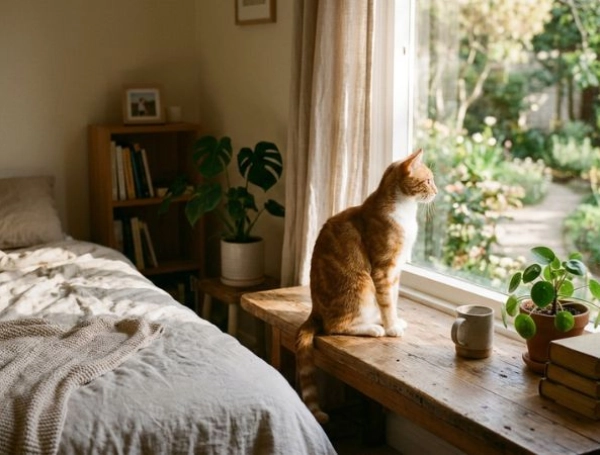
- 10% to 15% of the time eating, drinking, or interacting with environmental enrichment (such as automated toys or looking out windows).
The 13% Threshold: Analyzing Separation-Related Difficulties
While 87% of cats adapt well to brief or standard periods of human absence, the 13% that experience separation-related stress face significant welfare challenges. This subset of the feline population does not simply rest; instead, they experience chronic physiological arousal characterized by elevated cortisol levels, increased heart rates, and behavioral manifestations of distress.
Official Responses and Veterinary Perspectives
Dr. Carlos Gutiérrez emphasizes that interpreting a cat’s inner thoughts requires moving away from human emotional projections. When an owner walks out the door, a cat does not engage in complex existential dread about permanent abandonment; rather, their cognitive framework is anchored in spatial and temporal predictability.
"Cats are creatures of geometry and routine," notes Dr. Gutiérrez. "They map their territory meticulously. When they see us leave, they recognize the sequence of events. They know the apartment or house is a safe, enclosed ecosystem where resources are stable, and they know the human reliably returns to reset the cycle."

Other feline practitioners, such as specialist Dr. Victor Algra, reinforce the notion that environmental security is the primary driver of feline mental health during isolation. According to Dr. Algra, elements such as vertical space (shelves, high perches, and tall cat trees) drastically reduce stress levels because cats instinctively seek elevated vantage points to assess safety and control their environment. When a cat feels secure in its vertical territory, the absence of the owner becomes a manageable, quiet interlacing of the day rather than a source of panic.
Implications: How to Protect and Care for Solitary Cats
Recognizing that the majority of cats rest during absences does not mean felines can be neglected or left unattended for extended, multi-day periods without active intervention. The physiological independence of cats comes with strict environmental prerequisites.

1. Identifying Signs of Distress
Because cats are subtle in expressing vulnerability, owners must remain vigilant. Signs that a cat is struggling with solitude include:
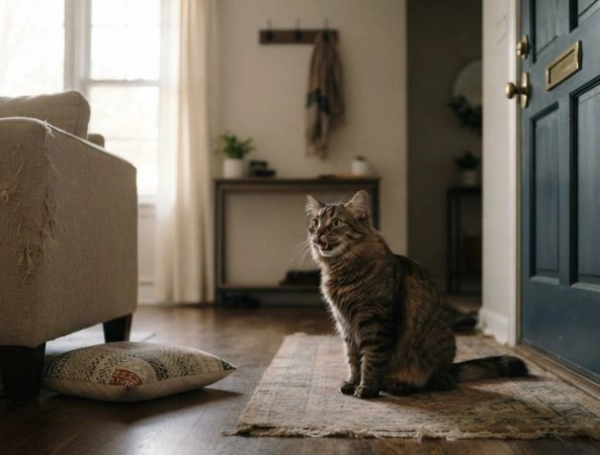
- Vocalizations: Excessive, high-pitched crying or howling immediately before departure or upon the owner’s return.
- Inappropriate Elimination: Urinating or defecating outside the litter box, often near doors, windows, or on the owner’s personal belongings as a means of mixing scents.
- Destructive Behaviors: Excessive scratching of door frames, furniture, or aggressive chewing on non-food items.
- Over-Grooming: Licking specific areas of the body to the point of hair loss or skin irritation as a self-soothing mechanism.
2. Practical Steps to Ensure Feline Welfare
To maintain a healthy balance between feline independence and emotional well-being, pet owners should implement the following strategies:

- Maintain Predictable Routines: Keep feeding and departure times consistent to reinforce the cat’s sense of temporal security.
- Provide Environmental Enrichment: Leave puzzle feeders, window perches, and safe toys that stimulate natural hunting and stalking instincts.
- Respect Feline Independence: When returning home, avoid overwhelming an anxious or resting cat with forced affection; allow the animal to initiate contact at its own pace.
- Avoid Extended Unsupervised Periods: Even though cats tolerate short daily absences well, they should never be left alone for days without a trusted pet-sitter checking in to replenish water, clean litter boxes, and monitor health.
Ultimately, the domestic cat’s ability to navigate solitude is a testament to its successful adaptation to human-shared spaces. By understanding that their quiet independence is rooted in trust and environmental security, owners can build healthier, more responsive relationships with their feline companions—ensuring that when the front door closes, peace prevails rather than panic.