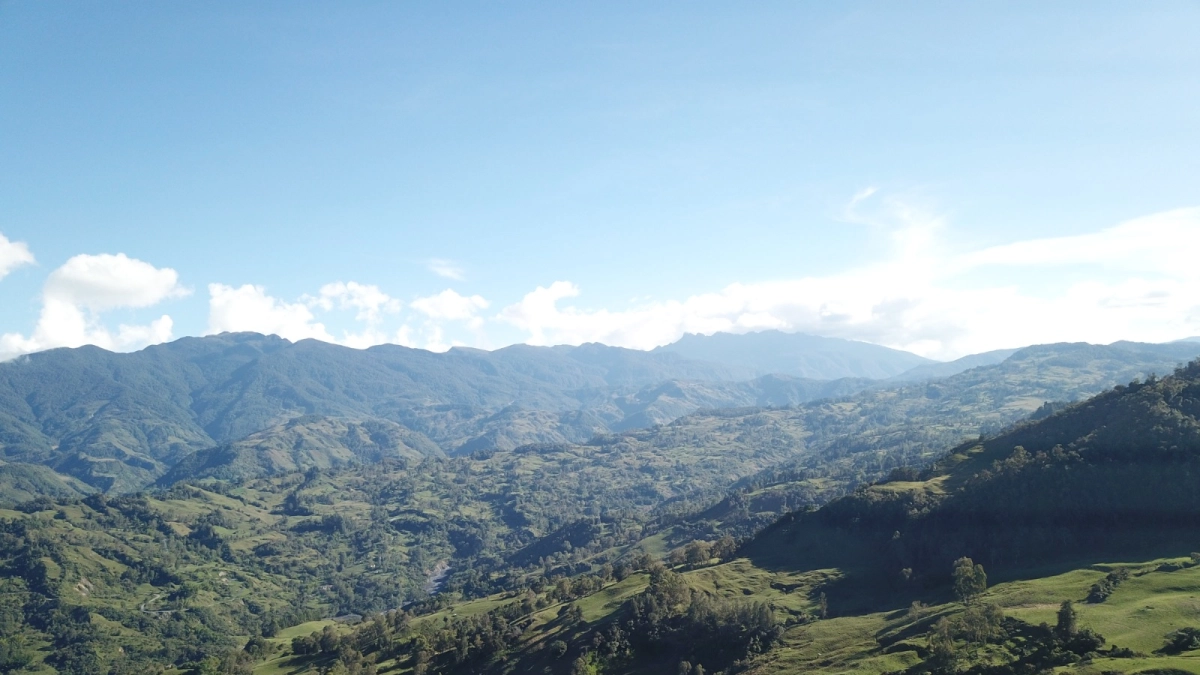
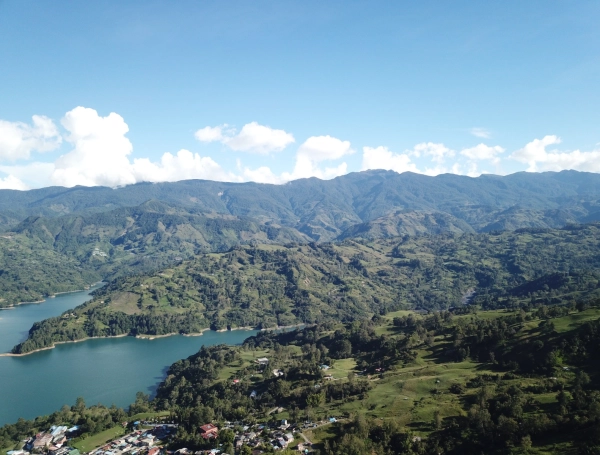
BOGOTÁ, COLOMBIA — In a landmark decision for Colombian environmental conservation, the Ministry of Environment and Sustainable Development, alongside regional authorities, officially announced the designation of Los Farallones as a new protected area. Spanning an impressive 23,776 hectares in the eastern region of the Cundinamarca department, this newly minted ecological sanctuary is poised to safeguard vital strategic ecosystems, secure essential water supplies, and protect a rich repository of endemic and endangered biodiversity.
The designation, formalized on Friday, October 30, 2026, marks the culmination of years of rigorous technical studies, community engagement, and multi-sectoral collaboration. Nestled strategically adjacent to the renowned Chingaza National Natural Park, Los Farallones functions ecologically as a direct extension of that vital high-mountain ecosystem, substantially reinforcing the ecological corridor running through Colombia’s Andean region.
Main Facts: A New Environmental Stronghold
The newly declared District of Integrated Management (DRMI, by its Spanish acronym) of Los Farallones covers 23,776 hectares situated entirely within the municipalities of Gachalá, Medina, and Ubalá.
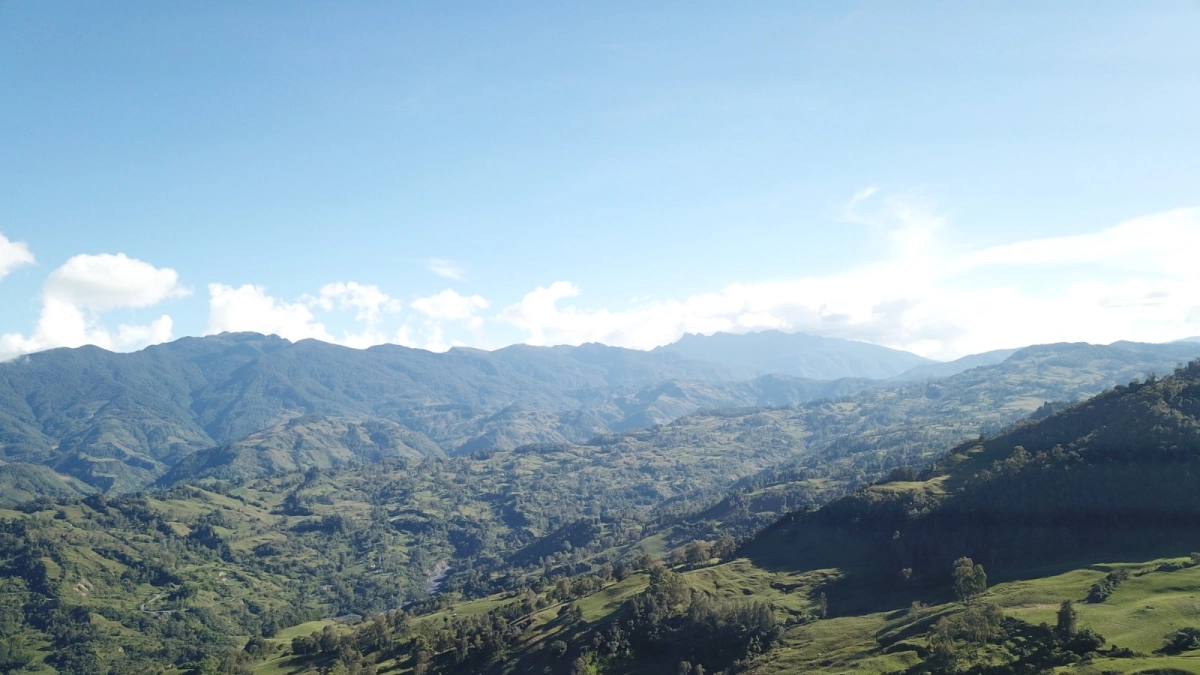
According to technical data compiled during the declaration process, the area is characterized by its ecological dominance: approximately 78% of the territory is covered by dense, high-altitude firm-land forests (bosque denso alto de tierra firme). These pristine ecosystems play an outsized role in carbon sequestration, climate regulation, and the preservation of Andean and high-Andean flora and fauna.
Furthermore, the territory acts as a critical hydrological cradle. Los Farallones feeds three major rivers—the Guavio, Humea, and Guacavía—which form part of the Orinoco hydrographic basin. These waterways are crucial for regional water security, supplying vital resources to local populations and feeding key infrastructure, including regional hydroelectric reservoirs.
The institutional framework of this declaration is robust. While the process was spearheaded locally by the Regional Autonomous Corporation of Guavio (Corpoguavio), it has received vital backing from the Ministry of Environment, National Natural Parks of Colombia (Parques Nacionales Naturales), international conservation entities such as the Andes Amazon Fund, non-governmental organizations like the +Biomas Foundation, and private sector allies including Enel Green Power.

Chronology: The Road to Protection
The journey toward the establishment of the DRMI Los Farallones was neither swift nor simple. It represents a multi-year effort that required delicate coordination between government bodies, scientific researchers, private corporations, and local communities.
- Years of Pre-Planning and Technical Studies: Corpoguavio, recognizing the acute ecological vulnerability and strategic value of the region’s forests and water sources, initiated preliminary biological and socio-environmental assessments years prior to the official declaration. These studies mapped out the high concentration of endemic species and underscored the area’s importance to the Orinoco watershed.
- Building Cross-Sector Alliances: As the technical framework solidified, the initiative garnered high-level institutional support. Partnerships were forged with National Natural Parks and international conservation groups like the Andes Amazon Fund and the +Biomas Foundation, providing both financial backing and strategic environmental planning expertise. Private sector actors, particularly energy companies operating nearby infrastructure like Enel, integrated into the dialogue to ensure environmental compatibility between energy generation and ecological preservation.
- Community Outreach and Socialization: Recognizing that long-term conservation cannot succeed without the backing of those who live on the land, Corpoguavio and local administrations organized numerous participatory workshops. Throughout the rural settlements and veredas of Gachalá, Medina, and Ubalá, authorities engaged directly with campesino communities to explain the implications of the DRMI designation, listen to grievances, and incorporate traditional knowledge into the management framework.
- The Formal Council Approval: The process culminated on October 30, 2026, during an extraordinary session of the Directive Council of Corpoguavio. The meeting brought together Minister of Environment Fabio Arjona, Corpoguavio Director Marcos Manuel Urquijo, National Natural Parks Director Sandra Bessudo, Asocars Director Yesid González, Enel Green Power leader Antonio Crisol, municipal mayors, scientific researchers from the Humboldt Institute, and community representatives to officially sign the historic declaration.
Supporting Data: Biodiversity and Hydrological Wealth
Scientific inventories conducted within the 23,776 hectares of Los Farallones reveal an ecological treasure trove of immense national and international significance.
- Flora and Fauna Hotspot: Biological assessments have successfully identified 39 endemic species—organisms found nowhere else on Earth—thriving within the high-altitude forests.
- Global Protection Priorities: Additionally, the area harbors 45 species explicitly listed under the Convention on International Trade in Endangered Species of Wild Fauna and Flora (CITES), underscoring the global importance of safeguarding these fragile habitats from encroaching anthropogenic pressures.
- Water Security: The hydrological contribution of Los Farallones cannot be overstated. Beyond sustaining the Guavio, Humea, and Guacavía rivers, the watershed supports downstream communities and helps maintain the ecological flow necessary for regional aquatic life. Over 1,340 direct local inhabitants rely heavily on these systems, while the broader hydrological network impacts energy generation across the wider Cundinamarca and Bogotá savanna regions.
- Integration into Cundinamarca’s Green Network: With this addition, Los Farallones joins a distinguished portfolio of protected areas within Cundinamarca designed to shield the department’s natural heritage. These include the hills of Juaica, Pionono, and Quinini; the Tequendama Waterfall and Cerro Manjuy biological area; the Rabanal páramo; Pantano Redondo; and the headwaters of the Susagua and Subachoque rivers.
Official Responses and Stakeholder Perspectives
The announcement drew widespread acclaim from government officials, environmental leaders, and corporate partners alike, all of whom emphasized the unique collaborative nature of the achievement.
Environment Minister Fabio Arjona highlighted the strategic geographic placement of the new area during the official announcement:
"We are celebrating the declaration of the DRMI Los Farallones, which spans 23,776 hectares, located right next to the Chingaza National Natural Park. It is practically as if we were adding this massive land area directly to Chingaza. This is a labor led by Corpoguavio, which worked for many years to achieve this declaration, backed by National Natural Parks, NGOs like +Biomas and the Andes Amazon Fund, and the private sector through Enel."
Arjona also underscored the vital intersection between green infrastructure and human development:
"This could undoubtedly mean an improvement in power generation and a greater compatibility between gray infrastructure and green infrastructure. Furthermore, we have the communities, who support conservation to build a true sustainable future. Water, Biodiversity, and Communities: that is the genesis of the declaration of the DRMI Los Farallones."
The collaborative ethos was further emphasized by Sandra Bessudo, Director of National Natural Parks of Colombia, who noted that expanding protected zones in the Andean region is essential for building climate resilience. Representatives from the Andes Amazon Fund and the +Biomas Foundation echoed these sentiments, praising the Colombian government’s commitment to halting deforestation and protecting fragile mountain habitats.
Implications: A New Paradigm for Community-Centred Conservation
The designation of Los Farallones as a District of Integrated Management (DRMI) is far more than a line drawn on a map; it establishes a legal and operational framework designed to balance stringent environmental protection with sustainable human development.

1. Empowering Campesino Communities
Historically, conservation efforts in Colombia have sometimes generated friction with rural populations whose livelihoods depend on agriculture and livestock. The DRMI category, however, specifically mandates the inclusion of local inhabitants as primary stewards of the land. The participatory design of the declaration ensures that the cultural heritage, traditional farming knowledge, and socioeconomic needs of the rural population in Gachalá, Medina, and Ubalá are respected and integrated into future zoning plans.
2. Sustainable Economic Opportunities
Far from locking the territory away entirely, the management framework opens the door to sustainable economic alternatives that reward conservation:
- Payment for Environmental Services (PES): Local landowners and communities can receive financial incentives for maintaining forest cover and protecting water sources.
- Green Businesses and Agroforestry: The promotion of low-impact productive practices allows farmers to cultivate goods without degrading the soil or fragmenting wildlife corridors.
- Regulated Eco-tourism: The stunning landscapes, dense cloud forests, and rich biodiversity of Los Farallones present significant potential for planned, low-impact nature tourism, creating alternative revenue streams for the local economy.
- Scientific Research: The high concentration of endemic and CITES-listed species makes the area a prime destination for academic and institutional research into Andean biodiversity and climate adaptation.
3. Strengthening Energy and Water Resilience
By aligning conservation goals with regional infrastructure management—specifically through cooperation with energy giants like Enel—the declaration guarantees that watershed protection is factored into hydro-electric planning. This symbiosis ensures that the water feeding the Guavio reservoir remains clean, abundant, and regulated, mitigating the risks of both severe sedimentation and water scarcity during prolonged dry seasons.

As the ink dries on the historic agreement, Los Farallones stands as a testament to what can be achieved when public institutions, international NGOs, private corporations, and local communities unite under a common banner. In an era marked by escalating climate volatility and biodiversity loss, Cundinamarca’s newest protected area offers a beacon of hope for sustainable coexistence between humanity and the natural world.