INTERNATIONAL DESK
Published: October 30, 2026 – 1:50 PM
Updated: October 30, 2026 – 1:50 PM
Main Facts: A Nation on High Alert
France is bracing for its third consecutive weekend of intense social upheaval, as citizens take to the streets to protest the skyrocketing cost of living, economic stagnation, and mounting institutional pressures. The French government has designated this Saturday’s mobilization as an event of "very high risk for public order," deploying an unprecedented security apparatus across major metropolitan areas.
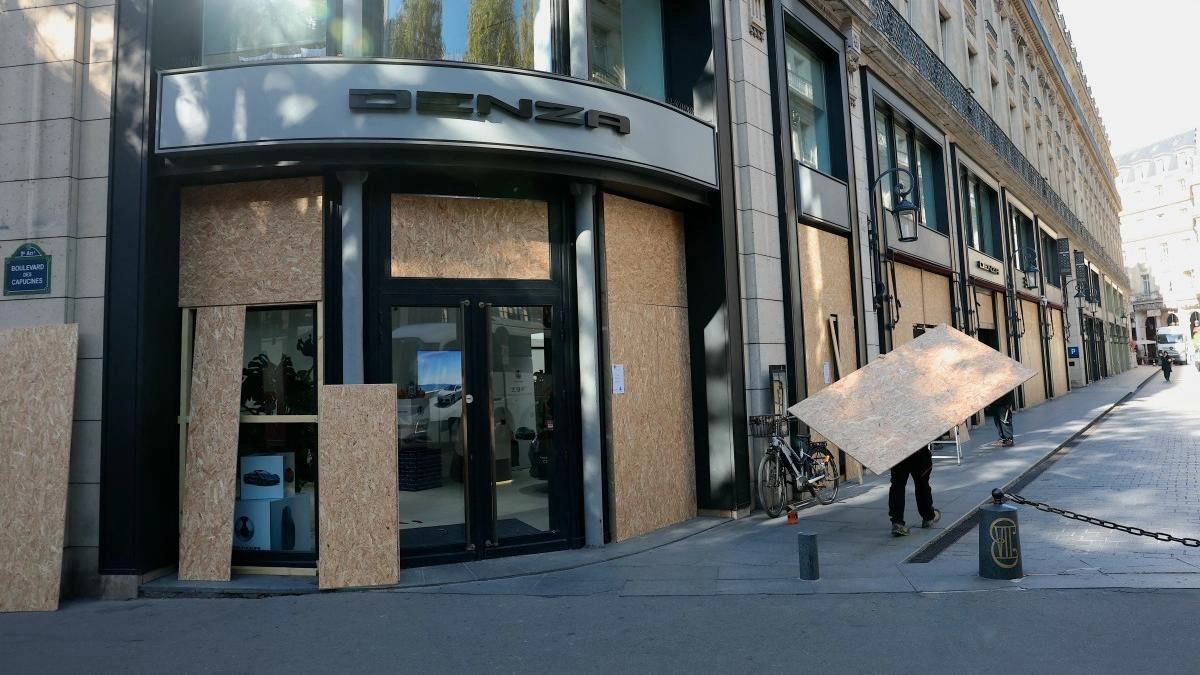
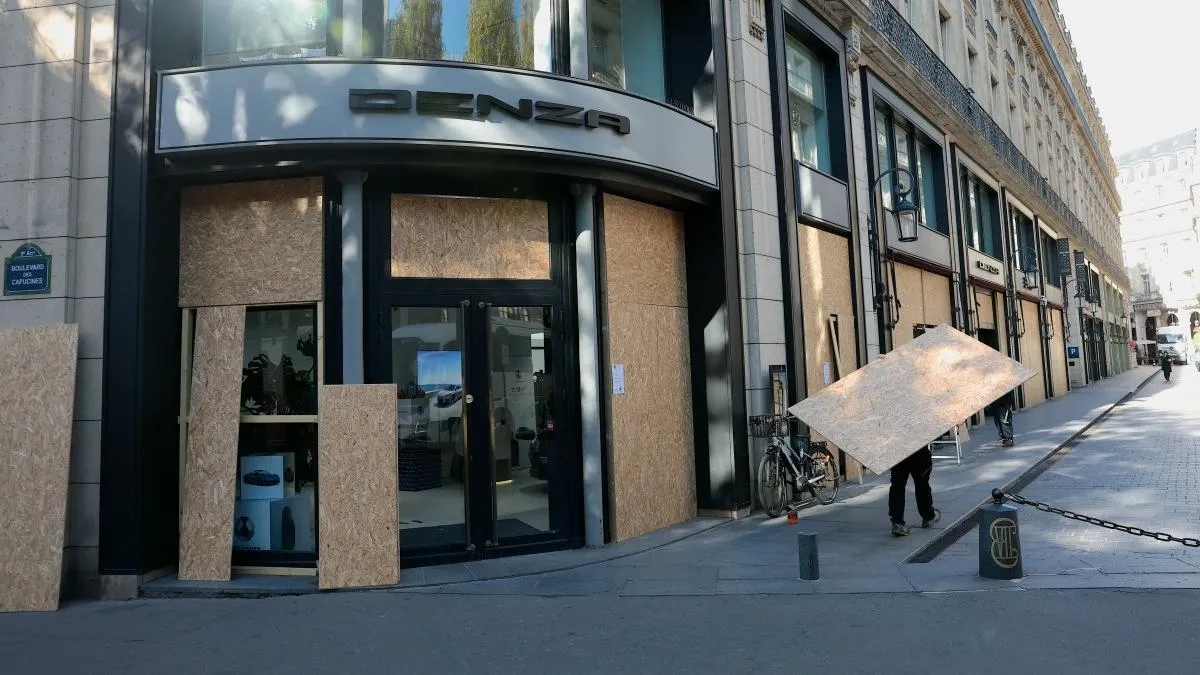
Coinciding with the Halloween festivities, the upcoming demonstrations threaten to plunge the country back into the chaotic scenes witnessed during the initial wave of protests earlier this month. With online intelligence pointing toward coordinated efforts by fringe groups to instigate widespread looting and vandalism, the Ministry of the Interior has mobilized an exceptional force of 70,000 police officers and gendarmes.
The core of the crisis stems from deep-seated economic frustration. Citizens across various demographics—bolstered by powerful labor organizations like the left-wing CGT and the enduring presence of the gilets jaunes (yellow vests) movement—are demanding immediate government intervention to curb inflation, ease energy and food costs, and address the declining purchasing power of the French working and middle classes.

However, what began as legitimate socioeconomic grievances has frequently been hijacked by violent agitators, turning peaceful urban centers into battlegrounds. As the judiciary clashes with the executive branch over the permitted routes for the demonstrations, the entire nation holds its breath, wondering if the state can maintain control without permanently compromising civil liberties.
Chronology: The Escalation of Unrest
The Breaking Point: October 17
The crisis erupted violently on October 17 during the first national mobilization against the cost of living. What authorities hoped would be a manageable day of dissent quickly deteriorated into widespread urban warfare. Major metropolitan centers—most notably Paris, Lyon in the center-east, and Marseille in the southeast—became theaters of chaos.
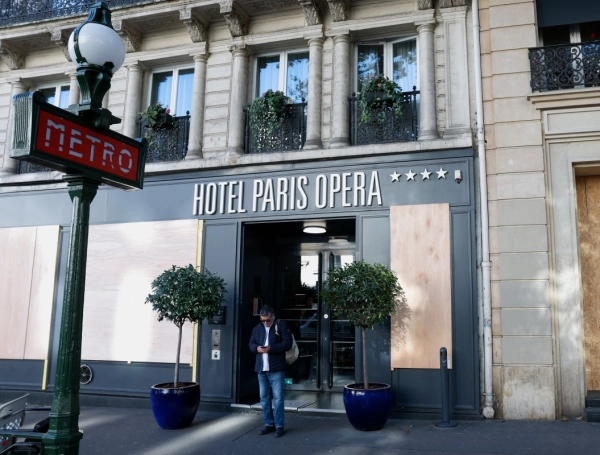
During this initial mobilization, demonstrators and embedded extremist factions targeted public infrastructure. Municipal buildings were set ablaze, and thousands of commercial establishments in high-end shopping districts were ransacked and looted. The sheer scale of the destruction caught security forces off-guard, revealing a dangerous intelligence gap regarding the speed at which urban violence could be organized via social media platforms.
Crowd estimates varied starkly, as is customary in France: police reported approximately 550,000 participants nationwide, while the CGT union claimed an impressive turnout of 800,000. Regardless of the exact numbers, the impact was profound, leaving millions of euros in property damage and exposing deep vulnerabilities in France’s public security strategy.
The Response and Shift in Tactic: October 24
In response to the catastrophic events of October 17, the Ministry of the Interior drastically overhauled its operational blueprint. For the second mobilization on October 24, the state implemented a heavily reinforced police presence.
While the turnout remained high—drawing between 410,000 (police estimates) and 800,000 (union estimates) people—the character of the protests shifted. By restricting march routes away from vulnerable city centers and into peripheral zones, law enforcement successfully maintained a predominantly peaceful atmosphere. Although isolated clashes still occurred, the massive destruction of October 17 was successfully avoided, proving that spatial containment could mitigate systemic violence.
The Present Brink: The Battle for October 31
As France approaches this Saturday, October 31, tensions have reached a fever pitch. The convergence of widespread social discontent, the historical volatility of Saturday protests, and the cultural distractions of Halloween have created a volatile cocktail.
Minister of the Interior Laurent Nuñez warned the public on Thursday that intelligence channels had detected "numerous calls to commit looting" spread across digital networks. Consequently, the government has refused to back down from its strict containment policy, insisting that while demonstrations remain legally authorized, they must once again be relegated to the outskirts of major cities rather than historic downtown corridors.
Supporting Data: Numbers Behind the Crisis
Understanding the magnitude of the French crisis requires looking closely at the quantitative data driving both the protests and the state’s reaction:
- 70,000: The unprecedented number of police officers and gendarmes deployed nationwide for this Saturday’s mobilization. This massive force includes specialized anti-riot units (CRS), gendarmerie squadrons, and plainclothes intelligence operatives tasked with identifying agitators before they can instigate violence.
- 550,000 to 800,000: The estimated range of participants during the initial October 17 mobilization, illustrating the massive scale of public dissatisfaction. Police figures consistently lean lower, focusing on confirmed visual headcounts, while union tallies incorporate peripheral participants and supporters along transit routes.
- 410,000 to 800,000: The turnout figures recorded during the October 24 marches, demonstrating that public participation remained exceptionally high despite the violence of the week prior and the state’s deterrence messaging.
- Three Weeks: The compressed timeframe in which this intense cycle of national mobilization has unfolded, highlighting the rapid deterioration of social peace and the urgency felt by protest organizers.
- Thousands: The approximate number of commercial storefronts, public facilities, and small businesses affected by vandalism, arson, and looting during the October 17 riots, leading to severe economic losses for urban merchants.
Official Responses and Political Fallout
The Minister’s Mea Culpa and Political Survival
The fallout from the October 17 riots reached the highest echelons of the French government. Confronted with the undeniable loss of control in major cities, Minister of the Interior Laurent Nuñez took the rare step of publicly acknowledging operational failures. In an unprecedented political maneuver, Nuñez offered his resignation to President Emmanuel Macron.
However, in a decision that underscored the fragility of the administration, President Macron rejected the resignation. Retaining Nuñez was viewed as a calculated gamble to maintain continuity within the security apparatus during an active national crisis, signaling that the government preferred to reform its tactics on the fly rather than risk a disruptive leadership vacuum at the Ministry of the Interior.
The Judicial Battle Over Paris Routes
As the clock ticked down toward Saturday, a fierce legal battle erupted between the state and protest organizers over the precise geography of the Paris march.

The CGT union, alongside representatives of the gilets jaunes, challenged the government’s blanket ban on downtown demonstrations, taking their case to the Administrative Tribunal. In a surprising development, the court ruled in favor of the organizers, authorizing the procession to march through the historic and symbolically potent Place de la Bastille.
Minister Nuñez reacted swiftly, announcing an immediate appeal on behalf of the state to protect public order. Speaking to reporters, Nuñez defended the government’s stance within the framework of the rule of law:

"We are in a State of law. We are going to appeal because, if we suspended this cortege, it is because there were damages, enormous destructions that were committed on October 17, and widespread looting."
With the administrative court’s decision contested, the ultimate authority fell to the Conseil d’État (Council of State)—France’s highest administrative court—which faced the daunting task of issuing a definitive, binding ruling late Friday night.

Implications: The Long-Term Threat to French Democracy
The ongoing crisis in France extends far beyond a temporary dispute over inflation and purchasing power; it represents a stress test for the country’s democratic institutions and its social contract.
Economic Aftershocks
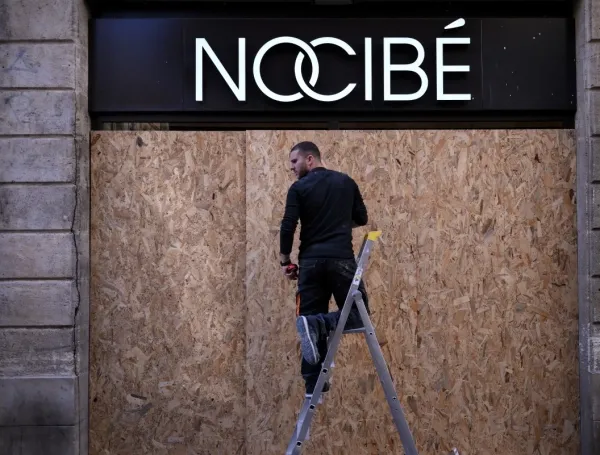
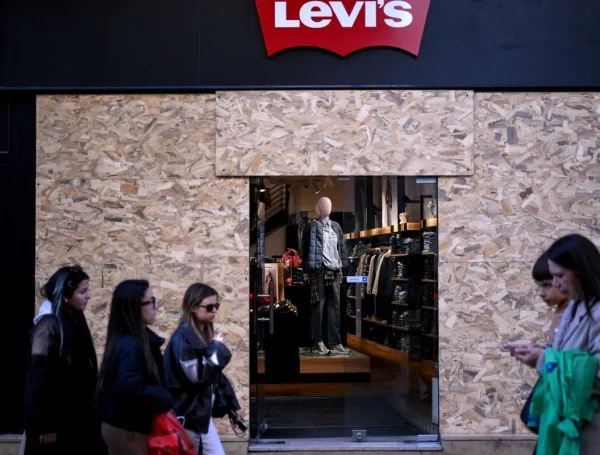
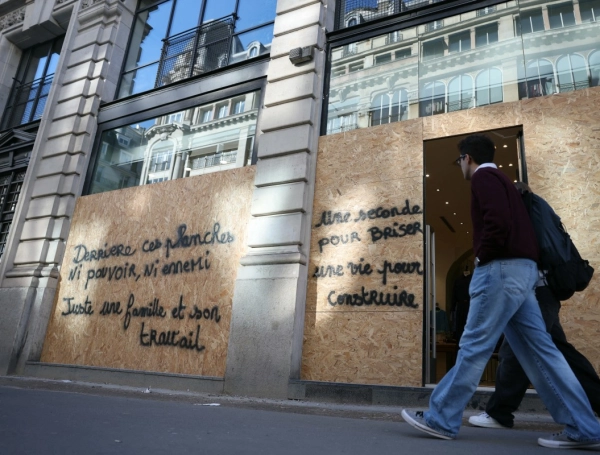
The persistent cycle of Saturday riots is devastating urban economies. Small and medium-sized business owners, already suffering from high energy costs and stagnant consumer spending due to inflation, now face the compounded trauma of boarded-up storefronts, insurance cancellations, and lost weekend revenues. Tourism, a vital pillar of the French economy, is also taking a direct hit as international travelers reconsider visits to major cities wrapped in barbed wire and patrolled by heavy-duty security forces.

The Crisis of Representation
The alliance between traditional trade unions like the CGT and decentralized, populist movements like the gilets jaunes highlights a profound disconnect between the governed and the governing class. Traditional political channels appear increasingly incapable of absorbing or resolving public anger. When peaceful avenues of dissent are repeatedly overshadowed by systemic violence, citizens grow disillusioned with democratic institutions, creating fertile ground for radical political polarization from both the extreme left and the extreme right.
The Security Dilemma
France finds itself trapped in a difficult security dilemma. On one hand, a heavy-handed police presence, restrictions on assembly routes, and mass deployments of security forces are necessary to protect property and human life from violent fringe elements. On the other hand, these very tactics risk alienating peaceful protesters, stoking accusations of authoritarian overreach, and escalating street-level tensions into direct confrontations with law enforcement.

As the sun rises over a heavily fortified Paris and cities nationwide this Saturday, the French government remains locked in a high-stakes balancing act: attempting to preserve public safety and the rule of law while struggling to address the deep, systemic economic anxieties of a restless nation.
For ongoing updates on international news and developing stories from Europe, follow EL TIEMPO’s global desk across digital platforms and subscribe to our weekly international newsletter.