The decision by Deportivo Pasto to field a youth squad in the final stages of the Liga BetPlay 2026-II has ignited a firestorm, raising profound questions about financial stability, the integrity of the tournament, and the future of player relations in Colombian professional sports.
Executive Summary: A Breach of Competitive Integrity
In a move that has sent shockwaves through the Colombian football landscape, the board of directors of Deportivo Pasto made the unprecedented decision to bench their professional squad in favor of their Under-20 team for the penultimate and final dates of the Liga BetPlay 2026-II. This drastic measure follows an industrial action taken by the professional players, who initiated a work stoppage in protest against persistent delays in salary payments.
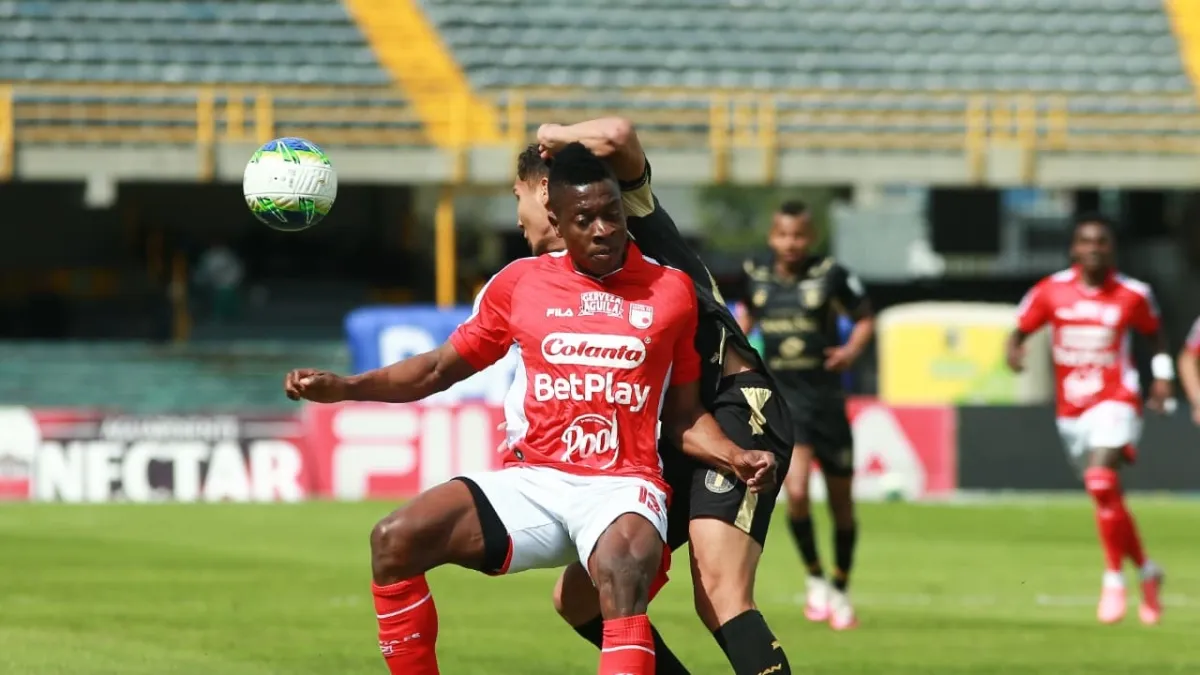
The club’s leadership, headed by President Roberto Castro, has publicly labeled the players’ refusal to train and compete as an "irregular" action. The conflict culminated in a demoralizing 5-0 defeat against Independiente Santa Fe at the iconic El Campín stadium in Bogotá—a result that inadvertently handed Santa Fe a ticket to the tournament’s semifinal quadrangulars. The decision has drawn scathing criticism from fans, pundits, and the players’ union, Acolfutpro, who view the event as a "historic ridicule" that compromises the credibility of the entire league.
Chronology of a Crisis: From Financial Strain to Institutional Collapse
To understand how a professional football club reached the point of fielding a youth team in a high-stakes professional match, one must examine the timeline of the 2026-II season.

The Buildup
The friction between the Deportivo Pasto administration and its squad began to intensify in early November. With the 2026-II season approaching its conclusion, financial obligations became a point of contention. According to official statements from the club, the administration was managing a one-month salary arrearage as of November 5, 2026.
The Confrontation
On the night of Thursday, November 5, the club’s leadership held an emergency meeting with the captains of the professional squad. During this dialogue, the board presented a payment schedule and urged the players to continue fulfilling their contractual obligations for the final two matches of the tournament. Despite these promises, the players—having experienced previous financial instability—opted to cease activities, effectively declaring a strike.

The Breaking Point
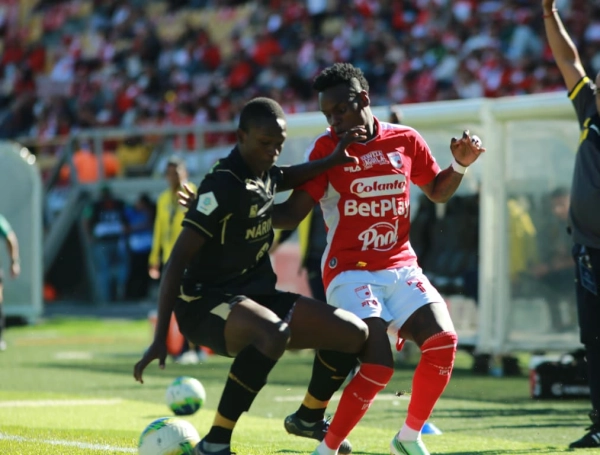
By the weekend, the deadlock was absolute. Rather than reaching a reconciliation, the club decided to bypass the professional squad entirely. On Sunday, November 8, a group of Under-20 players took to the pitch at El Campín to face a seasoned Santa Fe side. The outcome was predictable: a 5-0 drubbing that exposed the vast chasm between professional and amateur preparation, casting a shadow of doubt over the legitimacy of the match’s outcome.
Official Responses: The Battle of Narratives
The conflict has produced two starkly different interpretations of the events.
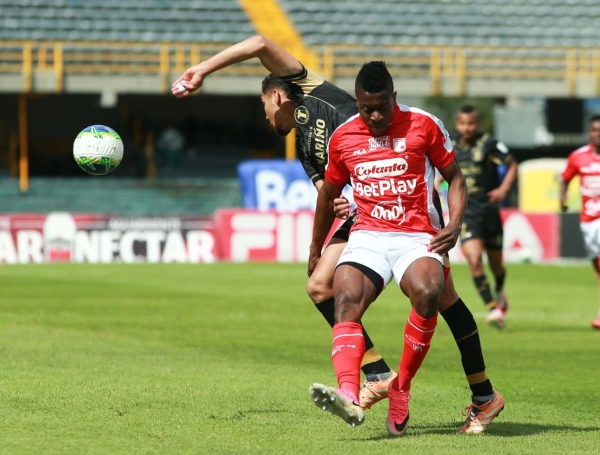
The Club’s Position: "Institutional Responsibility"
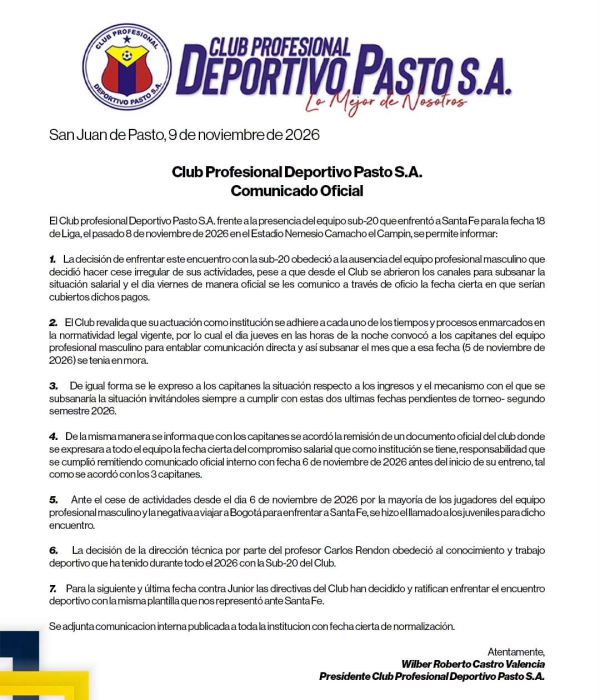
President Roberto Castro has maintained a stance of rigid adherence to legal and administrative protocols. In a series of official communiqués, the club emphasized that they had communicated a specific date for salary disbursements—Friday, November 13—to all staff members.
"The Club revalidates that its actions as an institution adhere to every timeline and process framed within current legal regulations," Castro stated. The club argues that the players’ strike was premature and "irregular," asserting that the administration had already established clear channels to resolve the arrears. By choosing to strike despite the promise of payment on the 13th, the club claims the players violated their professional duties.
The Players’ Union (Acolfutpro) and Public Outcry
The reaction from the Association of Colombian Professional Footballers (Acolfutpro) was swift and condemnatory. The union described the scene at El Campín as a "boisterous spectacle" that dragged the reputation of Colombian football through the mud.
For the union, the core issue is not just the delay in payment, but the normalization of financial precariousness. Acolfutpro argues that forcing youth players into a professional environment under these circumstances is a form of exploitation and a violation of the spirit of fair play. "It is a historic ridicule that leaves the seriousness of professional football on the floor," the union stated in a blistering press release.
The Broader Implications for Colombian Football
The incident at El Campín is not merely an isolated case of management-labor strife; it is a symptom of systemic issues plaguing the Liga BetPlay.
1. The Question of "Equal Opportunity"
The integrity of a professional tournament relies on the premise that every team is competing under the same conditions. When a club opts to replace a professional squad with teenagers, the "sporting equality" of the tournament is broken. Teams that were competing with Santa Fe for a spot in the playoffs have legitimate grounds for grievance, as the 5-0 scoreline significantly boosted Santa Fe’s goal difference, potentially altering the final standings of the quadrangulars.

2. Financial Sustainability and Governance
This crisis raises uncomfortable questions for the Dimayor (the governing body of professional football in Colombia). How are clubs allowed to reach a state of financial instability where they cannot meet payroll for professional athletes? Critics argue that the current oversight mechanisms are insufficient to protect the rights of the players or the interests of the fans, who are ultimately the ones paying for tickets to see a "professional" product.
3. Impact on Youth Development
While the Under-20 players received an unexpected opportunity to play in a major stadium, many observers question the ethics of using these youngsters as pawns in a labor dispute. Exposing 18- and 19-year-olds to a professional match they are physically and tactically ill-equipped to handle could be detrimental to their development and mental well-being, effectively throwing them into the "lion’s den" to cover for institutional failures.

Looking Forward: The Final Stretch and Beyond
As of November 9, 2026, Deportivo Pasto has confirmed that the final match of the "all-against-all" phase against Junior de Barranquilla will also be contested by the youth squad. This decision guarantees that the controversy will continue to simmer until the very end of the regular season.
The Path to Resolution
The resolution of this crisis will likely require intervention beyond the internal management of Deportivo Pasto. Legal experts suggest that the labor dispute could move to the Ministry of Labor, while the sporting implications will be debated in the offices of the Dimayor. The question remains: will there be sanctions for the club, or will this be dismissed as a regrettable, yet legally permissible, consequence of internal management?

The Damage to the Brand
The brand of Colombian football, which has worked hard to gain international respect, faces a significant setback. International observers and sponsors rarely look kindly upon leagues where professional matches are treated as secondary to payroll disputes. The images of a clearly outmatched youth team struggling against a professional giant are being circulated globally, serving as a cautionary tale about the importance of sound financial management in professional sports.
Conclusion
The crisis at Deportivo Pasto serves as a stark reminder that professional football is as much a business as it is a sport. When the business side fails—specifically the fulfillment of financial contracts—the sport suffers a collateral blow that can take years to repair.

Whether this incident leads to stricter financial regulations for clubs, a stronger collective bargaining agreement for players, or simply fades into the annals of "infamous moments" in Colombian football history remains to be seen. What is clear is that the fans, the youth players, and the integrity of the Liga BetPlay have all paid a price for a dispute that should never have reached the pitch.
As the final match against Junior approaches, the footballing community in Colombia holds its collective breath, hoping that the beautiful game does not find itself in such a position again. The "irregular" cese of activities has been more than a strike; it has been a mirror held up to the face of the sport, reflecting a reality that many in the industry would prefer to ignore. The path forward must prioritize transparency, financial responsibility, and, above all, respect for the professional athletes who make the game possible.