By Edwin Caicedo | Environmental and Health Journalist
Published: November 10, 2026
Main Facts
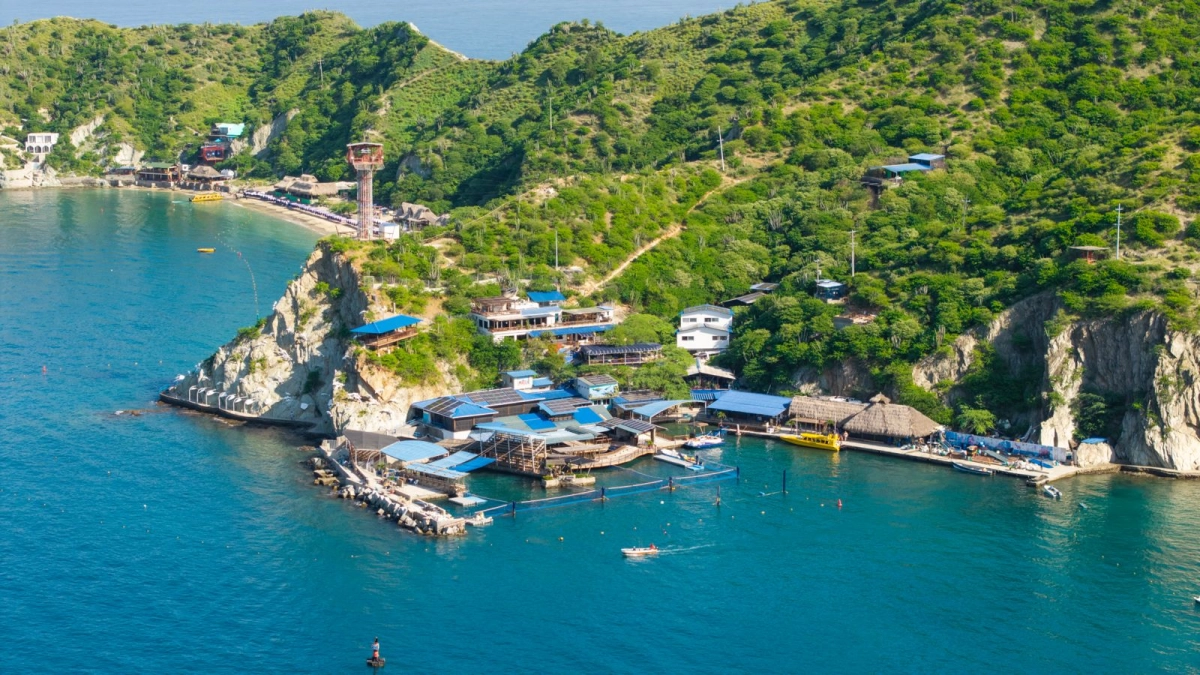
The Center for Marine Life in Santa Marta (Centro de Vida Marina de Santa Marta), a historic institution in the Colombian Caribbean, has officially received the international accreditation of the Latin American Association of Zoos and Aquariums (ALPZA). This major distinction highlights the facility’s rigorous compliance with the highest global standards in animal welfare, biodiversity conservation, scientific research, environmental education, and operational sustainability.
The recognition—valid for a five-year period—elevates the institution to an elite tier of Latin American organizations that have proven their commitment to world-class ecological and zoological practices. Founded originally in 1965 as the iconic Acuario El Rodadero by Captain Francisco Ospina Navia, the center has undergone a profound structural and philosophical transformation over the decades. Today, it operates not merely as an exhibition space, but as a dedicated sanctuary and research hub focused on marine fauna rehabilitation, coral reef restoration, and public ecological awareness.
Achieving this credential required passing a meticulous, multi-tiered evaluation process. ALPZA’s expert panels scrutinized the institution’s technical, scientific, administrative, and operational protocols. Rather than a simple paid membership, this credential serves as a hard-earned validation of the center’s daily impact on the marine ecosystems of the Colombian Caribbean and its alignment with international benchmarks.

Chronology: Six Decades of Evolution
The journey of the Center for Marine Life spans more than sixty years, tracing a path from a regional tourist attraction to a cornerstone of Colombian marine science and conservation.
- 1965 (The Foundation): Captain Francisco Ospina Navia founds the Acuario El Rodadero in Santa Marta. From its inception, the location serves as a vital bridge connecting generations of Colombians and international visitors with the rich and diverse marine life of the Caribbean Sea.
- Decades of Growth (1970s–2010s): Over the years, the institution gradually shifts its focus away from purely recreational display. It embraces a mission centered on environmental education, building alliances with regional authorities, and establishing early protocols for studying marine life.
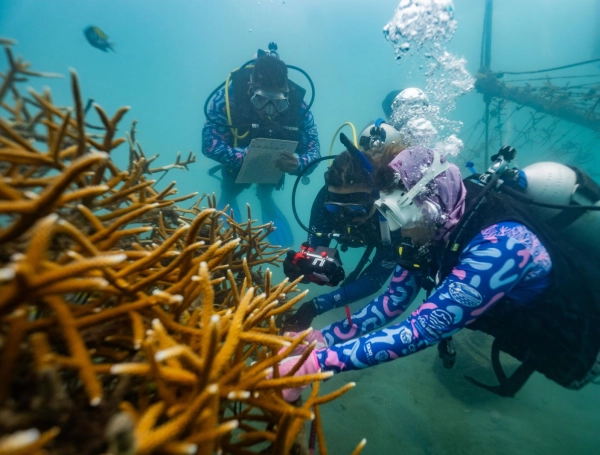
- 2020 (The Modern Era and Strategic Partnerships): The center undergoes a major evolution into a comprehensive marine sanctuary. It establishes the nation’s premier Marine Fauna Rescue Center through strategic alliances with the Autonomous Regional Corporation of Magdalena (Corpamag) and the CIM Caribe Foundation. Simultaneously, a massive coral restoration initiative is launched in the bay of Inca Inca.
- 2020–2026 (Milestones in Rescue and Restoration): During this six-year window, the center achieves remarkable ecological milestones, successfully rescuing 921 marine animals and reintegrating 868 back into their natural ocean habitats. In the same timeframe, the Inca Inca Coral Garden scales up its operations, ultimately transplanting roughly 90,000 corals and seeding 220,000 coral fragments.
- November 2026 (ALPZA Accreditation): Following a rigorous auditing process, ALPZA officially grants the institution its international accreditation. The recognition cements Santa Marta’s position as a rising regional leader in biodiversity conservation and sustainable marine management.
Supporting Data and Conservation Metrics
The validity of the ALPZA accreditation is heavily backed by measurable, quantifiable impacts on the ground and in the water. The Center for Marine Life stands out in Colombia through two primary operational pillars: fauna rehabilitation and coral reef restoration.

Marine Fauna Rescue and Rehabilitation
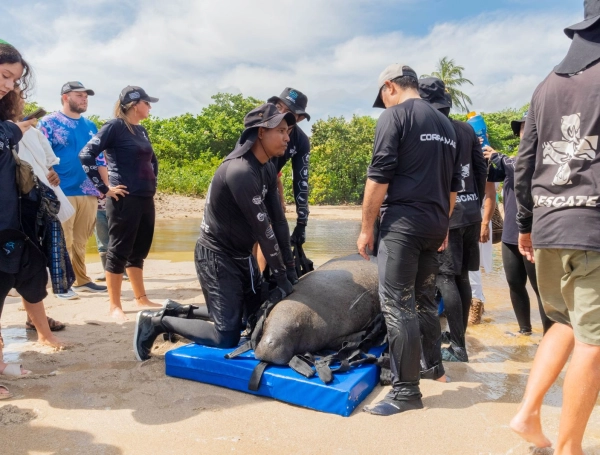
Operating as the country’s sole dedicated Marine Fauna Rescue Center in close coordination with Corpamag and the CIM Caribe Foundation, the institution handles high-stakes wildlife emergencies along the Caribbean coast.
- Total Rescues (2020–Present): 921 marine specimens have been brought into the facility for specialized medical care, nutritional support, and behavioral rehabilitation.
- Successful Releases: 868 animals have been fully rehabilitated and successfully returned to the wild—a testament to the high standard of veterinary care and rehabilitation protocols that directly satisfied ALPZA’s stringent animal welfare criteria.
The Inca Inca Coral Restoration Program
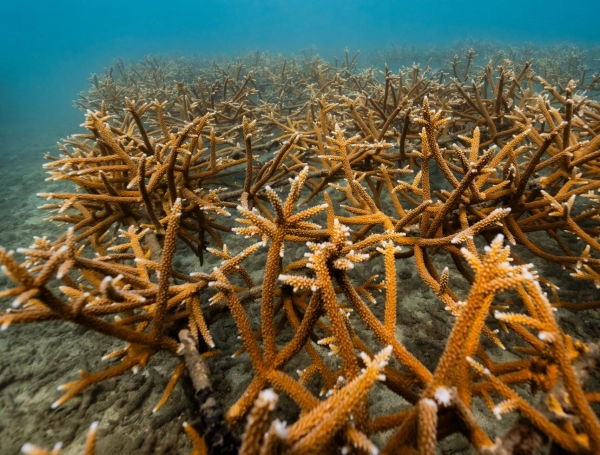
Coral reefs are among the most vulnerable and vital ecosystems on the planet, acting as nurseries for marine life and natural barriers against coastal erosion. The center’s restoration project in the bay of Inca Inca has emerged as one of the most proactive marine gardening initiatives in the region.
- Coral Transplants: Nearly 90,000 adult and nursery-grown corals have been successfully transplanted into degraded reef zones.
- Fragment Seeding: A staggering 220,000 coral fragments have been strategically planted to accelerate reef recovery.
- Additional Recognition: The Inca Inca Coral Garden holds its own distinct ALPZA certification as a recognized conservation project, reinforcing the multi-layered environmental value of the center’s work.
Official Responses and Perspectives
The achievement of this international standard has drawn praise from institutional leaders, who view the milestone as both a personal triumph for the staff and a collective victory for the nation.
Juan Carlos Ospina, director of the Center for Marine Life, emphasized the emotional and historical weight of the recognition during his official address.
"This is one of the most important moments in our history," stated Ospina. "It represents more than sixty years of work, of continuous learning, and of a profound, abiding love for the sea. Receiving this accreditation fills us with immense pride because it honors the tireless effort of many generations who have dedicated their lives to animal welfare and conservation."
Ospina underscored that the award transcends the physical boundaries of the facility, positioning the entire region of Santa Marta and the Magdalena department on the international scientific map.
"This is also a recognition for Santa Marta, for Magdalena, and for all of Colombia," Ospina added. "Today, we demonstrate that from our Caribbean, we can execute our work with absolute excellence and make meaningful contributions to the protection of biodiversity across all of Latin America."
Implications for the Future
Securing the ALPZA accreditation is not merely an honorary badge; it unlocks transformative opportunities and presents new strategic challenges for the Center for Marine Life over the next five years.
1. Enhanced Scientific Collaboration and Knowledge Exchange
By joining the exclusive network of ALPZA-accredited institutions, the center gains streamlined pathways for international cooperation. This includes opportunities for specialized staff training, joint scientific research projects, and data-sharing agreements with leading zoos, aquariums, and conservation institutes across Latin America. These partnerships will inject advanced methodologies into the center’s ongoing rescue and restoration workflows.
2. Validation of Regional Conservation Models
For decades, major global conservation dialogues have often centered on large continental reserves or state-backed Amazonian projects. This accreditation demonstrates that regional, community-linked coastal initiatives in places like Santa Marta can achieve and surpass international operational benchmarks. It serves as a compelling blueprint for other decentralized marine projects throughout the wider Caribbean basin.
3. Ongoing Challenges and Sustainability
While the five-year validity of the accreditation provides a stable horizon, it also imposes an obligation of continuous improvement. The center must persistently uphold and elevate its administrative, scientific, and animal care standards to secure renewal when the current term expires. Furthermore, as coastal pressures, climate change, and marine pollution continue to threaten Caribbean habitats, the institution faces the ongoing task of scaling its rescue operations and expanding its educational outreach to local communities and tourists alike.
Through a blend of historical resilience, rigorous scientific protocols, and community-driven ecological action, the Center for Marine Life of Santa Marta has proven that local dedication can yield global-scale conservation results.