By Edwin Caicedo, Environment and Health Journalist
November 10, 2026
Colombia is currently grappling with a severe and widespread atmospheric phenomenon characterized by exceptionally high temperatures. Recent data released by the Institute of Hydrology, Meteorology and Environmental Studies (Ideam) reveals that the nation’s climate is experiencing a significant disruption, with 17 different meteorological stations recording temperatures that have surpassed their historical maximums for the month of November.

The intensity of this heatwave, which reached a critical point on November 9, has raised alarms among climatologists and public health officials alike. As the country navigates this period of extreme thermal stress, the data provides a sobering look at how climate variability is increasingly impacting diverse geographic regions, from the Caribbean coast to the Andean highlands.
The Epicenter: A New Record in Natagaima
The most striking evidence of this anomaly occurred in the municipality of Natagaima, located in the department of Tolima. In the last 24 hours, local weather stations registered a staggering 41.2°C (106.16°F). This figure is not merely high; it is historic, officially eclipsing the previous record of 40.0°C for the month of November.

This 1.2-degree surge beyond previous maximums is a significant statistical deviation for a single month. Natagaima, often cited as one of the hottest municipalities in Colombia, has now set a benchmark that underscores the severity of the current weather pattern. The local environment, already accustomed to high heat, is being pushed to its physical limit, affecting everything from local agriculture to the daily life and health of its residents.
Chronology of the Thermal Event
The records broken on November 9 were not isolated incidents but part of a broader atmospheric trend observed over the preceding days.

- Early November (Nov 1–5): Initial reports from the Ideam indicated a gradual increase in average temperatures across the Magdalena River valley and the Caribbean plains. Monitoring stations began flagging temperatures consistently above the seasonal average.
- November 6–8: The heat began to intensify, spreading from the interior of the country towards the northern coastal regions. During this period, the Ideam began to warn that the conditions were not merely "hot weather" but a deviation from established climatic norms for this time of year.
- November 9 (The Peak): The situation reached a critical juncture. A total of 17 stations across the national territory reported that they had shattered their historical monthly maximums. The data collection, verified by the Ideam’s sophisticated network of sensors, confirmed that the heat was pervasive rather than localized.
- Current Status (November 10): Official reports continue to monitor the situation. While some areas have seen minor fluctuations, the overall trend remains elevated, and the alert level for heat-related risks remains high.
A Geographic Breakdown of the Records
The phenomenon is characterized by its wide reach. While Tolima saw the highest absolute temperature, the impact was felt in various departments including Valle del Cauca, Chocó, Quindío, Bolívar, Cesar, Huila, La Guajira, and Norte de Santander.
Key Data Points:
- Villavieja (Huila): Recorded 39.4°C, a blistering temperature that tests the resilience of the local ecosystem.
- Pailitas (Cesar): Reached 38.6°C, reflecting the heatwave’s grip on the northern departments.
- San José de Cúcuta (Norte de Santander): Reported 37.8°C, a city historically known for its heat but currently seeing numbers that exceed its established monthly ceilings.
- Neiva (Huila): Experienced 36.8°C, contributing to the intense heat dome forming over the central-south region.
- El Guamo (Bolívar): Registered 36.6°C, showing that the Caribbean interior is also suffering from this sustained thermal spike.
The diversity of the locations—ranging from the humid, jungle-adjacent climate of Quibdó (Chocó) to the dry, arid conditions of La Guajira—suggests that this is a systemic atmospheric event rather than a localized meteorological quirk.
Official Response and Scientific Analysis
The Ideam has acted as the primary authority in tracking this event, utilizing its national network of meteorological stations to provide real-time updates. According to the institute’s technical teams, these records are derived from preliminary data analysis of the last 24 hours.
"We are witnessing a persistent atmospheric pattern that is preventing the normal cooling cycles usually expected in November," noted an Ideam spokesperson. The institute has emphasized that while these figures are currently classified as "preliminary," the consistency across 17 different stations confirms the reliability of the trend.

The agency is currently engaged in a comprehensive review of the data to understand the underlying causes of this surge. While El Niño and La Niña cycles are typically blamed for Colombian climate fluctuations, the severity of these record-breaking temperatures points toward the influence of broader global warming trends and localized pressure systems that have locked the heat in place over the Andean and Caribbean regions.
The Human and Ecological Implications
The consequences of such sustained heat are multi-faceted.

Public Health Risks
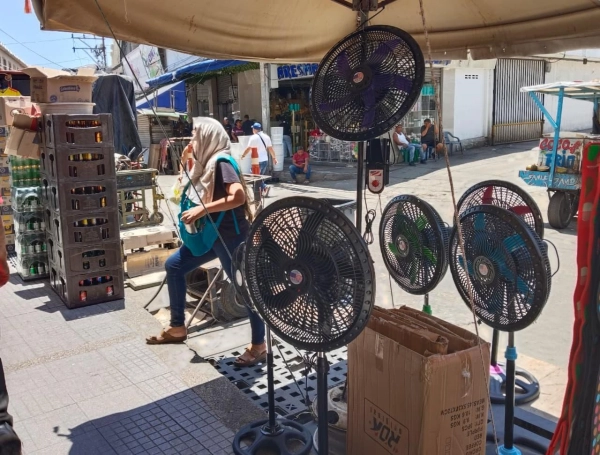
Health authorities are concerned about the increase in heat-related illnesses. The spike in temperatures, particularly in regions not equipped for extreme heat, poses a direct risk of dehydration, heat exhaustion, and heatstroke, especially among vulnerable populations such as the elderly and children. In cities like Barranquilla, reports indicate a significant spike in the sale of cooling appliances like fans and air conditioning units, as citizens struggle to adapt to the rising indoor temperatures.
Agricultural Impact
For the agricultural sector, these temperatures are detrimental. Crops in Tolima and Huila, which are already struggling with water management, face increased evapotranspiration rates. This reduces soil moisture and puts added pressure on irrigation systems, which are currently being stretched thin to keep up with the demands of a changing climate.

Energy Consumption
As the population attempts to mitigate the heat, there is a subsequent, sharp increase in energy consumption. The power grid in several regions has faced increased load as residential and commercial cooling systems operate at maximum capacity, raising concerns about potential grid stress if the heatwave continues.
Looking Ahead: The Forecast for the Coming Days
The Ideam’s outlook remains cautious. According to their latest technical bulletin, the conditions that triggered this heatwave are expected to persist for the coming days. The atmosphere shows little sign of significant cooling, and the institute has advised that the "episode of high temperatures" is far from over.

Citizens are being urged to:
- Stay Hydrated: Increase water intake regardless of thirst levels.
- Limit Outdoor Exposure: Avoid strenuous activities between 10:00 A.M. and 4:00 P.M. when solar radiation is at its peak.
- Monitor Official Channels: Follow the Ideam’s daily updates to receive real-time warnings about heat-related hazards.
- Protect Vulnerable Groups: Check on elderly neighbors and ensure that pets have access to shade and water.
As the country waits for the next update from the meteorologists, the 17 records broken on November 9 serve as a stark reminder of the shifting climate reality. The challenge for Colombia in the coming days will be not only to endure the current heat but to develop the adaptive capacity needed to handle a future where such extreme events may become the new standard.
The journalistic commitment to reporting these changes remains vital. As these temperatures continue to rise, the documentation of every degree serves as a crucial data point in the ongoing effort to understand and combat the effects of a warming world.
For more information on climate updates, please consult the official Ideam website or follow their daily reports on social media platforms.