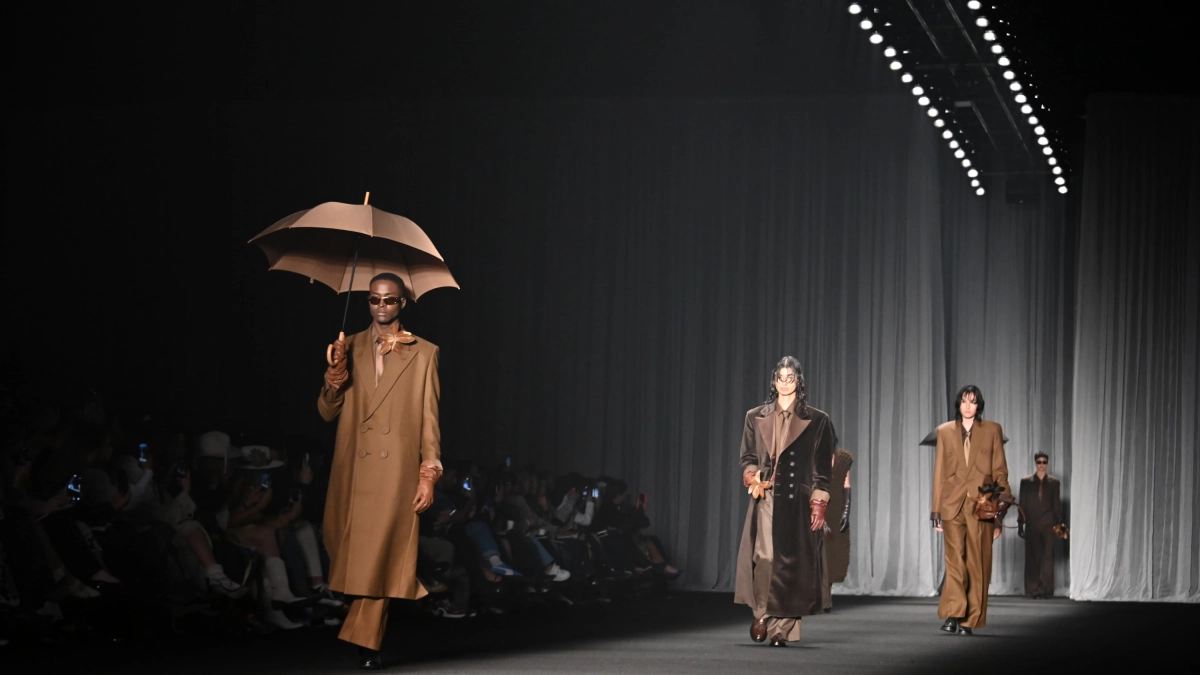
BOGOTÁ — The Colombian capital has officially transformed into a vibrant, living runway. Running through November 22, the third edition of the Bogotá Fashion Weekend has taken over the city’s most emblematic commercial and cultural districts. Bringing together an impressive 715 brands, the massive event successfully bridges the gap between high-end design, commercial accessibility, and grassroots community engagement.
From exclusive pop-up shops and interactive design workshops to sustainable upcycling initiatives and grand runway shows, this year’s festival proves that Bogotá is not merely a consumer of fashion, but a thriving, globally competitive epicentre of Latin American design, identity, and resilience.
Main Facts
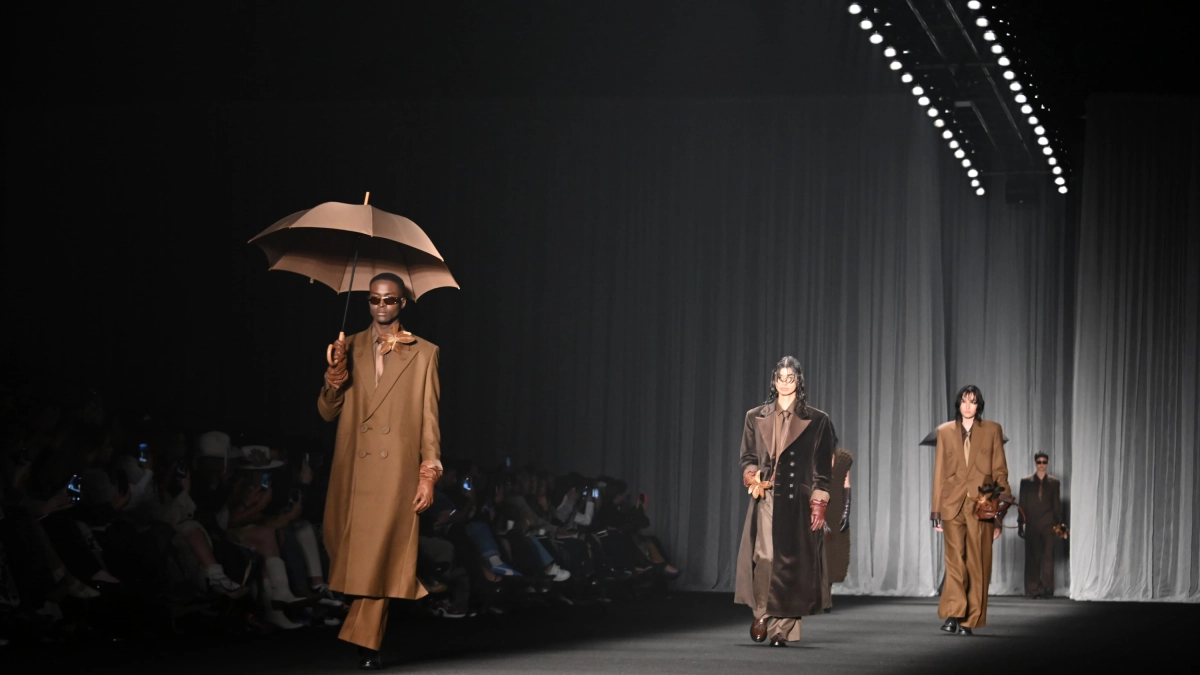
The third iteration of Bogotá Fashion Weekend marks a milestone for the local creative economy. Spanning three days of intensive cultural and commercial programming, the initiative unites 715 independent designers, established fashion houses, and emerging labels.
The event footprint spans traditional upscale enclaves—including El Nogal, Atlantis, El Retiro, La Cabrera, Quinta Camacho, Chapinero, San Felipe, Parque de la 93, Usaquén, and La Candelaria—while deliberately expanding its geographic boundaries to include high-impact commercial hubs like San Victorino, Tejido Fashion Mart, and Emprendemoda ATC.

Admission to the vast majority of Bogotá Fashion Weekend events is entirely free to the public, though select intimate gatherings, private collection launches, and masterclasses require prior invitation.
A Powerful Opening for a Greater Cause
Setting a deeply compassionate tone for the weekend, the opening day was anchored by “La Colección Solidaria” (The Solidarity Collection). This special collaborative initiative brought together 27 visionary designers who pooled their creative resources to raise funds and awareness for national reconstruction efforts following a recent earthquake. By coupling high fashion with humanitarian aid, the event underscored the industry’s commitment to social responsibility and national healing.
Chronology: A Day-by-Day Look at the Weekend’s Highlights
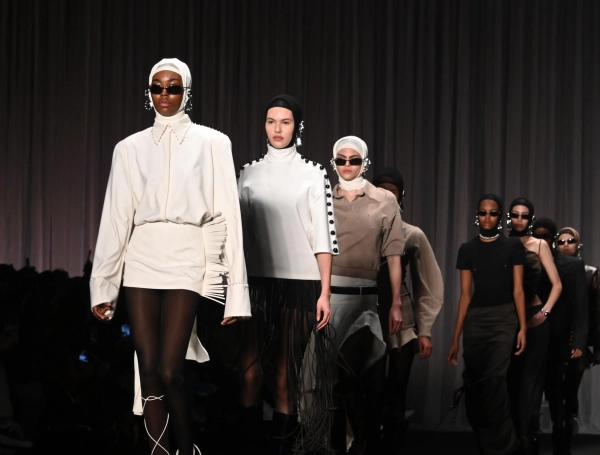
While the celebrations span multiple days, Saturday, November 21, stood out as the intellectual and creative heartbeat of the festival, featuring a meticulously curated schedule of immersive workshops, collection debuts, and critical industry panels.
Morning: Wine, Glassblowing, and Circular Fashion
The day kicked off at 10:00 a.m. with high-energy retail experiences across multiple districts:
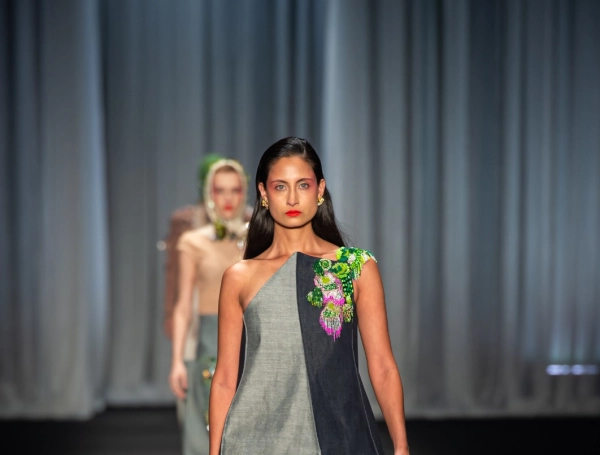
- El Nogal: Designer Ana Laverde hosted a bustling Sample Sale with Fashion & Wine at Julieta Suárez, running until 8:00 p.m. and showcasing over 26 distinct designers. Simultaneously, the Magdalena Collective officially launched its space, offering direct access to Colombian brands alongside exclusive promotional discounts.
- Craft and Craftsmanship: At Salvárea, visitors participated in a unique interactive morning session (10:00 a.m. to 2:00 p.m.) where they conceptualized and drew custom jewelry pieces designed to be transformed into delicate blown glass.
- Sustainable Crafting: From 11:00 a.m. to 12:30 p.m., designer Manuela Giraldo teamed up with the Fundación Inmensamente to host a circular fashion workshop. Participants repurposed textile scraps, converting industrial waste into children’s toys and rattles.
Midday and Afternoon: High-End Debuts and Custom Labs
As the afternoon progressed, the city’s commercial centers buzzed with avant-garde launches and personalization laboratories:
- Collection Launches: Acclaimed designer Camilo Álvarez unveiled his latest capsule collection from 2:00 p.m. to 7:00 p.m., paving the way for the brand Sixxta to present its highly anticipated new proposal, “Víspera,” later in the evening.
- Accessory Customization: At El Retiro, luxury and personalization took center stage. Lucié opened a dynamic Charm Bar allowing attendees to design custom necklaces, while Mercedes Salazar hosted an interactive jewelry-making experience where guests mixed and matched bases and charms.
- Discounts and Upcycling: Renowned designer Johanna Ortiz held her signature annual discount event at the El Retiro shopping center. Just blocks away, Daniela Salcedo hosted an experimental personalization lab featuring paint, glitter, resin, and enamel applications. In Quinta Camacho, Codes and Mercado Negro Vintage Dealer hosted intensive upcycling workshops, empowering consumers to breathe new life into discarded garments.
Evening: Urban Narratives, Literature, and Runway Grand Finales
As night fell, the focus shifted toward intellectual discourse, heritage preservation, and large-scale runway presentations:

- Villa Adelaida Conversations: Villa Adelaida served as the intellectual nexus of the festival. At midday, fashion photographer Juan Moore led the masterclass “La calle tiene algo que decir” (The Street Has Something to Say), exploring the intersections of urban identity and street style. This was followed by panels such as “Cuando la música se convierte en moda” (When Music Becomes Fashion) and “El lujo de portar nuestra raíz” (The Luxury of Wearing Our Roots), featuring Quimeras and Lina Latorre. The evening sessions culminated in a profound discussion on fashion and literature hosted by author Vanessa Rosales.
- Emprendemoda ATC Runway: At 6:00 p.m., the Escuela Arturo Tejada Cano hosted the official Emprendemoda ATC runway show. In a strategic partnership with Bogotá Fashion Week and the Center for Happiness, 37 emerging brands showcased their fresh, boundary-pushing visions to an enthusiastic audience of industry insiders and buyers.
Supporting Data & Strategic Expansion
The sheer scale of Bogotá Fashion Weekend 2026 highlights the rapid maturation of Colombia’s fashion economy. Key structural pillars of this year’s edition include:
- 715 Participating Brands: Ranging from elite heritage couture houses to hyper-local artisan collectives and independent digital-native labels.
- Geographic Inclusivity: By expanding beyond traditional luxury shopping strips into working-class and historic commercial powerhouses like San Victorino, the event actively democratizes design. The San Victorino a la Moda route—featuring operational storefront paths across the Gran San, Visto, and Punto Once commercial centers, culminating at La Milla in the Bronx Creative District—demonstrated a deliberate effort to integrate the capital’s informal and formal textile giants.
- Ancestral Preservation: Through partnerships with organizations like the Fundación Moda y Flores, dedicated zones like Tejido Fashion Mart offered specialized masterclasses preserving indigenous weaving techniques and traditional crafts passed down through generations of Colombian artisans.
Official Responses and Industry Perspectives
Organizers and local cultural leaders have emphasized that Bogotá Fashion Weekend is much more than a commercial shopping incentive; it is a vital catalyst for urban renewal and cultural diplomacy.

“Fashion in Bogotá is no longer an isolated aesthetic exercise; it is an economic engine, a platform for social cohesion, and a mirror of our cultural identity,” noted a spokesperson for the organizing committee. “When we bring 715 brands together—spanning from the high-end boutiques of El Nogal to the bustling industrial passages of San Victorino and the heritage platforms of Villa Adelaida—we are telling a unified story of a resilient, creative city that uses design to rebuild, connect, and look toward the future.”
Designers participating in initiatives like La Colección Solidaria echoed these sentiments, noting that the unprecedented challenges faced by the country over recent months have forged a tighter, more empathetic creative community. By sharing platforms, resources, and customer bases, established names and emerging talents alike have demonstrated a collaborative spirit that is rapidly defining the modern Latin American design movement.

Implications for the Future of Colombian Fashion
The resounding success of Bogotá Fashion Weekend 2026 carries profound implications for the domestic and international positioning of Colombian design:
- Economic Stimulus and Retail Innovation: By blending traditional retail markdowns with experiential marketing—such as wine-tasting sample sales, live screen-printing, and charm-bar customization—brands are successfully driving foot traffic and consumer loyalty in an increasingly competitive post-pandemic retail landscape.
- The Rise of Circularity: The heavy emphasis on upcycling, textile waste reduction, and ancestral craftsmanship signals a definitive shift in consumer values. Colombian fashion is moving away from fast-fashion dependency toward conscious, sustainable luxury that values provenance and environmental stewardship.
- Territorial Integration: Bridging the economic divide between elite districts like El Retiro and traditional manufacturing hubs like San Victorino fosters cross-pollination within the local supply chain. It proves that haute couture and mass-market commerce can coexist, learn from one another, and elevate the city’s global profile as an integrated fashion capital.
As Bogotá Fashion Weekend concludes its third edition, it leaves behind a reinvigorated retail sector, a deeply connected community of creators, and an undeniable proof of concept: Colombian fashion is innovative, socially conscious, and ready for the global stage.