
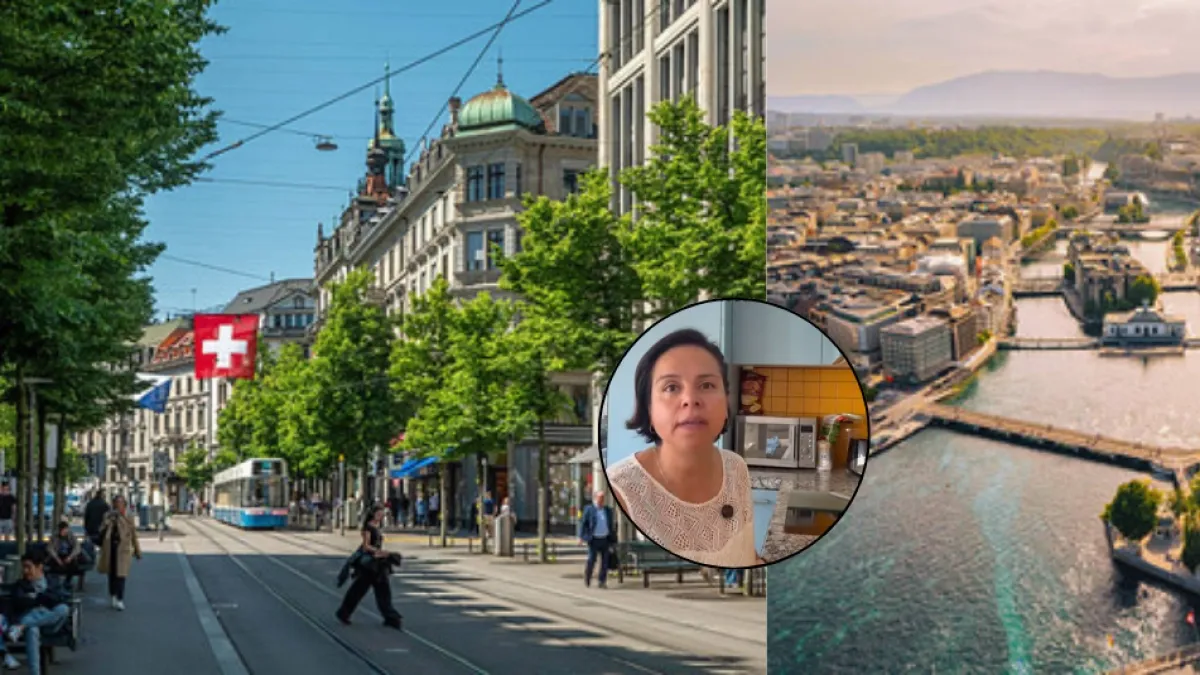
In an era of global mobility, the dream of relocating to a prosperous nation often clashes with the stark reality of local economic structures. Recently, a viral TikTok video by a Colombian content creator, known online as @marce.en.suiza, has ignited a global conversation about the massive economic disparities between Latin America and Switzerland. By highlighting the daily habits that transition from mundane to "luxury" upon crossing the Swiss border, she has provided a sobering look at what it truly costs to maintain a middle-class lifestyle in one of the world’s most expensive countries.
Main Facts: The "Luxury" of Ordinary Life
The core of the creator’s argument lies in the fundamental shift in service valuation. In many Latin American countries, domestic help, frequent dining out, and on-demand personal services are accessible components of the middle-class experience. In Switzerland, however, these services are heavily indexed to the country’s high minimum wage and cost of living.
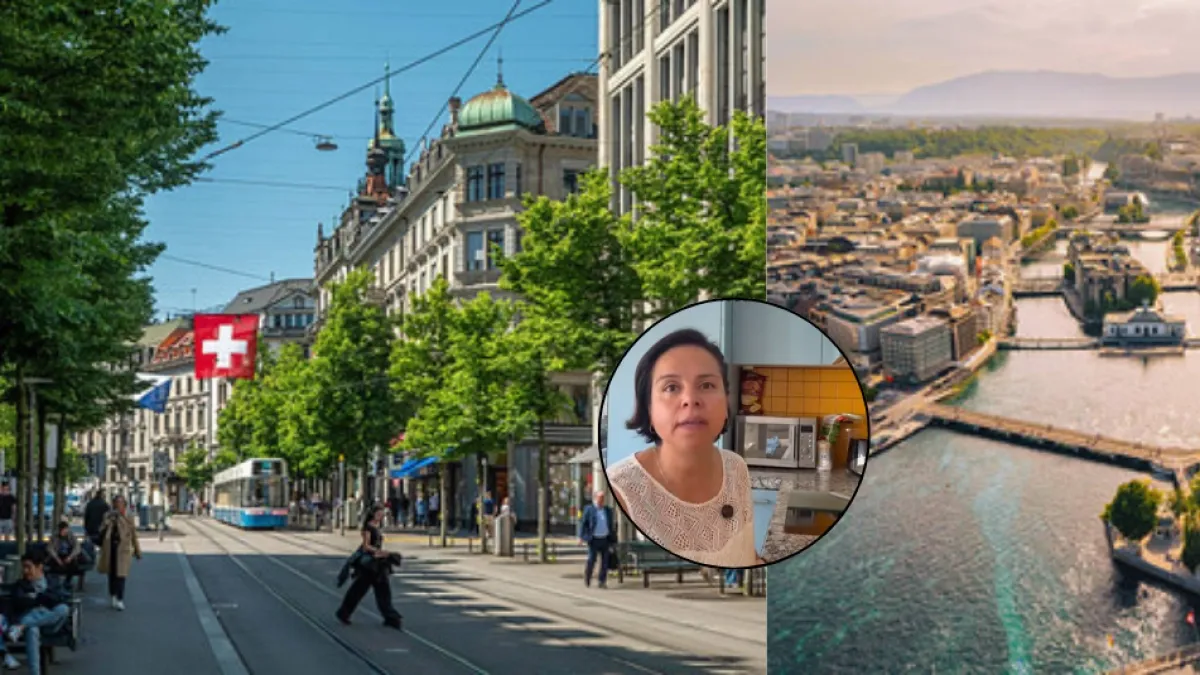
According to the creator, the list of items that become prohibitive includes:
- Domestic Assistance: Hiring a housekeeper is viewed as an exclusive luxury due to the high hourly rates required by law.
- Dining and Delivery: Frequent restaurant visits or food delivery services are discouraged by peers as a sign of poor financial management.
- Transport: The cost of personal mobility, particularly taxi services, is exorbitant. She cited a specific instance where a two-block journey cost approximately 40 Swiss Francs (roughly $157,000 COP or $37 USD).
- Childcare and Maintenance: The reliance on professional nannies or recurring home maintenance workers (gardeners, “toderos”) is rare for the average family, as these services are billed at high hourly premiums.
- Personal Care and Diet: Salon services and access to a year-round variety of fresh, non-seasonal fruits are noted as significant line items that require careful budgeting.
Chronology: The Evolution of a Viral Phenomenon
The discourse surrounding the cost of living in Switzerland has been building for years, but the recent viral surge marks a shift toward personal, anecdotal transparency.

- Pre-2026 Context: Switzerland has consistently ranked as one of the most expensive countries globally in the Mercer Cost of Living Survey. Migrant communities have long documented these challenges on social media, but the narrative often focused on high salaries rather than high expenditures.
- July 2026 (The Viral Catalyst): The video titled "Cosas que hacemos en Latinoamérica que aquí en Suiza solo lo hacen los ricos" (Things we do in Latin America that only the rich do here in Switzerland) was published. It quickly gained traction, accumulating thousands of views and sparking thousands of comments from Latin American expats.
- Public Reaction: The comment section became a digital town square where users from various nations—including Germany, the United States, and Japan—weighed in, confirming that the Swiss model of high-cost, high-service is mirrored in several other developed economies.
- Current State: The video has moved beyond simple entertainment, becoming a primary resource for prospective migrants who are now weighing the "Swiss salary" against the "Swiss lifestyle."
Supporting Data: The Economic Reality of the Alpine Nation
To understand why these services are luxuries, one must look at the macro-economic environment of the Swiss Confederation.
The Wage-Price Spiral
Switzerland maintains one of the highest median wages in the world. However, this is balanced by a high cost of living index. When a worker in Switzerland is hired to provide a service—be it cleaning, cooking, or driving—the employer is not just paying for the time; they are covering the high cost of the provider’s social security, health insurance, and the general price level of the Swiss economy.

Comparison Table: Cost Indicators (Estimates)
| Service | Latin American Context (Avg) | Swiss Context (Avg) |
|---|---|---|
| Domestic Help (Hourly) | Affordable/Standard | Premium/Luxury |
| Taxi (Short distance) | Accessible | Prohibitive |
| Dining Out | Weekly/Social habit | Occasional/Budget-heavy |
| Childcare | Often family-supported | Formalized/High-cost |
The "Seasonal" Diet Factor
One of the most interesting points raised by the content creator is the consumption of fruit. In Switzerland, agricultural protectionism and the climate mean that importing non-seasonal fruit carries a heavy price tag. This forces a shift in consumption patterns: residents adapt their diets to what is available locally and seasonally, a stark contrast to the year-round availability of tropical fruits in Latin America.
Official Responses and Expert Perspectives
While government bodies and financial institutions rarely respond to individual viral videos, the economic principles cited by the creator are backed by data from the Swiss Federal Statistical Office (FSO).

Economists often refer to the "Swiss Price Island" (Preisinsel Schweiz). The Swiss Competition Commission (COMCO) has historically investigated why prices in Switzerland are significantly higher than in neighboring European countries. The consensus is that a combination of import barriers, high land costs, and a high-wage economy creates a self-contained economic ecosystem where the purchasing power is high, but the "unit cost" of labor-intensive services is intentionally elevated to prevent the exploitation of workers.
Financial planners advise those moving to Switzerland that "lifestyle inflation" is the primary trap. New residents are often blinded by the high gross salary, failing to account for the mandatory private health insurance, high rent, and taxes that consume a larger percentage of income than in emerging economies.

Implications: The Psychological and Social Shift
The implications of these findings are profound for the migrant experience:
1. The Redefinition of "Middle Class"
The creator’s experience highlights that "middle class" is not a global standard. A professional in Bogotá might enjoy a lifestyle that includes a housekeeper and frequent dining out, while a professional with the exact same job title in Zurich might have to perform all their own chores and prepare all their meals at home to achieve the same net savings.

2. Social Isolation and Community
The shift toward meeting in rented venues rather than homes—due to strict noise regulations and limited space—alters the nature of social interaction. The warmth and informality of Latin American hospitality are replaced by a more structured, regulated, and often more expensive social life.
3. Financial Literacy for Migrants
The "critique" received by the creator from her colleagues regarding her food delivery habits serves as a cultural lesson. In Switzerland, fiscal prudence is a societal value. The transition for migrants often involves moving from a culture of "enjoying the present" to a culture of "optimizing the future."

4. The "Grass is Greener" Fallacy
Ultimately, the video serves as a cautionary tale. While the Swiss economy offers stability, safety, and high-quality infrastructure, these benefits come at the cost of the domestic luxuries that many Latin Americans take for granted. It encourages a more nuanced approach to migration, where one must weigh the trade-off between personal comfort/service and structural security/economic potential.
Conclusion
The viral success of @marce.en.suiza’s perspective on life in Switzerland is a testament to the power of cross-cultural comparison in the digital age. By demystifying the day-to-day existence in one of the world’s most affluent nations, she has provided a necessary service to those who view migration through the rose-tinted lens of salary alone.

Living in Switzerland is not merely about the paycheck; it is about adapting to a society where time and labor are the most expensive commodities. For those looking to make the move, the message is clear: success in a new land requires not just the ability to earn, but the ability to recalibrate one’s lifestyle expectations to match the local economic reality. Whether this sacrifice of daily luxuries is worth the stability of the Swiss system remains a deeply personal decision, but it is one that should be made with eyes wide open to the true cost of the "Swiss dream."