By Economic Analysis Desk
Updated: September 11, 2026
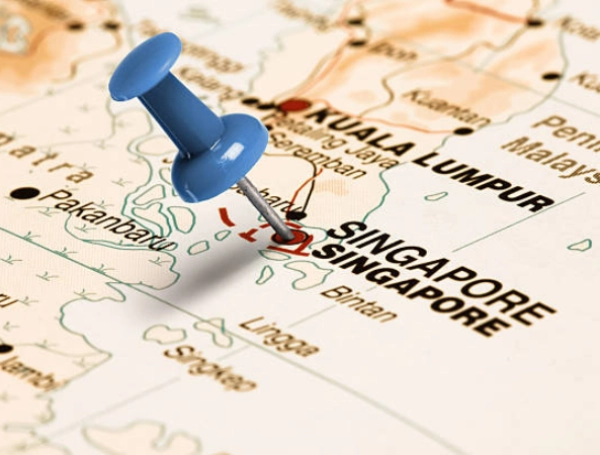
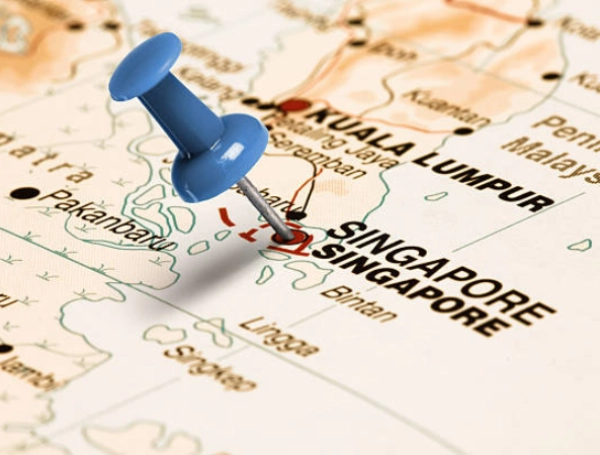
In a decisive move to reshape its international trade profile, the Colombian government has launched a high-stakes initiative to transform the nation into a strategic gateway for the Asia-Pacific region. By prioritizing the formalization of a trade agreement with Singapore—a global titan of logistics and finance—the administration aims to inject new life into the national economy, diversify its export portfolio, and attract sophisticated foreign direct investment (FDI).

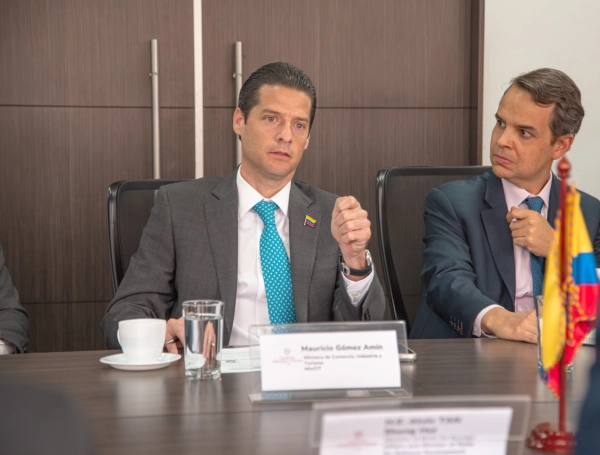
The announcement, spearheaded by the Minister of Commerce, Industry and Tourism, Mauricio Gómez Amín, follows a pivotal diplomatic and economic summit in Bogotá with Alvin Tan, Singapore’s Minister of State for Trade and Industry and Minister for Culture, Community and Youth. This meeting marked the beginning of an accelerated roadmap designed to integrate Colombia into the Pacific Alliance’s trade framework with the Asian city-state.
1. The Strategic Roadmap: Bridging Bogota and Singapore
The core of the government’s strategy is the rapid ratification of the trade agreement between the Pacific Alliance (of which Colombia is a founding member) and Singapore. While neighboring nations like Chile and Peru have already reaped the benefits of this deal, Colombia has historically lagged in the legislative process.

Minister Gómez Amín has confirmed that the administration will treat this project as a legislative priority. The roadmap involves a dual-track process: immediate presentation before the Congress of the Republic, followed by a rigorous constitutional review by the Corte Constitucional. The goal is clear: to eliminate the bureaucratic bottlenecks that have prevented Colombia from fully participating in one of the world’s most dynamic trade blocs.
"We envision a Colombia that not only participates in the global market but competes at the highest level," stated Minister Gómez Amín during a press conference following the meeting. "Singapore is the gold standard for economic transformation. Their journey from a resource-constrained nation to a global hub—driven by clear rules, high-level talent, and radical openness—is the blueprint we are studying for our own development."

2. Chronology of the Diplomatic Shift
The path to this closer relationship has been marked by a series of incremental, yet vital, milestones:
- Pre-2026 (The Foundation): Colombia, as part of the Pacific Alliance, participated in the multi-year negotiations for the Free Trade Agreement (FTA) with Singapore, recognizing the need to move beyond traditional North American and European markets.
- Early 2026 (The Diplomatic Push): Increased frequency of high-level meetings between Colombian trade representatives and Singaporean economic envoys to address concerns regarding regulatory harmonization.
- September 10, 2026 (Pre-summit Consultations): Economic teams from both nations finalized the agenda for the bilateral meeting, focusing on investment protection and sustainable finance.
- September 11, 2026 (The Landmark Summit): Ministers Gómez Amín and Alvin Tan meet in Bogotá. The Colombian government formally commits to accelerating the internal legislative process to activate the FTA, signaling a "new era" of cooperation.
3. Economic Implications: Why Singapore Matters
To understand the significance of this pivot, one must look at the sheer scale of the Singaporean economy. With a GDP per capita of approximately $98,814—among the highest in the world—and a consistent annual growth rate of 5%, Singapore serves as a critical entry point for any nation seeking to penetrate the Southeast Asian market.
A. Diversifying the Export Portfolio
Colombia’s export sector has long been over-reliant on primary commodities. By tapping into the Singaporean market, the government seeks to foster "non-traditional" exports. The Ministry of Commerce is actively identifying niche markets where Colombian agriculture, processed foods, and light manufacturing can compete.
B. The Hub Strategy
The government’s plan involves strengthening the presence of ProColombia—the national investment and export promotion agency—in Singapore. The objective is to position Colombia as the logical destination for Singaporean capital looking for an entry point into Latin America. Singapore, known for its world-class port facilities and financial infrastructure, will act as a "reverse hub," facilitating the flow of Colombian products into the broader Asian region.

C. Addressing the Tax Barrier
One of the most significant impediments to cross-border investment is the fear of double taxation. The Ministry of Commerce has signaled that it will prioritize a formal Double Taxation Agreement (DTA). By clarifying the tax liabilities of multinational firms operating in both jurisdictions, the government aims to provide the legal certainty that institutional investors demand.
4. Official Perspectives and Future Synergies
During the bilateral discussions, the synergy between the two nations extended beyond traditional trade. A significant portion of the conversation was dedicated to the future of the "green economy."
The Carbon Credit Market
Minister Alvin Tan expressed keen interest in Colombia’s vast potential as a provider of high-quality carbon credits. The two nations have agreed to initiate technical cooperation between their respective environmental agencies to structure a formal framework for carbon market integration. For Colombia, this could mean an influx of foreign investment aimed at reforestation, biodiversity preservation, and sustainable infrastructure, all while aligning with global net-zero targets.
Rule of Law and Economic Stability
Minister Gómez Amín was unequivocal regarding the domestic requirements for this plan to succeed: "We are not just asking for investment; we are building an ecosystem. Investors need to see that we have the legal stability to protect their capital. Our goal is to translate these diplomatic opportunities into concrete projects that generate jobs in our regions, from the Caribbean coast to the interior of the country."

5. Challenges and The Road Ahead
Despite the optimism surrounding the announcement, the road to implementation faces significant hurdles.
The Legislative Hurdle
The Colombian Congress remains a complex environment for economic reforms. The success of the FTA will depend on the government’s ability to build consensus across political lines, emphasizing that this is a state policy rather than a partisan one.

Global Economic Headwinds
The move comes at a time when Colombia’s export sector is under pressure. Recent reports indicate that the appreciation of the local currency, coupled with rising labor costs and shifting global demand, has placed industries like the flower sector—a vital component of the economy—under immense strain. The government hopes that by opening new, high-value markets like Singapore, it can offset some of the volatility experienced in traditional markets like the United States and the European Union.
The Need for Rigor
As noted by other experts within the Colombian government, the success of these international overtures will be measured by the ability to execute. "We must be rigorous in the numbers," noted officials recently involved in the overhaul of national corporate boards. This sentiment applies directly to the Singaporean initiative: attracting capital is only the first step; retaining it requires competitive infrastructure and an efficient logistics chain.

Conclusion: A New Horizon for Colombia
The pivot toward the Asia-Pacific is not merely a trade strategy; it is a fundamental shift in Colombia’s geopolitical and economic identity. By aligning itself with a model of efficiency, transparency, and innovation like Singapore, the current administration is betting that the future of Colombian prosperity lies across the Pacific.
As the proposal moves toward the Congress of the Republic, the eyes of the domestic business community and international investors will be fixed on the legislative proceedings. Should the agreement be ratified, it will signal to the world that Colombia is ready to move beyond its traditional economic boundaries and embrace a more global, diversified, and sustainable future.

The integration with Singapore stands as a litmus test for the government’s ability to turn high-level diplomacy into tangible, on-the-ground economic growth. In the coming months, the, details of the tax framework and the expansion of ProColombia’s footprint in Asia will be the key indicators of whether this bold strategy will yield the dividends the country so urgently requires.
For now, the message from the Ministry of Commerce is clear: the bridge to Asia is under construction, and the government is committed to ensuring it is built on a foundation of legal security and mutual economic interest.