By Raúl Andrés García Suárez
Business & Breaking News Desk
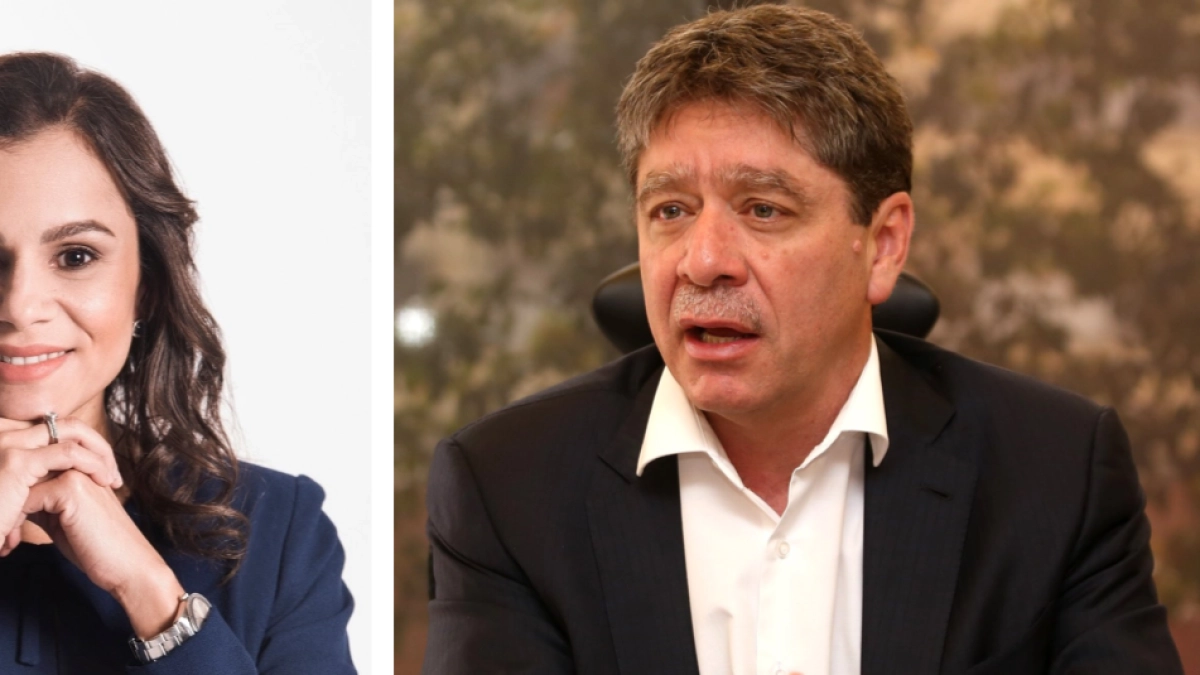
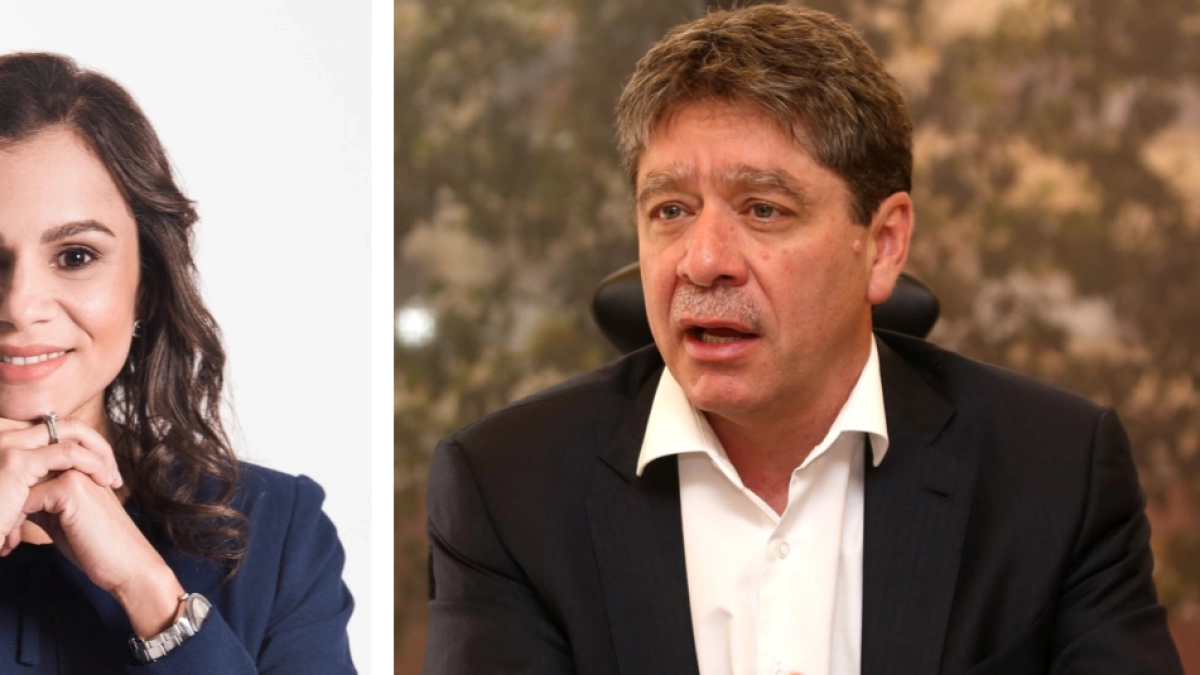
In a watershed moment for the Colombian corporate landscape, the Board of Directors of the National Association of Entrepreneurs of Colombia (ANDI) officially announced on Tuesday, November 10, 2026, the appointment of Luz Stella Murgas as its new president. This decision marks a historic turning point for the organization, which, for the first time in its 82-year history, will be led by a woman. Murgas succeeds Bruce Mac Master, a figure who helmed the influential guild for nearly 13 years, leaving behind a legacy defined by both vigorous advocacy and a high-profile departure.
The selection of Murgas, previously the head of the Colombian Natural Gas Association (Naturgas), comes at a delicate time for the Colombian economy. With industrial output currently facing stagnation and the national labor market struggling to recover momentum, the incoming president faces the daunting challenge of steering the country’s most powerful business lobby through a period of significant macroeconomic turbulence.
A Changing of the Guard: The Transition Process
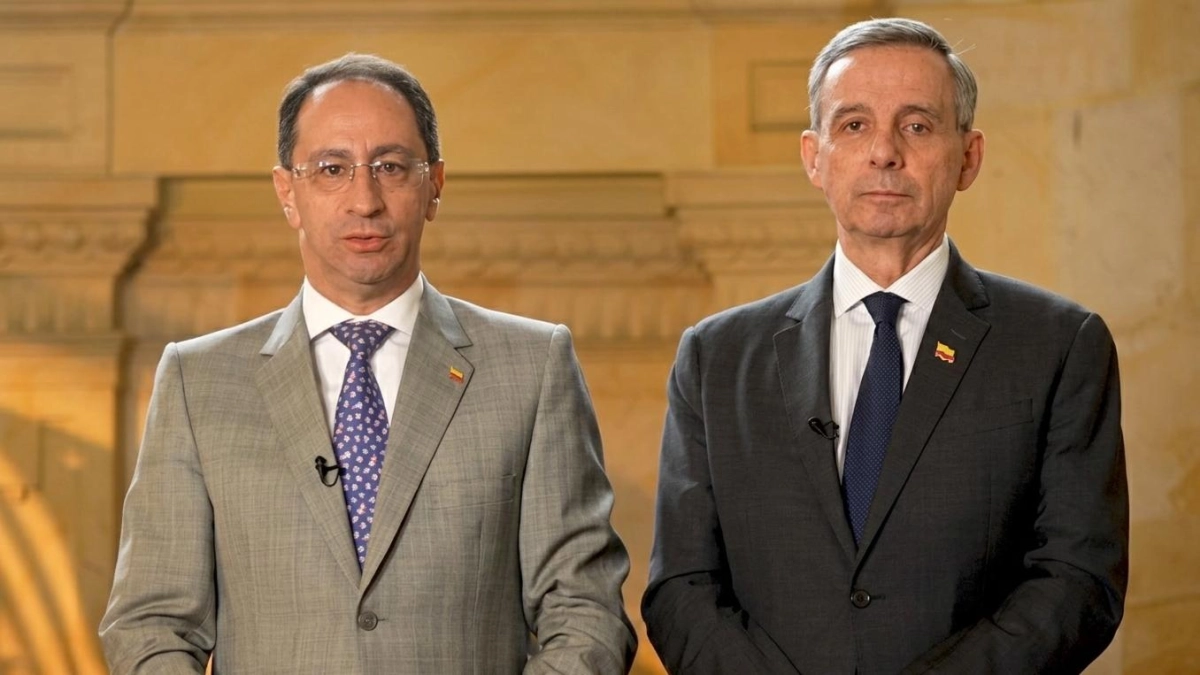
The process to choose a successor to Mac Master was rigorous and highly anticipated. The Board of Directors convened early on Tuesday morning to deliberate on the final candidates. Murgas emerged as the consensus choice after a final selection process that pitted her against Juan Camilo Nariño, the president of the Colombian Mining Association (ACM).

The path to the final vote had been narrowed earlier in the week when Carlos de Hart, a third candidate who had initially been part of the shortlist, withdrew his name from consideration. According to an official statement issued by the ANDI, the board’s final decision was based on an extensive evaluation report submitted by a specially commissioned search committee. This committee analyzed the candidates’ professional backgrounds, their leadership styles, and their alignment with the strategic needs of the Colombian industrial sector in the current political and economic climate.
The Legacy of Bruce Mac Master
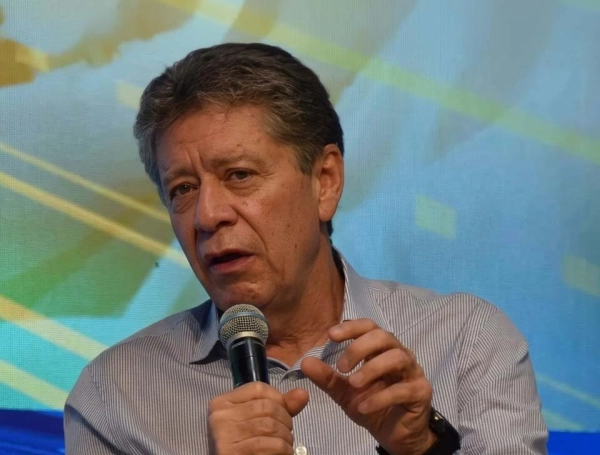
Bruce Mac Master’s departure concludes a tenure that spanned over a decade, during which he became perhaps the most recognizable face of the Colombian private sector. Known for his outspoken defense of free-market principles and his role as a bridge between the business community and successive national administrations, Mac Master’s exit was not without controversy.

In the wake of his resignation, Mac Master was candid about the reasons for his departure. During an interview with EL TIEMPO, he hinted at "undue pressures" that made his continued leadership untenable. "The most important lesson is that one must remain faithful to one’s principles," Mac Master noted. "If not, the organization loses its reason for being. This organization is valuable because it defends superior principles."
Despite the friction that characterized the final months of his administration, Mac Master maintained a conciliatory tone regarding his successor. In a post on his official X (formerly Twitter) account, he extended a warm public greeting to Murgas: "My most sincere congratulations to Luz Stella Murgas, a very good friend and great professional, for her election to the presidency of the ANDI, and above all, my deepest wish for the success of her management at the head of that wonderful organization. Her success will be the success of all."
Who is Luz Stella Murgas?
Luz Stella Murgas is widely regarded as a seasoned technocrat with deep expertise in the energy and industrial sectors. Her tenure at Naturgas was marked by a proactive approach to energy security and a focus on the role of gas as a transition fuel in the context of the country’s decarbonization goals.
Her transition from an energy-specific guild to the broader, multi-sector umbrella of the ANDI is seen by many analysts as a strategic move. The ANDI represents not just the energy sector, but manufacturing, finance, retail, and technology. Murgas’s background as a lawyer—combined with her experience in navigating complex regulatory environments—is expected to be her greatest asset as she attempts to lobby the government on behalf of diverse interests that are currently facing headwinds due to tax reforms, high interest rates, and global supply chain volatility.

Implications for the Colombian Economy
The appointment of Murgas arrives at a moment of profound economic introspection for Colombia. The business sector has been vocal about the need for policies that foster greater competitiveness and stimulate formal job creation. As the new president of the ANDI, Murgas will have to balance the guild’s traditional role as a government partner with the increasing need to act as a firm check against policies that the private sector deems harmful to investment.
The Immediate Challenges
- Industrial Stagnation: Data from recent months indicates a plateau in industrial production. Murgas must facilitate a dialogue with the Ministry of Commerce and the Ministry of Finance to identify bottlenecks in production and capital investment.
- Labor Market Recovery: Unemployment remains a stubborn issue. The ANDI is expected to advocate for labor reforms that provide flexibility while maintaining social protections, a stance that has historically put the guild at odds with current labor-leaning government factions.
- Investment Climate: With global investors looking closely at emerging markets, Murgas will need to position the ANDI as a voice for stability and legal certainty, reassuring international markets that Colombia remains a viable destination for long-term capital.
A New Voice for the Private Sector
The selection of a woman to lead the ANDI is being celebrated by industry leaders as a long-overdue advancement in corporate governance. In a statement released shortly after the election, several prominent business figures highlighted that Murgas brings a "fresh, pragmatic perspective" to a role that has historically been dominated by male, high-profile political operators.
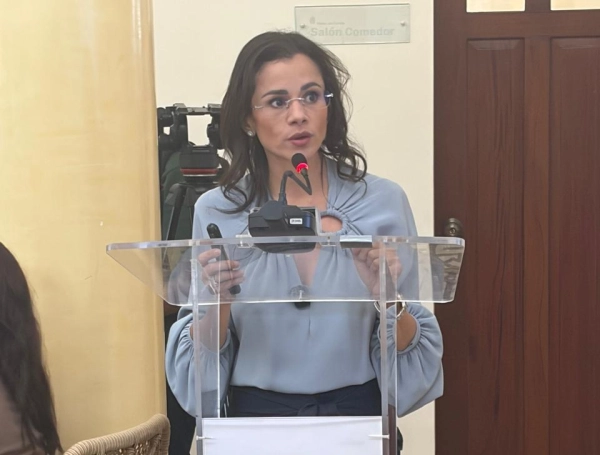
However, the honeymoon period is expected to be short. Murgas takes the reins at a time when the relationship between the private sector and the national government is strained. Her ability to navigate these political waters, while maintaining the internal cohesion of the ANDI’s diverse membership base, will define the early stages of her presidency.
Conclusion: Looking Ahead
As Luz Stella Murgas prepares to assume her duties, the Colombian business community is watching closely. The transition from the era of Bruce Mac Master to the leadership of Murgas represents more than just a change in personnel; it signals a potential shift in the tactical approach of the country’s most powerful business association.

While the ANDI remains committed to its foundational mission of defending private enterprise, the challenges of the 21st century—ranging from digital transformation and environmental sustainability to the need for inclusive growth—require a modernized leadership style. Murgas’s career trajectory suggests she is well-prepared to tackle these complexities.
For now, the focus remains on the handover. As Murgas steps into the spotlight, she inherits an organization that is as influential as it is challenged. The words of her predecessor, "Her success will be the success of all," resonate as a reminder that the health of the Colombian economy is inextricably linked to the stability and efficacy of its representative institutions. The coming months will prove whether this new chapter in the ANDI’s history will lead to a revitalization of the nation’s industrial engine or if the organization will continue to face the systemic pressures that marked the end of the previous administration.

The appointment of Luz Stella Murgas is not just a milestone for gender equality in leadership; it is a critical test for the future of organized business in Colombia. As she takes the helm, the nation will be looking for a leader who can unify a fractured sector and provide a clear, coherent, and constructive path forward for the country’s economic development.