The Colombian political landscape has been rocked by a series of explosive revelations concerning meetings held in October 2025 between high-ranking officials of the Petro administration and former commanders of the now-defunct United Self-Defense Forces of Colombia (AUC). Known as the "Valledupar Pact," these clandestine encounters have triggered a multi-pronged investigation by the Office of the Prosecutor General and the Inspector General’s Office. At the heart of the scandal is a fundamental question: were these meetings a genuine attempt at peace-building, or were they a calculated political maneuver to manufacture false testimonies against opposition leaders ahead of the 2026 presidential elections?
The Legal Vacuum: Angela María Buitrago’s Critique
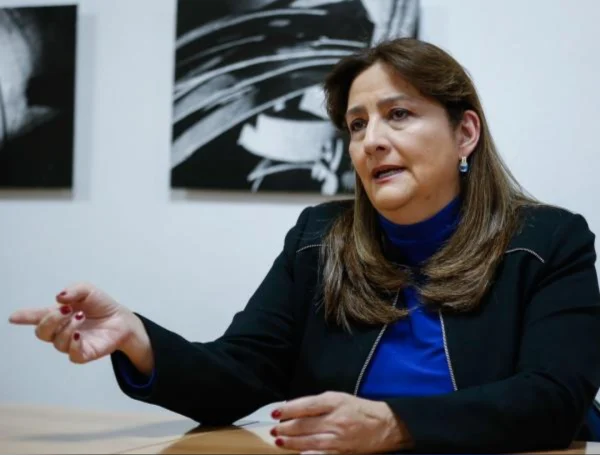
Angela María Buitrago, who served as Minister of Justice until her resignation in May 2025, has emerged as a key critic of the administration’s actions. Speaking with the press, Buitrago emphasized that the meetings in Valledupar lacked any semblance of "legal grounding."
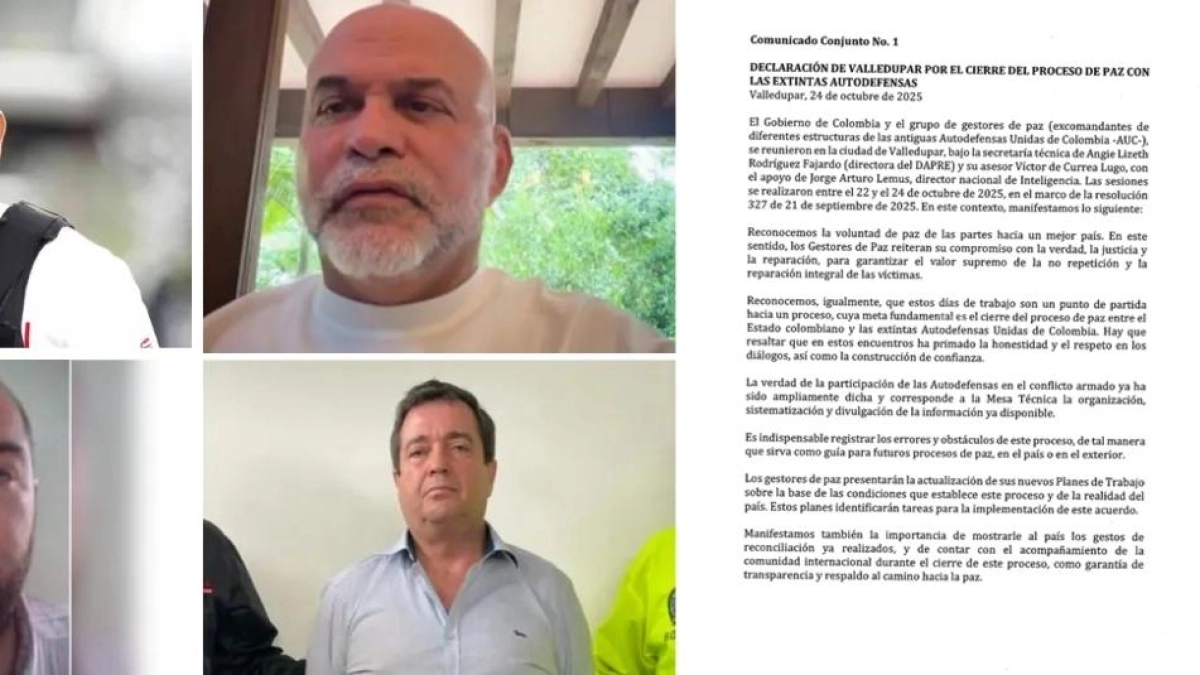
"This was not a negotiation table, nor could there ever be one, given that these individuals have already been processed and sentenced under the Justice and Peace framework," Buitrago stated. According to the former minister, the ex-paramilitary leaders—who have already been adjudicated by the specialized courts—were not eligible to be part of the ‘Total Peace’ Law (Law 2272). Consequently, any dialogue regarding their legal status outside the established judicial mechanisms is legally non-existent.
Buitrago, who stepped down five months prior to the meetings citing pressure from the Presidential Palace, clarified that she had no involvement in these encounters. "From the very moment these meetings became public knowledge, I expressed my firm opposition. These people had already paid their dues to the justice system; there was nothing left to negotiate." She warned that the act of coercing witnesses to provide false information or implicate political figures without evidence constitutes a grave criminal offense.

Chronology of the Crisis: From Meetings to Resignations
The "Valledupar Pact" did not emerge in a vacuum. The timeline of events reveals a rapid escalation of scrutiny that ultimately paralyzed the Ministry of Justice.
- May 15, 2025: Minister of Justice Angela María Buitrago resigns, citing mounting political pressure from the executive branch.
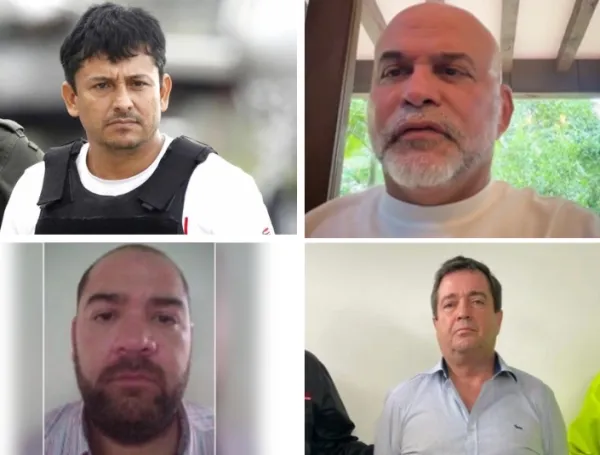
- October 22–24, 2025: A series of meetings take place in Valledupar. Attendees include high-ranking government officials—such as then-Minister of the Interior Armando Benedetti, DAPRE Director Angie Rodríguez, and DNI Director Jorge Lemus—and former AUC commanders, including Salvatore Mancuso, "Jorge 40," "Macaco," and "El Alemán."
- October 24, 2025: Minister of Justice Luis Eduardo Montealegre tenders his irrevocable resignation, coinciding with the conclusion of the meetings.
- October 27, 2025: Augusto Ocampo Camacho is appointed as the acting Minister of Justice.
- August 31, 2026: The Prosecutor General’s Office officially opens a criminal investigation and forwards evidence to the Commission of Investigation and Accusation of the House of Representatives to determine the possible involvement of President Gustavo Petro.
- October 2026: Ongoing investigations by the Inspector General’s Office into the conduct of former officials Benedetti and Rodríguez reach a critical phase.
The Alleged "Political Weaponization" of Testimony
The controversy centers on the explosive testimony of former DAPRE director Angie Rodríguez, who claimed that the meetings were not intended to facilitate a transition for the peace process, but rather to extract declarations incriminating former President Álvaro Uribe, political figure Abelardo De La Espriella, and former Vice President Germán Vargas Lleras.

This allegation has been corroborated by several former paramilitary commanders. Salvatore Mancuso, a central figure in the AUC history, confirmed that government delegates requested the ex-commanders to provide testimony against specific political rivals of the current administration. Mancuso stated that the group ultimately rejected these proposals, leading to a breakdown in communication between the government and the former fighters.
Legal experts suggest that if these allegations are proven true, the administration faces a constitutional crisis. The use of state resources and official channels to fabricate testimony for political gain would constitute a violation of the separation of powers and a perversion of the judicial system.
Supporting Data: The "Valledupar Declaration"
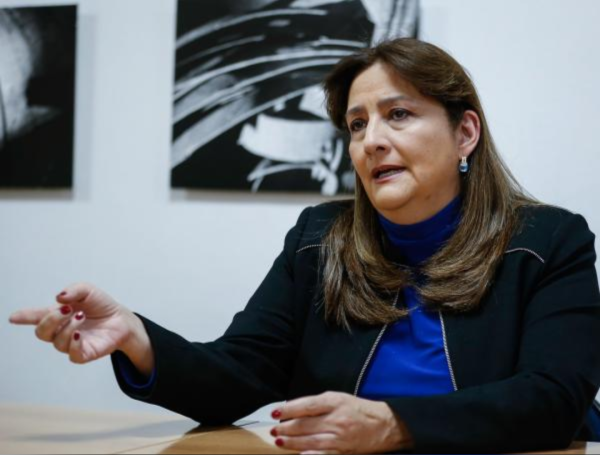
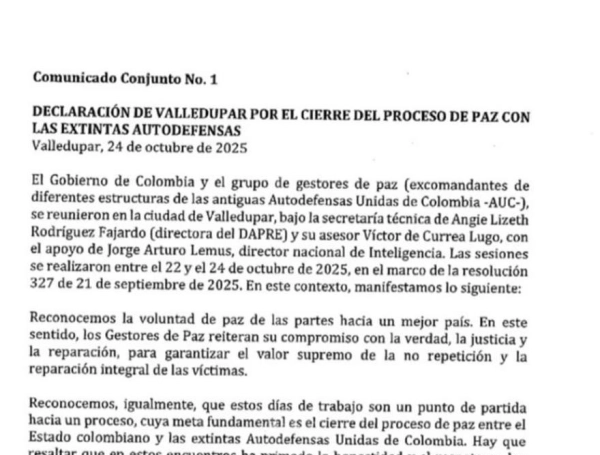
Amidst the accusations, a two-page document dated October 24, 2025, titled "The Valledupar Declaration for the Closure of the Peace Process with the Extinct Self-Defense Groups," has surfaced. The document focuses on updating work plans for ex-commanders and seeking international support for pending judicial tasks.
Interestingly, the document contains a paragraph stating: "The truth regarding the participation of the Self-Defense groups in the armed conflict has already been extensively stated, and it is up to the Technical Committee to organize and disseminate the information already available."
This document presents a paradox for investigators. While the government claims the meetings were focused on these administrative tasks, the specific nature of the discussions—and the alleged oral requests for political testimony—suggest a hidden agenda. The disparity between the formal document and the witness accounts is the primary focus of the Prosecutor’s current inquiry.
Official Responses and Defensive Posture
President Gustavo Petro has vehemently rejected claims that he ordered or sanctioned any pressure on the former commanders. The President’s office has released supporting documentation intended to show that the meetings were a legitimate attempt to finalize the "Santa Fe de Ralito" agreements, an initiative dating back to the Uribe administration.
The administration maintains that the presence of officials like the Director of National Intelligence (DNI), Jorge Lemus, was purely for security and administrative coordination. However, the lack of transparency regarding the scope of Lemus’s interventions remains a point of contention that the Prosecutor’s office is keen to resolve.
Broader Implications: A Pattern of Questionable Testimonies
The "Valledupar Pact" is not the first time the Petro administration has been accused of attempting to influence legal outcomes for political purposes. Two other cases have drawn similar scrutiny:
- The Aída Merlano Case: The former congresswoman has provided extensive testimony regarding alleged electoral fraud and illicit campaign financing. Critics argue that her cooperation with the government was facilitated by preferential treatment, casting doubt on the impartiality of her statements.
- The David Murcia Guzmán Case: The convicted pyramid-scheme operator initially made accusations against prominent lawyer Abelardo de la Espriella, only to retract them later. These patterns suggest a recurring trend where individuals in custody provide testimony that aligns conveniently with the government’s political interests.
Conclusion: The Path Forward
The investigations currently being conducted by the Prosecutor General’s Office and the Inspector General’s Office are of critical importance to the stability of Colombian democracy. The Commission of Investigation and Accusation of the House of Representatives holds the heavy responsibility of determining whether the President exceeded his constitutional authority.
As the legal proceedings continue, the nation watches closely. The "Valledupar Pact" case represents more than just a scandal; it is a litmus test for the independence of the judicial system against executive overreach. Whether these meetings were a misguided attempt at peace or a deliberate effort to subvert the democratic process remains the central mystery that the coming months will likely resolve. The final verdict, both legal and political, will undoubtedly leave a lasting mark on the legacy of the current government.