By Edwin Caicedo | Environmental and Health Journalist
Published: September 7, 2026
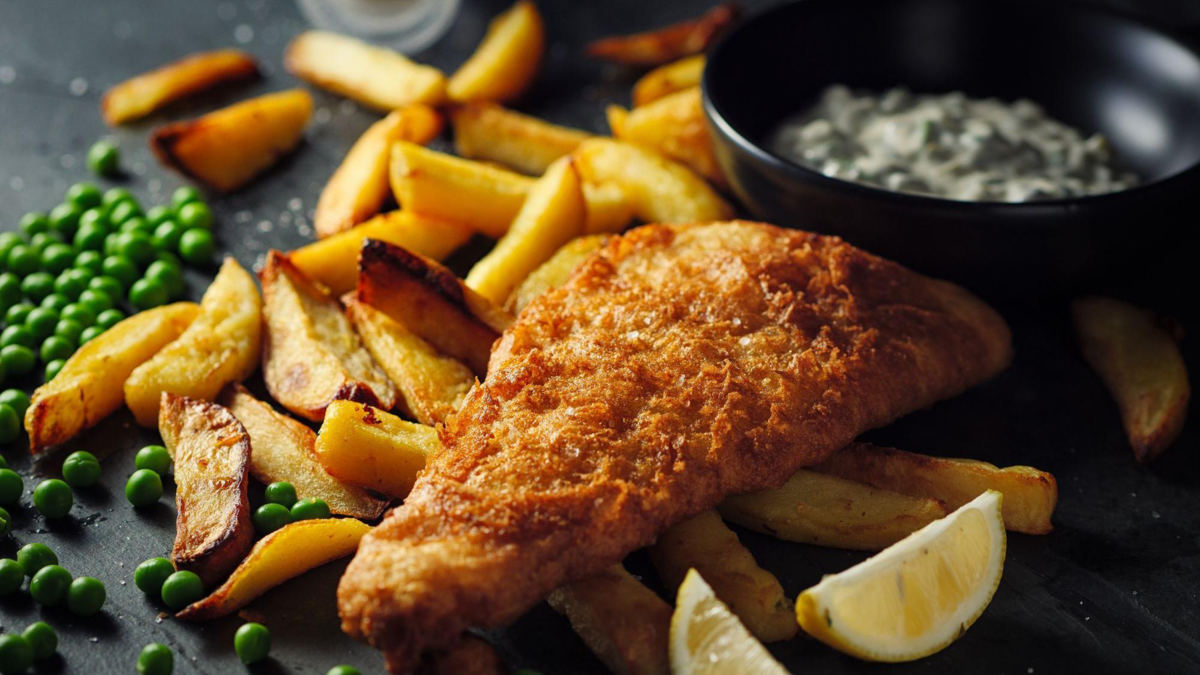
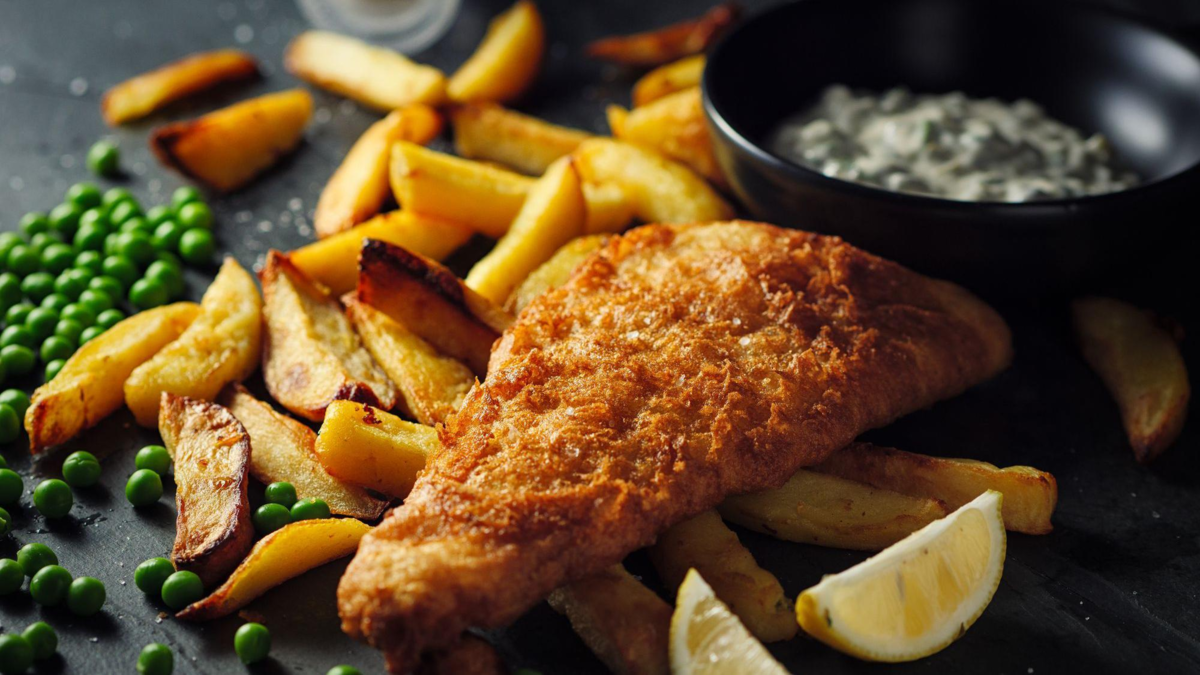
For generations, home cooks and seasoned chefs alike have shared a quiet, remarkably consistent kitchen secret: when it comes to frying fish, chicken, or vegetables to absolute perfection, replacing a portion of the water and flour in your batter with cold beer yields incomparable results. Far from being merely an urban legend or an old wives’ tale passed down through family cookbooks, culinary science has officially stepped in to validate the practice. Laboratory tests, physical chemistry, and empirical food research confirm that incorporating beer into a batter dramatically improves both texture and structural integrity, resulting in a light, lace-like, golden crust rather than a heavy, grease-laden shell.
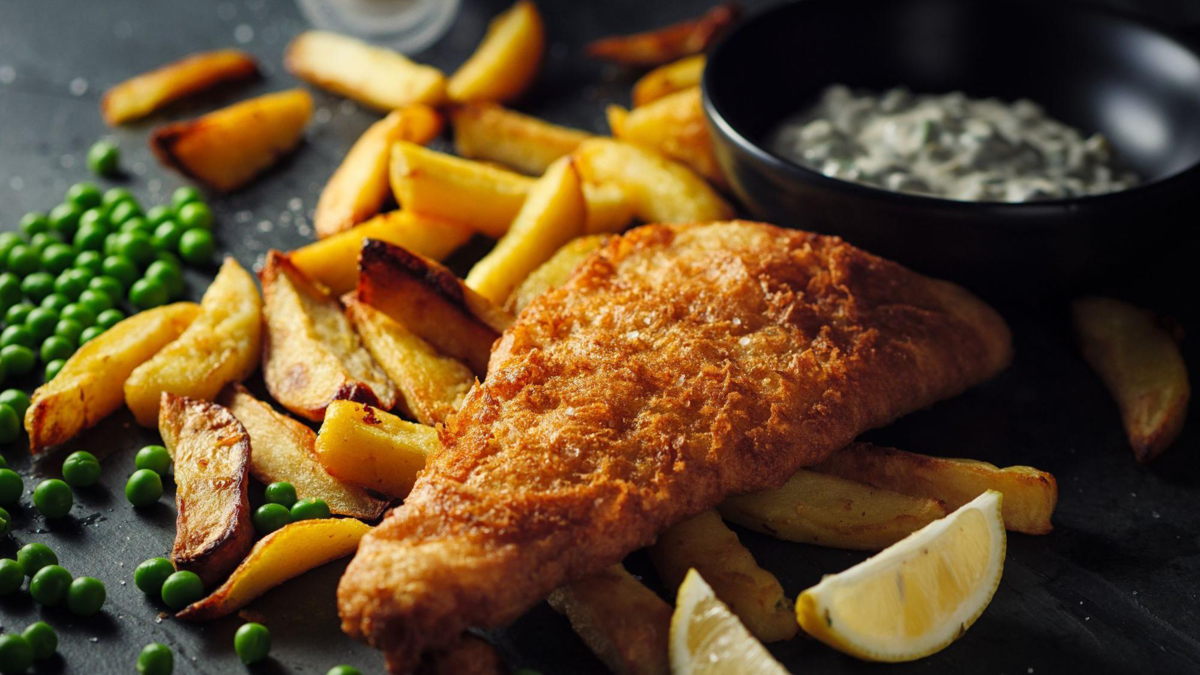
Main Facts: The Physics and Chemistry Behind the Beer Batter
At first glance, mixing an alcoholic beverage into a culinary batter might seem unconventional. However, the physical mechanics of frying make beer an ideal candidate. According to insights published in Scientific American, the magic lies in a trio of components naturally present in the beverage: carbon dioxide, foaming agents, and alcohol.
When a beer-based batter makes contact with boiling cooking oil, a dramatic physical reaction occurs. The solubility of the carbon dioxide ($textCO_2$) dissolved within the liquid drops precipitously. The gas rapidly forms bubbles and expands outward, acting as a natural leavening agent. As these micro-bubbles escape through the batter during the frying process, they inflate the coating from within. This rapid expansion leaves behind an airy, delicate, and remarkably crisp exterior often described by culinary experts as having a "lace-like" texture.

Furthermore, culinary laboratories such as America’s Test Kitchen have analyzed the interaction between beer and gluten development. Gluten—the protein network formed when flour meets water—is responsible for elasticity and chewiness in doughs. While desirable in bread, excess gluten creates a tough, rubbery coating when fried.
Gluten development thrives in a neutral environment with a pH level between 5 and 6. Most beers, however, possess a slightly acidic pH of roughly 4. By introducing this mild acidity into the batter, the beer inhibits excessive gluten formation. The result is a tender, delicate structure that shatters delicately upon the first bite instead of yielding a dense, heavy crust.

Chronology of Culinary Discovery: From Neighborhood Taverns to High-Tech Kitchens
The evolution of beer batter from a pragmatic tavern trick to a scientifically validated culinary technique spans centuries of global gastronomy:
- Pre-20th Century (Empirical Origins): Traditional fish-and-chips vendors in the United Kingdom and various coastal communities across Europe empirically discovered that using leftover, carbonated ales produced superior fried fish compared to flat water-and-flour mixtures.
- Mid-to-Late 20th Century (Global Adoption): The technique spread widely into American pub culture, tempura adaptations, and Latin American kitchen traditions (such as pescado aborrajado or local fried seafood preparations). Cooks realized cold beer kept the batter temperature low, preventing premature cooking of the protein inside.
- Early 2000s (Rise of Food Science): Publications like Cook’s Illustrated and institutions like America’s Test Kitchen began applying rigorous, controlled testing methodologies to home cooking, stripping away kitchen myths to understand the precise biochemical mechanisms at play.
- Present Day (Precision Gastronomy): Advanced culinary platforms such as ChefSteps and food science publications formally document variables like fluid dynamics, evaporation rates, and pH modulation, cementing beer batter as a textbook example of applied food physics.
Supporting Data: What Controlled Experiments Reveal
To separate folklore from verifiable chemistry, professional food scientists have subjected beer batters to rigorous blind testing.
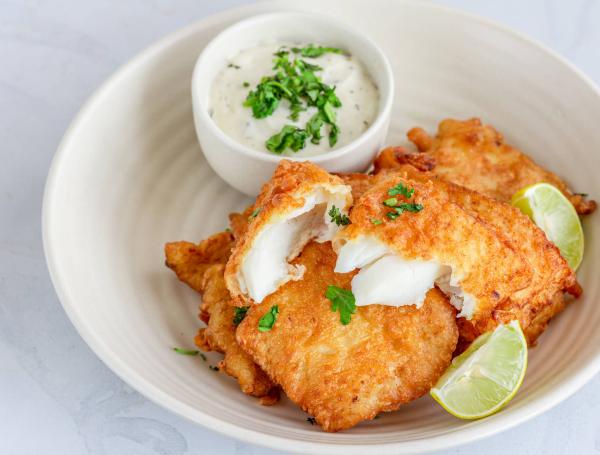
In a landmark comparative study conducted by America’s Test Kitchen, researchers fried identical cuts of fish using four distinct liquid bases: standard water, sparkling water (club soda), alcohol-free beer, and traditional alcoholic beer.
The findings were definitive:
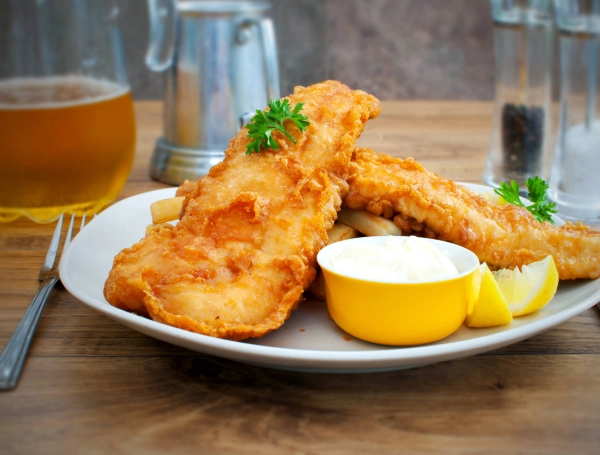
- The Carbonation Factor: Every single batter made with a carbonated liquid (sparkling water, non-alcoholic beer, and standard beer) yielded a significantly lighter, more aerated, and crisper crust than the flat water control group.
- The Alcohol Myth Debunked: The presence of alcohol was proven not to be the primary driver of the crunch. Because non-alcoholic carbonated beer performed identically to standard beer in creating the lace-like texture, researchers concluded that physical gas expansion ($textCO_2$) is the primary engine behind the transformation.
- The Secondary Benefit of Alcohol: While not the main leavening agent, alcohol does play a vital secondary role. Because ethanol has a lower boiling point and evaporates much more rapidly than water, alcohol-infused batters dry out faster in hot oil. This rapid moisture depletion sets the golden crust more quickly, sealing the exterior and preventing the delicate fish or vegetable inside from overcooking or absorbing excess oil.
Official Responses and Expert Perspectives
Culinary institutions and master chefs around the globe have increasingly embraced these scientific findings to refine classical recipes.
Dr. Stuart Farrimond, a food scientist and author known for breaking down the science of cooking, notes that temperature management plays an equally crucial role alongside carbonation. "Using ice-cold beer straight from the refrigerator creates a thermal shock when the coated food hits the hot oil," he explains. "This temperature differential flashes the moisture into steam rapidly, supercharging the expansion of the carbonation bubbles while keeping the interior succulent and juicy."

Professional research teams at institutions like ChefSteps emphasize that precision in batter composition prevents common culinary failures. When home cooks complain of greasy, soggy fried foods, it is frequently due to a high specific heat capacity in the liquid and excessive gluten networks. By substituting a chilled, carbonated beverage, home chefs introduce a built-in safety net that naturally corrects both variables.
Implications: How to Apply the Science in Your Home Kitchen
Understanding the science behind beer batter opens up practical avenues for home cooks looking to elevate everyday meals. To successfully harness this culinary method, experts recommend adhering to several key evidence-based steps:

1. Temperature is Everything
Always use your beer ice cold. Keeping the liquid chilled delays the cooking of the outer coating just long enough for the oil to flash-evaporate the moisture, locking in maximum crispness before the batter can absorb heavy amounts of grease.
2. Choose Your Brew Wisely
While almost any carbonated beer will work, the flavor profile of the brew will subtly influence the finished dish. Lighter lagers and pilsners offer a clean, neutral flavor profile that lets the freshness of fish or vegetables shine through. Conversely, darker ales or stouts impart deeper, malty, caramel notes—ideal for heartier proteins like sausage, onion rings, or robust root vegetables.

3. Do Not Overmix
Resist the urge to beat the batter into total smoothness. Leaving a few small lumps and keeping the mixing time to an absolute minimum prevents the activation of excess gluten, preserving the light, fragile structure necessary for a truly professional crunch.
4. Maintain Oil Temperature
Even the best beer batter cannot compensate for cold cooking oil. Ensure your oil stays consistently between 180°C and 190°C (350°F to 375°F). Crowding the pan drops the oil temperature rapidly, leading to a soggy, oil-logged crust regardless of what is in the mixing bowl.

Ultimately, while factors like ingredient freshness and precise oil temperature remain non-negotiable pillars of deep frying, science has officially vindicated generations of cooks. Swapping flat water for a frosty, carbonated brew is a masterclass in culinary physics—one that transforms simple ingredients into an extraordinary sensory experience.