By Juan Pablo Penagos Ramírez / Political Desk
Enriched English Adaptation
Main Facts: The End of an Exception
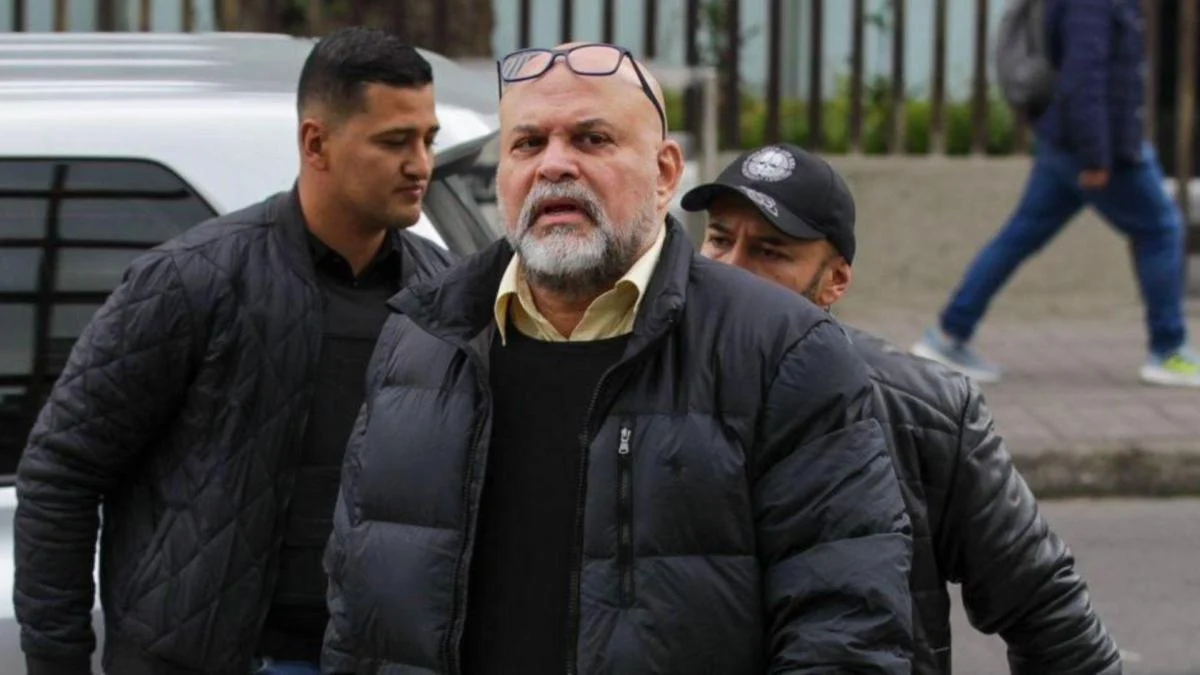
Through Resolution 429 of 2026, the administration of Abelardo De La Espriella officially stripped former paramilitary commander Salvatore Mancuso Gómez of his designation as a peace manager (gestor de paz). This specialized legal status had originally been conferred upon him in August 2023 by the government of then-President Gustavo Petro, operating under the umbrella of his ambitious and heavily debated "Total Peace" (Paz Total) policy.
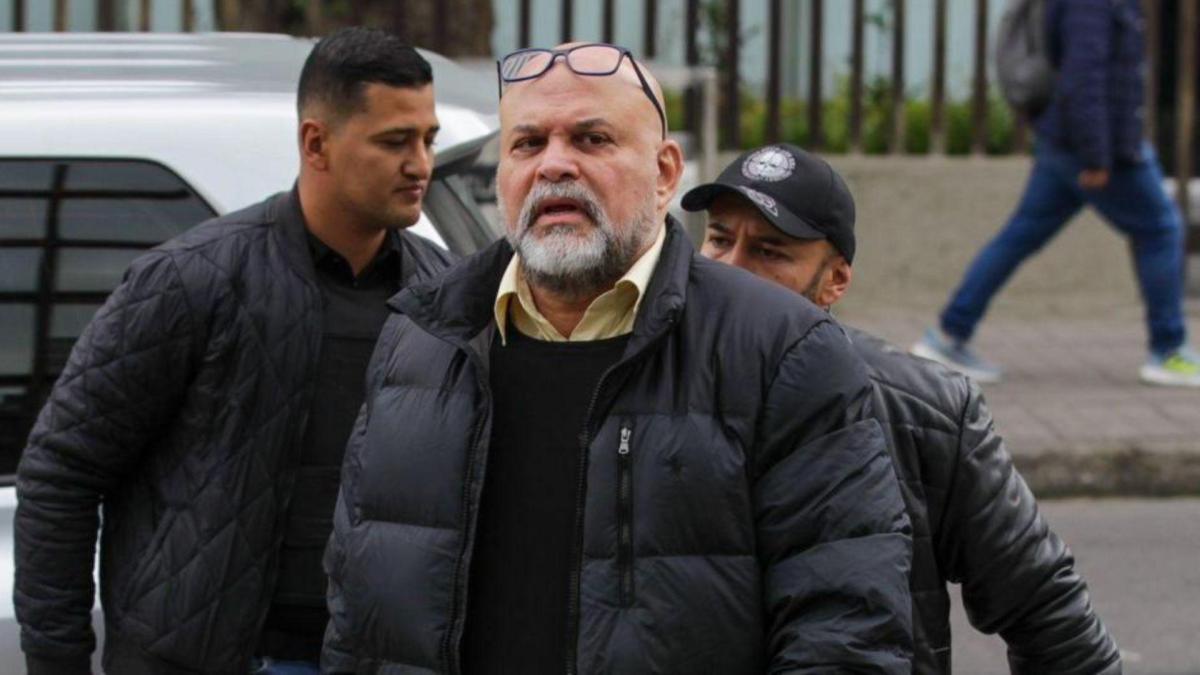
The resolution’s operative text is unequivocal: "To withdraw the designation as a peace manager from the former member of the Self-Defense Forces of Colombia (AUC), Mr. Salvatore Mancuso Gómez."
This definitive administrative reversal brings down the curtain on one of the most polarizing institutional experiments of recent Colombian history: the attempt by the Petro administration to repurpose former high-ranking warlords who, years prior, had already passed through the transitional justice mechanisms of the Justice and Peace Law (Ley de Justicia y Paz). The explicit justification offered by the previous government was to "close" the historical chapter of the paramilitary demobilization. However, critics argued from day one that the initiative failed to yield concrete truth or accountability, instead offering a diplomatic second wind to architects of mass violence who had long since finished—or bypassed—their primary obligations to their victims.

Chronology of a Controversial Appointment
To understand how Mancuso transitioned from a federal penitentiary in the United States to a political and judicial storm center in Colombia, it is necessary to trace the timeline of his high-stakes return.
August 2023: The Initial Decree
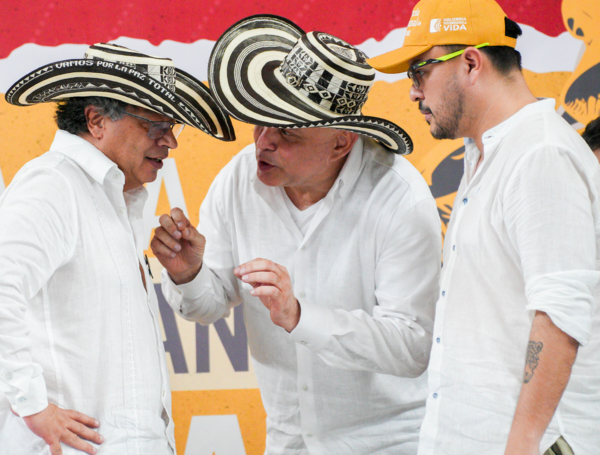
Under Resolution 244 of August 14, 2023, the Gustavo Petro administration formally appointed Salvatore Mancuso as a peace manager. The move immediately triggered nationwide debate, dividing legal experts, human rights organizations, and political factions.
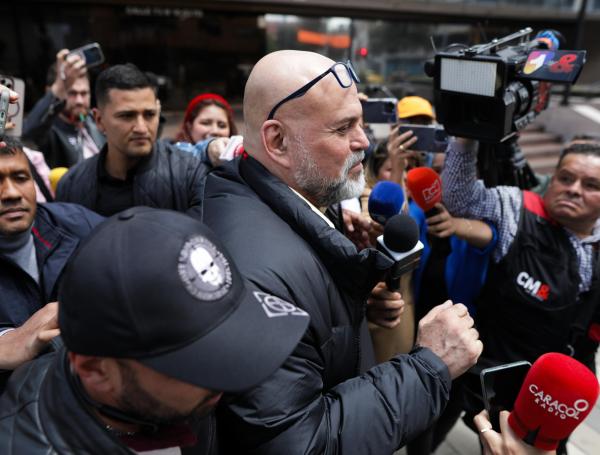
February 2024: Deportation and Arrival in Bogotá
On February 27, 2024, Mancuso touched down in Bogotá following his deportation from the United States, where he served a lengthy sentence for drug trafficking. Upon arrival, he was immediately absorbed into the logistical framework of the "Total Peace" agenda, positioning himself as a bridge between the government and active underground criminal networks.
March 2024: Judicial Restrictions on Mobility
Despite his designation by the executive branch, the judicial branch moved quickly to impose strict guardrails. On March 4, 2024, Judge Luz Marina Zamora granted Mancuso a conditional, probation-style freedom. Critically, the judicial ruling explicitly prohibited him from traveling to the regions where he had orchestrated and executed heinous atrocities during his tenure as the supreme military leader of the AUC—regions where thousands of victims still live.
The Council of State Steps In
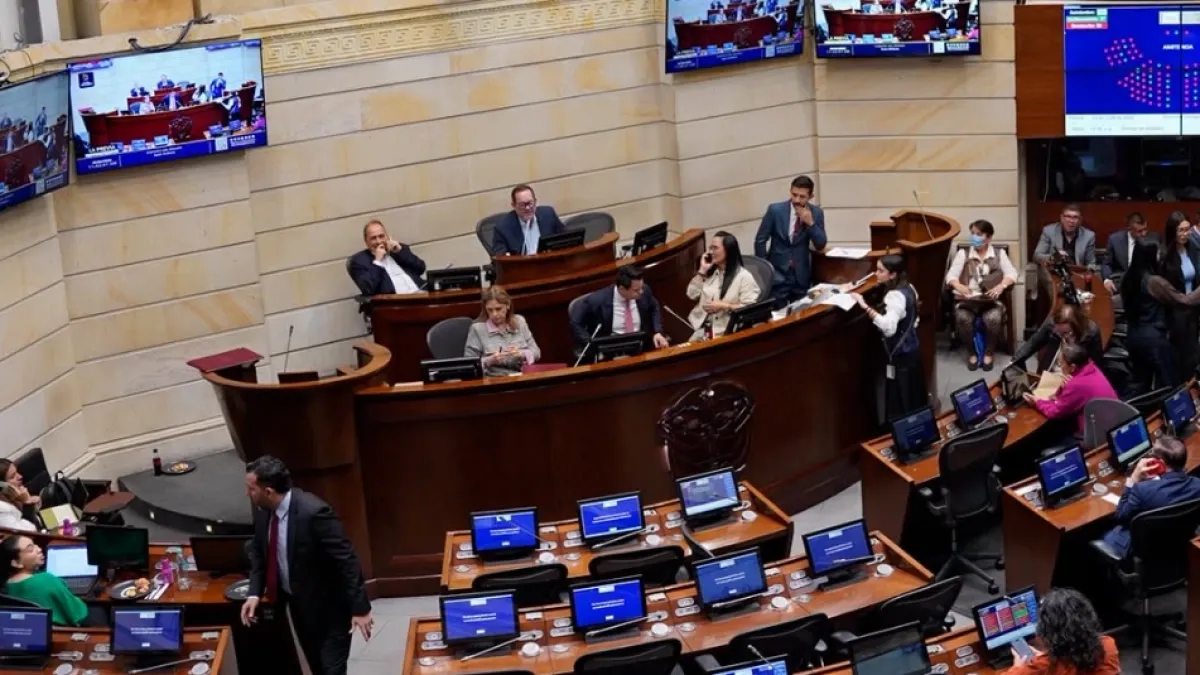
Simultaneously, the judiciary challenged the executive’s overreach. The Council of State (Consejo de Estado) admitted a series of high-profile lawsuits seeking to strike down Resolution 244. Plaintiffs argued that appointing Mancuso as a peace manager constituted a severe form of revictimization. Furthermore, legal challenges emphasized that the executive’s resolution suffered from profound structural irregularities: it completely lacked temporal, geographical, and functional limits, granting the ex-paramilitary warlord carte blanche under the guise of state-sanctioned mediation.
Supporting Data: The Magnitude of Impunity and the Weight of History
The controversy surrounding Mancuso’s brief stint as a peace manager cannot be divorced from the staggering scale of the crimes tied to his name. According to official databases compiled by the Office of the Attorney General (Fiscalía General de la Nación), Salvatore Mancuso has been formally linked as the masterminding force behind more than 24,000 distinct criminal acts.

A landmark indictment issued in April 2023 under the Justice and Peace framework highlighted his direct or command responsibility in:
- 4,071 individual crimes, which resulted in a staggering 6,552 registered victims.
- The geographical footprint of these atrocities spanned eight departments across Colombia: Bolívar, Cesar, Córdoba, La Guajira, Magdalena, Santander, Sucre, and Antioquia.
These figures underscore why victims’ advocacy groups reacted with profound outrage to his rehabilitation. Critics argued that utilizing a confessed mass murderer—who had repeatedly fallen short of delivering comprehensive, exhaustive truths about his financial backers, political allies, and military accomplices during his initial judicial processes—mocked the very architecture of transitional justice.

Official Responses and Institutional Friction
The revocation of Mancuso’s status under the current administration highlights a deep-seated institutional friction regarding the boundaries of presidential discretion in peace negotiations.
The mechanism of the gestor de paz is not new; it was established nearly three decades ago under Law 418 of 1997. Historically, the figure was designed to leverage individuals imprisoned for illegal armed activities, conditionally releasing them to act as facilitators, intermediaries, or high-level negotiators. Their mission is supposed to be strictly defined: unlocking humanitarian agreements, communicating with active syndicates, and advancing disarmament or submission frameworks with criminal syndicates currently threatening national security.

However, legal scholars and political analysts pointed out that the Petro administration stretched this statutory tool far beyond its intended constitutional limits. By attempting to "reheat" historical figures like Mancuso—who had already exhausted their utility within the transitional justice system—the government faced fierce pushback not only from civil society and victim collectives, but also from the judiciary, which ultimately reasserted the supremacy of due process, victim rights, and legal boundaries.
Implications for Colombia’s Security and Transitional Justice Landscape
The decision by Abelardo De La Espriella’s government to rescind Resolution 244 carries profound symbolic and practical implications for the country:

- Reaffirmation of Judicial Oversight: The reversal demonstrates the vital checks and balances exercised by bodies like the Council of State, proving that executive authority in matters of peace and security cannot override the rights of victims or bypass statutory limitations.
- A Warning for Future Negotiations: The collapse of Mancuso’s status serves as a cautionary tale for any future administration attempting to recycle historical perpetrators of state and paramilitary violence under broad, poorly defined peace slogans. True reconciliation, legal experts argue, requires rigorous accountability rather than expedient political rehabilitation.
- Closure for Victims: For the thousands of families displaced, disappeared, or murdered by the AUC across Colombia’s northern departments, the removal of Mancuso’s official title restores a measure of moral clarity, signaling that state recognition cannot be cheaply granted to those with extensive records of unrepented violence.
Ultimately, the termination of Salvatore Mancuso’s role as a peace manager closes a divisive chapter, leaving behind a stark reminder of the delicate, painful balance between seeking peace and preserving national memory and justice.