By Justice Desk, El Tiempo
September 9, 2026
In the bustling urban landscape of Pereira, the capital of Risaralda, a grim inventory is being compiled—not of assets or infrastructure, but of names. Since August 7, 2026, the local police department has been meticulously expanding a list of aliases that reads like a “Who’s Who” of the regional criminal underworld. Names such as Doble Cero, Teo, Giro, Nea, Mateo, Luisbu, Chirino, William, Brandon, El Mono, 7, Pipe, Jorgito, and Carro Loco have moved from the shadows of the streets to the forefront of police intelligence files.
This surge in activity represents a definitive, high-stakes shift in security policy. The objective is singular and uncompromising: to dismantle the lethal, trigger-pulling core of ‘La Cordillera,’ the criminal organization that has long exerted a suffocating grip on the city’s security. By systematically decapitating the leadership and neutralizing the foot soldiers, authorities aim to prevent the group from reconstituting its armed structure in the heart of the Coffee Axis.
The Strategic Offensive: A Month of Decisive Action
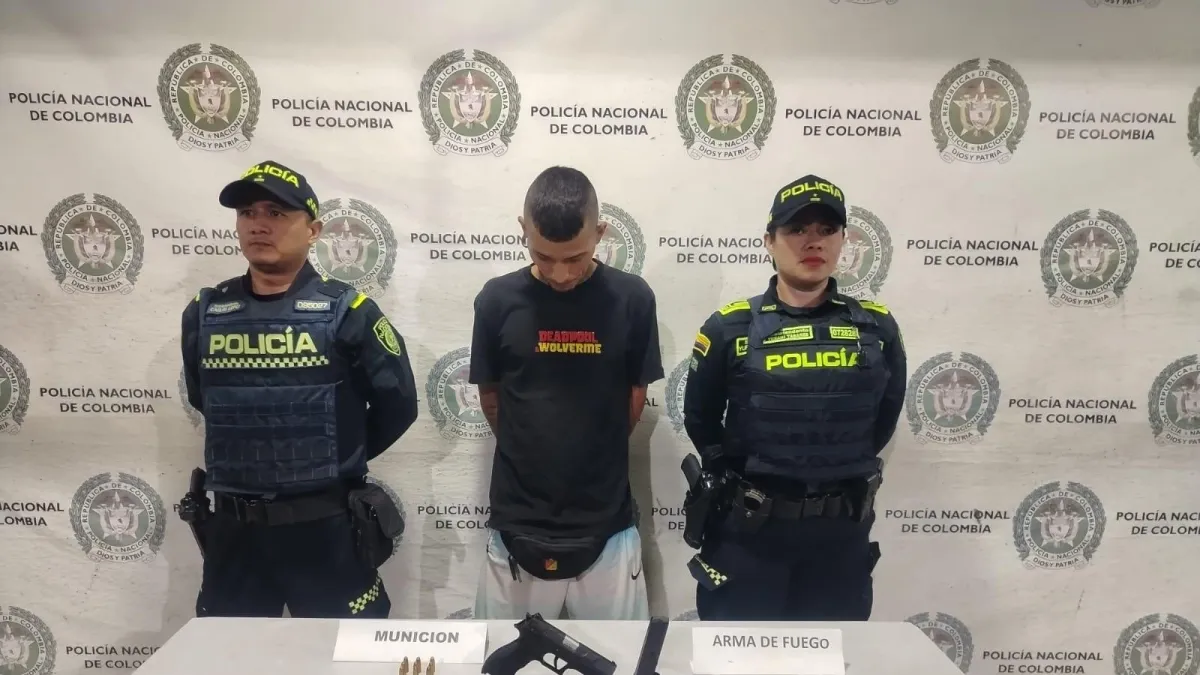
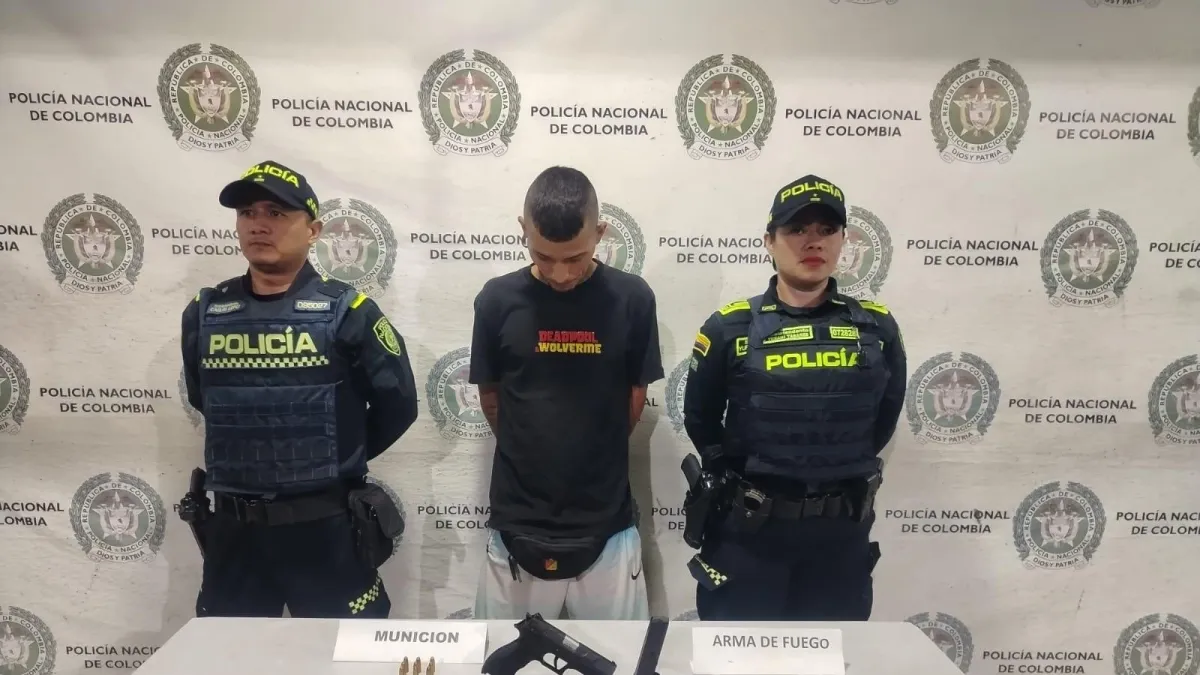
The first thirty days of the administration under President Abelardo De La Espriella have signaled a "zero-tolerance" approach to urban violence. The Metropolitan Police of Pereira have executed ten high-impact urban operations, resulting in over 15 significant arrests and the seizure of more than 20 firearms, alongside a substantial cache of ammunition.
However, these figures—while impressive—only tell half the story. Behind the cold statistics lies a complex, multi-layered battle against an organization that derives its power from a triad of illicit activities: drug trafficking, systematic extortion, and the predatory "gota a gota" (drop-by-drop) loan-sharking schemes.
"We are dismantling the sicario arm of ‘La Cordillera’!" President De La Espriella declared while presenting the results of the operations initiated on August 7. The President’s rhetoric matches the intensity on the ground, emphasizing that the state is not merely arresting individuals, but targeting the logistical and financial arteries that sustain the violence.

Chronology of a Manhunt: The Case of ‘Doble Cero’
At the center of this storm is an individual identified as Doble Cero, also known as El Patriarca. To investigators, he is not merely a street-level gunman but a critical coordinator within the criminal apparatus of ‘La Cordillera.’ His criminal trajectory is a testament to the persistent challenge authorities face in neutralizing key figures.
A Timeline of Evasion
- 2025: Authorities link Doble Cero to the high-profile homicide of an individual known as El Canadiense. While the case remains a subject of ongoing judicial scrutiny, it solidified his status as a high-value target.
- July 2026: In a major breakthrough, police successfully apprehended Doble Cero. However, his return to the streets underscored the fluid nature of criminal hierarchies.
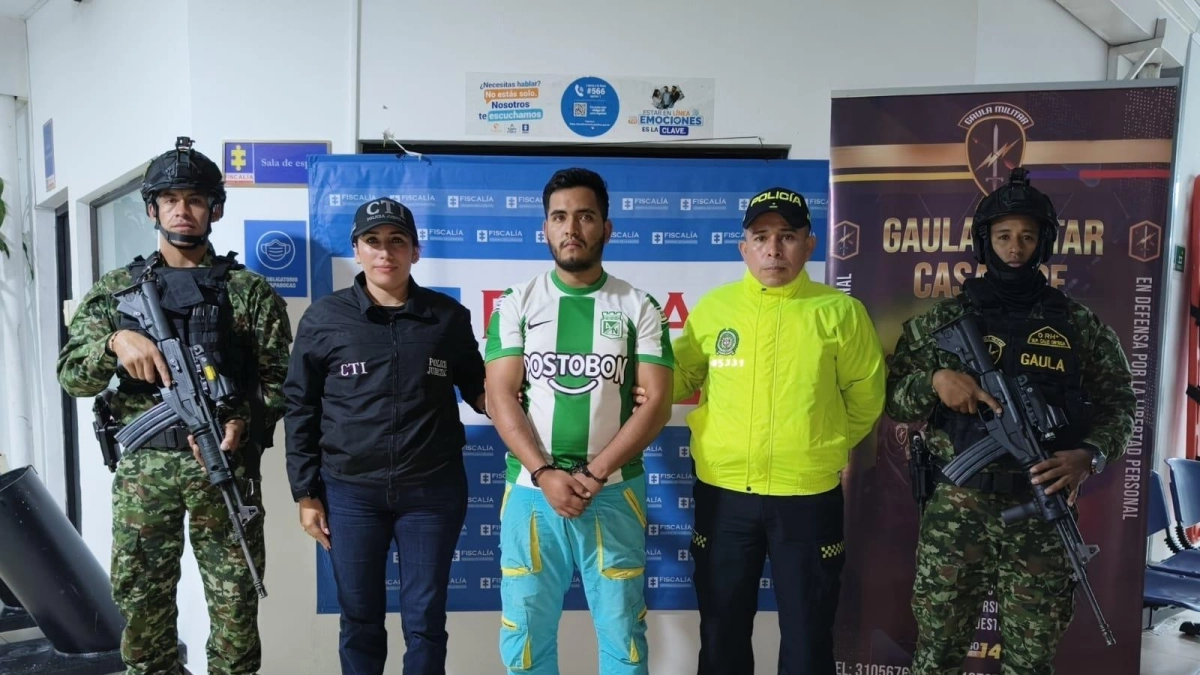
- August–September 2026: Following his release or escape, he was re-identified during the "Operación Coral," conducted in the El Rosal and Corales neighborhoods. The raid resulted in three arrests, the confiscation of three firearms, and the seizure of six kilograms of marijuana.
What has particularly intrigued investigators is the suspect’s attempt to evade detection through physical transformation. Intelligence reports suggest that Doble Cero altered his appearance in an effort to blend back into the urban fabric, a move that highlights the sophistication with which these criminals attempt to preserve their operational capacity despite relentless pressure from the state.
Mapping the Structure: Beyond the Trigger Finger
The current police strategy is built on the realization that ‘La Cordillera’ operates like a corporation of violence. The investigation has revealed a tiered organizational chart that allows the group to remain resilient even when individual members are removed.

The Hierarchy of Crime
- The Strategic Level (The Architects): These individuals provide the long-term vision, ensuring that the financial streams—narcotics and extortion—remain uninterrupted.
- The Tactical Level (The Coordinators): This is the focus of current intelligence efforts. Figures like those identified by the aliases Gio, Juangui, and Sensei are suspected of acting as the bridge between the commanders and the street-level enforcers. They transmit instructions, manage logistics, and ensure that the "hit squads" have the resources—and the targets—they require.
- The Operational Level (The Enforcers): These are the individuals carrying the weapons and executing the violence. While often the most visible targets for the police, authorities now acknowledge that arresting them is only a temporary fix unless the coordinators are also neutralized.
By mapping these connections, the Metropolitan Police are moving away from reactive policing. Instead, they are targeting the "chain of command," aiming to create a vacuum that the organization cannot fill by simply recruiting new gunmen.
Official Responses and Operational Leadership
The face of this offensive is Colonel Óscar Leonel Ochoa Sánchez, the commander of the Metropolitan Police of Pereira. Under his leadership, the department has adopted an aggressive stance that has earned him a distinct—and somewhat ominous—reputation among the citizenry.
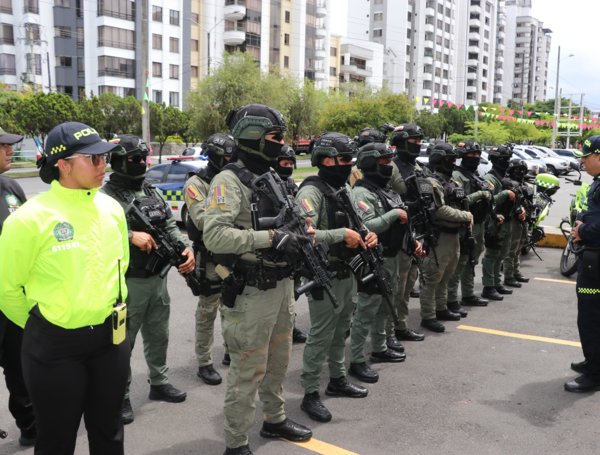
In some neighborhoods, locals have begun referring to him as "The Colonel of the Rifle," a moniker that reflects the heavy presence of tactical units in the city’s most vulnerable communes. For the residents of areas like the Cuba commune, the shift in policy is palpable.
"We know that there is still much to do, but we must acknowledge that the Police are working," says Rosa Bermúdez, a prominent social leader in the sector. "We feel that they are actively searching for these criminals and that they are not allowing them to run the streets as they once did. The Colonel is working hard against these bandits, and as a community, we are grateful for the return of some semblance of peace."
Colonel Ochoa had signaled his intent as early as March 2026, warning that the "armed component" of ‘La Cordillera’ would be met with an integrated approach: combining tactical raids, weapons seizures, and sustained pressure on drug distribution points.
The Broader Implications for Risaralda
The situation in Pereira is a microcosm of a larger national struggle. As the state attempts to regain control over urban centers, the resilience of organizations like ‘La Cordillera’ serves as a reminder of the deep-rooted nature of organized crime in Colombia.
Economic and Social Impact
The "gota a gota" extortion schemes are perhaps the most damaging aspect of the organization’s reach. By controlling the micro-economy of working-class neighborhoods, ‘La Cordillera’ forces residents into a state of debt-slavery, where the threat of violence is used to enforce payment. The police strategy of attacking these financial sources is essential; without the ability to fund their operations, the organization’s ability to pay, arm, and sustain their hit squads will inevitably collapse.
Future Challenges
The road ahead is fraught with complexity. The displacement of criminal activities from one district to another—the "balloon effect"—remains a constant risk. Furthermore, as the leadership of ‘La Cordillera’ is pressured, the potential for internal power struggles or retaliation against the civilian population remains a significant concern for intelligence agencies.
However, the current administration’s commitment to providing the necessary resources for the Metropolitan Police has provided a level of institutional support that has been missing in previous efforts. The integration of community feedback, such as the testimonials from leaders like Rosa Bermúdez, into the operational planning of the police, suggests a more sophisticated approach to "territorial recovery."

Conclusion: A Turning Point?
As the sun sets over Pereira, the tactical units of the Metropolitan Police continue their patrols. The list of aliases remains the primary document of the day, a roadmap of the individuals who have turned the city’s streets into a battlefield. Whether the current offensive will lead to the permanent disintegration of ‘La Cordillera’ or merely force its evolution remains to be seen.
What is clear, however, is that the strategy has shifted. The state is no longer content with just the street-level criminals. By targeting the coordinators, the recruiters, and the financial lifelines, Colonel Ochoa and the administration are attempting to break the back of an organization that has held too much power for too long. For the people of Pereira, the goal is simple: a city where the only names that matter are those of the citizens, not the criminals.
The coming months will be critical. The effectiveness of these operations will be measured not just in the number of arrests, but in the sustained reduction of homicides and the gradual dismantling of the fear that has defined life in the city’s peripheries for years. The "Colonel of the Rifle" has set the pace; now, the challenge is to maintain the momentum in a war that is far from over.