
Main Facts
The consumption of canned fish—particularly tuna—remains a dietary staple in millions of households worldwide, prized for its high protein content, rich omega-3 fatty acids, and unmatched convenience. However, a growing undercurrent of consumer anxiety surrounds the presence of heavy metals, specifically methylmercury, in these popular products. To demystify the labeling and help shoppers make safer, more health-conscious decisions, renowned nutritionist Blanca García-Orea (widely known across digital platforms as @blancanutri) recently released a comprehensive, highly practical shopping guide.
At the heart of García-Orea’s recommendation is a deceptively simple yet critical distinction found directly on the product labels: consumers should look for cans explicitly designated as containing simply "tuna" (often smaller species such as skipjack) rather than those labeled as "light tuna" or "white tuna" (typically larger species like yellowfin or albacore).

This distinction is far from trivial. It relates directly to the biological concept of bioaccumulation. Larger, longer-lived predatory fish accumulate significantly higher concentrations of heavy metals in their muscular tissues over time compared to smaller, fast-growing pelagic species. By teaching consumers how to decode packaging terminology, nutritional experts like García-Orea aim to empower the public to continue reaping the cardiovascular and cognitive benefits of seafood while actively minimizing their exposure to environmental toxins.
Beyond the choice of species, the expert’s guidelines extend to the frequency of consumption—recommending a cap of one to two cans per week—and the material of the packaging itself, advocating for glass jars over metal cans where possible to avoid secondary chemical leaching. As regulatory bodies like the European Food Safety Authority (EFSA) continually refine their safety thresholds for heavy metal exposure, understanding these nuances has never been more vital for public health.

Chronology of Awareness: From Industrial Contamination to Modern Dietary Guidelines
The Industrial Legacy and Early Warnings
The presence of mercury in marine ecosystems is not a recent phenomenon. For decades, industrial activities—including coal-fired power generation, artisanal gold mining, and chemical manufacturing—have released inorganic mercury into the atmosphere. This airborne mercury eventually settles into oceans and waterways, where aquatic microorganisms convert it into methylmercury, a highly toxic organic compound.
The Shift Toward Consumer-Facing Education (2020–Present)
While public health agencies have long published advisory lists regarding large predatory fish like swordfish, shark, and king mackerel, the granular details regarding canned tuna varieties remained obscure to the average supermarket shopper.

- The Rise of Social Media Nutritionists (2023–2024): Health communicators began leveraging platforms like Instagram and TikTok to translate dense toxicological reports into digestible, aisle-side shopping tips.
- Late 2025 Milestones: Nutritional authorities and digital creators synchronized their messaging, highlighting the specific marketing terminology ("atún" versus "atún claro" in Spanish-speaking markets) that often misleads consumers into buying higher-mercury fish under the assumption that all canned tuna carries an identical risk profile.
- Current Landscape (Dec 2025–Present): Experts continue to push for transparent labeling standards, urging food manufacturers to explicitly state the specific species and average weight of the fish utilized in their conservation lines.
Supporting Data: The Science of Biomagnification and Heavy Metal Concentrations
To understand why a simple wording change on a label matters, one must examine the marine food web through the lens of biomagnification.
Size, Lifespan, and Bioaccumulation
Tuna are apex or mid-to-high-level marine predators, but their life histories vary dramatically by species:
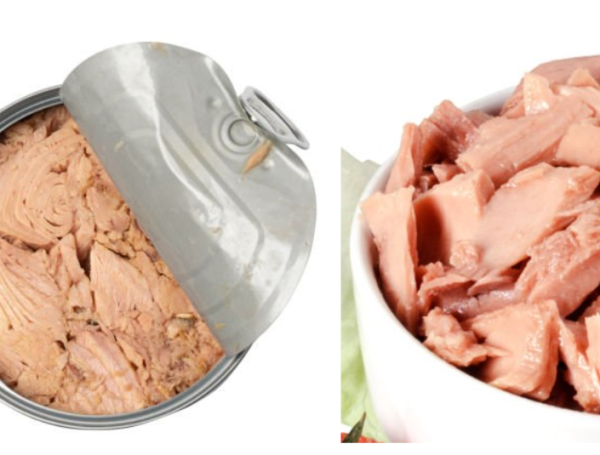
- "Atún Claro" (Yellowfin and Bigeye): These larger pelagic species can weigh up to 200 kilograms (approx. 440 pounds) and live for several years. Because they occupy a higher trophic level and consume vast amounts of smaller contaminated prey over a long lifespan, their tissues absorb and retain considerably higher concentrations of methylmercury.
- Standard "Atún" (Skipjack / Katsuwonus pelamis): Typically harvested at a much smaller size—averaging around 35 kilograms (approx. 77 pounds)—these fish have shorter lifespans and lower positions in the marine food chain, resulting in a substantially lower chemical burden.
Comparative Toxicological Metrics
Empirical studies corroborate these biological realities. For instance, research published in environmental science literature (such as analyses featured in journals like Environmental Science & Technology) frequently highlights the stark contrast in mercury loads across market varieties:
- White/Clear Tuna (Albacore/Yellowfin): Often registers mean mercury concentrations hovering around 0.407 parts per million (ppm).
- Light/Smaller Tuna (Skipjack): Frequently records significantly lower mean concentrations, often averaging around 0.118 ppm.
These numerical differences translate directly to human physiological safety margins, determining how frequently an individual can enjoy canned seafood without exceeding tolerable weekly intake levels established by global health organizations.

Official Responses and Regulatory Frameworks
Governments and food safety watchdogs worldwide have established rigorous protocols to monitor and regulate heavy metal limits in commercial seafood supplies.
The European Food Safety Authority (EFSA) Stance
The EFSA has repeatedly issued scientific opinions concerning dietary exposure to methylmercury. Their guidelines emphasize that while fish is an irreplaceable source of essential fatty acids (such as EPA and DHA) and high-quality protein, vulnerable populations—specifically pregnant women, nursing mothers, and young children—must exercise heightened caution.
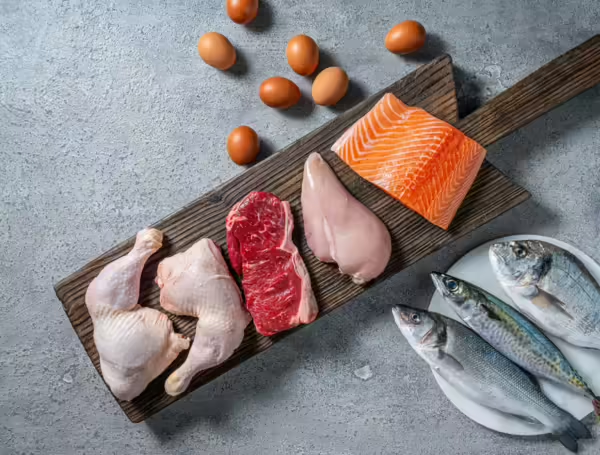
Regulatory bodies mandate strict maximum residue limits (MRLs) for mercury in commercial fish products, typically set between 0.50 mg/kg and 1.00 mg/kg depending on the specific species. However, nutritionists argue that legal compliance does not automatically equate to optimal health, prompting independent experts to advocate for stricter self-regulation by consumers regarding which specific sub-variety they place in their shopping carts.
Industry and Manufacturer Accountability
In response to consumer demand for clean labels, several progressive canning companies have begun voluntarily adopting transparent sourcing disclosures. These initiatives include printing the exact Latin binomial name of the species (e.g., Katsuwonus pelamis) on the back of the can, allowing educated consumers to verify the size and mercury profile of the catch instantly.
Implications for Public Health and Daily Nutrition
The practical takeaways from these scientific findings and expert recommendations extend far beyond the supermarket checkout aisle. They reshape how modern households approach meal planning, sustainable eating, and long-term wellness.
1. Re-evaluating Portion Control and Frequency
Nutritionists universally agree that demonizing fish consumption is counterproductive. The cardiovascular benefits—including reduced risk of arrhythmias, lower blood pressure, and enhanced neural development—far outweigh the risks, provided simple moderation is observed.

- The Golden Rule: Limiting canned tuna consumption to one to two servings (cans) per week safely captures the nutritional upside while keeping heavy metal accumulation well within safe physiological clearance rates.
2. Packaging Considerations: Metal vs. Glass
Beyond the contents of the can, experts like Blanca García-Orea recommend paying attention to the vessel itself. Choosing conservas (conserved fish) packed in glass jars rather than traditional aluminum or tin cans helps mitigate secondary risks, such as the potential leaching of trace industrial metals or protective lining chemicals (like bisphenols) into the food matrix during the high-heat sterilization process.
3. Diversifying the Seafood Rotation
For individuals who consume seafood multiple times a week and wish to reduce their exposure to mercury entirely, dietitians recommend diversifying their intake with smaller, lower-trophic oily fish. Excellent alternatives include:

- Sardines: Exceptionally high in calcium, vitamin D, and omega-3s, with virtually negligible mercury accumulation due to their tiny size and short lifespans.
- Mackerel (Small varieties): A nutrient-dense option packed with healthy fats and essential micronutrients.
- Anchovies: Often used as a flavor booster or consumed whole, offering immense nutritional value with minimal environmental toxin loads.
Conclusion
Navigating the modern seafood aisle requires a blend of consumer awareness and scientific literacy. By looking past generic marketing terms, prioritizing smaller tuna species ("atún" over "atún claro"), moderating weekly intake, and considering alternative oily fish, consumers can successfully safeguard their long-term health without sacrificing the culinary and nutritional joys of the sea.