By Global Pet Health Desk
Published: November 9, 2026

Main Facts
For decades, a common misconception among pet owners has been that keeping a cat strictly indoors acts as an impenetrable shield against illness, particularly internal parasites. However, veterinary experts emphasize that the reality is starkly different. Feline companions who never step a paw outside are still vulnerable to a wide array of internal parasites, ranging from common intestinal worms to more complex protozoa.

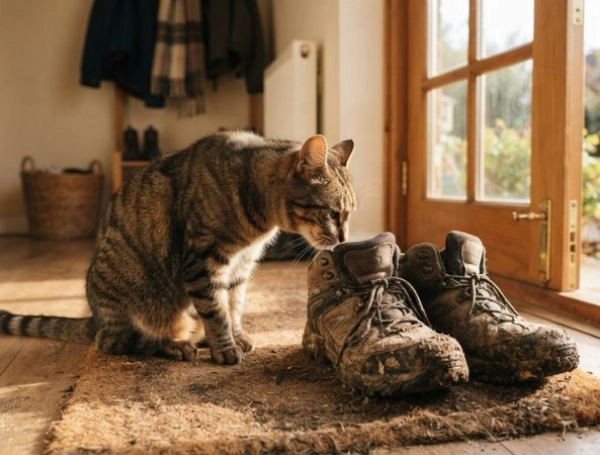
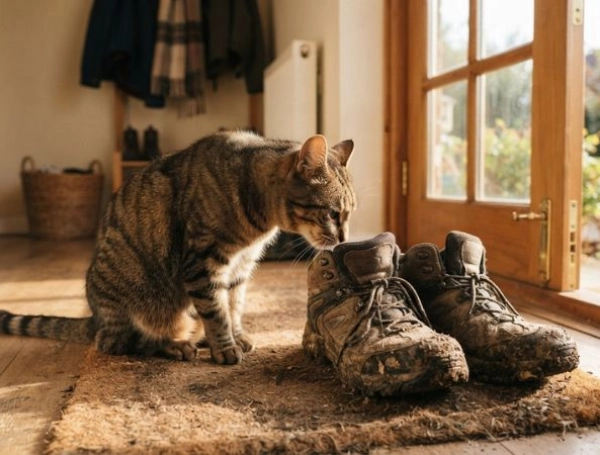
According to renowned veterinarian Víctor Algra, indoor isolation does not equal absolute safety. Parasites possess remarkable survival mechanisms and utilize unexpected pathways to breach domestic boundaries. Even in the absence of outdoor exposure or direct contact with other animals, a purely indoor cat can become infested simply through vectors introduced by humans, such as microscopic eggs hitching a ride on the soles of shoes, clothing, or shopping bags.

Veterinary science highlights that prevention requires far more than just keeping doors and windows shut. Routine stool examinations, targeted deworming protocols, and rigorous home hygiene are foundational pillars for maintaining a healthy feline companion. Because symptoms of internal parasitism can remain dormant or mimic other gastrointestinal issues, understanding the true scope of the threat is critical for every cat owner.
Chronology of Risk: How Parasites Infiltrate the Indoor Sanctuary
To understand how indoor cats contract internal parasites, veterinary specialists outline the distinct chronological timeline and mechanisms of household contamination:
- Stage 1: Environmental Transfer (The Outside World to the Threshold)
Parasite eggs, oocysts, and larvae exist abundantly in soil, parks, and urban streets. When humans walk through these areas, microscopic infectious agents adhere to the soles of footwear or clothing. - Stage 2: Domestic Transit
Once inside the home, these microscopic hitchhikers are transferred to floors, carpets, and furniture. Cats, being naturally inquisitive creatures prone to exploring every corner of their territory, frequently come into contact with these surfaces through grooming, walking, or resting. - Stage 3: Ingestion and Infestation
A cat grooms its fur or paws, inadvertently swallowing the microscopic parasite eggs. Once inside the gastrointestinal tract, these eggs hatch, mature, and begin the cycle of internal parasitism, extracting vital nutrients and damaging the host’s internal organs. - Stage 4: Secondary Vectors and Household Objects
Beyond human footwear, other elements can introduce risks. Potted plants containing unfiltered soil, contaminated raw or improperly cooked food ingredients, or even occasional indoor-visiting insects (like flies or roaches acting as intermediate hosts) can serve as delivery systems for parasites.
Supporting Data: Understanding Feline Parasitic Vulnerability
Veterinary data consistently demonstrates that internal parasites—such as roundworms, hookworms, tapeworms, and Giardia—affect domestic pets across all lifestyles. The statistical distribution of risk highlights several key factors:
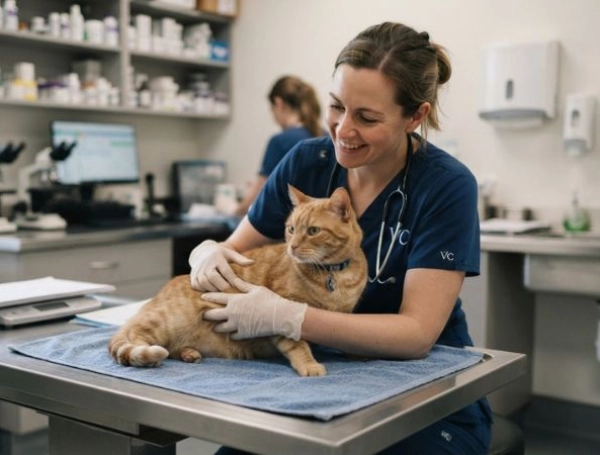
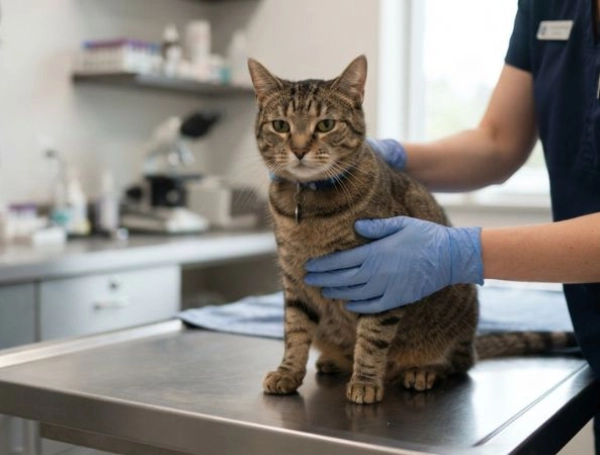
- The Indoor vs. Outdoor Divide: While cats with outdoor access—especially hunters that prey on rodents, birds, and lizards—face a significantly higher exposure rate (requiring strict deworming protocols at least four times a year), indoor-only cats still register a non-zero infection rate. Veterinary guidelines recommend at least one to two preventative fecal analyses annually for indoor felines.
- Asymptomatic Carriage: A significant percentage of infected indoor cats display no immediate, overt symptoms. Parasites can quietly undermine a cat’s nutritional status, leading to gradual weight loss, dull coat texture, or intermittent digestive upsets that owners often misattribute to routine hairballs or minor food sensitivities.
- Human Health Implications (Zoonotic Risk): Certain feline parasites, notably roundworms and hookworms, are zoonotic, meaning they can be transmitted from cats to humans. Children and immunocompromised individuals living in the household face heightened risks if indoor pets harbor undetected internal parasites. Proper hygiene and regular veterinary checks thus protect the entire family unit.
Official Responses and Expert Insights
Veterinary professionals worldwide are actively working to dispel the myth of the "invulnerable indoor cat."

Dr. Víctor Algra underscores that preventative medicine must be individualized. "Not all cats need the exact same treatment," Dr. Algra explains. Factors such as the cat’s age, weight, daily habits, and underlying medical history must be carefully evaluated before administering any medication. Relying on generalized over-the-counter dewormers without professional guidance can be ineffective or, worse, harmful to the animal’s delicate metabolic systems.

Furthermore, leading veterinary organizations and pet health advocates emphasize the irreplaceable value of diagnostic testing. Rather than blindly administering broad-spectrum chemicals on a guessing schedule, veterinarians advocate for routine fecal flotation and centrifugation tests. These diagnostic tools allow clinicians to identify the exact species of parasite present, ensuring precise, targeted, and safe medical interventions.

Dr. Claudia Edwards, a prominent veterinary behaviorist and specialist in feline welfare, notes that viewing cats as entirely independent or low-maintenance creatures is a dangerous pitfall for owners. Felines require comprehensive physical care—including preventive medicine, environmental enrichment, and behavioral observation—to thrive in human-dominated spaces.

Implications for Cat Owners
The realization that indoor cats are susceptible to internal parasites carries several crucial implications for modern pet ownership:

- Redefining "Safe" Environments: Owners must recognize that the home is a permeable environment. Simple housekeeping habits—such as leaving shoes at the door, regularly washing pet bedding at high temperatures, and maintaining strict litter box hygiene—become vital defense mechanisms.
- Shift Toward Proactive Veterinary Care: Routine wellness exams can no longer be reserved for sick animals or outdoor adventurers. Biannual or annual veterinary check-ups, complete with fecal screenings, must become a standard part of every indoor cat’s healthcare routine.
- Tailored Medical Protocols: Owners should avoid self-diagnosing or purchasing generic preventative treatments online. Partnering with a licensed veterinarian ensures that the chosen antiparasitic strategy matches the cat’s specific physiological profile and lifestyle realities.
- Enhanced Quality of Life: By bridging the gap between indoor safety and proactive parasite control, owners can prevent severe nutritional deficiencies, chronic digestive disorders, and potential zoonotic transmissions, thereby ensuring a longer, healthier, and happier life for their feline companions.
Stay informed on all aspects of pet health, welfare, and lifestyle by subscribing to our weekly newsletter and following our dedicated coverage.