By Juan Sebastián Lombo Political Desk, EL TIEMPO Published: November 7, 2026 | Updated: November 8, 2026
Main Facts
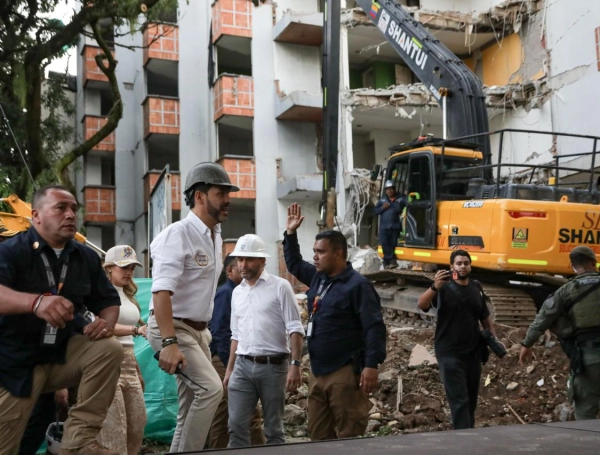
As the administration of Colombian President Abelardo De La Espriella approaches its critical 100-day milestone, a distinct and highly personalized governing style has crystallized. Observers, political analysts, and key government sectors agree that the core architecture of this executive branch was thrust into the spotlight on day one, tested immediately by the catastrophic August 10 earthquake that struck during the very first business day of the new term.
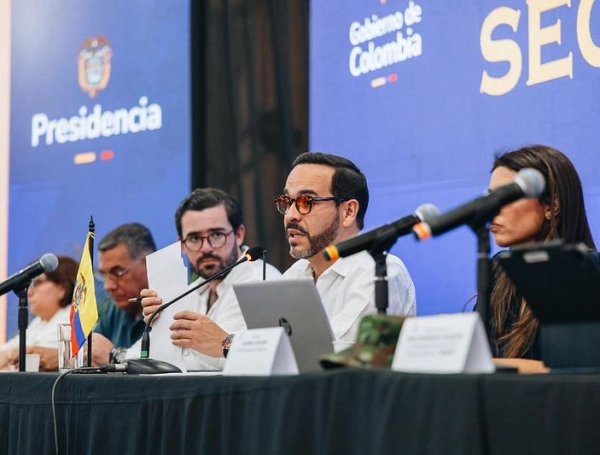
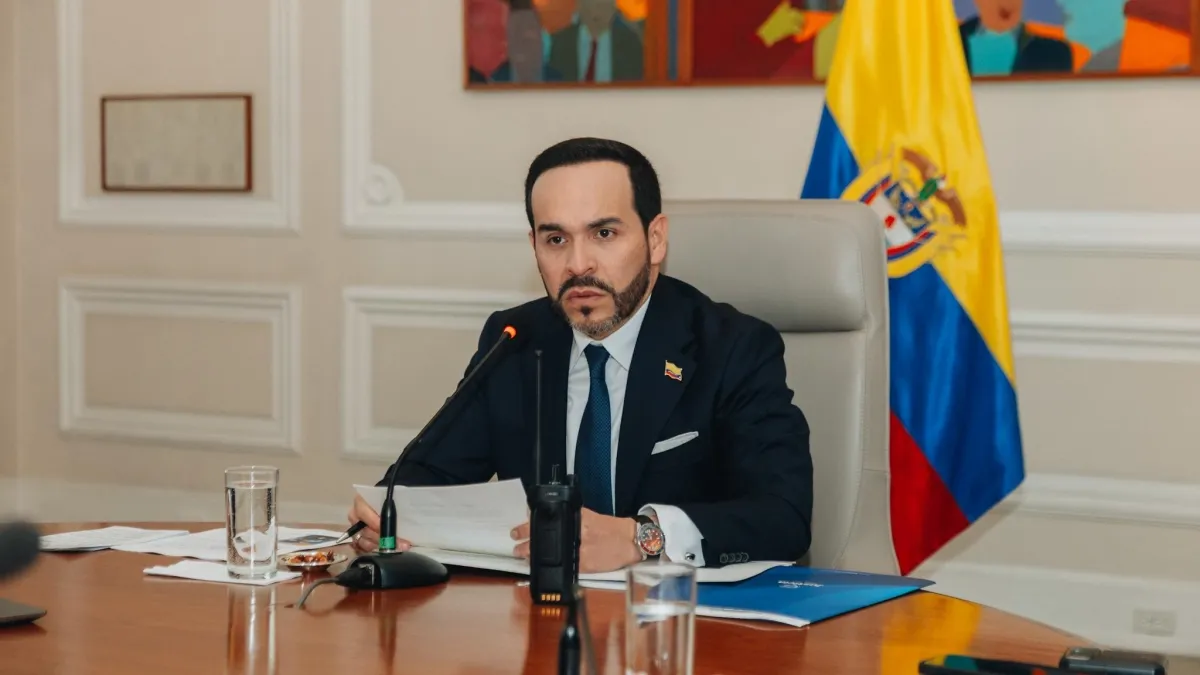
Unlike traditional administrations defined by bureaucratic distribution and cautious institutional deliberation, the De La Espriella presidency operates on a model of aggressive hyper-centralization. Political analyst Pedro Medellín summarizes the phenomenon succinctly: "More president than presidency. The president concentrates everything: messages, policy decisions, and appointments."
This approach relies heavily on micro-management, an intense focus on security operations, and a media strategy that bypasses conventional political intermediaries in favor of direct digital communication. By heavily leaning into high-visibility security crackdowns in major urban hubs—such as Bogotá, Medellín, Cali, and Santa Marta during the "Los Pachenca" armed strike—the administration has successfully manufactured a narrative of immediate, unyielding authority.
Yet, this strongman posture comes with systemic friction. The total centralization of communications under the Casa de Nariño, spearheaded by chief advisor Carlos Suárez, has sidelined traditional cabinet voices and fractured relations with the traditional political class. From abrupt cabinet shake-ups, such as the hasty departure of former Minister Rodrigo Lara after less than three months, to public confrontations with regional leaders, the administration’s first 100 days have laid bare a high-stakes gamble: trading legislative consensus and institutional stability for rapid, emotion-driven public approval.
Chronology of a High-Stakes Launch
To understand the trajectory of the De La Espriella administration, one must examine the timeline of events that defined its explosive entry into power:
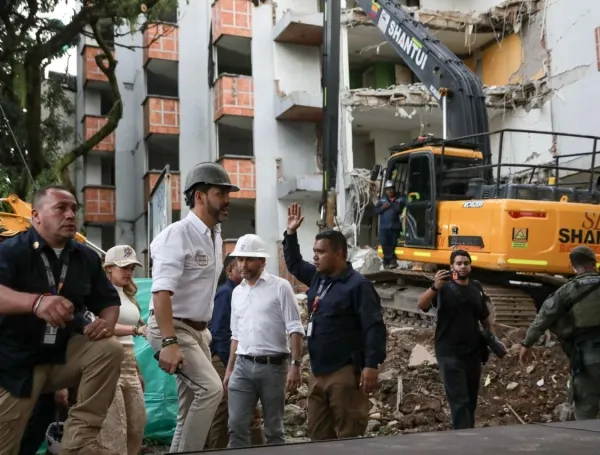
August 10, 2026 (Day One): The new administration barely has time to take the oath of office before a major earthquake strikes the country. The disaster serves as an immediate, baptism-by-fire test of executive responsiveness, setting the tone for a crisis-management style built on rapid deployment and visible presidential oversight.
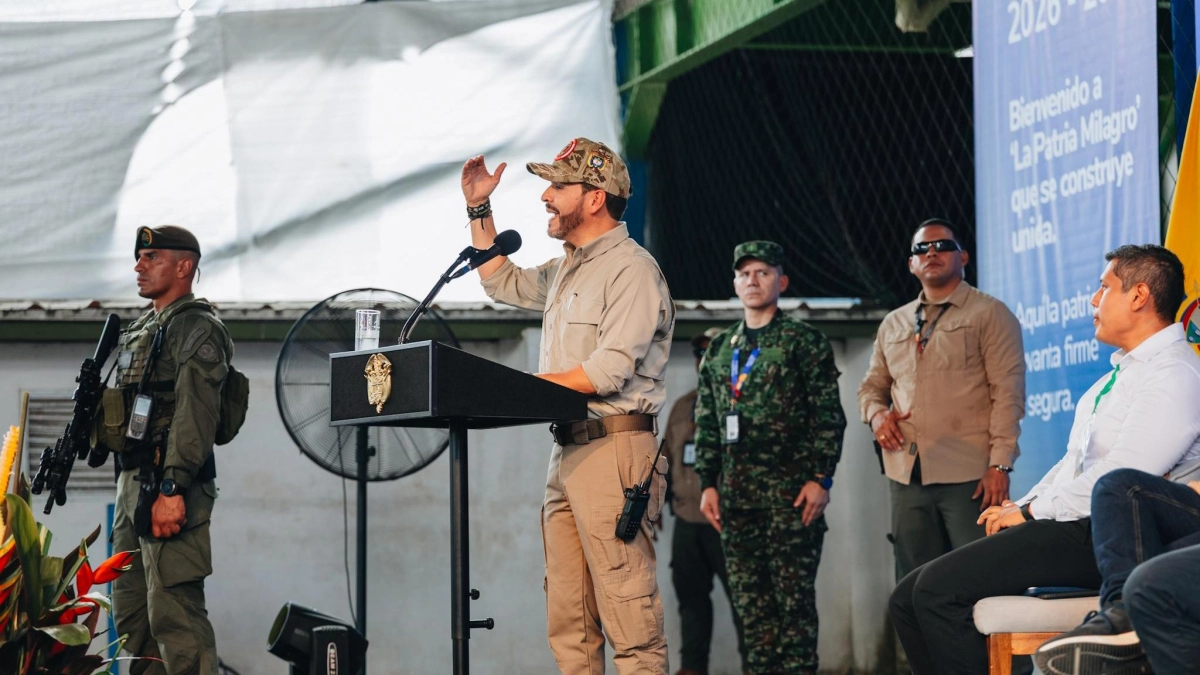
Late August to September 2026: The administration begins orchestrating pre-dawn mega-operations against criminal organizations in key urban centers like Medellín, Cali, and Santa Marta. President De La Espriella breaks historical precedent by physically accompanying security forces during raids, sporting tactical gear and interacting directly with detainees.
September 24, 2026: Cracks in the newly formed cabinet emerge. Minister of Finance Rodrigo Lara exits his post amid legislative turbulence and budgetary miscalculations, failing to complete even three months in office and signaling early friction in executive-legislative coordination.
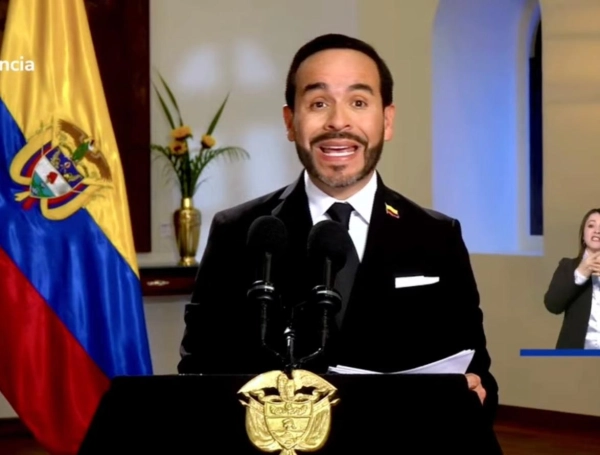
Late October 2026: The administration institutionalizes its direct-to-citizen broadcasting strategy, rolling out a series of tightly scripted Sunday televised addresses that interrupt private network programming, mirroring past communication formats but with disciplined adherence to prepared scripts.
October 25 – November 7, 2026: President De La Espriella initiates a series of high-profile public confrontations with regional figures and local politicians accused of corruption or ideological divergence, including Sincelejo Mayor Yahir Acuña, San Andrés Representative Elizabeth Jay Pang, and Nariño Governor Luis Alfonso Escobar, further cementing his outsider, anti-establishment brand.
Supporting Data & Strategic Framework
The operational mechanics of the administration are deeply rooted in calculated political communication and symbolism. According to insights shared by key strategists and political analysts, the architecture of the government’s public image is deliberately engineered to evoke emotional resonance rather than dry policy debates.
Carlos Suárez, the principal architect of De La Espriella’s communication strategy and current chairman of the board of directors of Ecopetrol, famously articulated the philosophy driving the administration in an interview with BOCAS magazine:
"I have been saying one thing for which I have been heavily criticized, but the method proved to be true: political campaigns are nothing more than show business. They are not won with proposals, but with emotions and feelings. What societies choose is a type of leader capable of fulfilling the collective dream. For proposals, there are the ministers, who will execute them. The big mistake makers are those who have read campaigns and elections as a rational process, when, in reality, they are an emotional process. And that is not new."
This emotional and symbolic approach has transformed the digital footprint of the presidency. Instagram has become the primary administrative bulletin board, featuring frequent, time-stamped videos of the president working late into the night. These posts are meticulously curated to contrast with the perceived sluggishness of past administrations—most notably that of former President Gustavo Petro—where responses to national crises often lagged by hours or days.
Political communication expert Juan Sebastián Delgado notes the dual nature of this strategy:
"It reaffirms the leadership on security issues that he had proposed since the campaign, not only from the execution of operations in key cities like Barranquilla or Medellín, but from the symbolism used in them: weapon at the waist, bulletproof vest, military gestures, among others. Although he wants to centralize communication through his spokesperson and himself, the weekly broadcasts via social networks give the perspective of wanting to democratize government communication with the citizenry. He wants to look and feel close to the people."
However, data from analytical firms such as Sonar, which evaluated the administration’s initial 90-day performance, highlight the institutional costs of this hyper-centralized, fast-paced model. While public approval remains high due to swift security triumphs, structural indicators point toward severe coordination bottlenecks.
Official Responses and Stakeholder Perspectives
The executive branch’s aggressive positioning has drawn sharply polarized reactions from across the political spectrum, pitting enthusiastic grassroots supporters against wary institutional analysts and alienated political parties.
Proponents of the administration argue that the population was exhausted by decades of political compromise and judicial laxity. Senator Hernán Cadavid of the Centro Democrático vocalized this sentiment during recent congressional debates, celebrating the approval of aggressive anti-crime legislation: "The country is tired of laxity, of constantly forgiving criminals."
In contrast, political analysts warn that the administration’s contempt for traditional congressional alignment could paralyze its broader legislative agenda. Gustavo Duncan, a prominent political analyst, explains the administration’s pragmatic focus on security:
"He is conscious of the need to build a broad consensus of opinion on the legitimacy of his government, and he does so through security, which is the one that can yield results the fastest because other areas take longer. He has to concentrate on the issue that can be popular."
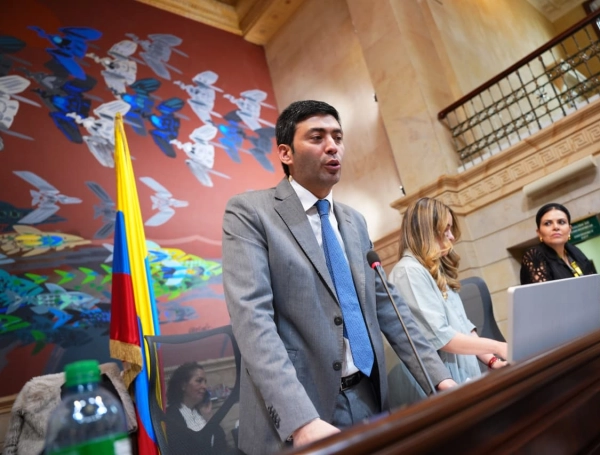
The decision to entirely bypass traditional meetings with congressional party benches—a customary ritual for incoming Colombian presidents—has alienated legislative power brokers. Furthermore, the administration’s penchant for public confrontations with regional governors and mayors has strained vertical integration between national and local governments.
Nury Astrid Gómez, an expert in political communication, cautions against the long-term viability of perpetual confrontation:
"De La Espriella understands the value of confrontation to keep his support base cohesive and uses his personal figure as the main reference of authority. However, this strategy has a risk: governing requires expanding consensus, managing differences, and building trust beyond those who elected him. Communication can generate a perception of leadership, but that perception needs to be sustained by verifiable results."
Implications for the Future of Governance
As the administration moves past its honeymoon phase and looks toward the remainder of its term, the long-term implications of the De La Espriella model are coming into sharper focus.
The Risk of Institutional Instability: The rapid turnover of high-level cabinet officials—exemplified by Rodrigo Lara’s abrupt exit—highlights a troubling pattern of administrative volatility. As the Sonar report notes, frequent changes at the ministerial level threaten the continuity of vital state entities, delay complex bureaucratic processes, and create systemic uncertainty that could undermine long-term economic and social initiatives.
The Limits of Micro-Management: While the image of a hands-on, tactical president makes for compelling social media content and swift crisis response, modern nation-states cannot be effectively run through Instagram stories and early-morning police raids alone. The concentration of all decision-making authority within the Casa de Nariño creates dangerous operational bottlenecks.
The Legislative Battleground: Having alienated the traditional political class and refused traditional alliance-building rituals in Congress, the executive faces a formidable legislative road ahead. Pushing through structural reforms without legislative consensus will test whether raw public approval and emotional resonance can override institutional gridlock.
Ultimately, Abelardo De La Espriella’s first 100 days have rewritten the playbook of Colombian political communication. By trading traditional diplomacy for digital populism and legislative negotiation for direct executive command, the administration has forged a powerful new political identity. Whether this high-octane style can translate into sustainable, institutionalized governance remains the defining question of this emerging presidential era.
By Laura Juliana Castellanos Guevara Political Desk, EL TIEMPO November 3, 2026 Main Facts The legislative future of President Abelardo De La Espriella’s administration rests on a razor-thin margin of time and procedural survival. On…
By Laura Nathalia Quintero Breaking News Desk Published: September 20, 2026 Main Facts An unprecedented institutional standoff has erupted between the executive branch of Colombia and the nation’s transitional justice system. President Abelardo De La…
Cartagena, Colombia — In what local authorities have hailed as a watershed moment for the region’s development, the government of President Abelardo De La Espriella has pledged an unprecedented financial injection exceeding $1.15 trillion COP…