
By Economic Analysis Desk
Updated: July 4, 2026
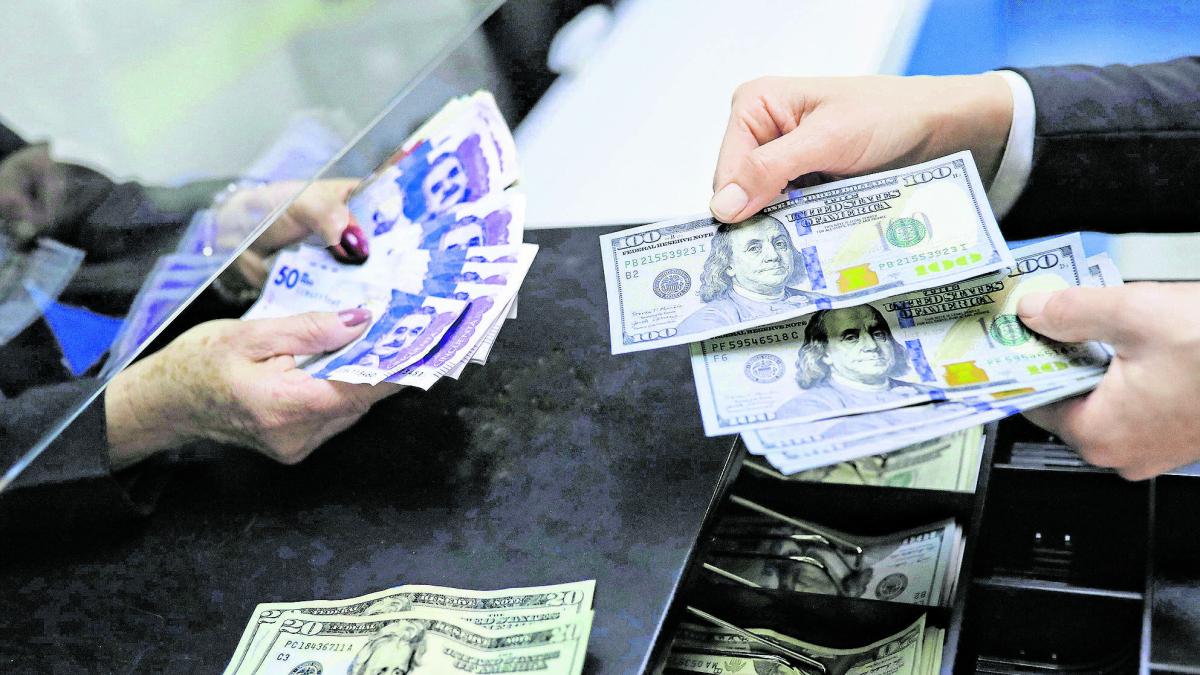
The Colombian peso is currently experiencing one of its most robust periods in recent history. As the currency continues to regain ground against the U.S. dollar, the nation finds itself at a pivotal economic crossroads. What began as a market-driven relief rally following the recent presidential elections has evolved into a sustained trend, pushing the exchange rate to levels not seen since early 2020. While this appreciation brings welcome relief to importers, international travelers, and businesses reliant on foreign inputs, it has simultaneously triggered alarm bells among industrial leaders and exporters who fear a long-term erosion of national competitiveness.
The Current Landscape: A Currency Defying Global Trends
The strength of the Colombian peso is particularly striking given the global economic context. In a period where the U.S. dollar has demonstrated significant resilience against most major global currencies, the peso has moved in the opposite direction.
As of the close of June 2026, the peso has appreciated by approximately 15.5% compared to the same period last year. When measured against the start of 2026, the currency has gained more than 8%, with a monthly increase exceeding 6%. This rapid shift has caught many market analysts off guard, forcing a re-evaluation of the country’s economic risk premium.

Chronology of a Financial Shift
The momentum behind the peso intensified immediately following the second round of the presidential elections. On the Monday following the vote, the Representative Market Rate (TRM) stood at 3,459.53 pesos. By the following day, it had retreated to 3,406.14 pesos.
The downward trajectory continued throughout the final days of June, with the TRM oscillating between 3,425 and 3,443 pesos. By July 2, the rate dropped further to 3,403.35 pesos—a valuation not witnessed since February 24, 2020. During early morning trading on July 3, the trend accelerated, with the average negotiated rate hitting 3,354 pesos and some individual transactions reaching as low as 3,343 pesos, levels reminiscent of January 2020.

Supporting Data: Why the Peso is Strengthening
According to a comprehensive market report by Grupo Cibest (Bancolombia), the Colombian peso saw an appreciation of 7.4% during June alone, positioning it as the top-performing currency among the major economies analyzed.
Internal Drivers
The report highlights three primary internal drivers for this performance:

- Shift in Expectations: The resolution of the electoral uncertainty led to a rapid inflow of foreign capital and a surge in domestic investor confidence.
- Increased Foreign Inflows: Renewed interest in Colombian assets from international players has bolstered liquidity.
- Monetary Policy: The decision by the Banco de la República to hike the benchmark interest rate to 12% has made investments in pesos significantly more attractive. By widening the yield differential, the central bank has inadvertently encouraged carry trade strategies, where investors borrow in low-interest currencies to invest in higher-yielding Colombian assets.
This trend is an outlier. During the same period, the DXY index, which tracks the dollar’s strength globally, rose by 2.3%, while the price of Brent crude oil—a major driver of the Colombian economy—fell by roughly 21%. Despite these external headwinds, the peso continued its ascent, proving that domestic sentiment currently outweighs traditional commodity-price correlations.
Institutional Perspectives and Future Outlook
The prevailing consensus among financial analysts is that the "electoral honeymoon" is already priced into the current exchange rate. Moving forward, the currency’s behavior will be tethered to more structural economic indicators.

The Role of the Central Bank
Acciones & Valores notes that while the peso maintains strong fundamentals, the margin for further appreciation is narrowing. "The evolution of the dollar will now depend more heavily on the decisions made by the Board of Directors of the Banco de la República, the trajectory of inflation in the United States, and the Federal Reserve’s monetary policy," the firm stated.
Uncertainty on the Horizon
Grupo Cibest projects that for July, the dollar could trade within a range of 3,440 to 3,580 pesos. This forecast accounts for the high level of international volatility and the market’s anticipation of the new administration’s fiscal agenda. The naming of the new economic cabinet and the government’s plan for fiscal consolidation will be the next major "litmus tests" for the market.
The Double-Edged Sword: Implications for Industry
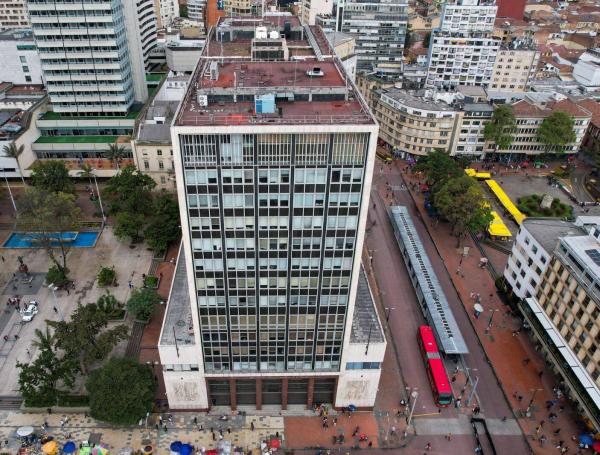
While the stronger peso eases inflationary pressures and makes foreign travel cheaper for citizens, it creates a "Dutch disease" risk for the productive sector.
The Industrial Dilemma
Research from the Banco de Bogotá suggests that the current exchange rate is hindering the recovery of the national industry. While the overall economy grew by 2.4% between January and April, the manufacturing sector lagged with a modest 1.7% expansion.

The discrepancy is largely attributed to the substitution effect: as imported goods become cheaper, households are shifting their consumption away from domestic products. Sales of electronics, appliances, and footwear have surged, but these are largely imported items, whereas local manufacturers are struggling to compete on price.
The Export Sector’s Plea
Perhaps the most vocal opposition to the current exchange rate comes from the export sector. A coalition of trade associations representing coffee, flowers, bananas, palm oil, sugar, and avocados has issued a formal warning.
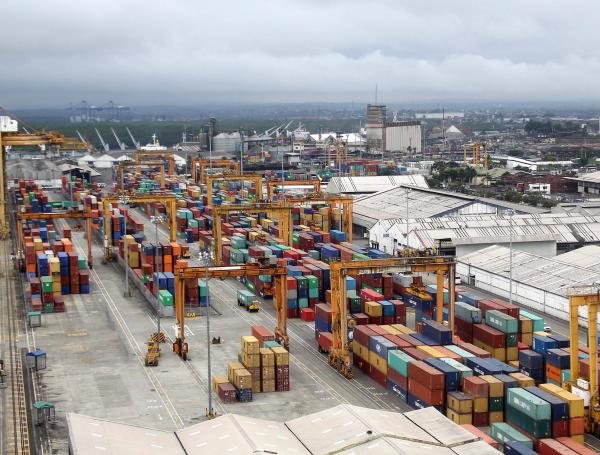
For these exporters, who collectively account for over $10.2 billion in sales and provide roughly 2.5 million jobs, the math is increasingly difficult. They receive revenue in dollars but must cover the majority of their operational costs—labor, energy, transport, and local taxes—in pesos.
"The rapid appreciation of the peso is directly reducing our margins and threatening our international competitiveness," the coalition stated. They have urged the incoming administration to implement protective mechanisms to ensure that the agricultural and manufacturing export engines do not stall under the weight of an overvalued currency.

Conclusion: A Delicate Balancing Act
The Colombian economy is currently navigating a period of paradoxical success. A strong currency is often a sign of national stability, yet if it persists at these levels without a corresponding increase in productivity, it risks hollowing out the very industries that drive long-term growth.
As the second half of 2026 begins, the government faces a complex mandate: it must maintain the investor confidence that has brought the dollar down, while simultaneously crafting fiscal and trade policies that prevent the "export sector crisis" that analysts are warning about. The coming months will determine whether the peso’s current strength is a sign of a maturing economy or a temporary peak that leaves the nation’s producers vulnerable to an increasingly globalized, and increasingly expensive, marketplace.

For now, investors, policymakers, and industry leaders remain locked in a tense observation of the markets, waiting to see if the central bank or the new administration will intervene to soften the blow for the country’s exporters or if they will allow the market to find a new, albeit painful, equilibrium.