By Economic Reporting Desk
September 10, 2026
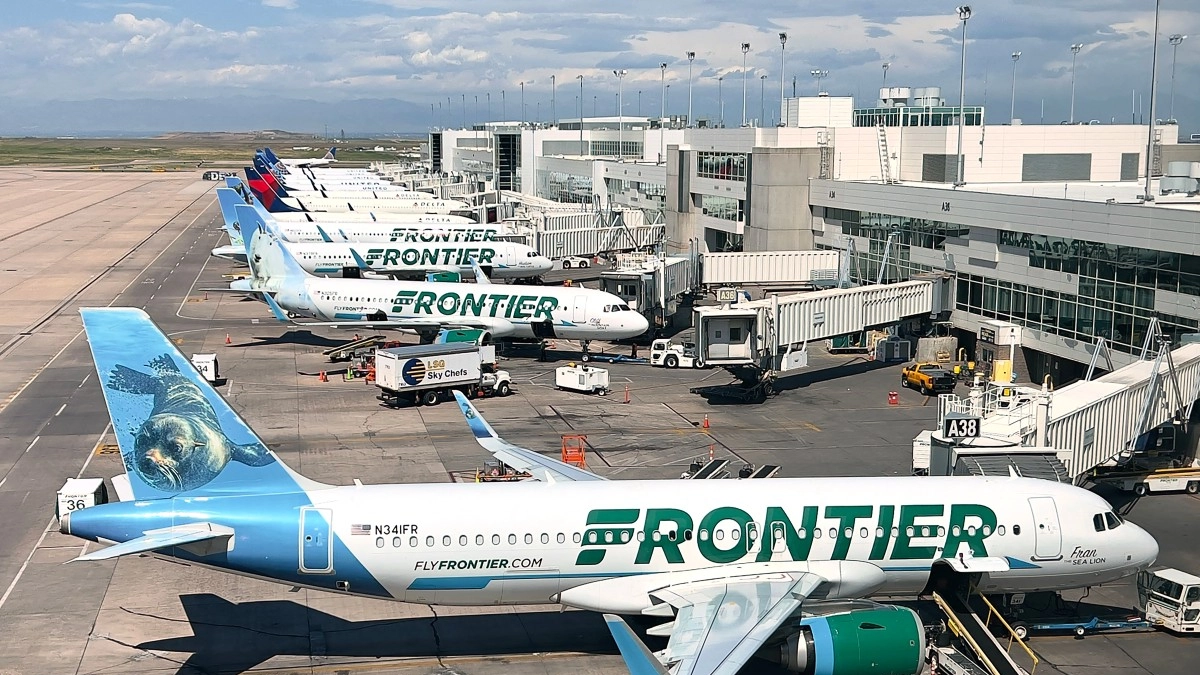
In a strategic maneuver that promises to reshape the landscape of regional aviation, American low-cost carrier Frontier Airlines has officially announced its entry into the Colombian market. This expansion marks a pivotal moment for the South American nation, as it secures a new, high-frequency link to the United States. Beginning this December, travelers will have access to direct flights between Orlando International Airport and three of Colombia’s most vital urban and tourism hubs: Bogotá, Medellín, and Cartagena.
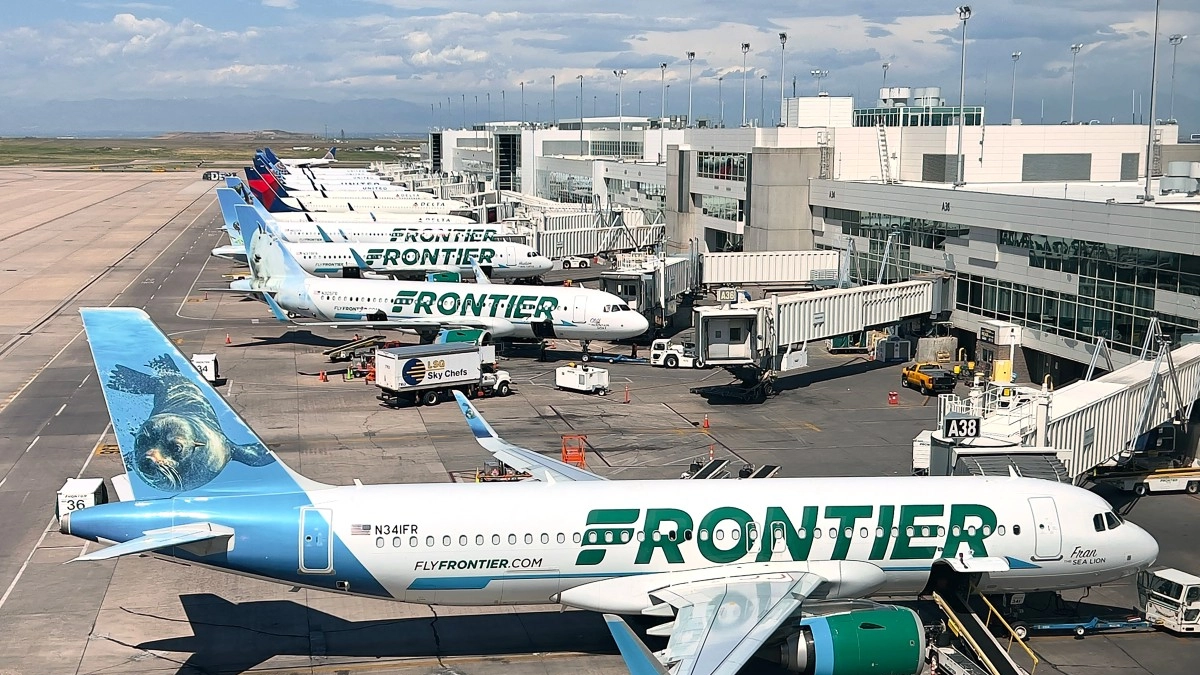
The arrival of Frontier, known for its "ultra-low-cost" business model, is widely seen as a catalyst for economic growth, aiming to democratize air travel between the two nations and significantly boost both inbound tourism and bilateral commercial exchange.
The Operational Blueprint: A Gradual Expansion
Frontier Airlines’ entry into the Colombian market is not merely a pilot project; it is a calculated, multi-phase expansion designed to integrate Colombia into its broader North American and Caribbean network.

According to the official rollout plan, the carrier will initiate its Colombian operations in December 2026 with an initial cadence of 14 weekly frequencies. This capacity is set to increase as the carrier gains a foothold in the local market. By March 2027, the airline has committed to scaling its operations to 15 weekly frequencies, effectively transitioning the routes to a daily service model.
This strategy reflects a growing trend in the aviation industry where secondary and tertiary international airports—such as Orlando—are increasingly used as primary gateways for regional expansion. By leveraging Orlando as a central hub, Frontier intends to offer Colombian passengers seamless connectivity to over 50 additional destinations across the Caribbean and the United States, thereby maximizing the utility of its new route network.

A Strategic Milestone: Why Colombia?
For Frontier Airlines, the decision to select Colombia as its inaugural destination in South America was driven by robust market analysis. Daniel Camejo, Vice President of Frontier Airlines, highlighted the strategic importance of this move during the announcement.
"Bogotá, Medellín, and Cartagena will be our first destinations in the country, and this expansion represents our first foray into South America," Camejo stated. "Colombia is a strategic market for us. This is merely the beginning of a long-term commitment to build and develop our presence here, fostering deeper ties between our two nations."
Industry analysts point out that Colombia has become an increasingly attractive destination for low-cost carriers due to a growing middle class, a burgeoning tourism sector, and a geographic location that serves as a natural bridge between North and South America. By providing lower-cost alternatives to legacy carriers, Frontier is poised to capture a segment of the market that has historically been underserved or priced out of international travel.
Chronology of Market Integration
The path to this announcement has been marked by months of behind-the-scenes negotiations and regulatory alignment.

- Q1-Q2 2026: Initial feasibility studies were conducted by Frontier Airlines to evaluate route profitability and demand forecasting for the Orlando-Colombia corridor.
- August 2026: Preliminary agreements were reached between the airline and the Colombian aeronautical authorities regarding slot allocation and regulatory compliance.
- September 10, 2026: Formal public announcement of the routes and frequency schedules.
- December 2026: Scheduled commencement of the 14-weekly flight operation.
- March 2027: Expected transition to daily, high-frequency service.
This timeline is subject to final government approvals, a process that both the airline and the Colombian Ministry of Commerce, Industry, and Tourism have described as being in the final stages of completion.
The Economic Impact: An Official Perspective
The arrival of a major international airline is rarely just about transportation; it is an economic development event. The Colombian government has hailed the partnership as a significant victory for the country’s tourism and business sectors.

Minister of Commerce, Industry, and Tourism, Mauricio Gómez Amín, emphasized that the arrival of Frontier is a testament to the country’s ongoing efforts to attract foreign investment. "The arrival of Frontier in Colombia signifies much more than just new routes; it means expanded possibilities for travelers, entrepreneurs, and investors to connect with our country," said Gómez Amín. "Every new connection opens a door to tourism, trade, and fresh opportunities for all Colombians."
This sentiment is echoed by ProColombia, the national agency responsible for promoting exports, international tourism, and foreign investment. Samuel Bluman Levy, President of ProColombia, noted that the success of these negotiations is the result of a cohesive, public-private partnership.

"Bringing a new airline to our country is not just about opening a route; it is about creating opportunities for business, tourism, and connectivity for thousands of our citizens and international visitors," Bluman Levy stated. "This alliance serves as a blueprint for how we can continue to position Colombia as a premier destination in the Americas."
Supporting Data: A Competitive Landscape
The United States currently stands as the primary source of international visitors to Colombia, a position that is now being further solidified by this new partnership.
As of September 2026, the air travel market between the two countries boasts an impressive infrastructure, with approximately 350 weekly frequencies and over 61,700 seats available on direct flights connecting 12 different American cities with Colombian destinations.
The introduction of Frontier’s low-cost model is expected to exert downward pressure on ticket prices across the board, as competitors respond to the new market entrant. This price competition is a classic hallmark of the low-cost carrier (LCC) entry strategy, which historically results in a "stimulation effect," where the total volume of passengers increases due to increased affordability.

Broader Implications: Tourism and Trade
The implications for the Colombian tourism industry are profound. With direct access to Orlando—a major global transit point—Colombian destinations such as the historic walled city of Cartagena and the bustling business metropolis of Medellín become far more accessible to the American market.
Furthermore, the business sector stands to benefit from improved logistical connectivity. As Colombia continues to diversify its economy away from traditional commodity exports, the ability to facilitate the movement of business professionals and investors is paramount. By reducing the time and cost associated with travel, Frontier is lowering the barrier to entry for international firms looking to establish or expand operations in Colombia.

Looking Ahead: The Future of Colombian Aviation
While the immediate focus is on the successful launch of the Orlando-Colombia routes, industry observers are already speculating on the potential for further expansion. Given Frontier’s aggressive growth strategy in other regions, it is highly likely that if the initial routes perform according to projections, the airline will look to add secondary Colombian cities or additional U.S. hubs in the coming years.
However, the airline must navigate the complexities of the local market, including infrastructure capacity at major airports like El Dorado in Bogotá and the competitive pressures from both legacy carriers and established low-cost competitors already operating in the region.

As the industry prepares for the December launch, the mood in the Colombian aviation sector is one of cautious optimism. The arrival of a new, major international player is a clear signal of confidence in the Colombian market, suggesting that despite global economic headwinds, the country remains a key focal point for international expansion.
For the average traveler, the promise of more affordable, direct flights represents a significant shift in connectivity. As the landscape continues to evolve, the partnership between the Colombian government and Frontier Airlines will serve as a bellwether for the future of international air travel in South America.

For ongoing updates regarding this story, including booking information and final government approvals, stay tuned to our economic news coverage through our official channels.