By Justice Desk Reporting
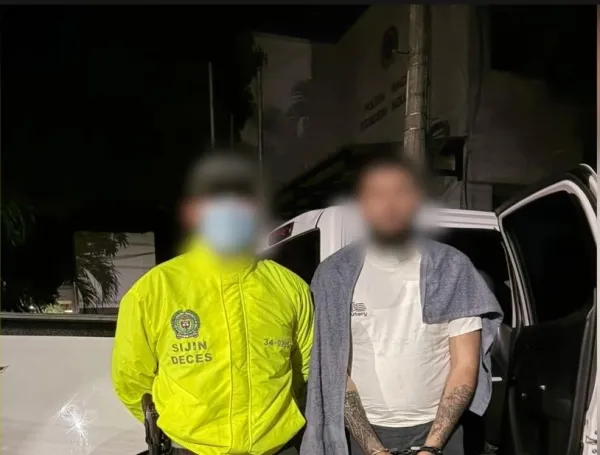
In a significant blow to the operational capacity of the FARC dissident groups, Colombian security forces have successfully captured David José Rosales Castiblanco, a key operative known as "Brayan Veneco." His arrest, following a high-stakes intelligence operation in the southern region of Bolívar, marks a pivotal development in the ongoing investigation into the systematic recruitment of foreign nationals—specifically Venezuelan minors—by illegal armed groups operating within Colombia.
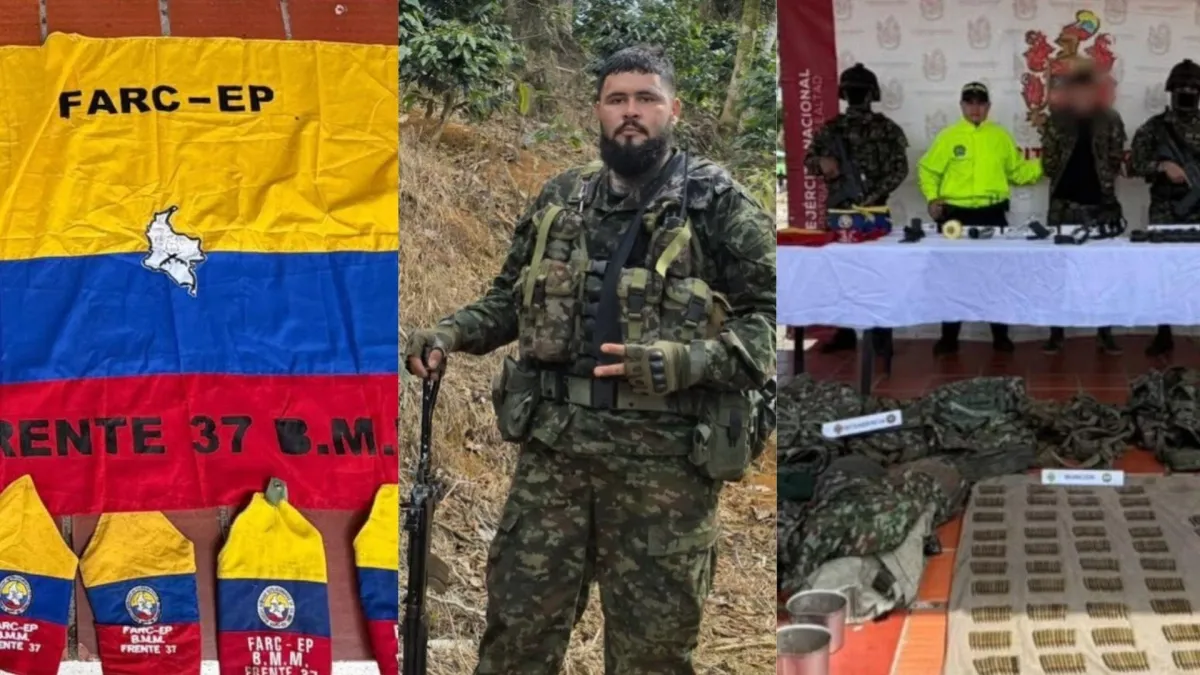
The operation, led by an elite unit of the National Police in coordination with the Directorate of Criminal Investigation and Interpol (Dijín) and the Office of the Attorney General, underscores a growing trend identified by intelligence agencies: the transformation of local insurgent structures into transnational entities that exploit the vulnerabilities of migrant populations to fuel their territorial expansion.
Main Facts: A Targeted Strike Against the ‘Gentil Duarte’ Bloc
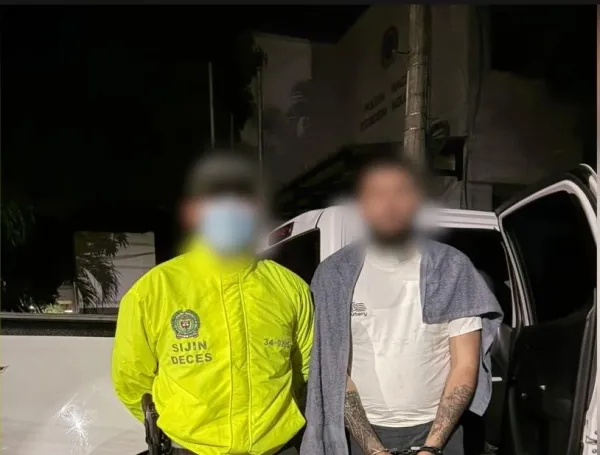
The arrest of Rosales Castiblanco, an alleged member of the 4th Structure of the "Gentil Duarte" Bloc of the FARC dissidents, was the culmination of a multi-year surveillance effort. The operation was originally intended to capture alias "Jhon Fiera," a high-ranking commander within the structure. However, the intervention resulted in the capture of "Brayan Veneco," who was injured during the exchange and subsequently transported to a hospital in the municipality of Morales, Bolívar.

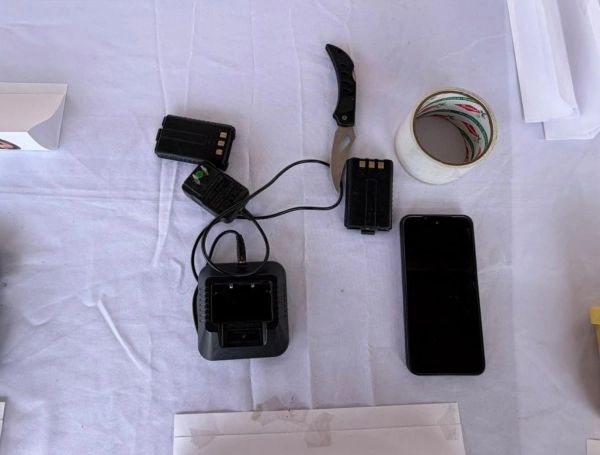
It was within the confines of the medical facility that investigators, through biometric analysis, fingerprint verification, and the examination of distinct tattoos, confirmed that the man in custody was indeed the high-value target featured on the Antioquia Governor’s "Most Wanted" list. Upon his capture, authorities recovered a Venezuelan identification card, confirming his nationality and providing the first concrete link in a wider investigation into the recruitment of fellow Venezuelan nationals.
The 4th Structure of the "Gentil Duarte" Bloc is currently under investigation for a litany of crimes, including the targeted assassinations of social leaders, threats against signatories of the 2016 Peace Agreement, extortion-related kidnappings, and the systemic intimidation of merchants across the departments of Antioquia, Santander, and southern Bolívar.
Chronology of a Criminal Trail
The investigation into "Brayan Veneco" is not a recent development. Since 2023, the Group for Investigations of Crimes against Public Security and Terrorism, part of the Dijín, has been meticulously reconstructing his movements.
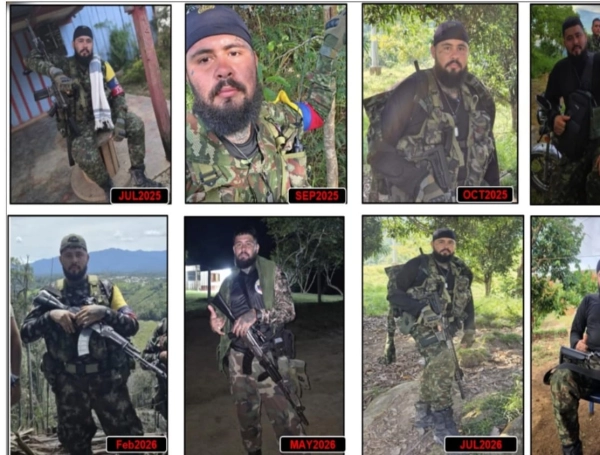
- 2023 – The Digital Trail: Intelligence officers began monitoring the social media profiles associated with Rosales Castiblanco. These platforms served as a digital log of his criminal activity, featuring photographs where he appeared alongside groups of young men. Forensic analysis of these images, cross-referenced with field reports, indicated that many of these individuals were Venezuelan migrants, including several minors.
- February 2024 – Community Coercion: Investigations link the structure to the forced confinement and displacement of 18 families (34 people) in the Altos del Socorro sector, marking an escalation in the group’s efforts to exert total territorial control.
- May 22, 2024 – The Remedios Massacre: A critical point in the criminal dossier. Armed individuals executed an ambush in the Plaza Nueva rural area of Remedios, Antioquia, resulting in the deaths of 13 people allegedly affiliated with the ‘Clan del Golfo.’ Rosales Castiblanco is under active investigation for his alleged participation in this massacre.
- September – October 2024 – Large-Scale Displacement: The structure’s aggressive tactics reached a peak when they forced 22 families into confinement for 15 days in the Bocas del Chicamoqué region of El Bagre, Antioquia. Simultaneously, over 35 families were displaced toward the corregimiento of Puerto López due to violent clashes between competing criminal syndicates.
- October 2026 – Final Capture: Following a sustained intelligence operation, security forces intercepted the group in southern Bolívar, leading to the wounding and arrest of Rosales Castiblanco.
Supporting Data: The Anatomy of Recruitment
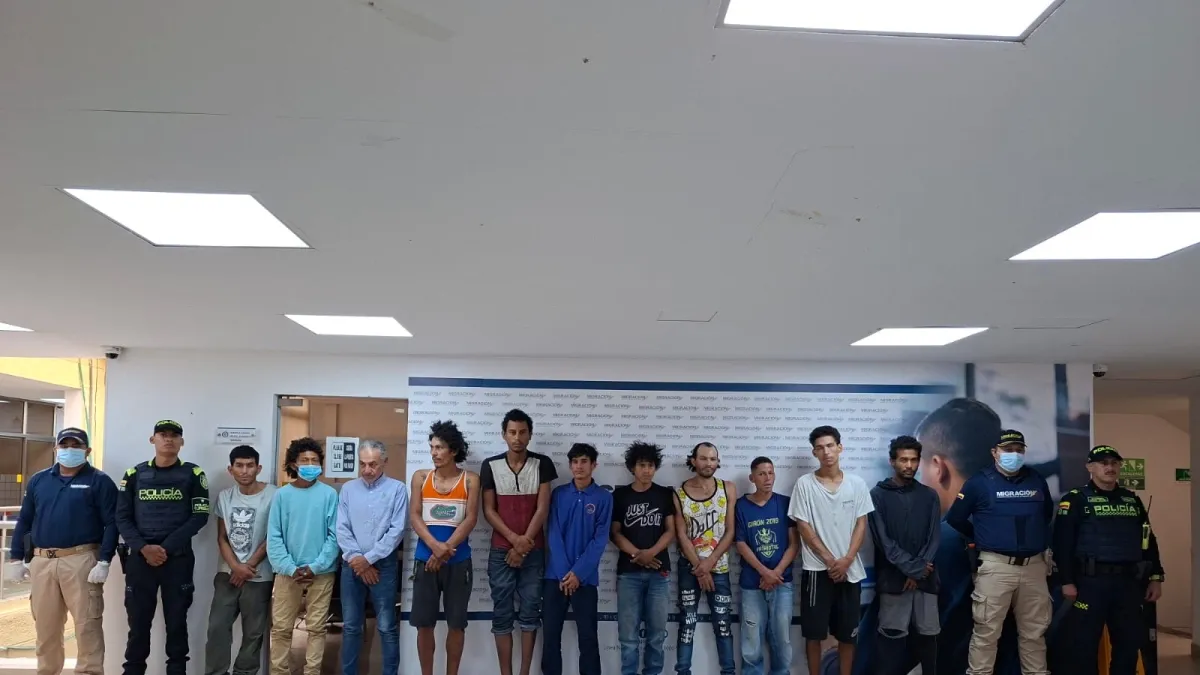
The capture of "Brayan Veneco" has provided authorities with a rare, inside look at the mechanics of irregular recruitment. During the same operation that led to his arrest, a minor was apprehended and subsequently placed under the protection of the Colombian Institute of Family Welfare (ICBF).
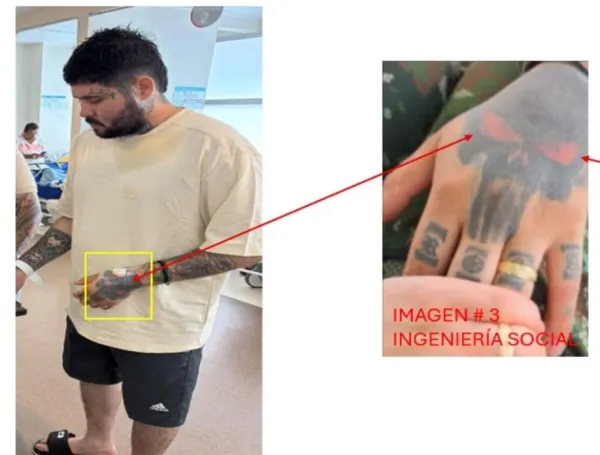
Preliminary testimonies from the minor and evidence recovered from the scene indicate that the structure was specifically targeting Venezuelan youth. Investigators found that the group utilized common visual markers—specifically facial tattoos—among its members to solidify group identity and intimidate the local population. The prevalence of these markings among the younger recruits suggests a coordinated effort to indoctrinate and bind these individuals to the organization’s violent cause.
The investigation is now focused on the "pipeline" of this recruitment: determining who facilitates the movement of these young migrants into the conflict zones, what promises are made to them, and the specific roles they are forced to fulfill within the hierarchy of the 4th Structure.
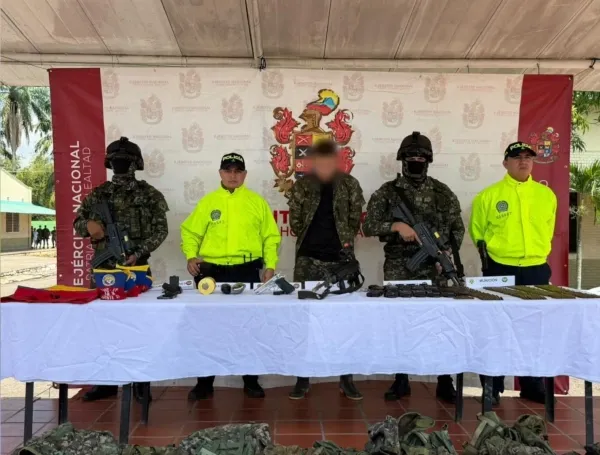
Official Responses and Strategic Alliances
The investigation into the "Gentil Duarte" bloc has revealed a concerning, albeit strategic, alliance between FARC dissidents and the National Liberation Army (ELN), specifically under the command of a leader known as "Guevara."
According to judicial sources, this tactical partnership was designed to bolster their combined military capacity. The primary objective of this alliance was twofold: to create a unified front against the Colombian Public Force and to forcefully contest territorial control held by the ‘Clan del Golfo’ (also known as the Gaitanist Self-Defense Forces of Colombia, AGC).
This "alliance of convenience" has had devastating consequences for the civilian population. In the Bajo Cauca region and throughout the Magdalena Medio, these groups have imposed severe restrictions on mobility, enforced extortion schemes, and engaged in direct combat in areas where communities live in the crossfire. The government’s security cabinet has signaled that the dismantling of this alliance is a top priority, as it directly undermines the stabilization efforts envisioned in the post-conflict framework.
Implications for National Security
The capture of "Brayan Veneco" serves as a microcosm of the evolving challenges facing Colombia. The infiltration of foreign nationals—both as victims of recruitment and as combatants—adds a layer of complexity to the security landscape.
1. Humanitarian Crisis
The ongoing conflict in these regions has transformed from a localized political struggle into a humanitarian crisis. The displacement of dozens of families is not merely a byproduct of the war; it is a tactical tool used by groups like the 4th Structure to consolidate power and eliminate civilian witnesses.
2. The Transnational Dimension
By targeting vulnerable migrant populations, these illegal armed groups are effectively weaponizing the migration crisis. This presents a challenge not only for the Colombian military but also for regional diplomacy, as the recruitment of minors across borders requires a more integrated intelligence-sharing approach between Colombia and neighboring nations.

3. Legal and Judicial Accountability
The case against Rosales Castiblanco is extensive. Beyond his role in recruitment, he faces charges related to homicide, conspiracy to commit crimes, and the violation of international humanitarian law regarding the use of minors in armed conflict. The ability of the Colombian justice system to successfully prosecute such high-profile figures serves as a litmus test for the effectiveness of the current security strategy.
As the investigation continues, authorities are working to map the full extent of the "Gentil Duarte" network. The goal is not only to neutralize individual commanders but to sever the supply chains and recruitment pipelines that sustain these organizations. For the communities of southern Bolívar and Antioquia, the capture of "Brayan Veneco" represents a fleeting moment of respite, but the broader struggle to reclaim these territories from the grip of illegal armed groups remains an uphill, long-term battle for the Colombian state.