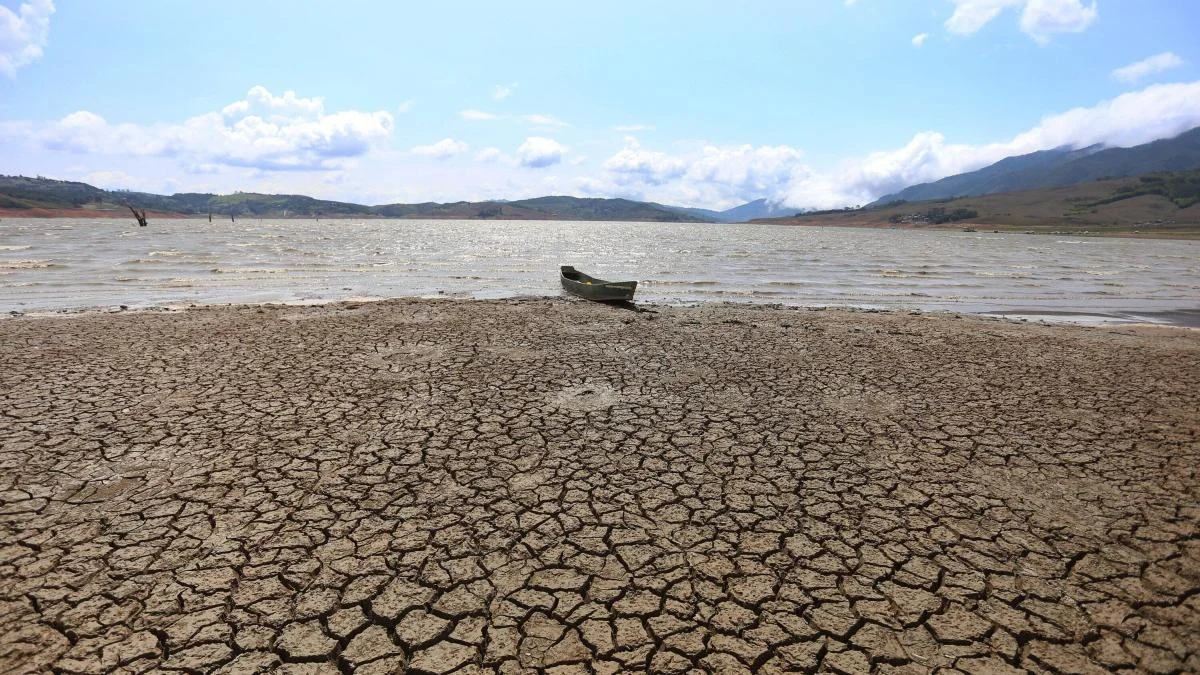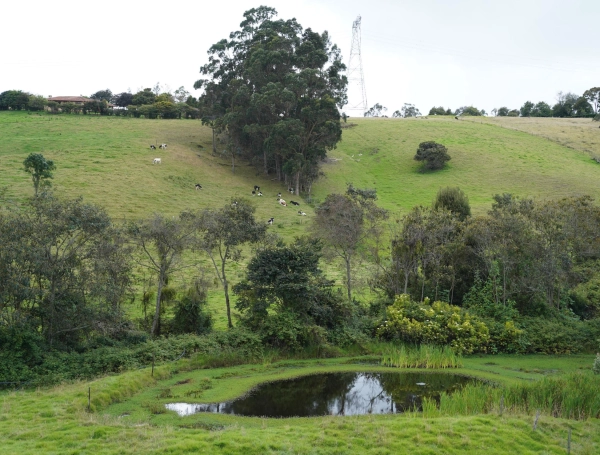
As the specter of severe water scarcity looms over Colombia, exacerbated by the cyclical challenges of the El Niño phenomenon and the broader, more permanent shift of climate change, the nation is being forced to look inward—quite literally. With rivers hitting record lows and reservoirs struggling to maintain operational levels, the country’s vast, often overlooked subterranean aquifers are emerging as a critical, albeit misunderstood, potential lifeline.
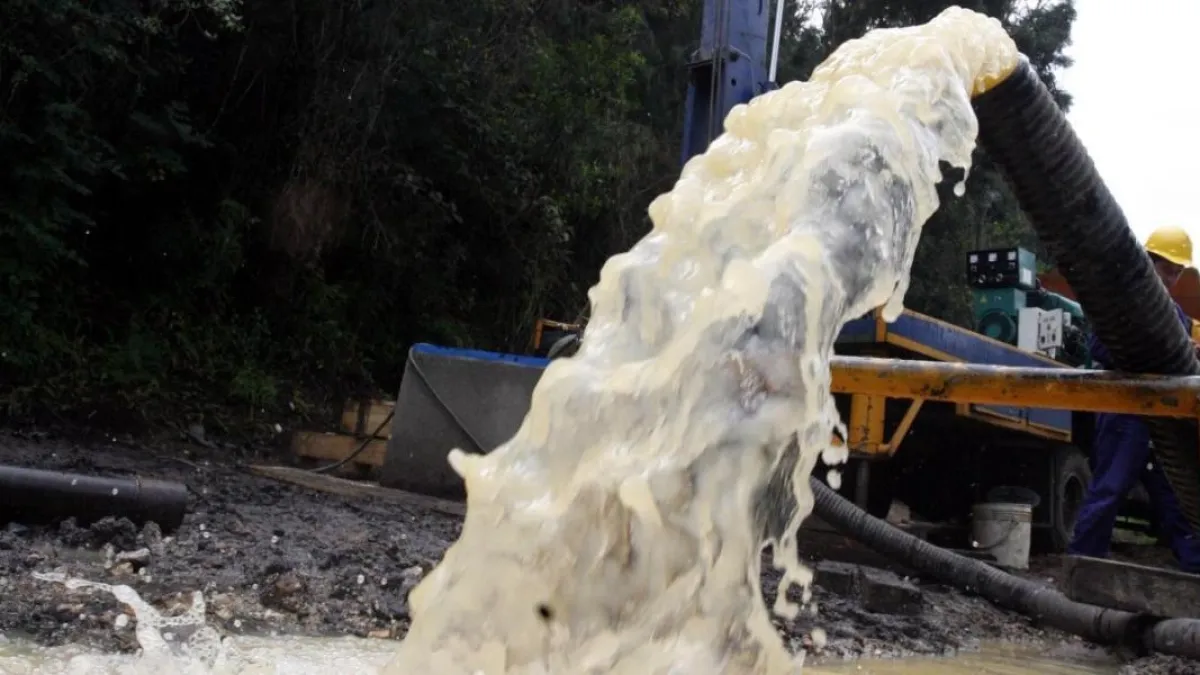
While Colombia possesses 67 identified aquifer systems and over 68,000 recorded groundwater points, experts warn that relying on this "hidden reservoir" without a robust scientific framework is a gamble that could lead to ecological disaster.

The Current Crisis: A Nation Parched
The water crisis in Colombia is no longer a distant forecast; it is a present reality. From the industrial hubs of Medellín and Cali to the coastal tourism centers like Santa Marta, the stress on surface water sources is forcing authorities to implement drastic rationing measures.
In Cali, the municipal utility company (Emcali) has implemented alternating supply schedules for residents in Communes 18 and 20. By late September 2026, the Cali River reached a flow rate of 1.52 cubic meters per second—dangerously close to its minimum operational limit of 1.25. Even more alarming, the Meléndez River dwindled to 0.18 cubic meters per second, far below the 0.90 required to guarantee a stable supply.
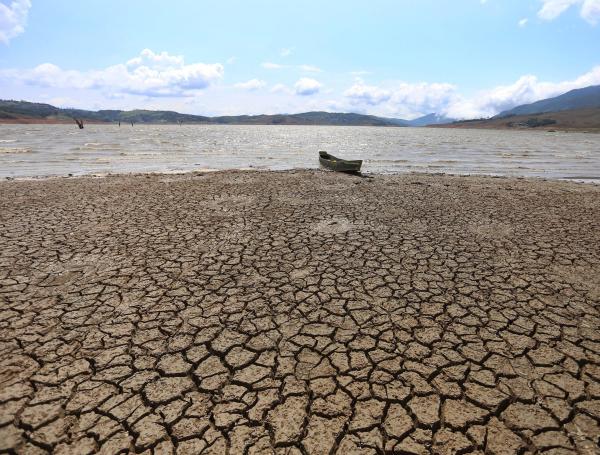
The situation is replicated across the country. Medellín has been forced to reinstate nocturnal water cuts in several sectors, while Santa Marta has temporarily shut down the intake lines for the Manzanares River due to critical low-flow levels. In the departments of Santander and Bolívar, the reliance on water tanker trucks (carrotanques) has become a necessary, if inefficient, stopgap to prevent humanitarian crises in dozens of municipalities.

Chronology of a Vulnerability
- 2014–2022: The National Water Study (ENA) consistently reports an increase in the utilization of groundwater points, with the inventory growing by over 35% in eight years.
- Late 2025 – Early 2026: Climate models signal an intensification of the El Niño cycle, leading to significantly lower-than-average rainfall in the Andean and Caribbean regions.
- September 2026: Municipal authorities in major cities, including Cali and Medellín, formalize water-rationing protocols.
- September 2026: The National Unit for Disaster Risk Management (UNGRD) convenes a "Climate Variability Roundtable" to map out an immediate response plan for the 2026-2027 period, acknowledging that current surface supplies are insufficient to meet the projected demand.
- October 2026: Experts and environmental authorities intensify calls for a more sustainable management strategy regarding aquifers, shifting the focus from "emergency drilling" to "hydrogeological planning."
Supporting Data: The Potential of the Subsurface
According to the 2022 National Water Study, Colombia’s inventory of groundwater points has climbed to 68,397. This represents a 6.5% increase since 2018. The breakdown of these sources provides a snapshot of how the country currently accesses its subterranean wealth:
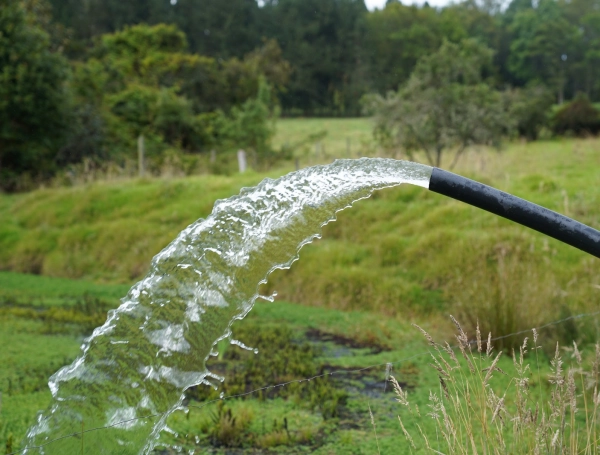
- Aljibes (Traditional Wells): 56.8% (38,817 units)
- Modern Wells: 24.9% (17,007 units)
- Natural Springs: 6.4%
- Filter Galleries: 1.9%
Despite these numbers, the data reveals a profound lack of granular knowledge. Laura Carrero, a geologist and specialist in territorial risk management, notes that while 78% of the Colombian territory is theoretically capable of hosting usable aquifers, we currently possess detailed, actionable information on only 15% of these systems.
"We cannot treat the ground beneath our feet as an infinite bank account," Carrero warns. "To understand what we can extract, we need to map the geometry of the aquifer, its hydraulic parameters, the recharge rates, and its interaction with surface water. Not all stored water is available water."
Case Study: The Valle del Cauca Model
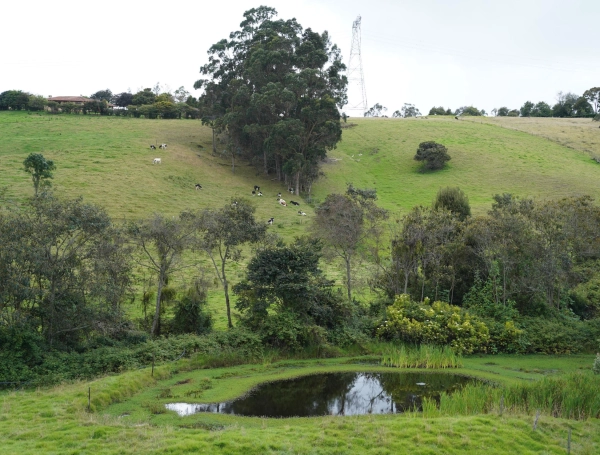
The Valle del Cauca department serves as both a blueprint and a cautionary tale. With 1,828 operational wells as of mid-2026, the region is highly dependent on its subsurface resources. According to Marco Antonio Suárez Gutiérrez, director of the CVC (Corporación Autónoma Regional del Valle del Cauca), the extraction volume reaches 369 million cubic meters annually, with 85.6% directed toward agriculture, 7.4% for human consumption, and 7% for industry.
The CVC has implemented a policy to cap extraction at 50% of the annual recharge, which equates to roughly 1.75 billion cubic meters. By establishing protected areas and reserves, the CVC is attempting to ensure that the aquifer remains a renewable resource rather than a depleted asset. However, even here, the pressure is mounting.
Official Responses and Strategic Shifts
The Corporación Autónoma Regional (CAR) of Cundinamarca is currently at the forefront of the shift toward managed groundwater usage. Recognizing that only two of the ten major hydrographic basins in the region have reservoir backups, the CAR is aggressively expanding its piezometer network from 15 to 30 monitoring points.

"The goal is not to substitute surface water with groundwater," states a spokesperson for the CAR. "It is to integrate them into a diversified supply system. We are monitoring to prevent the irreversible mistake of over-extraction."
The regulatory framework is also being scrutinized. Under Decree 1076 of 2015, the process for exploring and eventually extracting groundwater is stringent. However, authorities admit that the gap between having a regulation and having the institutional capacity to enforce it remains the primary hurdle for national water security.

Implications: The Risks of Indiscriminate Extraction
The temptation to "solve" a drought by drilling more wells is high, but the long-term ecological and economic costs are severe. Over-extraction leads to several critical risks:

- Lowering the Water Table: As levels drop, the energy required to pump water increases, making it prohibitively expensive for small-scale farmers and rural communities.
- Interference: A new, high-capacity well can "steal" water from nearby shallower, community-owned wells, triggering social conflict.
- Surface-Subsurface Disconnection: Aquifers are not isolated; they feed rivers and wetlands during the dry season. If we drain the aquifer, we inadvertently kill the rivers that rely on groundwater baseflow.
- Subsidence and Contamination: In some geological formations, the withdrawal of water causes the ground to sink. Furthermore, once an aquifer is contaminated, the slow movement of groundwater makes remediation almost impossible.
A Path Toward Hydrogeological Security
As Colombia faces a future defined by climate uncertainty, the consensus among experts is clear: the answer lies in intelligence, not just infrastructure.

The Four Pillars of Reform:
- Knowledge: Massive investment is required to map the remaining 85% of Colombia’s aquifers.
- Monitoring: We must move beyond static inventory to real-time, systematic monitoring of flow and quality.
- Control: Strengthening the hand of environmental authorities to enforce extraction permits is essential to prevent the "tragedy of the commons" in subterranean basins.
- Territorial Integration: Groundwater must be factored into urban planning. Impermeable city surfaces that prevent natural recharge must be redesigned to allow water to return to the subsoil.
"The true measure of water security in the 21st century," concludes Carrero, "is not the volume of a single reservoir or the depth of a single well. It is the ability to maintain a diversified, monitored, and resilient system that can withstand the extremes of our changing climate. We are not just managing water; we are managing our future survival."

As the country navigates the next six months of potential drought, the lesson is clear: if Colombia is to survive the coming dry spells, it must stop viewing its groundwater as a hidden secret and start treating it as a shared, precious, and fragile heritage.