CARACAS — In an unexpected and politically charged move that has sent ripples through the Venezuelan political landscape, opposition figure Claudia Macero—head of press for opposition leader María Corina Machado—returned to Venezuela on Sunday, September 27, 2026. Macero’s homecoming marks a dramatic chapter in an ongoing saga of diplomatic standoffs, political persecution, and forced exile, signaling a new phase of localized defiance by the country’s embattled democratic movement.
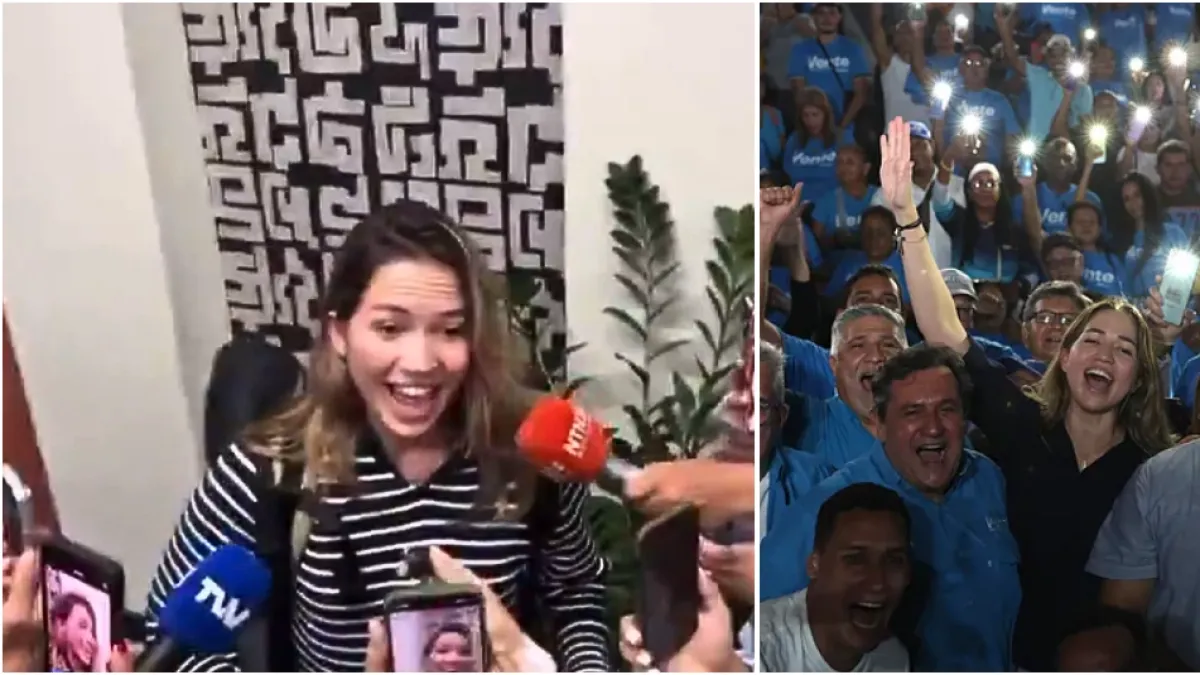
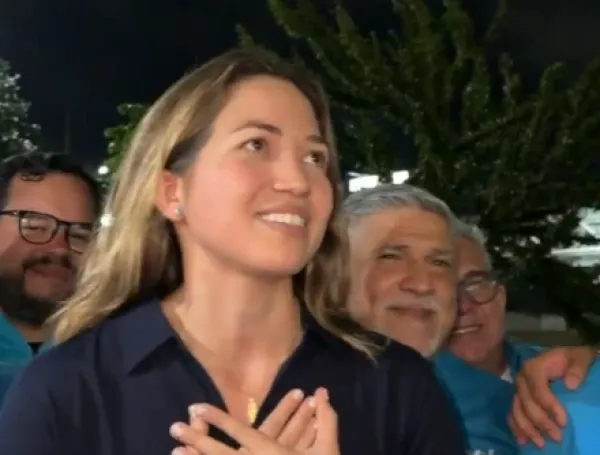
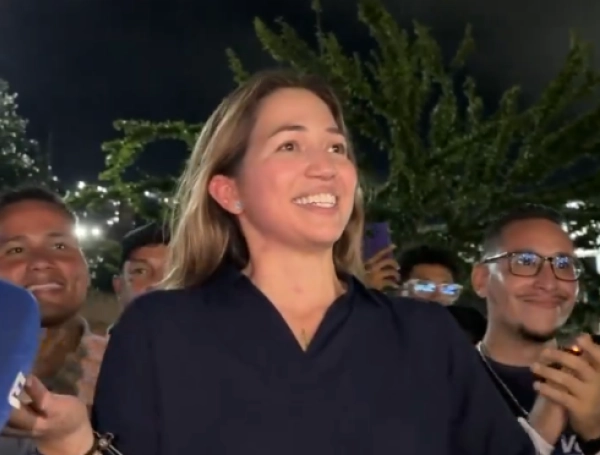
Arriving at the Simón Bolívar International Airport in Maiquetía, which serves the capital city of Caracas, Macero was greeted by jubilant dozens of activists from the Vente Venezuela (VV) party. Her return comes more than a year after she fled the country in the first half of 2025, following a harrowing, months-long diplomatic confinement inside the Argentine Embassy in Caracas.
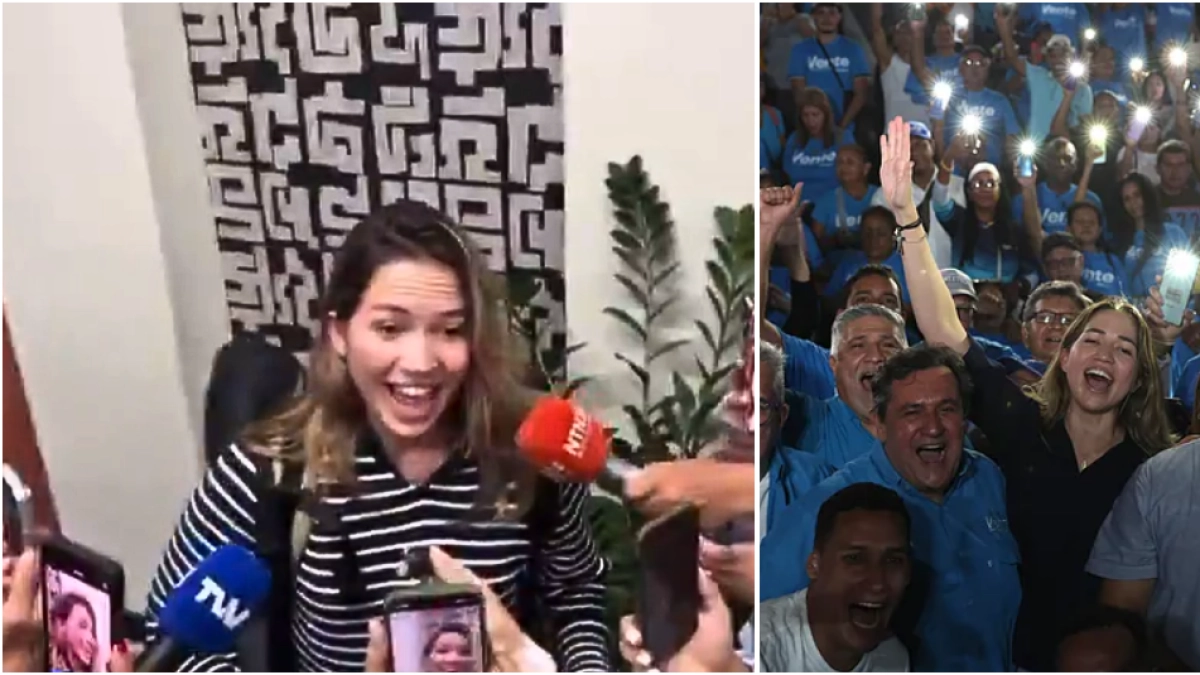
Speaking to reporters and a cheering crowd that later accompanied her to the Bolívar Square in the Maiquetía parish, Macero emphasized that her decision to return was entirely personal, yet driven by a collective need for reassurance.
"I am returning to Venezuela to give confidence to myself and to give confidence to others," Macero declared to the press. "It is the moment to return. I am here opening a path just as others opened it for me."

Main Facts: A Defiant Homecoming
Claudia Macero’s return is not merely an isolated personal milestone; it is a calculated political statement that challenges the narrative of absolute control projected by the Venezuelan government.
- The Returnee: Claudia Macero, the communications director and head of press for prominent opposition leader María Corina Machado and the Vente Venezuela political party.
- Date of Arrival: Sunday, September 27, 2026.
- Location of Arrival: Simón Bolívar International Airport in Maiquetía, followed by a public gathering at the Bolívar Square in Maiquetía.
- Legal Status: Macero, alongside other members of the opposition inner circle, faces severe, politically motivated charges brought by the Venezuelan Public Ministry (Attorney General’s Office), including alleged conspiracy and treason. Upon her return, she stated her intention to present herself before the courts to address her outstanding legal cases.
- Core Demands: During her public addresses, Macero demanded the immediate authorization for María Corina Machado to safely return to the country—citing multiple blocked entry attempts—and insisted on the establishment of a clear timetable for democratic presidential elections, coupled with the unconditional release of all political prisoners.
Chronology of the Crisis: From Embassy Siege to Strategic Exodus
To fully understand the gravity of Macero’s return, one must retrace the harrowing timeline of persecution, asylum, and international maneuvering that began in the wake of disputed elections and political clampdowns.

March 2024: The Diplomatic Asylum Trap
Following a fierce crackdown on the opposition and the issuance of arrest warrants by the Venezuelan government, several key aides to María Corina Machado sought and were granted diplomatic asylum inside the official residence of the Argentine Embassy in Caracas. Among them were Claudia Macero, Omar González, Pedro Urruchurtu, Magalli Meda, and Humberto Villalobos. A sixth figure, Fernando Martínez Mottola, chose to leave the diplomatic compound earlier due to failing health and tragically passed away at his home on February 26, 2025.
For months, the remaining five opposition figures endured strict isolation inside the embassy. The diplomatic mission was effectively besieged by security forces, cutting them off from the outside world while the Venezuelan Attorney General’s Office pressed forward with formal accusations of conspiracy and treason.
May 2025: The Extraction Operation
In the first half of 2025, amidst mounting international pressure and a clandestine operation reportedly coordinated with the assistance of United States diplomatic channels, the trapped opposition figures were successfully extracted from the Argentine Embassy, allowing them safe passage out of Venezuela. While Washington framed the operation as a decisive humanitarian rescue, the Venezuelan government publicly downplayed the event, characterizing it instead as a negotiated departure while mocking the U.S. narrative.
August 2025 – September 2026: The Trickle of Returnees
The exodus marked the beginning of a prolonged period in exile, but it did not extinguish the desire of the dissidents to return to their homeland. The strategy shifted in late August 2026, when Omar González became the first of the group to break the mold, returning to Venezuela on August 28, 2026.
Macero’s arrival just a month later on September 27 cements a coordinated pattern among these high-profile political exiles. By choosing to return piece by piece, the opposition is testing the waters of domestic security, attempting to reclaim political space, and challenging the state’s apparatus of intimidation head-on.
Supporting Data and Political Context
Macero’s return does not occur in a vacuum. It unfolds against a backdrop of shifting geopolitical currents, fragile domestic dialogues, and ongoing human rights struggles within Venezuela.
- The Fight for Political Prisoners: Just days prior to Macero’s arrival, domestic political developments saw the release of 29 political prisoners following preliminary talks between factions of the government—now under the leadership of figures like Delcy Rodríguez—and elements of the opposition. Despite these releases, hundreds of political prisoners remain incarcerated in facilities such as the notorious El Helicoide, keeping human rights at the forefront of national discourse.
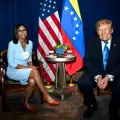
- International Pressures and Dialogues: International actors continue to play a heavy hand in Venezuela’s trajectory. Notably, discussions involving foreign leaders—such as recent communications between U.S. leadership and high-ranking Venezuelan officials regarding electoral transparency—demonstrate that the international community is actively re-evaluating its stance on the country’s governance.
- The Machado Factor: María Corina Machado, who remains the undisputed ideological leader of the democratic opposition, has faced continuous state-sponsored obstacles in her efforts to re-enter Venezuela. Macero noted that despite at least seven documented attempts by Machado to cross the border and return to her supporters, the government has repeatedly blocked her entry. Macero’s return is viewed by analysts as a litmus test to pressure authorities into softening their stance on Machado’s eventual homecoming.
Official Responses and State Posture
The reaction from the Venezuelan state apparatus to Macero’s return has been a mixture of cautious surveillance and institutional rigidity. While the government has not moved to immediately re-arrest her at the tarmac—opting instead to allow her initial public demonstrations—state prosecutors have reiterated that her legal standing remains unchanged.
The Public Ministry maintains that the charges of conspiracy and treason against Macero and her colleagues are active. By stating publicly that she must face the judiciary, Macero is deliberately walking into a legal labyrinth designed to muzzle dissent. Legal experts point out that her decision to confront the courts is a high-risk gamble: it either forces the judiciary to acknowledge the political nature of the charges or exposes her to immediate, arbitrary detention.
Concurrently, government media channels have sought to minimize the political impact of the returns, framing them as isolated events of individuals returning under legal jeopardy rather than a triumphalist comeback for the opposition movement.
Implications for Venezuela’s Democratic Future
Claudia Macero’s reappearance on Venezuelan soil carries profound implications for the future of the nation’s political opposition and the broader struggle for democratization:

- Psychological Boost for the Opposition: After years of systematic repression, forced exiles, and internal fragmentation, the sight of high-profile leaders voluntarily returning to the country provides a much-needed psychological morale boost to the grassroots base. As Macero stated, her presence is meant to "give confidence to others… that it is the moment to return to casa."
- Reclaiming Domestic Public Space: By holding public rallies immediately upon arrival—moving from the Maiquetía airport to the local Bolívar Square—Macero and the Vente Venezuela activists are aggressively reclaiming physical and political space that the ruling party has long sought to monopolize.
- A Test of Government Tolerance and International Leverage: The return of figures like Omar González and now Claudia Macero tests how the administration intends to manage domestic dissent amid ongoing international negotiations. If the state permits these figures to move freely and address their legal cases without immediate imprisonment, it could signal a tactical shift in how Caracas deals with high-level political opponents. Conversely, a severe crackdown would likely harden international sanctions and derail nascent diplomatic talks.
- The Road Ahead for María Corina Machado: Ultimately, Macero’s return acts as a vanguard movement for María Corina Machado. By establishing a physical presence on the ground, testing legal channels, and rallying supporters, Macero is laying the groundwork for what the opposition hopes will be the eventual, triumphant return of Machado herself to lead the charge for free and fair presidential elections.
As Claudia Macero prepares to navigate the Venezuelan judicial system and resume her active role in the country’s political resistance, all eyes remain fixed on Caracas. Her return is a testament to the enduring tenacity of a populace unwilling to cede its homeland to authoritarianism, marking a critical turning point in Venezuela’s protracted political crisis.