Gastronomy & Nutrition Desk
Published: March 29, 2026
Achieving that deep, soulful, and deeply comforting flavor profile characteristic of a masterclass homemade beef broth is rarely a matter of sheer culinary luck or spending endless, tedious hours chained to the stovetop. According to veteran culinary artists, butchers, and nutritional scientists, the ultimate success of any broth is determined long before a single drop of water hits the pot or the stove is ignited. It all boils down to a single, critical decision made at the butcher counter: the precise selection of the cut of meat.
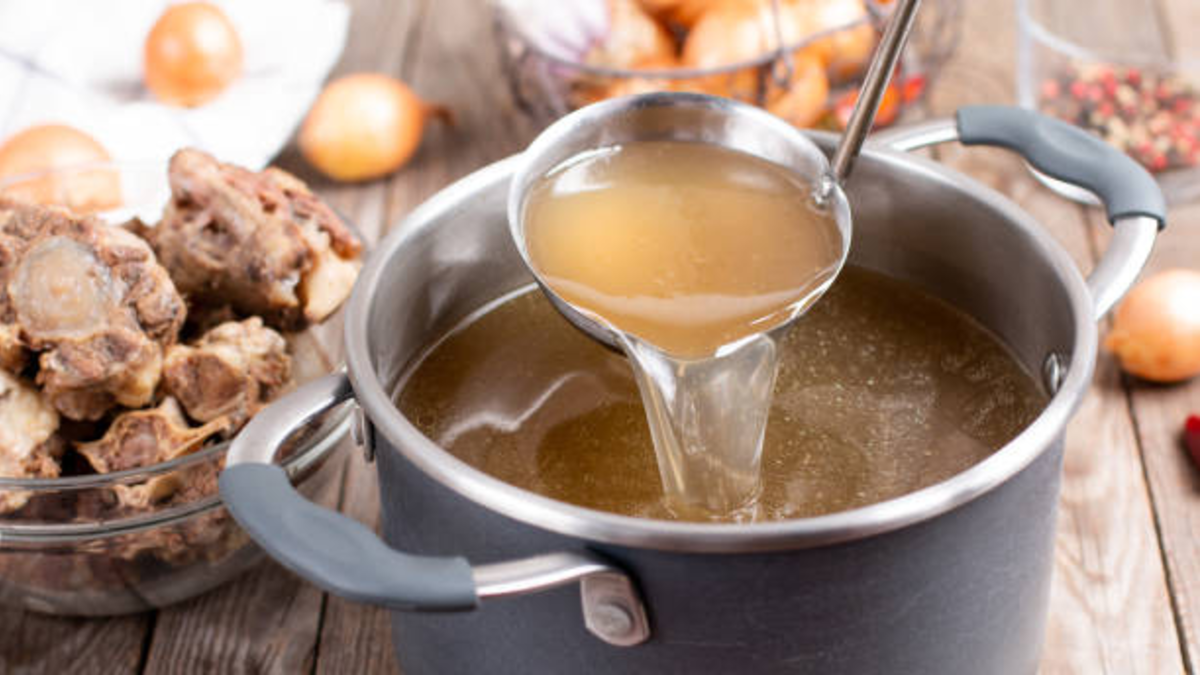
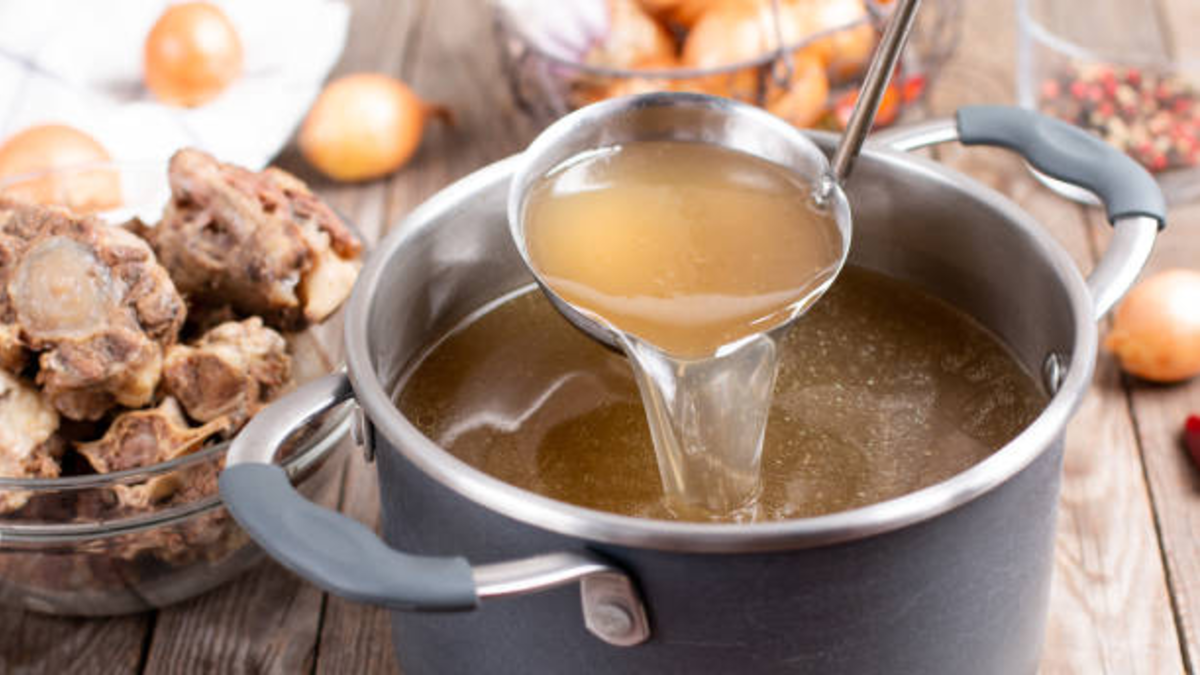
Not all cuts of beef behave identically when subjected to prolonged heat and simmering water. While some selections yield a silky, luxurious texture that coats the palate, others risk transforming a delicate soup into a heavy, oily, and difficult-to-digest burden due to an excess of saturated lipids. True culinary intelligence lies in striking the delicate balance between the robust, savory depth provided by bone and connective tissue and the clean profile of lean muscle.
Main Facts: The Foundations of a Superior Broth
To elevate a soup from a simple, salted water-and-meat mixture to a gastronomic masterpiece, home cooks must understand the biochemical interaction between meat proteins, bones, and heat.

- The Power of the Bone: Cuts featuring bone are non-negotiable for authentic depth. Bones act as a slow-release reservoir of flavor and physical structure.
- The Collagen Factor: As bones and connective tissues simmer, the tough protein collagen breaks down into gelatin. This is the secret agent that gives professional broths their rich, viscous "mouthfeel."
- The Lipid Dilemma: Cuts rich in bones and cartilage naturally carry varying amounts of fat. Unchecked, this fat renders the broth cloudy, overly greasy, and heavy.
- Strategic Butchery: Expert selection requires either choosing bone-in cuts with high collagen yields or compensating for lean, boneless cuts with meticulous preparation techniques.
- The Post-Cooking Purge: Temperature control—specifically refrigeration—offers a foolproof method for stripping away excess solidified fats without sacrificing flavor.
Chronology: The Evolution of Broth-Making from Ancient Remedy to Modern Gastronomy
The history of simmering bones and meats to extract nourishment spans thousands of years, evolving from a survival tactic into an art form.
Prehistoric and Ancient Origins
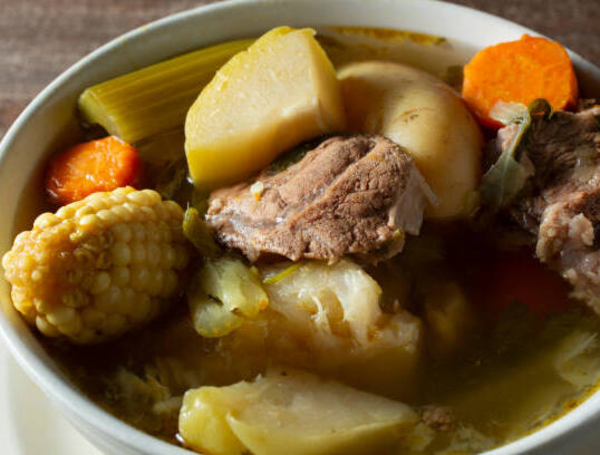
Long before modern culinary institutes existed, early humans discovered that boiling tough cuts of meat and bones made them not only edible but easily digestible. Animal bones, which were often discarded after hunting, were prized for their durability and the rich marrow hidden inside. Boiling these components over open fires extracted vital fats and nutrients, laying the groundwork for traditional broths consumed across every major civilization.
The Industrial and Culinary Revolution (19th–20th Centuries)
During the 19th century, French gastronomy systematized the art of stock and broth making. Culinary pioneers like Auguste Escoffier categorized stocks (fonds) into white and brown variations, establishing rules for simmering times, mirepoix ratios, and the absolute necessity of bones. Broth transitioned from a peasant survival food to the foundational base of fine dining sauces, soups, and reductions.
The Modern Nutritional Renaissance (21st Century)
In recent decades, modern nutritional science—backed by institutions like the USDA and health organizations such as Mayo Clinic—has revalidated ancient wisdom. The spotlight has shifted toward the biochemical benefits of bone broth, focusing heavily on amino acids like glycine and proline, alongside bioavailable collagen. Simultaneously, modern home cooks have sought ways to marry these health benefits with contemporary demands for lighter, cleaner, and less greasy meals.

Supporting Data and Expert Insights: The Science of Collagen and Cuts
When discussing the ultimate beef broth, culinary professionals universally point to the structural anatomy of the animal. Speaking on the mechanics of soup-making, renowned chef Camilo Currea notes that "to elaborate a good broth, the best cut is beef rib or, failing that, any cut that includes bone."
The rationale behind this preference is rooted in food science rather than tradition. "The bone is fundamental because it contains collagen, which not only provides greater depth of flavor but also a texture that is much more unctuous and rich in the mouth," Currea explains.
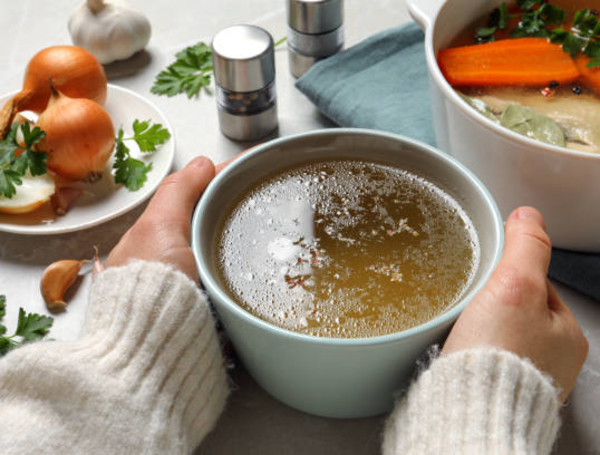
This perspective is heavily reinforced by culinary science publications like Serious Eats, which details how the coveted texture of an exceptional beef broth is entirely dependent on the gelatins extracted from bones and connective tissues. Without these elements, a broth lacks structural integrity, tasting flat and watery regardless of how many herbs or vegetables are added.
The Contenders: Ribs vs. Shank
While the rib is widely celebrated in traditional Latin American and global home cooking, it is not the sole contender for the crown.
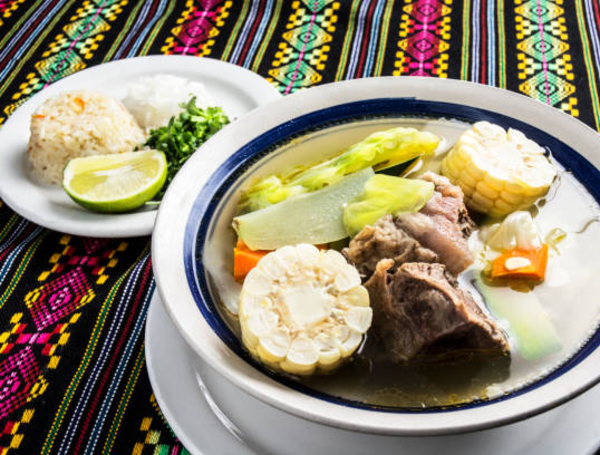
- The Beef Rib: Offers an ideal balance of intermuscular fat, meat, and bone marrow. It releases substantial flavor compounds quickly during a standard simmer.
- The Beef Shank (Jarrete de Ternera): Hailed by chefs as a premier alternative for those seeking a more intensely structured and concentrated flavor profile. Because the shank comes from the leg—a heavily exercised muscle—it is exceptionally rich in connective tissue and marrow, yielding an intensely robust liquid.
However, utilizing these high-collagen, bone-in cuts introduces a significant technical hurdle: lipid management. To prevent the broth from becoming a heavy, unappealing grease trap, experts recommend carefully trimming excess exterior fat before the meat ever touches the water.
Navigating Lean Cuts
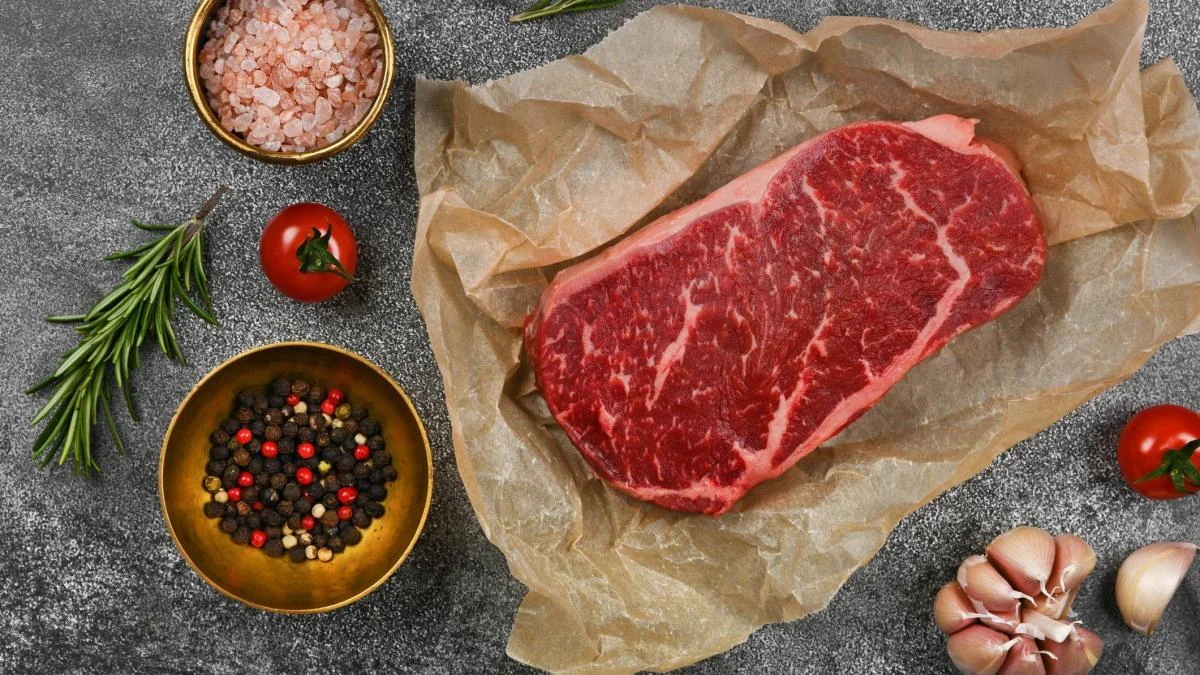
For households prioritizing cardiovascular health and striving to minimize saturated fat intake, turning toward USDA-certified lean cuts of beef is standard practice. Cuts such as top sirloin, eye of round, or tenderloin trimmings contain remarkably low levels of fat.
Nevertheless, a vital compromise exists: because these cuts lack bones and connective tissue, a broth made exclusively from lean meat will naturally lack body, density, and depth. Cooks utilizing lean options must rely heavily on aromatic vegetables (onions, garlic, celery, carrots), herbs, and sometimes supplementary gelatin packets or pre-roasted marrow bones to make up for the structural deficit.
Official Responses and Guidelines for Healthy Preparation
Health organizations and nutritional authorities emphasize that traditional comfort foods do not have to compromise dietary goals, provided proper kitchen hygiene and preparation techniques are applied.

According to guidelines adapted from the U.S. Department of Agriculture (USDA) and promoted by health institutions like Mayo Clinic, managing dietary lipids begins at the preparation table.
- Pre-Cook Trimming: Chefs are advised to meticulously trim all visible surface fat from meat and bones before initiating the cooking process. This prevents excess rendering that can saturate the liquid early on.
- The Skimming Phase: As a broth comes to a boil, impurities and fats rise to the surface as a foam or scum. Regular skimming with a fine-mesh ladle during the first hour of simmering is essential for clarity.
- The Refrigeration Method (The Ultimate Hack): For a completely grease-free result, Mayo Clinic and culinary technicians endorse the chilling method. Once the broth is cooked and strained, allow it to cool and place it in the refrigerator overnight. The remaining fats will solidify on the surface, forming a hard, easily removable white disk. Lifting this disk away leaves behind a pristine, crystal-clear, nutrient-dense liquid.
Implications: The Intersection of Tradition and Modern Wellness
The modern resurgence of beef broth is more than just a culinary trend; it represents a cultural pivot toward mindful eating. Consumers no longer want to choose between deep, authentic flavor and nutritional wellness.
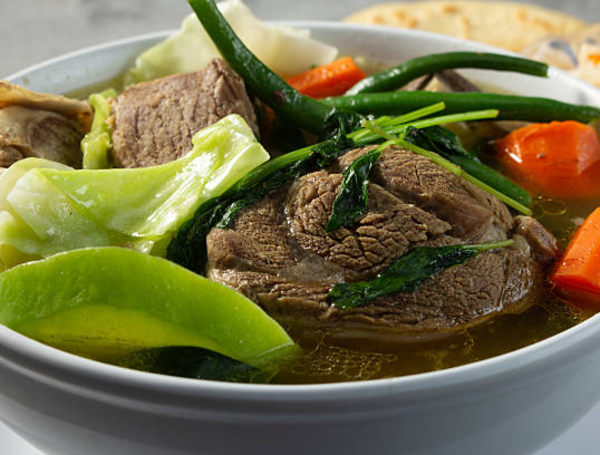
Culinary Implications
Understanding the roles of collagen, bone structure, and fat content empowers home cooks to experiment intelligently. Instead of relying on commercial bouillon cubes loaded with sodium and artificial enhancers, home kitchens can produce restaurant-quality broths tailored precisely to their nutritional and flavor preferences.
Health and Nutritional Implications
By mastering the techniques of fat separation and lean-cut integration, individuals can enjoy the joint-supporting, gut-healing benefits of collagen-rich broths without the drawbacks of excessive saturated fat consumption. This makes traditional bone broth accessible even to those managing strict cardiovascular diets.

Ultimately, crafting the perfect beef broth demonstrates a timeless culinary truth: great cooking does not begin at the stove; it begins with an informed, intelligent trip to the butcher counter.