By Global News Desk
Updated: September 17, 2026
Main Facts
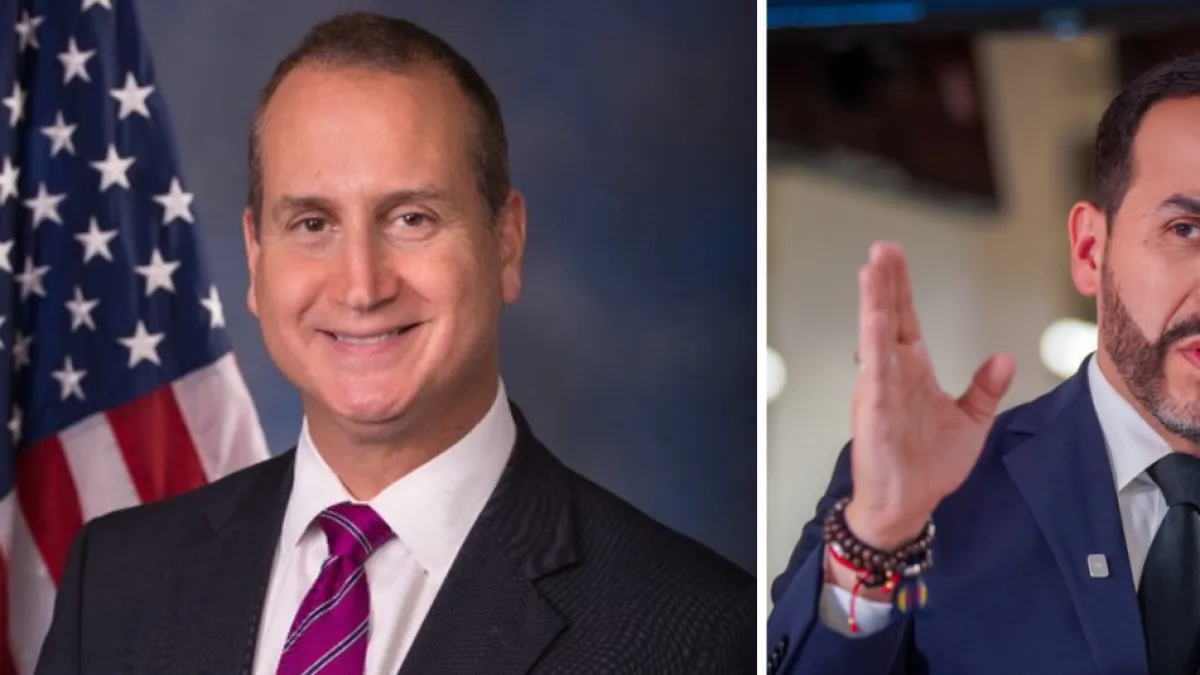
The diplomatic relationship between the United States and Colombia has entered a markedly different phase, characterized by heightened cooperation, renewed security measures, and robust financial backing. In a recent interview with Caracol Radio, high-ranking U.S. lawmaker and congressional representative Mario Díaz-Balart described the current state of bilateral ties as having experienced a "dramatic and positive" transformation.

According to Díaz-Balart, the transition of power in Bogotá and the inauguration of Colombia’s new presidential administration—colloquially referred to by supporters as "El Tigre"—have effectively reset the diplomatic framework between Washington and Colombia. This political evolution has yielded immediate operational dividends, most notably an intensified campaign against transnational narcoterrorism and organized crime syndicates operating within Colombian borders.
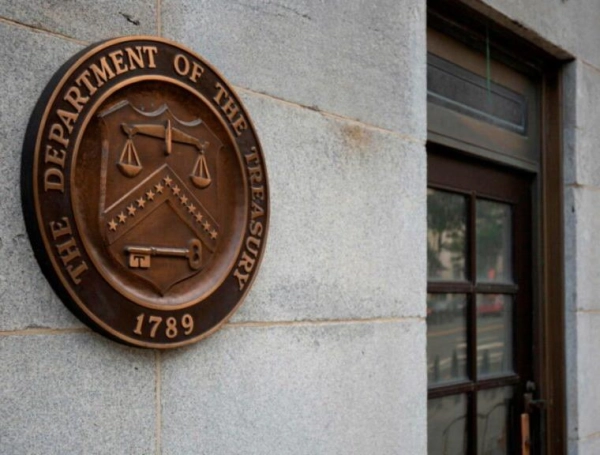
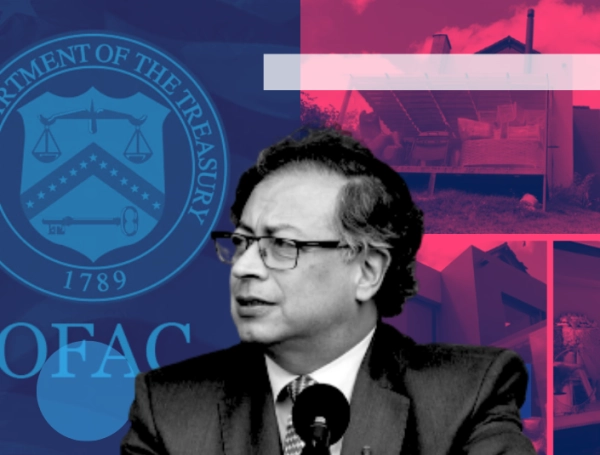
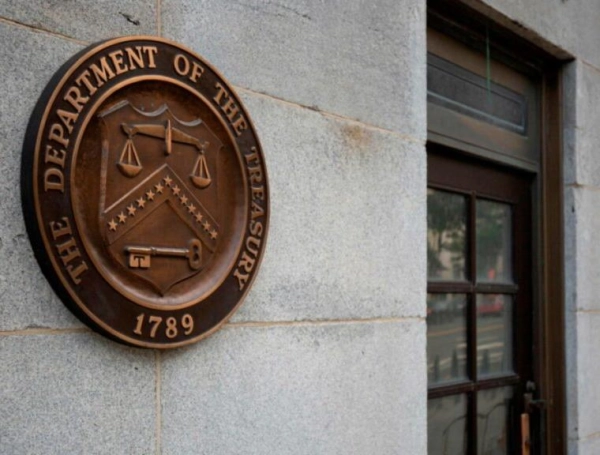
The sharp departure from the policies of the previous administration under former President Gustavo Petro has not gone unnoticed in Washington. U.S. officials have signaled their approval of the new government’s proactive stance on security, resulting in the rollout of a substantial $1 billion financial assistance package designed to support regional stability, economic development, and humanitarian needs. Furthermore, bilateral mechanisms continue to adapt to modern geopolitical realities, intersecting with broader U.S. foreign policy instruments such as the Treasury Department’s Office of Foreign Assets Control (OFAC) sanctions frameworks targeting illicit networks across Latin America.
Chronology of Events and Diplomatic Turning Points
To understand the current trajectory of U.S.-Colombian relations, it is essential to examine the sequence of events that brought the two nations from a period of diplomatic friction to renewed strategic alignment:
- The Prior Administration (2022–2025): Tensions characterized bilateral channels under former President Gustavo Petro. Disagreements over counter-narcotics strategies, regional geopolitics, and security protocols created visible friction with Washington policymakers, leading to what U.S. legislators later termed a difficult period for traditional allies.
- The Electoral Turning Point (Mid-2025/2026): Through a democratic exercise at the ballot box, the Colombian electorate opted for a political shift. The election and subsequent inauguration of the new leader—dubbed "El Tigre"—were viewed by U.S. observers as a critical course correction that rescued the country’s institutional and international standing.
- The Presidential Delegation Visit: A high-level U.S. delegation, which included Congressman Mario Díaz-Balart, traveled to Bogotá to attend the presidential inauguration. This visit served as the platform for re-establishing high-level strategic dialogues and assessing immediate areas of mutual concern.
- Announcement of the $1 Billion Aid Package: Concluding the inaugural visit, Washington officially announced the approval of $1 billion in financial assistance, cementing the renewed partnership and providing critical resources for the new administration’s agenda.
- Recent Security Escalations (September 2026): Joint operations against narcoterrorism and criminal gangs are intensified across multiple Colombian departments. Simultaneously, the U.S. recalibrates regional pressure points, reinforcing economic and diplomatic measures via agencies like OFAC against hostile actors in the broader Latin American theater, including recent actions impacting Cuba and other regional nodes of instability.
Supporting Data and Financial Commitments
The resurgence of the U.S.-Colombia alliance is underpinned by tangible commitments of resources and strategic cooperation. Financial and operational metrics highlight the scale of this renewed partnership:
- $1 Billion in Bilateral Assistance: Unveiled immediately following the presidential transition, this funding stream is dedicated to shoring up institutional capacities, supporting counter-narcotics efforts, and bolstering economic resiliency within Colombia.
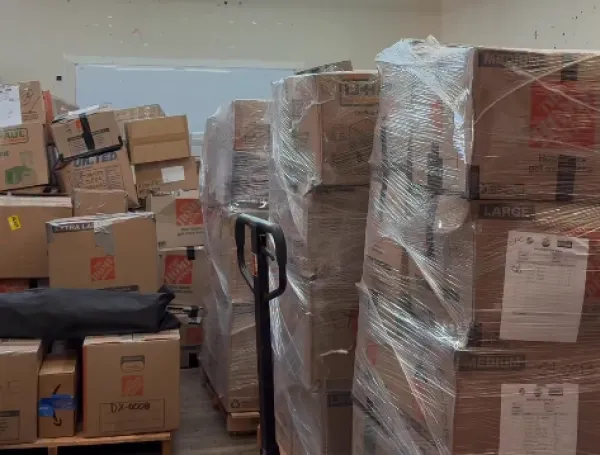
- Disaster Relief Support: Beyond counter-terrorism funding, supplemental aid has been channeled toward mitigating natural disasters, such as emergency responses following recent seismic events in the region.
- Expanded Security Operations: Intelligence-sharing and joint operational frameworks have scaled up significantly. Reports indicate a measurable increase in interdiction operations, the dismantling of rural narcoterrorist cells, and targeted strikes against urban gang networks.
- OFAC Enforcement Mechanisms: The integration of U.S. financial tools—administered by the Office of Foreign Assets Control (OFAC)—continues to play a pivotal role in dismantling illicit financial architectures. Originating from historical precedents dating back to the War of 1812 and formalized during World War II with the Foreign Funds Control (FFC) office, the modern SDN (Specially Designated Nationals) list serves as a cornerstone for neutralizing actors who threaten hemispheric security.
Official Responses and Political Reactions
The diplomatic thaw has generated widespread commentary across both the U.S. Congress and Colombian political circles.
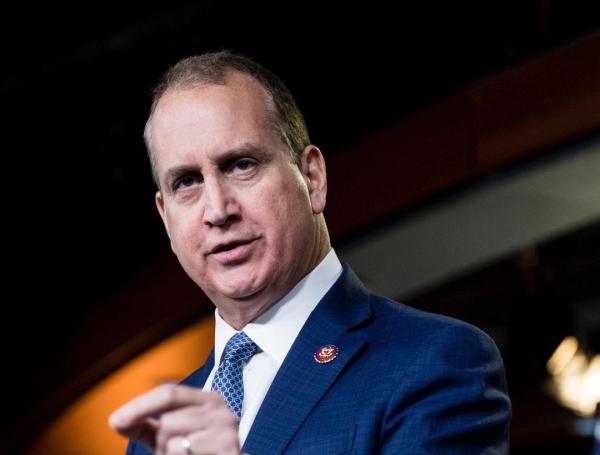
Speaking with Caracol Radio, Congressman Mario Díaz-Balart did not mince words regarding the challenges of the past administration. He asserted that the damage inflicted upon bilateral trust and the internal welfare of the Colombian people by Gustavo Petro’s policies was "difficult to explain." However, he quickly pivoted to praise the resilience of the Colombian populace, emphasizing that voters successfully course-corrected through democratic means.
"The decision made by the people of Colombia at the ballot box essentially saved the country," Díaz-Balart remarked during the interview, highlighting the significance of the leadership change in restoring mutual respect between the two historic allies.
Meanwhile, other figures in Washington have echoed sentiments of cautious optimism while maintaining a vigilant posture regarding hemispheric stability. Discussions in the U.S. Congress frequently link the stability of the Andean region to broader national security concerns, including managing dual-theater pressures globally and enforcing strict compliance standards through international sanctions frameworks.
Implications for Regional Stability and Future Outlook
The revitalization of the Washington-Bogotá axis carries profound implications for the entire Latin American region:
1. Enhanced Regional Security Architecture
With Colombia aggressively renewing its domestic security posture and partnering closely with U.S. agencies, the Andean region is poised to see increased pressure on illicit armed groups, cartels, and trafficking corridors. This cooperation serves as a vital deterrent against transnational crime syndicates operating across borders.

2. Economic Confidence and Investment
The injection of $1 billion in U.S. assistance, paired with the stability of a predictable, market-friendly administration in Bogotá, is expected to restore investor confidence. International financial institutions and foreign direct investors look to strong bilateral ties as a primary indicator of economic predictability and legal security.

3. Geopolitical Alignment
In an era marked by shifting global alliances and competing superpowers, Colombia’s firm re-alignment with the United States solidifies democratic norms and security cooperation in Latin America. It counters adversarial influence in the hemisphere and reinforces multilateral responses to regional crises, ranging from humanitarian emergencies to economic sanctions enforcement.

Ultimately, the candid assessment delivered by Congressman Díaz-Balart signals that the U.S. views Colombia once again as an indispensable anchor of democracy, security, and economic partnership in the Western Hemisphere.