By Angie Rodríguez | Travel and Trends Desk
Updated September 10, 2026
Main Facts
Brazil has firmly established itself as one of the premier international destinations for Colombian travelers, registering a historic surge in visitors. According to official data released by Embratur (the Brazilian Tourism Board), the country welcomed approximately 194,467 Colombian tourists in 2025, representing an extraordinary 50 percent increase compared to the previous year.
This dramatic rise is not merely a byproduct of increased flight connectivity or aggressive marketing campaigns; it reflects a fundamental shift in regional travel patterns. Travelers from Colombia are increasingly looking past traditional North American and European hotspots, drawn instead by Brazil’s rich tapestry of biodiversity, vibrant cultural footprint, and economic accessibility.
A critical factor influencing this trend is cost efficiency. Data from Embratur indicates that the average expenditure of a Colombian traveler in Brazil is 33.2 percent lower than the global average of $1,212.28 USD typically allocated for international trips. This financial advantage allows tourists to enjoy extended stays, premium dining, and diverse excursions without placing an undue burden on their personal finances.
The motivation behind these trips is equally diverse. While the classic sun-and-beach holiday remains the leading draw at 38 percent of all trips, cultural tourism follows closely behind at 33 percent. Nature, ecotourism, and adventure travel account for the remaining 24 percent. Furthermore, segmented surveys of Colombian visitors reveal a profound appreciation for local experiences: 42 percent prioritize gastronomy and cultural immersion, while 41 percent actively seek out adventure sports and active outdoor itineraries.
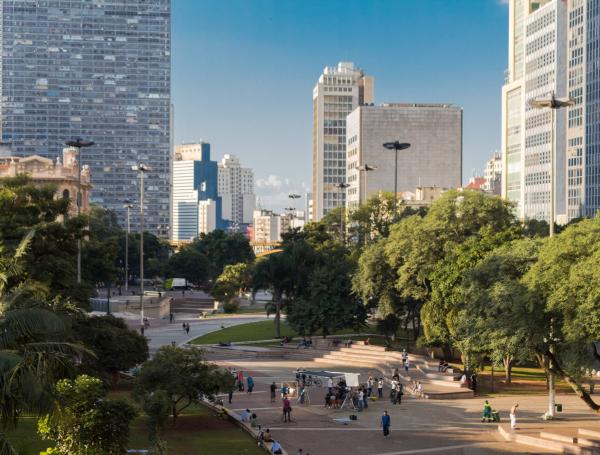
Major metropolitan hubs and natural wonders anchor this influx. From the urban dynamism and culinary prowess of São Paulo to the historical rhythms of Salvador da Bahia, the breathtaking natural architecture of Foz do Iguaçu, and the multifaceted appeal of Rio de Janeiro, Brazil offers a customizable journey tailored to every traveler’s profile.

Chronology: Rio de Janeiro’s High-Impact September Agenda
For travelers planning a trip to Brazil, timing can dramatically elevate the experience. Rio de Janeiro, in particular, has positioned September as a cultural and entertainment powerhouse, rolling out a robust calendar of international events spanning art, music, high-end gastronomy, and professional sports.
- September 11–13, 2026: The global music phenomenon Rock in Rio returns to the Olympic Park. The 2026 edition boasts a star-studded lineup featuring legendary acts and modern icons, including Elton John, Foo Fighters, Calvin Harris, Black Eyed Peas, and Maroon 5.
- September 16–20, 2026: The Marina da Glória serves as the picturesque backdrop for ArtRio, a premier contemporary art fair bringing together top-tier galleries, visionary artists, elite collectors, and international curators.
- September 16–27, 2026: Expanding upon the momentum of ArtRio, the citywide Semana de Arte do Rio (Rio Art Week) takes over museums, independent galleries, cultural centers, and public spaces with immersive exhibitions and interactive urban art interventions.
- September 17–20 & September 24–27, 2026 (Weekends): Gastronomy takes center stage at the Jockey Club Brasileiro during Rio Gastronomia. This multi-weekend culinary festival gathers renowned local and international chefs, boutique restaurant owners, and regional producers to celebrate Brazilian flavors.
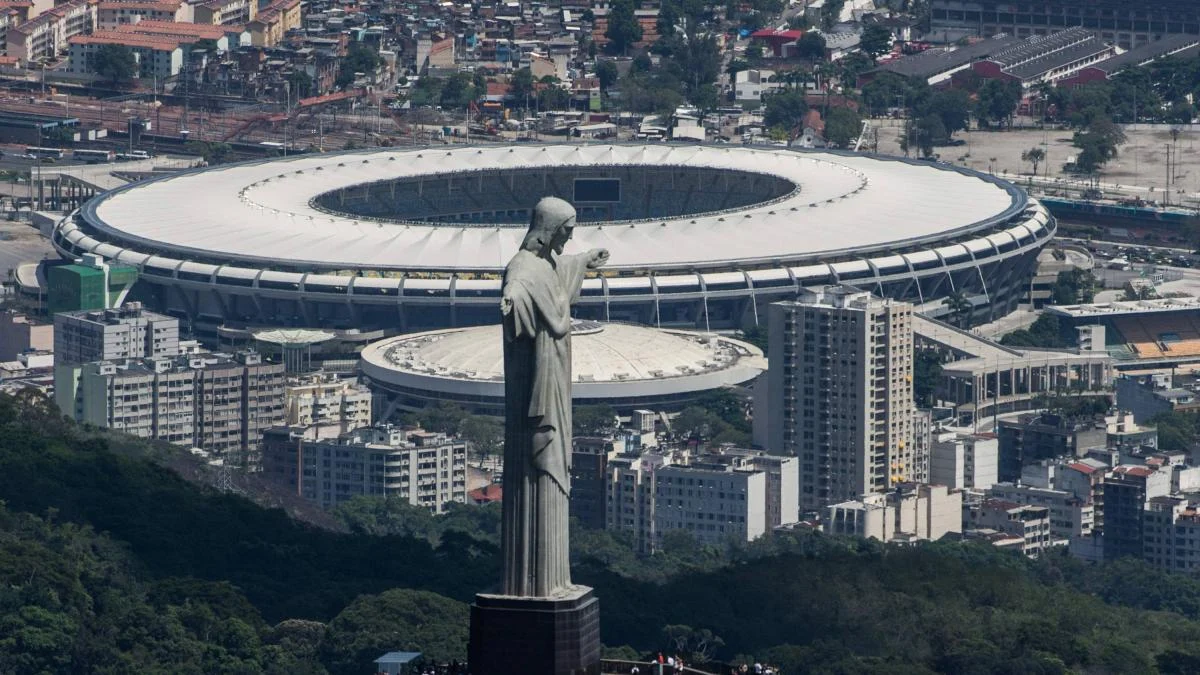
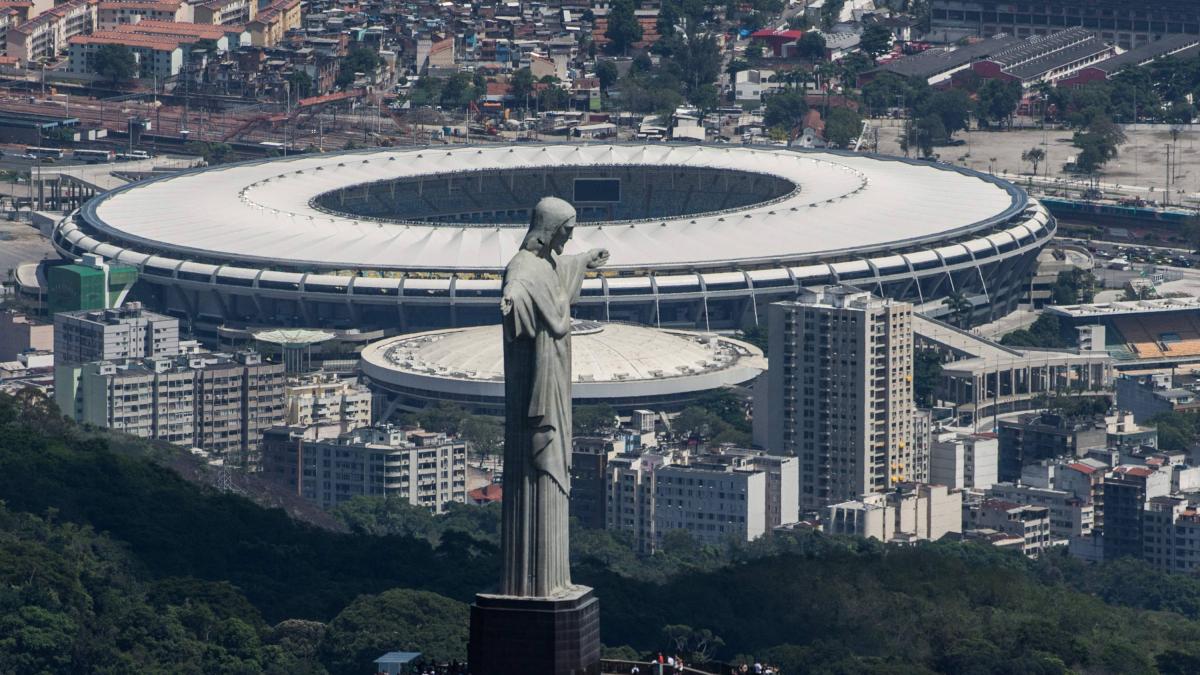
- September 27, 2026: In a monumental crossover for international sports in South America, the historic Maracanã Stadium will host the NFL Rio Game, a high-stakes regular-season matchup featuring the Baltimore Ravens and the Dallas Cowboys.
Supporting Data: Understanding the Colombian Outbound Surge
To fully comprehend the scale of the 2025–2026 tourism phenomenon, industry analysts look closely at the demographic and economic indicators driving travel between Colombia and Brazil.
Visitor Growth Metrics
- Total Colombian Visitors (2025): 194,467
- Year-Over-Year Growth: ~50% increase over 2024 figures.
- Average Trip Cost vs. Global Average: Colombian travelers spend roughly one-third less in Brazil than the standard global benchmark of $1,212.28 USD per international trip, maximizing purchasing power for excursions, lodging, and shopping.
Traveler Motivations Breakdown (Embratur Statistics)
- Sun and Beach Tourism: 38%
- Cultural Exploration: 33%
- Nature, Ecotourism & Adventure: 24%
- Gastronomy & Local Traditions (Colombian subset): 42%
- Adventure Sports & Outdoor Activities (Colombian subset): 41%
Beyond the urban centers, coastal escapes such as Angra dos Reis and Ilha Grande provide a masterclass in biodiversity and marine ecotourism. Located just hours from Rio de Janeiro, Ilha Grande offers attractions like the Acaiá Grotto (Gruta do Acaiá), located eight meters below sea level. Sunlight piercing through underwater fissures creates a mesmerizing natural fluorescence inside the cavern.
Boat excursions departing from the Santa Luzia Station typically last up to seven hours, navigating pristine aquatic reserves such as the Botinas Islands (ideal for snorkeling), Gipoia Island, Dentista Beach, Flechas Beach, and Piedade Beach, all framed by the lush emerald canopy of the Atlantic Forest (Mata Atlântica).
Official Responses and Strategic Vision
The exponential growth of Colombian tourists has not gone unnoticed by diplomatic and tourism authorities in both nations. Embratur executives have highlighted that targeted promotional campaigns in Bogotá, Medellín, and Cali have successfully dismantled the stereotype that Brazil is solely a carnival-and-beach destination.
In recent policy briefings, Brazilian tourism officials emphasized that the strategic positioning of cultural routes—such as the historic circuits of Minas Gerais and the Afro-Brazilian heritage trails of Salvador—has directly appealed to the intellectual and experiential curiosity of the modern Colombian traveler.
Furthermore, airline connectivity has played a pivotal role. Enhanced direct flight frequencies between Bogotá (El Dorado International Airport) and key Brazilian hubs like São Paulo (Guarulhos) and Rio de Janeiro (Galeão) have drastically reduced travel friction, encouraging both first-time visitors and repeat tourists to book multi-destination itineraries.
Colombian travel agencies have echoed these sentiments, reporting that inquiries regarding customized eco-adventures and luxury culinary tours in Brazil have risen by over 60 percent. Travel executives note that consumers are increasingly seeking value-driven luxury—obtaining high-end cultural and natural experiences without the exorbitant price tags associated with traditional European getaways.
Implications for the Regional Economy and Future Outlook
The booming tourism exchange between Colombia and Brazil carries profound economic, geopolitical, and cultural implications for South America.

Economic Impact
The influx of nearly 195,000 high-value, cost-conscious tourists injects millions of dollars directly into Brazil’s hospitality, aviation, and service sectors. Small and medium-sized enterprises (SMEs)—ranging from boutique eco-lodges in Ilha Grande to independent art galleries in Rio and family-run restaurants in São Paulo—are reaping the direct rewards of this diversification. For Colombia, the trend demonstrates a strengthening middle class with a growing appetite for international mobility and cross-cultural exchange.
Geopolitical and Integration Ties
Tourism serves as the soft-power engine of regional integration. As travel barriers drop and cultural familiarity deepens, bilateral relations between Bogotá and Brasília are strengthened organically. Joint initiatives focusing on sustainable tourism development, ecological preservation of the Amazon basin, and shared cultural heritage platforms are expected to gain momentum in the coming legislative cycles.
Environmental and Sustainable Challenges
With great popularity comes the inevitable challenge of resource management. As areas like Ilha Grande, Foz do Iguaçu, and urban hotspots in Rio de Janeiro absorb higher volumes of foot traffic, local governments and environmental agencies face increased pressure to enforce sustainable carrying capacities. Protecting delicate marine ecosystems, regulating boat tour densities, and ensuring that indigenous and local communities benefit equitably from the tourism boom will be paramount.

Outlook for 2026 and Beyond
Looking forward, industry analysts project that the momentum gained in 2025 will compound throughout 2026. Mega-events like the NFL game in Rio and the continuous expansion of niche tourism sectors (such as adventure sports and gastronomy) guarantee that Brazil will remain firmly planted on the bucket lists of Colombian travelers. As long as the favorable exchange rates and diverse experiential offerings persist, the bridge between Bogotá and Brazil’s sun-drenched shores will only grow stronger.