International Desk Published: November 11, 2026 — 4:25 PM Updated: November 11, 2026 — 4:27 PM
Main Facts
A massive wave of sophisticated, coordinated email threats swept across Europe, targeting thousands of educational institutions in Italy, the United Kingdom, and Ireland. The coordinated hoaxes forced the rapid evacuation of countless schools, caused widespread panic among parents and students, and thrust regional security forces into high gear.
The alarming electronic messages, which began flooding school servers early Wednesday morning, claimed that high-powered explosives had been planted inside the facilities. However, thorough sweeps conducted by local law enforcement, bomb squads, and intelligence agencies confirmed that all the alerts were entirely false. Authorities reported zero evidence of any physical danger or explosive materials on any of the targeted campuses.
Government officials, intelligence agencies, and security experts are treating the incident as a deliberate, psychological operation. Rather than seeking physical destruction, the perpetrators appear to have engineered the crisis to cause maximum disruption, sow societal distrust, and generate institutional chaos. This unsettling educational disruption follows closely on the heels of a similar wave of false bomb threats targeting commercial airliners and major European broadcasting networks just one week prior.
Chronology of the Disruptions
The unfolding security crisis followed a meticulously timed digital trajectory across Western and Northern Europe:
Early Wednesday Morning (Pre-Dawn): Automated scripts or coordinated senders dispatch thousands of uniform emails to administrative accounts across European educational boards. In Italy alone, approximately 6,300 out of 7,476 public schools receive the identical threat within a narrow window.
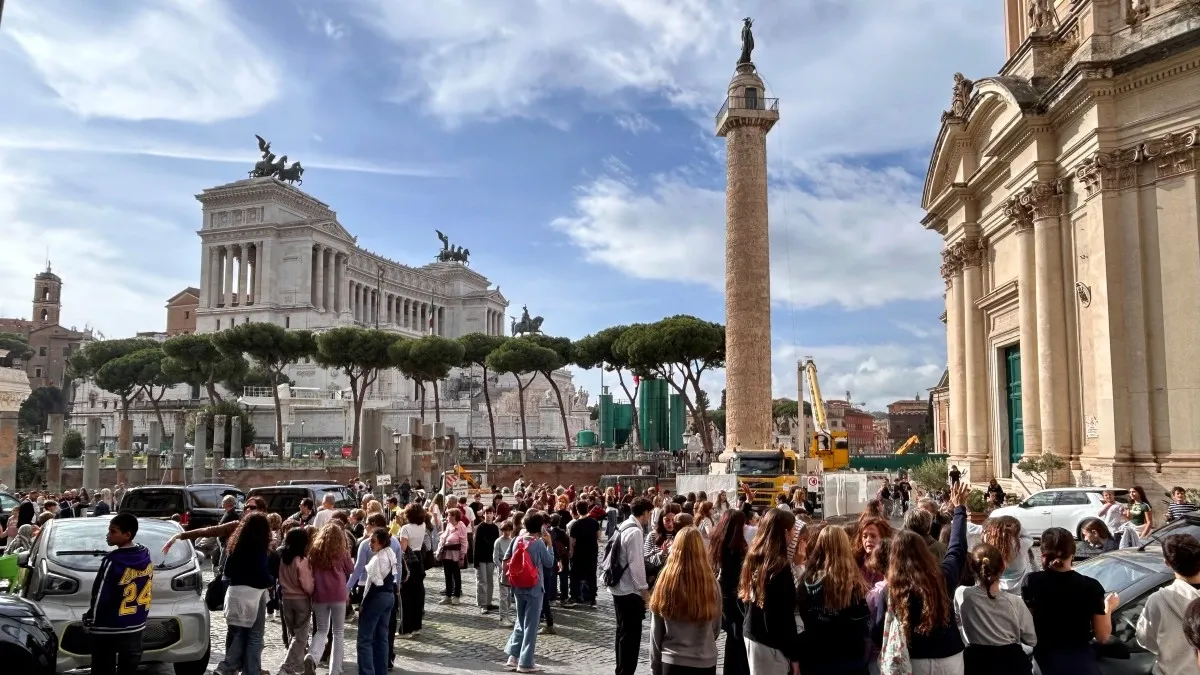
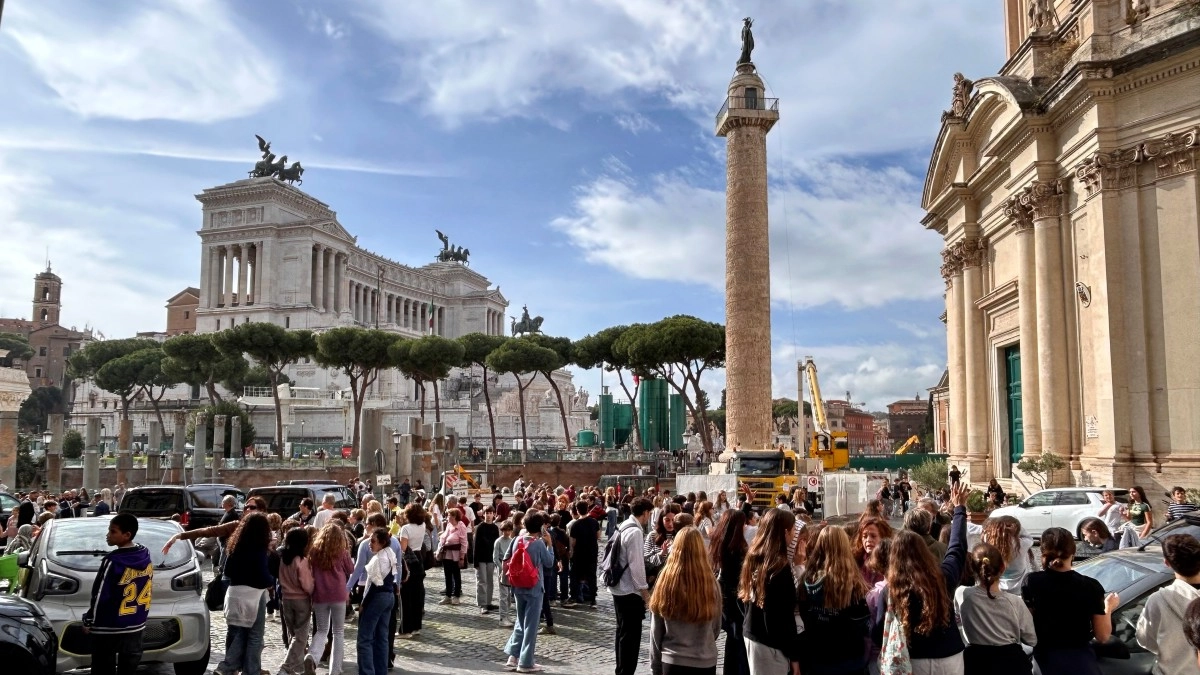
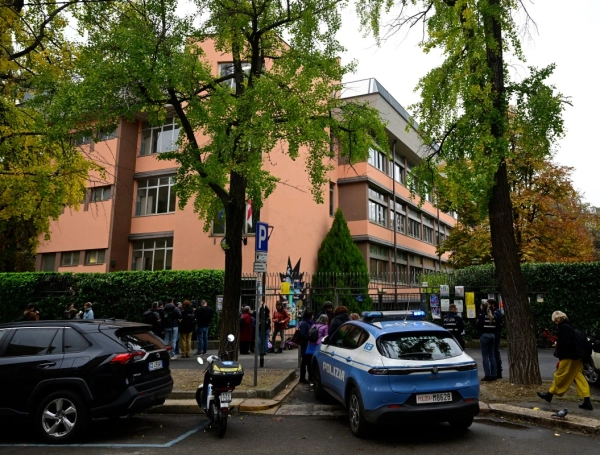
Morning Hours (8:00 AM – 11:00 AM): As administrators open their morning correspondence, panic sets in. Schools across major Italian cities, parts of the UK, and more than 300 institutions in Ireland trigger emergency protocols. Students are evacuated to courtyards and athletic fields, while frantic parents rush to school gates to pull their children home.
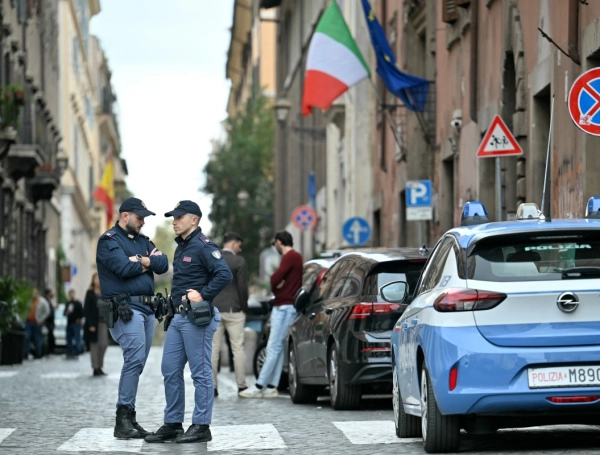
Mid-Day (12:00 PM – 2:00 PM): Law enforcement agencies mobilize explosive-detection K9 units and tactical squads to comb through classrooms room by room. Concurrently, government crisis cells convene in Rome, London, and Dublin to assess the cross-border nature of the cyber assault.
Late Afternoon: Italian Prime Minister Giorgia Meloni steps forward to deliver a televised and digital address, confirming that comprehensive sweeps have yielded no suspicious devices and officially declaring the alerts to be hoaxes designed to frighten the public.
Supporting Data and Evidence
The scale of the Wednesday operation highlights the vulnerabilities of modern public infrastructure to mass-scale digital nuisance campaigns.
Scale in Italy: According to Italian Education Minister Giuseppe Valditara, roughly 6,300 public schools—out of a national total of 7,476—were targeted by the email barrage.
Geographic Spread: Beyond the Italian peninsula, institutions in the United Kingdom and over 300 educational centers across Ireland experienced simultaneous scares, leading to widespread closures and evacuations, particularly in regions of Scotland.
The Content of the Threat: Italian investigative outlets revealed that the emails originated from a fictitious persona styling himself as "Mikhail Andropov, leader of the Vilayat of Misogynistan." The text of the message read with chilling exactness: "I have just left in your building, inside a plastic bag, a powerful explosive with remote detonation."
Eyewitness Accounts: At the historic Virgilio High School in Rome, students were denied the chance to pack their belongings. Sofia De Ponte, a 19-year-old student, recounted to international press: "The principal came out to the courtyard and told us that an email had arrived with a bomb threat, and right after that, the building was evacuated."
Official Responses and Government Reactions
Faced with mounting anxiety and chaotic scenes outside school gates, European political leaders moved swiftly to calm the public and coordinate a unified counter-response.
In Rome, Italian Prime Minister Giorgia Meloni convened an emergency summit with key cabinet ministers, intelligence directors, and national cybersecurity chiefs. Following the meeting, Meloni released a video message emphasizing that security services had thoroughly verified the situation:
"In many centers, the students went outside, law enforcement searched classroom by classroom, and I tell you immediately the most important thing: nothing was found, in any school."
Meloni underscored that the primary objective of the culprits was clearly psychological: "to frighten, to provoke suspicions, and to generate chaos." She added that Italian investigators are working hand-in-hand with continental counterparts to trace the digital footprints of the senders.
Antonello Giannelli, president of the Italian National Association of School Principals, issued a stark warning regarding the potency of digital abuse:
"This episode demonstrates to what extent irresponsibility, when combined with the extraordinary communicative power of the tools we have at our disposal today, can cause large-scale damage and disruption."
Government officials across the board have pleaded with citizens to rely on official communications, maintain composure, and refuse to yield to panic.
Broader Implications: The Shadow of Hybrid Warfare
The targeting of schools is not an isolated event; rather, it represents the latest escalation in what defense analysts and intelligence experts are terming hybrid warfare.
Over the past few weeks, Europe has weathered an unusual cluster of sophisticated, non-conventional disruptions:
Aviation Alerts: False bomb threats grounded or diverted dozens of commercial flights across European airspace just days prior.
Infrastructure Cyberattacks: Malicious code has targeted supermarket refrigeration systems in multiple European countries, including Italy.
Cross-Border School Hoaxes: Last month, hundreds of schools across Northern Ireland, Scotland, Hungary, and Serbia were subjected to identical panic-inducing cyber campaigns.
Hybrid warfare relies on blurring the lines between military conflict and civil disruption, utilizing cyberattacks, misinformation, psychological terror, and sabotage to strain democratic societies without triggering traditional military retaliation. By weaponizing everyday institutions—such as schools, supermarkets, and commercial airlines—adversaries seek to exhaust public trust in state security apparatuses and drain economic and law enforcement resources.
With European security architecture facing unprecedented stress tests, the Community Political Cooperation (CPE)—a vital forum uniting nearly all European nations—has announced that regional defense, cyber resilience, and countermeasures against hybrid threats will take center stage at its upcoming diplomatic summits. As investigators chase digital ghosts across servers worldwide, Europe is left grappling with how to protect its open societies from invisible architects of chaos.
By International News Desk Updated: July 19, 2026 The quiet rhythm of life in Campo Mourão, a municipality in the state of Paraná, southern Brazil, was shattered on the evening of Friday, July 17, when…
FLORIDA, UNITED STATES — A profound sense of shock and mourning has gripped the aviation community and local residents following a catastrophic plane crash in Palm Beach County, Florida. On Sunday, November 1, 2026, a…
By International News Desk Updated July 21, 2026 The Democratic Republic of the Congo (DRC) is currently grappling with one of the most challenging public health crises of the decade. On Tuesday, July 21, the…