By: Andrés Felipe Bejarano Bejarano
Updated: July 17, 2026
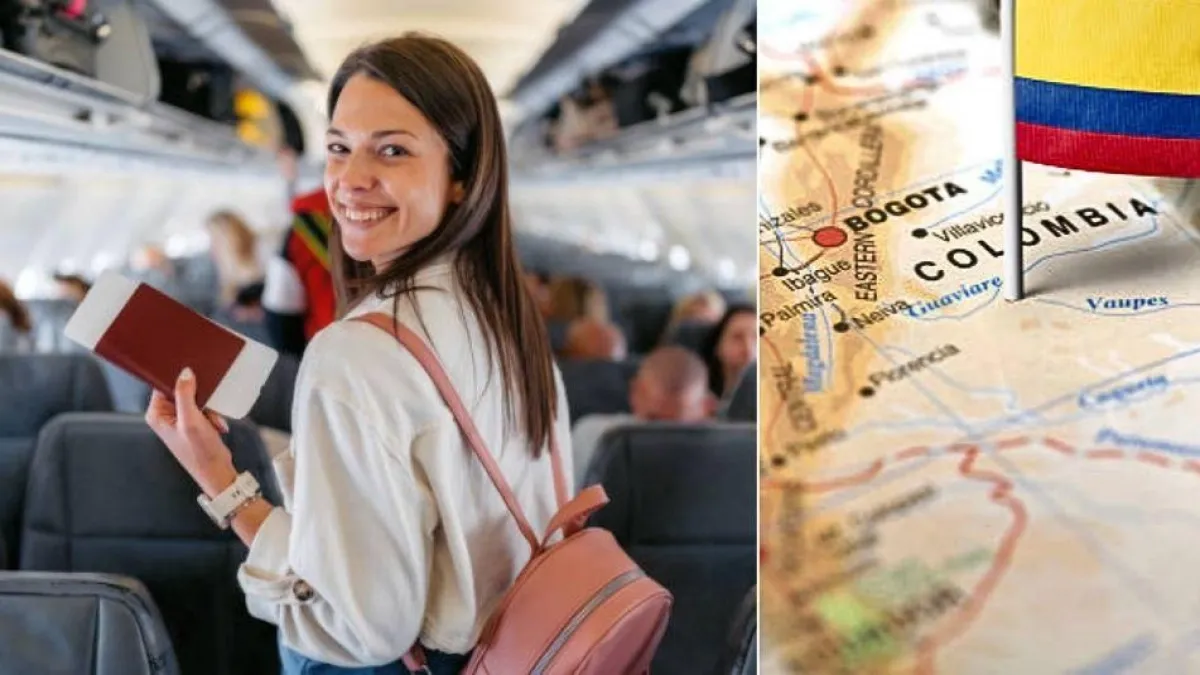
As Colombia approaches the significant holiday of Independence Day, commemorated on July 20, the nation is bracing for one of its most dynamic travel periods of the year. With the holiday falling during the mid-year break, the surge in travel demand has become a focal point for the tourism industry. According to the latest data provided by Kayak, the leading travel search engine, a clear picture has emerged regarding where Colombians are heading, how much they are spending, and which destinations have become the most accessible for budget-conscious travelers.
Main Facts: The Pulse of Domestic Tourism
The Independence Day long weekend is not merely a break from the daily grind; it represents a barometer for the health of the Colombian travel sector. As citizens look to capitalize on the public holiday, the data reveals a marked preference for the coastal regions, cementing the Caribbean as the primary destination for relaxation and leisure.
The figures provided by Kayak underscore a significant shift in consumer behavior. Cartagena, the jewel of the Caribbean, has seen a 24 percent increase in flight searches compared to the same period in 2025. Similarly, the archipelago of San Andrés—a perennial favorite for its turquoise waters—has experienced a 19 percent surge in interest. These statistics are not just numbers; they represent a renewed enthusiasm for domestic exploration, as travelers prioritize destinations that offer a respite from the urban environment.

Beyond the coastal hotspots, the search data reflects a broader trend of "urban-to-nature" migration. While major metropolitan hubs like Bogotá, Medellín, and Cali continue to be essential transit points, the volume of searches suggests that residents of these cities are actively seeking to escape to the country’s diverse landscapes, from the Andean peaks to the humid, tropical coastlines.
Chronology of Travel Planning
The trajectory of this year’s travel planning began in early June, when the first wave of bookings for the July holiday was registered. The behavioral pattern of the Colombian traveler has become increasingly proactive, with many choosing to secure their flights at least 45 days in advance to mitigate the risk of price volatility.

- June 15 – June 30: Initial surge in flight searches for the period surrounding July 20. Early birds secured the most competitive rates, particularly for international and high-traffic domestic routes.
- July 1 – July 10: The "Peak Search Window." Data shows that this period saw the highest volume of unique searches on travel platforms. During this time, airlines began adjusting their capacity, increasing flight frequencies to the most requested coastal destinations.
- July 15 – July 17: Finalization of plans. The current phase, characterized by last-minute bookings and final itinerary adjustments. For those who delayed their planning, prices have seen a slight upward tick, reflecting the standard industry practice of yield management during high-demand windows.
- July 18 (Anticipated): Mass exodus from major cities. Authorities expect high traffic volume on the highways leading out of Bogotá, Medellín, and Cali, with thousands of families embarking on their holiday journeys.
Supporting Data: Where the Value Lies
Understanding the financial implications of travel during a holiday is crucial for the modern traveler. Kayak’s analysis provides a detailed look at the economic landscape of domestic tourism in Colombia for 2026. While demand in the Caribbean is driving prices up, there are still pockets of affordability.
Top Destinations by Demand
The rankings are clear: the Caribbean remains the undisputed king. However, the cost of entry varies significantly. Based on current averages for round-trip economy class tickets, the top five most searched destinations include:

- Cartagena: The high demand has kept prices at a premium, reflecting its status as a luxury-leaning destination.
- San Andrés: Despite the increase in popularity, the island remains accessible, though travelers are advised to book early to avoid peak-season markups.
- Santa Marta: Balancing history and nature, Santa Marta continues to attract a steady stream of tourists, particularly families.
- Medellín: As the "City of Eternal Spring," it remains a hub for cultural tourism and business-leisure travel.
- Bogotá: While the capital is a departure point, it also serves as a major destination for visitors from smaller regions looking to experience the city’s festive atmosphere.
The Budget-Friendly Alternatives
For travelers prioritizing cost, the data suggests that looking toward major regional centers can yield better value. The five destinations with the most competitive average prices for round-trip flights include:
- Cali: Offering a vibrant cultural experience at a lower price point compared to the coast.
- Pereira: A gateway to the Coffee Axis, offering affordability and accessibility for nature lovers.
- Bucaramanga: Often overlooked, this city offers excellent value and serves as a base for adventure tourism in the Santander region.
- Armenia: Another entry point to the coffee region, providing a cost-effective alternative for those looking for a tranquil escape.
- Barranquilla: Frequently more affordable than its neighbor, Cartagena, serving as a tactical choice for budget travelers.
Opportunities for Savings
The most interesting finding in the report is the list of cities that have actually seen a reduction in flight costs compared to the previous year. This "deflationary" trend in specific routes presents a unique opportunity for opportunistic travelers. Destinations such as Leticia and certain routes connecting the interior to the Pacific coast have shown price drops, likely due to increased competition among budget airlines and strategic route expansions.
Official Responses and Industry Perspective
Alejandro Lombana, the Director of Commercial Operations for Kayak in Latin America, provided a comprehensive perspective on these findings. In a recent statement, Lombana emphasized that the current travel climate is defined by diversity.
"During a period as significant as the Independence Day holiday, it is fascinating to witness the sheer variety of destinations that capture the imagination of the Colombian traveler," Lombana noted. "While the Caribbean remains a powerhouse, the data also highlights a sustained interest in the cultural and economic centers of the country. This reflects the incredible diversity of regions, cultures, and experiences that Colombia offers."

Lombana further explained that the data is an essential tool for both consumers and the travel industry. By tracking these trends, airlines and travel providers can better allocate resources, while consumers are empowered to make informed decisions that align with both their travel desires and their financial constraints.
Implications for the Future of Travel
The implications of these trends are far-reaching. First, the data suggests that the Colombian tourism sector has successfully transitioned into a post-pandemic growth phase where domestic travel is no longer just a necessity, but a primary lifestyle choice. The integration of technology in travel planning—as evidenced by the reliance on search engines like Kayak—is becoming the norm.

Second, there is a clear lesson in economic resilience. Despite inflationary pressures, the demand for travel remains inelastic for a significant segment of the population. People are not stopping their travel plans; they are simply becoming more strategic. They are opting for "smart travel," comparing prices across multiple platforms and looking for the "hidden gems" that offer better value for money.
Finally, the government and local tourism boards must take note of these patterns. As cities like San Andrés and Cartagena experience surges in demand, the focus must shift toward sustainable tourism and infrastructure management. Ensuring that these destinations can handle the influx of travelers without compromising the experience or the environment will be the defining challenge for the coming years.

As the country prepares to celebrate its independence, the movement of thousands of citizens across the landscape serves as a reminder of the country’s vastness and the enduring desire of its people to connect with their heritage and their home. Whether heading to the beaches of the north or the mountains of the interior, the Colombian traveler of 2026 is better informed, more tech-savvy, and more determined than ever to make the most of their time off.