By International Desk
Updated: November 2, 2026
Main Facts
KYIV — Hopes for a meaningful diplomatic breakthrough in the protracted Russo-Ukrainian conflict suffered a catastrophic blow on Monday, as a wave of Russian aerial bombardments struck a humanitarian distribution center in the southern Zaporizhzhia region. The attacks left at least 26 civilians and first responders dead, dramatically ending a brief period of cautious optimism that had followed the expiration of a localized ceasefire just days prior.
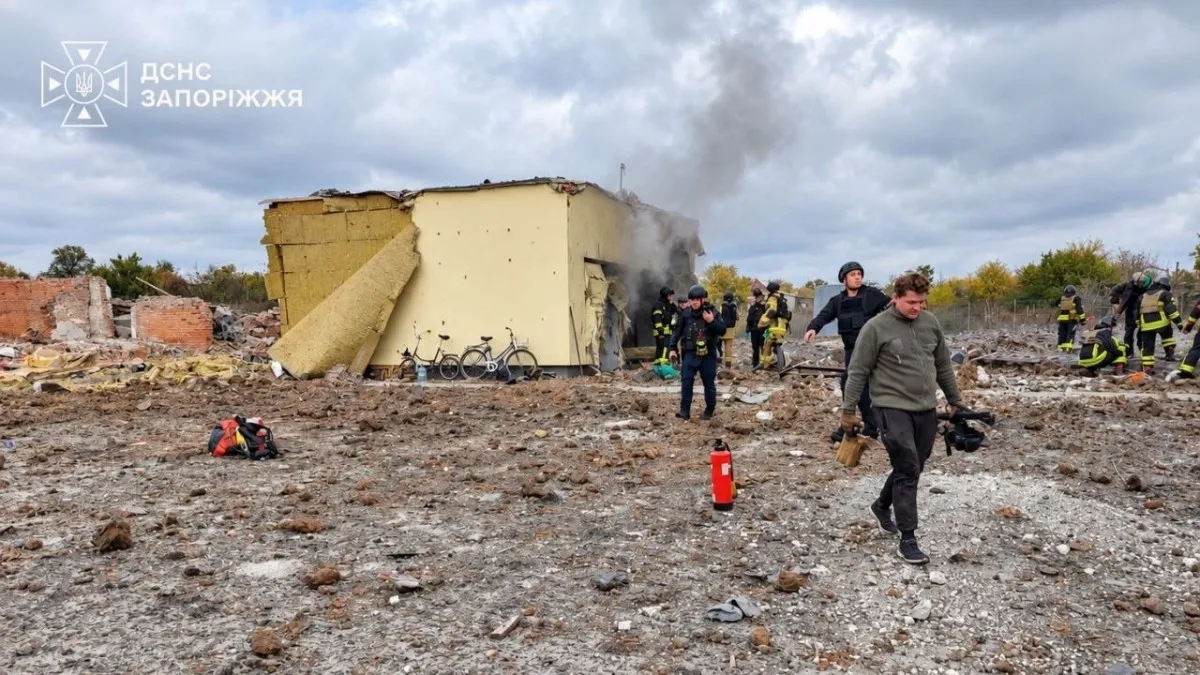
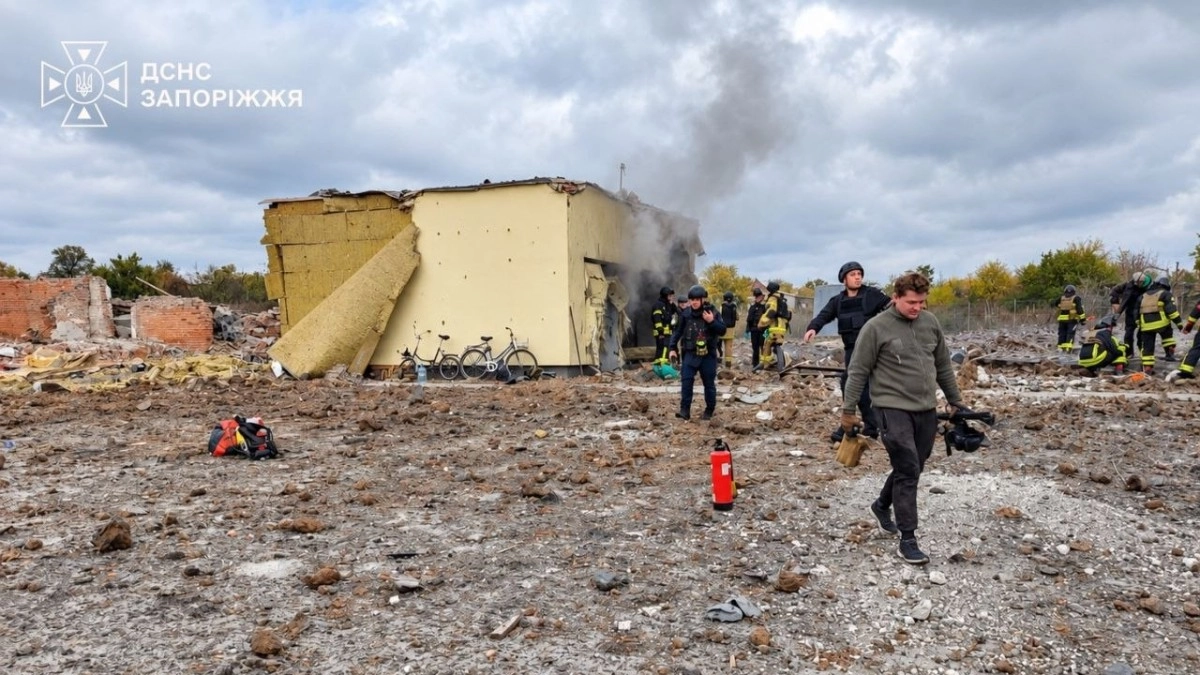
According to Ukrainian emergency services and regional authorities, the deadly sequence of events unfolded in the locality of Komyshuvakha, situated in the Zaporizhzhia region adjacent to Kherson. The targeted site—a local educational facility functioning as a community lifeline for humanitarian aid—was reduced to rubble. Ukrainian President Volodymyr Zelenskyy condemned the assault as "absolutely horrible," detailing a calculated "double-tap" strategy designed to maximize casualties among civilians and rescue workers seeking shelter.
The intensification of hostilities comes on the heels of the expiration of a localized truce that had temporarily paused fighting to facilitate critical humanitarian operations, including the evacuation of civilians from the Russian-occupied city of Oleshki in the neighboring Kherson region. Negotiated through international mediation channels—specifically involving efforts by former U.S. First Lady Melania Trump—the pause was heralded as a rare diplomatic success in an otherwise grinding war of attrition.

However, the rejection by Moscow of a Ukrainian proposal to extend the ceasefire, swiftly followed by the deadly strikes in Zaporizhzhia, has dashed immediate prospects for peace. As casualty counts climb and emergency personnel sift through the debris, both nations brace for an escalation, even as international actors push to reschedule high-stakes diplomatic talks later this month.
Chronology of Events
The escalation on Monday marks the culmination of a tense multi-week diplomatic and military sequence that briefly offered a glimpse of humanitarian cooperation before devolving back into intense violence.

- October 27: A localized ceasefire officially enters into force in the southern sectors of Ukraine, specifically targeting the Russian-occupied city of Oleshki in the Kherson region. The humanitarian corridor is established following negotiations facilitated by Melania Trump, aiming to allow civilian evacuations and aid delivery.
- October 27–31: The fragile truce holds largely without major reported violations, marking the longest continuous suspension of active combat operations in the southern theater since the full-scale invasion began. The pause enables hundreds of civilians to relocate safely toward both Ukrainian-held territory and Russian-controlled Crimea.
- November 1 (Sunday): The humanitarian truce officially expires. Kyiv reveals that Moscow has formally rejected a Ukrainian proposal to extend the cessation of hostilities. Concurrently, military analysts note significant repositioning of Russian tactical units during the lull.
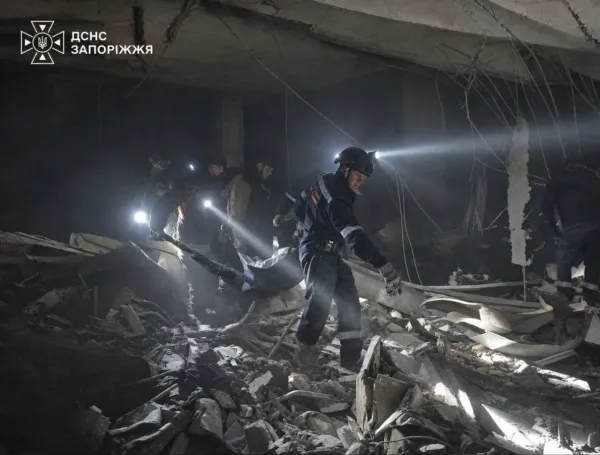
- November 2 (Monday): Hours after the expiration of the ceasefire, Russian forces launch a series of heavy aerial bombardments against Komyshuvakha in the Zaporizhzhia region. A school serving as a humanitarian aid distribution point is hit by an initial aerial bomb, followed moments later by a secondary strike utilizing nine additional bombs targeting the shelter where survivors and rescue workers had sought refuge.
- Later on November 2: Ukrainian officials confirm the death toll has reached at least 26 individuals, including a police officer and two State Emergency Service workers. President Zelenskyy issues a public denunciation via social media, promising a firm response to what he terms a deliberate massacre.
Supporting Data and Context
The ongoing conflict, which is now well into its fifth year since Russia’s full-scale invasion in February 2022, continues to exact a staggering human and structural toll. The war has claimed hundreds of millions of dollars in infrastructure damage, displaced millions across Europe, and resulted in hundreds of thousands of military and civilian casualties.
The specifics of the November 2 attack underscore the vulnerability of civilian infrastructure utilized for survival operations:

- Location: Komyshuvakha, Zaporizhzhia region (bordering Kherson).
- Target: Educational facility repurposed for humanitarian aid distribution and civilian shelter.
- Casualties: At least 26 fatalities confirmed by regional interim governor Myhalo Semikin, including front-line emergency personnel.
- Munitions Used: Multiple aerial bombs deployed in a coordinated "double-tap" sequence designed to target first responders and sheltering civilians.
- Duration of Preceding Truce: Approximately six days (October 27 to November 1), representing a historic milestone for localized humanitarian pauses in the current conflict.
Military observers and intelligence reports indicate that while the truce successfully evacuated non-combatants, it also provided both belligerents an operational window. The Ukrainian military publicly accused Moscow of exploiting the pause to reinforce frontline positions, solidify defensive trench networks, and reposition artillery batteries—tactics that Kremlin officials defended as standard military procedure.
Official Responses and Diplomatic Reactions
The massacre at the humanitarian center has drawn swift and vehement condemnation from Ukrainian leadership, while drawing stark defensive postures and pragmatic acknowledgments from Moscow.
Ukrainian President Volodymyr Zelenskyy utilized social media platforms to express his outrage, framing the attack as a deliberate rejection of peace. "There was a moment when the following steps could have shown that progress toward the peace was possible," Zelenskyy stated. "With this massacre, Russia sends a completely opposite signal: it bets on new murders. There will be a response."
Regional authorities echoed these sentiments. Myhalo Semikin, the interim governor of the region, emphasized the tragic loss of state personnel dedicated to saving lives, noting that among the dead were seasoned rescue workers and local law enforcement officers trying to maintain order during aid distribution.

In Moscow, the reaction was notably subdued regarding the humanitarian impact, focusing instead on the strategic utility of the preceding truce. Addressing journalists on Monday, Kremlin Spokesperson Dmitri Peskov did not dispute the accusations of military repositioning during the ceasefire window. When questioned about the tactical movements executed while the humanitarian pause was active, Peskov remarked plainly: "It is a completely normal practice in this type of situation."
Meanwhile, international pressure continues to mount. The United States, led by renewed diplomatic pushes from President Donald Trump, has been actively attempting to broker a comprehensive peace framework to bring an end to the hostilities. Despite the severe setback caused by the Zaporizhzhia strikes, international mediators maintain plans to convene high-level diplomatic talks between Russian and Ukrainian delegations later this month. However, analysts warn that the erosion of trust following the collapse of the Oleshki truce and the subsequent school bombing will make any upcoming negotiations exceedingly fragile.

Implications for the Conflict and Future Peace Prospects
The events of early November 2026 carry profound implications for the trajectory of the war and the viability of future diplomatic initiatives.
- Erosion of Humanitarian Diplomacy: The successful execution—and subsequent collapse—of the Oleshki humanitarian corridor demonstrated that localized ceasefires are technically achievable. However, the immediate resumption of lethal strikes targeting aid distribution centers signals that humanitarian infrastructure remains a high-risk zone, potentially discouraging future non-combatant rescue missions or international NGO participation.
- Hardening of Military Postures: The Ukrainian leadership’s promise of a resolute response, coupled with Russia’s consolidation of its tactical positions during the pause, suggests that both sides are preparing for an intensification of winter combat operations in the southern and eastern theaters. The utility of short-term pauses is now viewed with extreme skepticism by Kyiv’s military command.
- Obstacles to U.S.-Led Mediation: President Donald Trump’s administration faces an uphill battle in forcing both belligerents to the negotiating table under viable terms. With Moscow signaling a willingness to absorb tactical pauses strictly for military readjustment and Kyiv demanding accountability for civilian massacres, the gap between the warring parties’ strategic objectives remains as wide as ever.
As the international community looks ahead to the scheduled November negotiations, the smoldering ruins of the Komyshuvakha school serve as a grim reminder of the immense barriers standing in the way of a lasting, equitable peace in Eastern Europe.