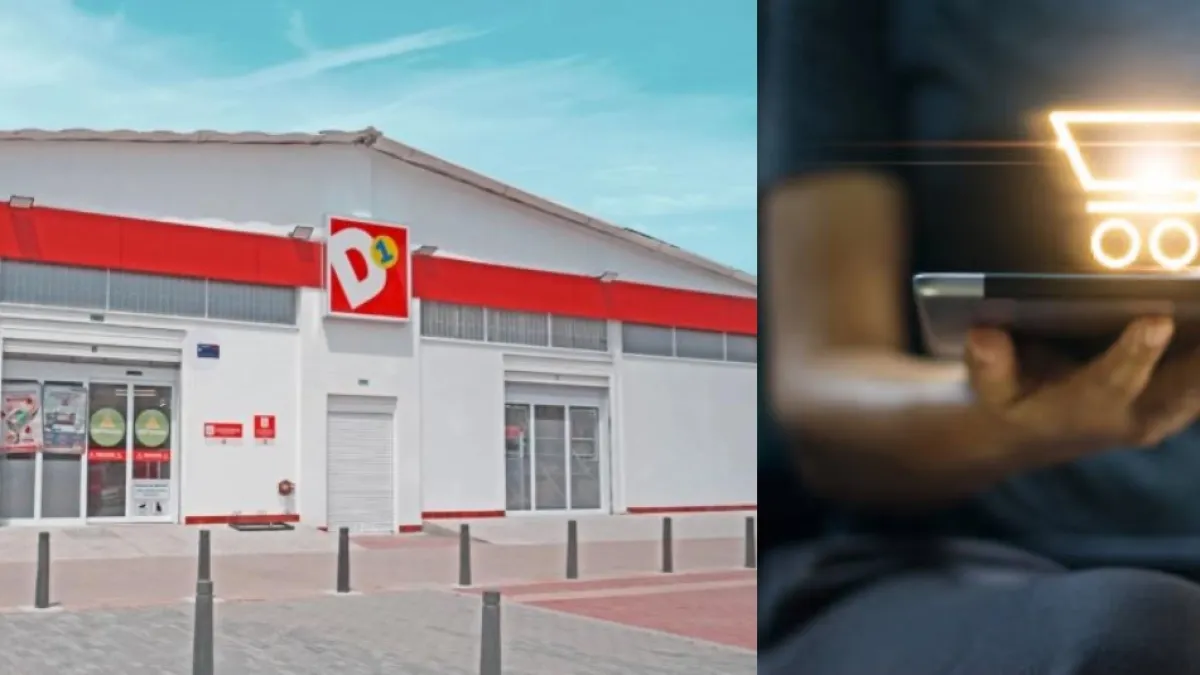
In the fast-paced landscape of modern Colombia, the traditional chore of grocery shopping has undergone a digital transformation. For millions of households, the weekly excursion to the supermarket—once a non-negotiable ritual—is increasingly being replaced by the convenience of mobile applications and web-based platforms. Tiendas D1, a cornerstone of the Colombian retail market known for its competitive pricing and expansive physical footprint, has successfully pivoted to address this shift, launching a robust digital delivery service that bridges the gap between value-driven shopping and home convenience.
This explanatory guide details how Tiendas D1 has optimized its supply chain and digital infrastructure to bring its catalog directly to the consumer, providing insights into the operational mechanics, logistics, and strategic implications of their home delivery service.
The Evolution of Convenience: Context and Market Antecedents
The retail sector in Colombia has seen a seismic shift since 2020. Faced with changing consumer habits, mobility restrictions, and the rapid adoption of digital tools, retailers were forced to rethink their interaction with the end user. Tiendas D1, which revolutionized the "hard discount" model in the country, initially focused exclusively on the in-store experience. However, the brand’s deep market penetration necessitated an evolution to protect its market share against competitors offering integrated digital solutions.
The development of the D1 delivery platform was not merely a reaction to external pressures but a strategic move to leverage its existing logistics network. By integrating its warehouse capabilities with a user-friendly digital front end, the company has managed to maintain its signature low-cost value proposition while providing the premium service of home delivery.

Understanding the Digital Architecture: How to Access the Platform
For new users or those accustomed only to the physical stores, the transition to the digital platform is designed for simplicity. The ecosystem functions across two primary pillars: the official website and the mobile application.
1. Account Initialization and Geographic Validation
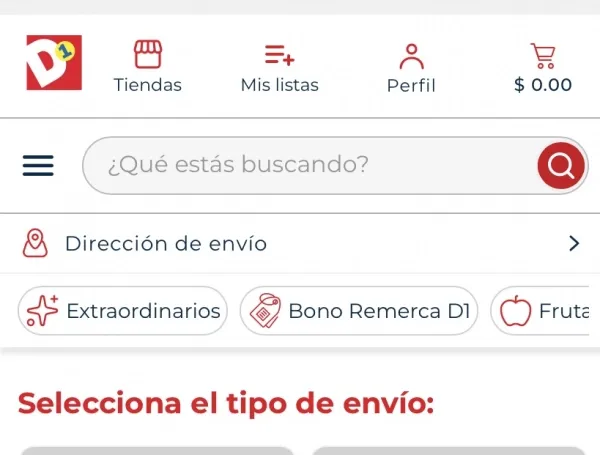
The journey begins by visiting the official Tiendas D1 delivery portal or downloading the proprietary mobile application. Upon entry, the user is prompted to create an account or sign in under the "My Account" (Mi Cuenta) section. This step is critical; it is here that the system stores user preferences and purchase history.

Crucially, the platform requires an initial address registration. This is not merely for administrative purposes but for immediate geographic validation. Because D1’s delivery radius is tied to the proximity of specific store nodes, the system cross-references the user’s location with the nearest distribution point to determine if the area is within the service zone. If covered, the platform then displays the specific catalog available for that geographic sector, ensuring that inventory displayed matches real-time stock levels at the local hub.
2. The Procurement Process: A Step-by-Step Methodology
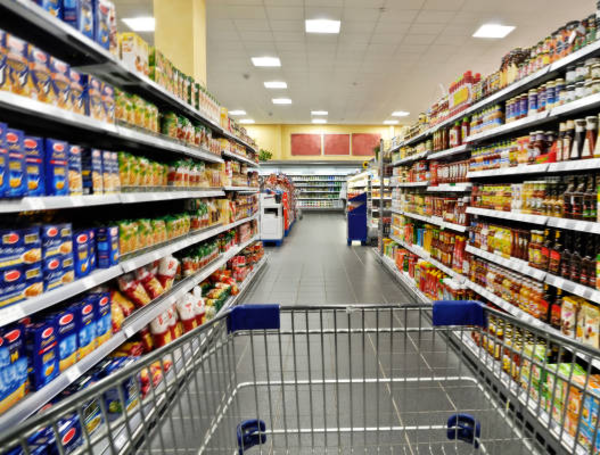
Once the location is locked in, the consumer gains access to the digital catalog. The interface categorizes products similarly to the physical aisles of a store, allowing for intuitive navigation. Each item is accompanied by high-resolution imagery, a detailed product description, and, most importantly, the price.
- Item Selection: Users add products to their digital cart by clicking the "Add" button.
- Review Phase: Before finalizing, the "Shopping Cart" (located in the upper right corner of the interface) provides a comprehensive summary. Users are encouraged to verify quantities and types to avoid post-purchase discrepancies.
- Logistics and Scheduling: The final stage involves selecting a delivery slot. D1 offers distinct options, ranging from scheduled delivery windows for comprehensive household stocking to the "D1 Express" service, which is optimized for rapid delivery of smaller, essential orders (up to 24 items).
Logistics and Operational Nuances: D1 Express vs. Scheduled Delivery
The brilliance of the D1 delivery model lies in its segmentation of service levels. Recognizing that a user buying a week’s worth of groceries has different needs than someone who ran out of milk or coffee, the company has split its logistics into two distinct streams.
The Scheduled Model
Designed for "large" or "bulk" orders, this service allows customers to plan their deliveries in specific time slots. This efficiency allows D1 to optimize its fleet routes, reducing fuel consumption and operational costs—savings that are effectively passed on to the consumer.

D1 Express
This agile service is the company’s response to the rise of "quick commerce" (q-commerce). By capping the order at 24 items, the company ensures that the pick-and-pack process at the store level remains fast, allowing for expedited dispatch and delivery. This is a critical competitive edge in urban centers like Bogotá, Medellín, and Cali, where time-sensitive demand is high.
Financial Implications: Costs, Payments, and Transparency
One of the most frequent questions from consumers concerns the cost of the delivery service. Unlike some high-end delivery apps that obfuscate fees, Tiendas D1 maintains a transparent model.
The Cost Structure
The delivery fee is typically calculated as an additional line item on the final receipt. The cost is dynamic, influenced by three main variables:
- Geographic Proximity: The distance between the delivery address and the fulfilling store.
- Order Volume/Weight: The complexity of the order affects the logistics cost.
- Service Type: Express deliveries often carry different fee structures compared to scheduled, bulk deliveries.
Payment Flexibility
The platform is built to accommodate the diverse banking habits of the Colombian population. The payment gateway supports:

- Digital Payments: Credit and debit card processing for a seamless, contactless experience.
- Cash on Delivery (COD): Recognizing that a segment of the population remains cash-reliant, D1 continues to offer payment upon receipt.
- Mobile POS: For those choosing cash or card on delivery, the couriers are equipped with mobile dataphones, ensuring that the transaction remains secure and documented.
Strategic Implications: Why This Matters for the Retail Sector
The move by Tiendas D1 into the digital delivery space carries significant weight for the broader Colombian economy. By digitizing its catalog, the company has effectively transformed its physical stores into "dark stores" or mini-fulfillment centers. This hybrid model allows the company to minimize capital expenditure on dedicated distribution centers while maximizing the efficiency of its existing retail real estate.
Furthermore, this shift provides D1 with invaluable data analytics. By observing digital shopping patterns, the company can forecast demand with much greater accuracy, optimize inventory replenishment at the store level, and tailor promotions to individual user profiles.

Best Practices for the Consumer: A Proactive Approach
To ensure a smooth experience, regular users should adhere to the following recommendations:
- Post-Delivery Verification: Always inspect the order upon arrival. Confirm that the items delivered match the digital invoice, especially when opting for fresh produce or perishable goods.
- Manage Notifications: Keep push notifications enabled on the mobile app to receive real-time updates regarding order status, potential stock substitutions, or delivery delays.
- Data Accuracy: Ensure that contact information, particularly the phone number, is up to date, as delivery personnel often rely on direct communication for building access or specific delivery instructions.
Conclusion: The Future of Grocery Retail
Tiendas D1’s foray into the home delivery market is a testament to the resilience and adaptability of the discount retail model. By focusing on a user-centric digital experience that does not compromise on the affordability that made the brand a household name, the company has successfully met the modern demand for convenience.

As the digital ecosystem continues to mature, users can expect further refinements, including AI-driven personalized recommendations and potentially even more granular delivery window options. For the Colombian consumer, the message is clear: the pantry of the nation is now reachable with just a few clicks, proving that the future of retail is not just about having the lowest prices, but about being the most accessible.
This article is for informational purposes. For the most current updates on service availability, delivery fees, and specific promotional terms, please consult the official Tiendas D1 website or their mobile application.