BOGOTÁ — In a sweeping realignment of national security strategy and international diplomacy, the Colombian government officially severed diplomatic relations with the Islamic Republic of Iran. Announced by the Ministry of Foreign Affairs on September 24, 2026, the decisive move formalizes a decree signed days earlier on September 19.
The decision marks a historic turning point in South American geopolitics under the administration of President Abelardo De La Espriella. According to official government statements, the termination of diplomatic ties is directly anchored in core pillars of national and hemispheric security, driven by an aggressive stance against transnational organized crime and global terrorism.
Main Facts: The End of an Era in Bilateral Relations
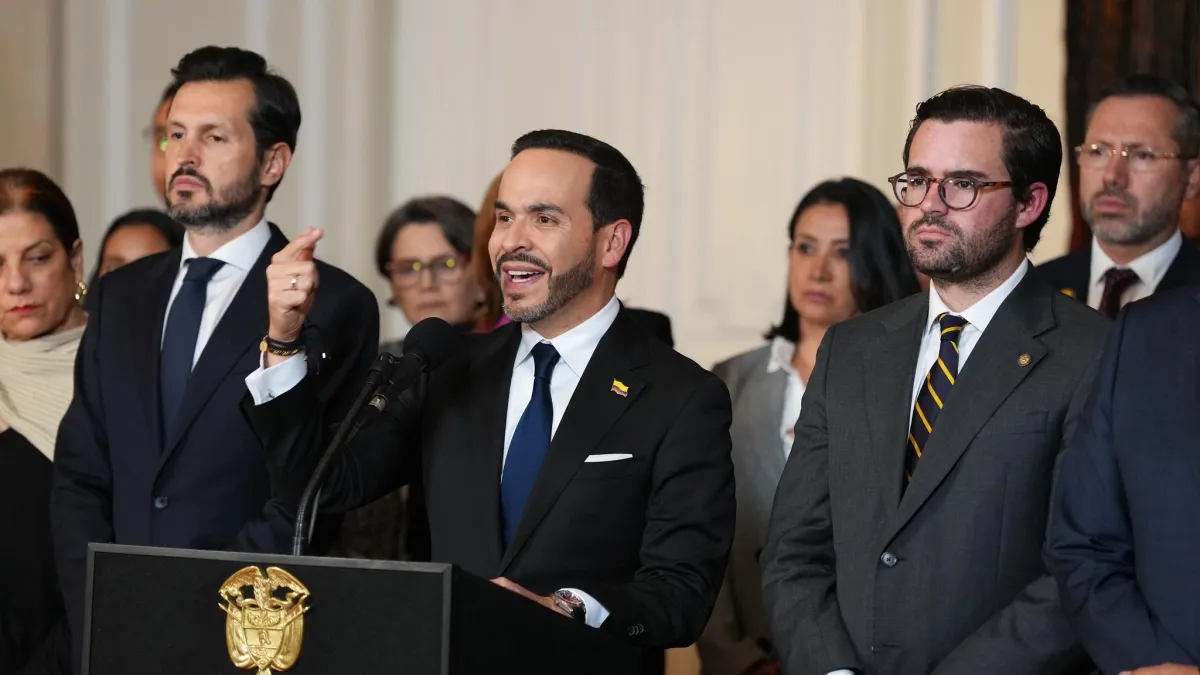
The Ministry of Foreign Affairs released an unequivocal statement detailing the termination of diplomatic channels between Bogotá and Tehran. The administration cited mounting evidence and profound security concerns regarding Iran’s alleged state-sponsored networks, international terrorist organizations, and narcoterrorism syndicates operating globally.
"These accumulated facts have fundamentally deteriorated Colombia’s trust in the government of the Islamic Republic of Iran," the Foreign Ministry stated, underlining that the defense of national sovereignty remains an unnegotiable baseline of contemporary Colombian foreign policy.

Despite the complete rupture at the diplomatic level, the Colombian government clarified that formal consular relations will remain intact. Operating under the frameworks established by the 1961 Vienna Convention on Diplomatic Relations (specifically Article 45) and the 1963 Vienna Convention on Consular Relations, basic channels to assist citizens and manage administrative necessities will be preserved. The Directorate of Protocol has been tasked with informing Iranian authorities of the precise protocols and timelines governing the departure of high-ranking diplomatic personnel, including the Iranian ambassador to Colombia.
Chronology of Events Leading to the Rupture
The diplomatic break did not happen in a vacuum; it is the culmination of months of strategic foreign policy shifts, intelligence assessments, and escalating geopolitical tensions both within Latin America and across the Middle East throughout 2026.

- March 2026: Geopolitical ripples across the Middle East intensify following leadership transitions within Iran, drawing heightened scrutiny from international intelligence agencies regarding Tehran’s external operational reach.
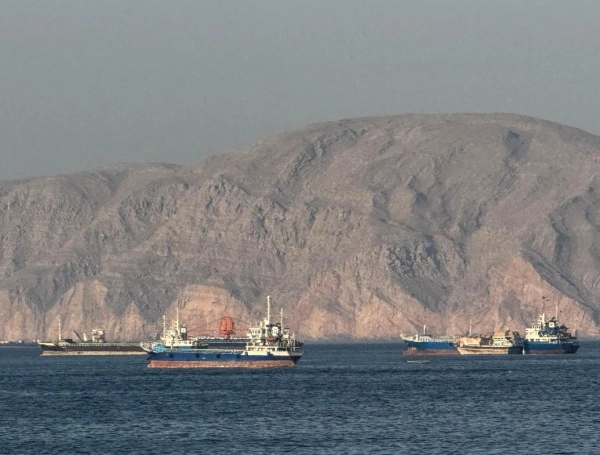
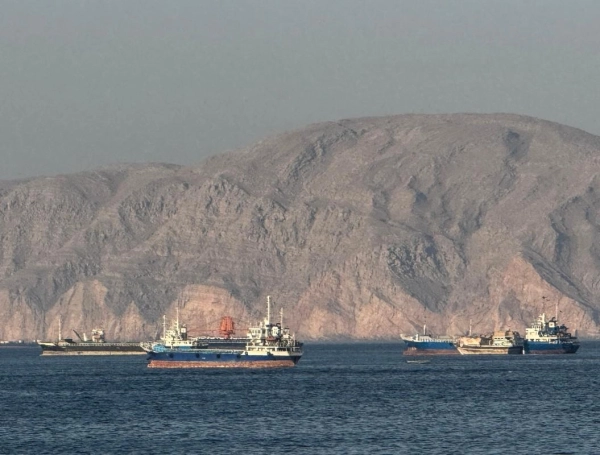
- July 2026: President Abelardo De La Espriella initiates a radical overhaul of Colombia’s foreign footprint, announcing plans to close multiple embassies and consulates worldwide, alongside a stated willingness to sever ties with ideological outliers and state actors linked to instability, such as Cuba and Nicaragua. Concurrently, strategic choke points such as the Strait of Ormuz experience severe commercial and security disruptions, drawing concern from allied Western economies.
- September 1, 2026: Peru breaks diplomatic relations with Iran, publicly holding Tehran accountable for exacerbating regional crises in the Middle East and setting a direct regional precedent for South American nations.
- September 10–11, 2026: Regional tensions spike further as various diplomatic realignments ripple across the Global South. Domestically, the Colombian Chancellery finalizes major foreign policy adjustments, including the implementation of visa-exemption agreements with key democratic allies like Israel.
- September 19, 2026: President Abelardo De La Espriella’s cabinet officially signs the administrative and executive orders cutting diplomatic ties with Tehran.
- September 24, 2026: The Ministry of Foreign Affairs formally publishes the communiqué announcing the definitive break to the international community.
Supporting Data and Geopolitical Context
The decision by President De La Espriella’s administration reflects a broader strategy to align Colombia more closely with Western security frameworks and reliable democratic allies. In recent months, the Colombian government has pursued a muscular doctrine of national defense aimed at neutralizing external interference and securing its borders from transnational criminal syndicates that utilize ideological alliances for illicit financial and logistical gains.
The administration’s foreign policy blueprint explicitly targets actors perceived as threats to hemispheric stability. By cutting diplomatic ties with Iran, Colombia joins a select group of Latin American nations—such as Peru—that have drawn a hard line against Tehran’s external activities.
Furthermore, the escalation of security crises in critical global shipping lanes, including the Strait of Ormuz, has underscored the vulnerability of global supply chains and underscored the necessity for nations committed to the international rules-based order to distance themselves from destabilizing regimes. Intelligence reports evaluated by the Colombian executive branch highlighted potential convergences between transnational narcotics trafficking networks operating in the Andean region and state-backed or proxy groups linked to Middle Eastern entities, tipping the scales in favor of an absolute diplomatic separation.
Official Responses and International Reactions
The announcement elicited immediate reactions from international partners, regional observers, and local political figures across the ideological spectrum.

The Israeli Embassy Welcomes the Move
Vivian Aisén, the Ambassador of Israel to Bogotá, swiftly issued a public statement celebrating the Colombian government’s decision. Ambassador Aisén expressed confidence that the measure—which entails the mandatory departure of the Iranian ambassador and senior diplomatic staff from the country—will directly contribute to safeguarding the security of the Colombian population. Israel has long advocated for a united international front against Iran’s geopolitical ambitions and proxy networks, viewing Colombia’s pivot as a major victory for regional counter-terrorism efforts.
Domestic Repercussions and Government Resolve
Domestically, the administration of President De La Espriella doubled down on its doctrine of active deterrence and sovereignty protection. The Chancellery reiterated that national diplomacy will not hesitate to close ranks against external interference, protect national borders, and fiercely defend the interests of Colombian citizens abroad.
"The defense of national sovereignty constitutes an unrenounceable axis of Colombian foreign policy," the Chancellery emphasized in its closing remarks. "Our diplomacy will protect our borders, reject any form of external interference, and aggressively promote the safety of our citizens before the international community."
Implications for Colombia’s Future Foreign Policy
The total severance of diplomatic ties with Iran carries profound implications for Colombia’s standing on the world stage:

- Redefining South American Alignment: By joining nations like Peru in taking punitive diplomatic action against Tehran, Colombia is signaling a definitive break from the non-aligned or ambiguous foreign postures of previous decades, anchoring its national security directly to Western intelligence-sharing and counter-terrorism architectures.
- Impact on Domestic Security: While the immediate practical effect involves the reduction of Iranian state presence in Bogotá, the move empowers national security agencies to more aggressively track, investigate, and dismantle domestic cells, financial fronts, or logistical conduits that may have exploited diplomatic cover for illicit operations.
- Consular Continuity: The preservation of consular channels ensures that the practical rights of any individual citizens caught in the diplomatic crossfire are protected, maintaining a baseline of legal communication without validating the political legitimacy of the Iranian regime.
- A Blueprint for the De La Espriella Doctrine: This historic decision serves as a primary case study for the foreign policy vision of President Abelardo De La Espriella: uncompromising, security-centric, highly nationalist, and prepared to dismantle traditional diplomatic norms when national security and sovereignty are perceived to be at stake.
As the Ministry of Foreign Affairs finalizes the procedural logistics for the departure of Iranian diplomatic officials, the international community will be watching closely to see how Tehran responds and whether other nations in the region follow Bogotá’s assertive lead.