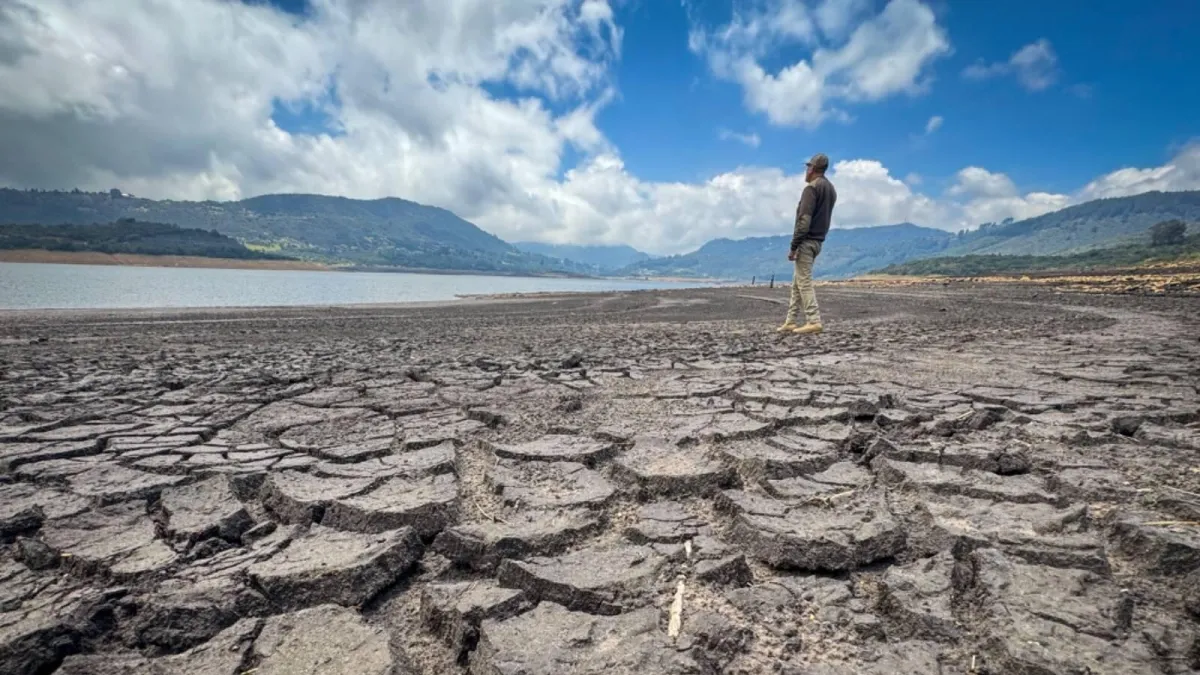
Global meteorologists and humanitarian agencies have sounded the alarm over a projected El Niño cycle expected to shatter historical parameters. With marine temperatures in the Pacific projected to soar to unprecedented heights, international leaders are urging immediate preparedness to mitigate catastrophic impacts on food security and vulnerable populations worldwide.
Main Facts
The global community faces a severe climatic threat as meteorological authorities project an upcoming episode of the El Niño phenomenon of unprecedented magnitude. According to alarming reports released by agencies of the United Nations, the cyclical climate pattern—traditionally associated with sweeping global temperature increases—could reach intensities that render current monitoring metrics obsolete.
Projections indicate that between November 2026 and January 2027, surface temperatures in the equatorial Pacific Ocean could spike to an astonishing 3.8 degrees Celsius above the historical average. This staggering thermal anomaly has prompted severe warnings from the leadership of the World Meteorological Organization (WMO). Celeste Saulo, the Argentine secretary-general of the WMO, stated during a press briefing that the anticipated metrics of this climatic event stand "literally outside of the tracking scales we have utilized over the last four decades."
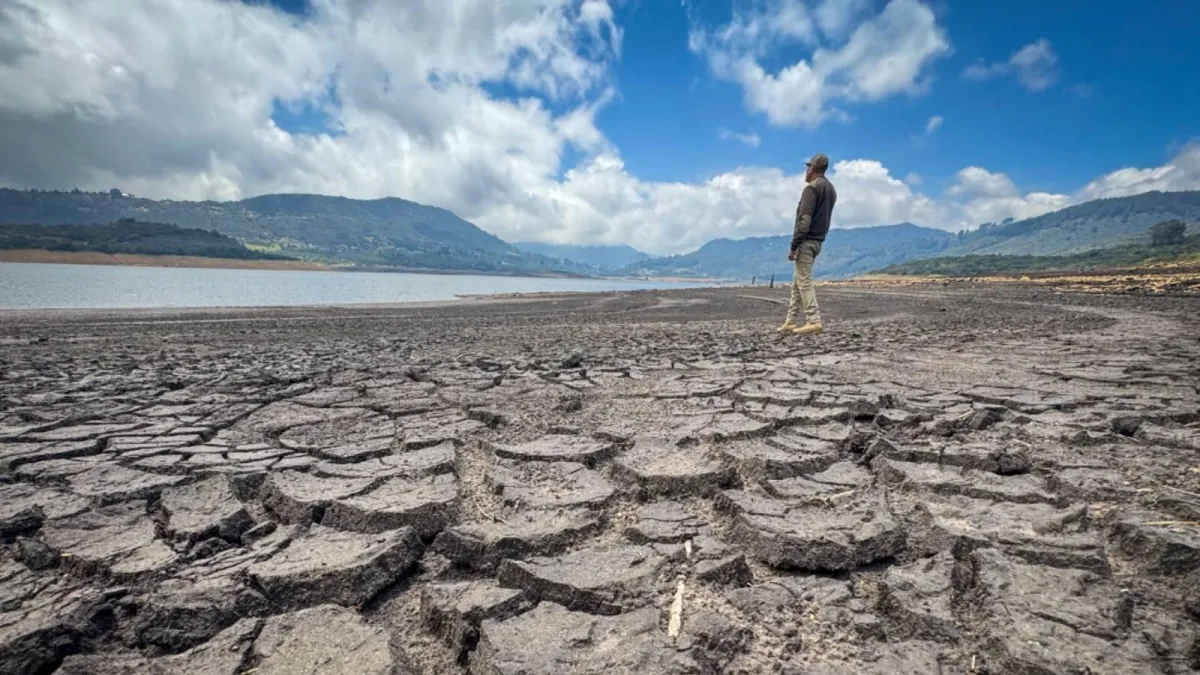
The consequences of such a powerful thermal disruption are expected to be profound and widespread. El Niño is characterized by the warming of sea-surface temperatures in the central and eastern tropical Pacific Ocean, which subsequently alters atmospheric circulation across the globe. In this impending cycle, the disruptions will not merely be incremental; they threaten to trigger severe ecological shocks, including prolonged droughts, catastrophic flash floods, and intense heatwaves across multiple continents.
Simultaneously, the United Nations Office for the Coordination of Humanitarian Affairs (OCHA), led by humanitarian coordinator Tom Fletcher, has joined the WMO in issuing an urgent, joint global appeal. The organizations emphasize that while the scale of the phenomenon is historic, nations still possess a narrow window of opportunity to fortify their infrastructure, secure food supplies, and implement disaster risk reduction strategies before the full force of the climatic shift is realized.
Chronology of the Crisis: Evolution of the Warning
The path toward recognizing this extraordinary climatic threat has developed through months of sophisticated meteorological modeling, cross-continental data analysis, and escalating warnings from international scientific bodies.

- Early 2026: Climatologists observing oceanic heat anomalies begin noticing persistent, abnormal warming patterns in the central Pacific Ocean, diverging standard predictive models for post-La Niña transitions.
- Mid-2026: Advanced supercomputing simulations run by the World Meteorological Organization and affiliated international climate centers begin registering extreme thermal outliers. Preliminary data suggests that the developing El Niño could outpace historical benchmarks established during the catastrophic 1997-1998 and 2015-2016 events.
- September 2026: Regional climate forums, including specialized meteorological desks across Latin America, Africa, and Asia, issue preliminary advisories regarding abnormal rainfall shifts and compounding dry spells, signaling that a major climate anomaly is taking shape.
- October 2026: The scientific consensus solidifies. WMO Secretary-General Celeste Saulo and UN Humanitarian Coordinator Tom Fletcher hold a joint high-level press briefing to formally announce that the approaching El Niño is projected to surpass all standard tracking scales, registering surface temperatures up to 3.8 degrees Celsius above average between November 2026 and January 2027.
- Mid-October 2026: In response to the escalating crisis indicators, OCHA announces an immediate emergency allocation of $50 million from its central emergency response funds, targeting the 11 most at-risk nations globally. Concurrently, regional authorities begin rolling out public awareness campaigns and early-warning preparedness protocols to brace populations for impending shocks.
Supporting Data and Meteorological Metrics
To understand the gravity of the UN’s warnings, one must examine the quantitative metrics driving the alarm. Climate science relies heavily on historical indices to categorize the strength of El Niño-Southern Oscillation (ENSO) phases. Typically, deviations of 1.5 to 2.0 degrees Celsius above average are classified as strong events; anything surpassing that threshold enters rare statistical territory.
The projection of a 3.8 degrees Celsius anomaly places this impending event in an entirely unprecedented category. For the last forty years, meteorological agencies have utilized standardized oceanic Niño indices (ONI) that measure three-month running mean sea-surface temperature anomalies in the east-central tropical Pacific. The current trajectory suggests these indices will breach historical ceilings, rendering existing calibration models insufficient for tracking the velocity and scale of the thermal shift.
Furthermore, the cascading effects of these ocean temperatures are intrinsically linked to broader global warming trends. The accumulation of greenhouse gases in the atmosphere has provided a thermal baseline that amplifies natural climate drivers. Consequently, when a major El Niño phase interacts with an already warming climate system, the resulting weather extremes are magnified exponentially.

Humanitarian data compound the meteorological figures. Projections shared by the UN indicate that the compounded impact of severe droughts in agricultural regions and catastrophic flooding in coastal and low-lying zones could directly threaten the food security of approximately 50 million people worldwide. The agricultural sectors in regions dependent on rain-fed farming face severe risks of crop failure, which in turn threatens to ignite localized economic instability and inflationary pressures on global food commodities.
Official Responses and Strategic Interventions
Faced with the prospect of a climate event that defies historical categorization, international organizations, regional governments, and humanitarian entities are mobilizing resources on an unprecedented scale.
The United Nations Joint Appeal
During their joint address, WMO Secretary-General Celeste Saulo and UN Humanitarian Coordinator Tom Fletcher emphasized a dual-pronged approach: rigorous scientific monitoring coupled with aggressive, preemptive humanitarian action.

"We are already witnessing meteorological extremes, and we expect these to multiply and trigger secondary crises as El Niño intensifies," Saulo noted. However, she was careful to offer a note of cautious optimism, stressing that extreme weather "does not have to trigger a humanitarian disaster by force." She underscored that early warnings can translate into early actions—such as relocating livestock, securing water reserves, and reinforcing flood defenses—which drastically reduce casualties and infrastructural damage.
Financial Mobilization and Targeted Aid
To operationalize this preparedness strategy, Tom Fletcher announced the immediate release of $50 million from the UN’s central emergency response funds. This capital injection is specifically earmarked to assist eleven high-risk nations where structural vulnerabilities intersect with projected climatic extremes. Among the primary beneficiaries of this initial emergency fund are countries facing chronic food insecurity and fragile infrastructure, including:
- Chad
- El Salvador
- Ethiopia
- Somalia
- South Sudan
These funds are designed to bolster local emergency response capacities, pre-position life-saving supplies, reinforce agricultural resilience programs, and establish robust community-level early warning systems before the peak impacts are felt between late 2026 and early 2027.

Regional Preparations in Latin America and Beyond
Governments across Latin America, East and Southern Africa, Asia, and the Pacific are taking heed of the international warnings. In Latin America—a region historically vulnerable to both severe droughts affecting hydroelectric generation and torrential rains triggering massive landslides—national meteorological institutes (such as IDEAM in Colombia and equivalent bodies across the continent) have intensified monitoring and coordination efforts.
Authorities are currently rolling out pedagogical and logistical campaigns directed at local communities. Citizens are being urged to heed municipal warnings, optimize water consumption, clear drainage systems, and prepare contingency plans for agricultural protection. The objective is to shift from a reactive disaster-management model to a proactive resilience framework, ensuring that communities are not caught off guard by a phenomenon that refuses to fit into historical molds.
Global Implications and Socioeconomic Fallout
The ramifications of an off-the-scale El Niño extend far beyond immediate meteorological anomalies; they threaten to destabilize global supply chains, exacerbate geopolitical tensions, and deepen humanitarian crises in vulnerable regions.

Agriculture and Food Security
The most immediate and pervasive threat is the disruption of agricultural production. In East and Southern Africa, prolonged droughts driven by El Niño historically devastate maize and staple crop harvests, plunging millions into acute food insecurity. Conversely, torrential downpours in parts of South America and Asia can wash away fertile topsoil, ruin cash crops, and destroy rural infrastructure, isolating farming communities from vital markets.
With 50 million individuals currently flagged as being at elevated risk of food insecurity, international agricultural organizations are calling for immediate supply chain safeguards. Humanitarian agencies are working to establish strategic grain reserves and promote drought-resistant crop varieties where the planting seasons permit adaptation.
Water Resource Management and Energy Sectors
Water scarcity will emerge as a critical pressure point. In regions heavily reliant on hydroelectric power—such as parts of Andean Latin America—prolonged dry spells deplete reservoir levels, threatening national energy grids and forcing governments to implement energy-rationing measures or turn to expensive fossil-fuel alternatives. Conversely, sudden excess rainfall risks overwhelming urban drainage systems, leading to catastrophic urban flooding, displacement of marginalized communities, and the contamination of potable water sources, which heightens the risk of waterborne diseases.

Public Health and Migration Pressures
Climatic shocks of this magnitude inevitably carry severe public health implications. Malnutrition resulting from agricultural collapse weakens immune systems, particularly among children and the elderly. Furthermore, stagnant floodwaters create breeding grounds for vector-borne diseases such as malaria, dengue, and zika, while droughts often lead to respiratory issues exacerbated by increased wildfire activity and dust storms.
These compounded pressures—hunger, lack of clean water, economic destitution, and the destruction of homes—frequently act as compounding factors for internal displacement and cross-border migration. As rural livelihoods become untenable, populations are forced to move toward urban centers or neighboring countries, increasing humanitarian burdens on host communities.
Conclusion: A Narrow Window of Opportunity
The looming arrival of an El Niño episode possessing an intensity "without precedent" serves as a stark reminder of the escalating volatility of our global climate system. As WMO and UN officials have emphasized, the data is clear, the projections are sound, and the warning signs are visible from space down to local watersheds.

While the metrics point toward an environmental stress test that will challenge infrastructure, disaster-response mechanisms, and international solidarity, the narrative is not predetermined. As Celeste Saulo asserted, a severe weather event does not automatically equate to a human catastrophe if societies leverage the critical window of preparation still available to them.
The coming months will require unprecedented international cooperation, robust financial mobilization, and disciplined local execution. Whether the global community can successfully weather this unprecedented climatic storm will depend entirely on how rapidly and effectively warnings translate into decisive, protective action on the ground.