The relationship between humans and their animal companions is far from universal. While the emotional bond is a constant across borders, the manifestation of this connection—how pets live, move, and interact within the domestic sphere—varies drastically depending on geography, architectural constraints, and cultural expectations. A comparative analysis between Colombia and Japan reveals two distinct philosophies of care: one centered on integration and familial freedom, and another defined by precision, spatial efficiency, and structured coexistence.

The Colombian Paradigm: Pets as Integral Family Members
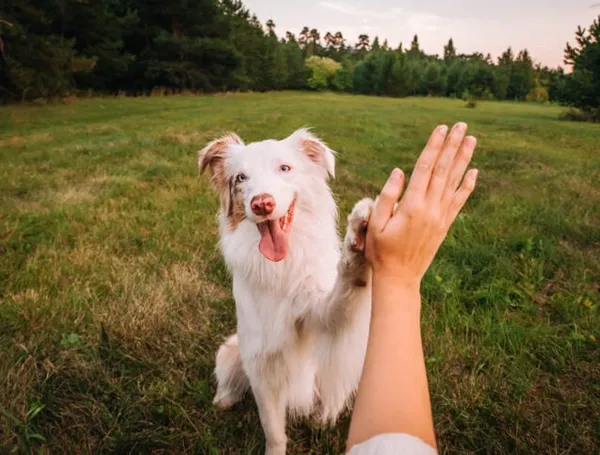
In Colombia, the domestic animal is rarely viewed as an accessory or an external resident of the home. Instead, they are deeply embedded in the social fabric of the household. This cultural phenomenon is characterized by a "low-barrier" approach to cohabitation, where the physical boundaries of the home are, for all practical purposes, shared equally between humans and animals.

The Philosophy of Inclusion
In the Colombian context, the home is a sanctuary that extends to the pet. It is common to see dogs and cats occupying central spaces—sofas, beds, and dining areas—without hesitation. This is not merely a lack of discipline, but a reflection of a society that views the pet as an emotional anchor. For many Colombian families, particularly in urban centers like Bogotá, Medellín, and Cali, the pet serves as a vital component of the domestic ecosystem, providing companionship that compensates for the stressors of modern city life.

Key Characteristics of Colombian Pet Ownership
- Fluid Mobility: Unlike in more restrictive environments, pets in Colombia typically enjoy full access to all rooms. Patios, bedrooms, and living areas are open for exploration.
- Family Integration: Pets are participants in daily routines. Whether it is a weekend trip to a park or a walk to a neighborhood café, the animal is treated as an extension of the family unit.
- Affectionate Socialization: The interaction style is highly tactile. From physical play to constant companionship, the bond is built on frequent, direct contact.
- Urban Adaptation: Despite living in varied housing types, from sprawling suburban homes to compact apartments, the cultural norm dictates that the animal’s comfort is prioritized, often resulting in "pet-friendly" modifications to human furniture and living spaces.
The Japanese Model: Precision, Space, and Order
On the other side of the Pacific, the Japanese approach to pet ownership offers a stark contrast. Shaped by a unique combination of extreme urbanization, limited square footage, and a cultural emphasis on public harmony and order, the experience of keeping a pet in Japan is a study in precision.
The Architecture of Coexistence
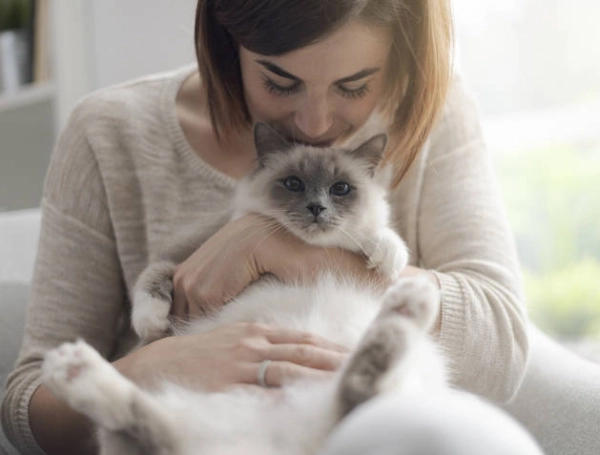
In Japan, the urban landscape—often dominated by high-density, compact apartment living—dictates the possibilities of pet ownership. The concept of "freedom" for a pet is tempered by the necessity of maintaining a functioning, organized living space. As a result, the pet is often assigned specific zones within the home, a practice that reflects a broader societal respect for boundaries.

The Dynamics of Japanese Pet Care
- The Urban Constraint: The high cost of living and the scarcity of space in cities like Tokyo and Osaka have led to a preference for smaller breeds. Toy dogs and indoor cats are the standard, as they are better suited to the dimensions of modern Japanese housing.
- Design-Led Living: Because space is a luxury, the Japanese pet market is a global leader in innovative, space-saving design. Custom-built furniture that doubles as pet housing, vertical climbing structures for cats, and high-tech transport systems are commonplace.
- Structured Routines: Due to long and demanding work hours, the daily life of a Japanese pet is highly regulated. Exercise and interaction are often compressed into specific, high-quality windows of time, emphasizing consistency over the "free-roaming" model seen in Latin America.
- Public Harmony: The Japanese cultural mandate to avoid causing inconvenience to others (meiwaku) extends to pets. In communal living buildings, noise control and strict hygiene protocols are not just suggestions; they are often contractual obligations.
Supporting Data: Comparing the Two Worlds
To understand why these differences exist, one must look at the macro-environmental data.
| Metric | Colombia | Japan |
|---|---|---|
| Typical Housing | Mixed (Houses/Apartments) | High-Density Apartments |
| Average Space | High flexibility; large floor plans common | Low; high demand for modular design |
| Public Interaction | Highly social; communal parks | Controlled; leash and etiquette focused |
| Primary Pet Type | Varied (Large to small) | Small breeds (Toy dogs, cats) |
In Colombia, urban development has historically allowed for a degree of sprawl, permitting larger dogs to thrive. Conversely, Japan’s post-war urban planning focused on vertical density, which effectively restricted the physical size of common domestic pets.

Official Responses and Regulatory Trends
Colombia: The Push for Rights and Inclusion
In recent years, Colombia has seen a surge in legislation aimed at protecting animal welfare, reflecting their status as sentient beings rather than property. Initiatives like "Ruta Sabuesos" in Bogotá, which promotes pet-friendly activities in public spaces, indicate a government-led effort to integrate pets into the civic life of the city. Legal rulings, such as those by the Constitutional Court regarding pet rights in horizontal property (condominiums), have increasingly favored the owner’s right to keep pets, often overriding restrictive bylaws of homeowners’ associations.

Japan: The Technology of Care
In Japan, the regulatory response has focused on the management of pets within dense living environments. Zoning laws and building codes are strict, ensuring that pet ownership does not infringe upon the quiet enjoyment of neighbors. Furthermore, the Japanese government and private sector have collaborated on "pet-tech," utilizing smart devices to monitor pets while owners are at work, ensuring the animal’s well-being despite the owner’s long absences.

Implications: A Global Evolution
The divergence between these two models highlights a fundamental question: How do we define a "good life" for a pet?

The Colombian Implication: Emotional Fulfillment
The Colombian model risks challenges related to sanitation, noise, and potential behavioral issues in high-density areas, yet it offers a high degree of emotional and physical freedom for the animal. The "familial" approach creates a deep psychological bond that acts as a buffer against social isolation for the human owners.

The Japanese Implication: Efficiency and Respect
The Japanese model, while seemingly restrictive to Western observers, ensures a high standard of living through organization and technology. By prioritizing the structural integrity of the home and the peace of the community, Japanese owners demonstrate a different, yet equally profound, form of care—one based on ensuring the animal is safe, healthy, and integrated into a life of stability.

Chronology of Cultural Shifts
- 1990s: Both nations begin to see a shift in pet ownership. In Colombia, the pet transitions from a "guard dog" or "working animal" to an indoor companion. In Japan, the "pet boom" begins as the economy stabilizes and households look for companionship in smaller living units.
- 2010-2020: Colombia codifies animal protection laws, elevating the legal status of pets. Japan sees a massive surge in the popularity of specialized pet services, including pet hotels, luxury grooming, and, eventually, pet-focused medical insurance.
- 2026 (Current): The divide remains, but both cultures are learning from one another. Colombia is beginning to implement stricter behavioral standards in urban areas, while Japan is exploring ways to increase pet access to public spaces to combat the growing loneliness epidemic.
Conclusion
The difference between pet ownership in Colombia and Japan is a mirror held up to their respective societies. Colombia’s approach is expressive, expansive, and rooted in the warmth of the family unit. Japan’s approach is refined, considerate, and rooted in the harmony of the urban collective. Both systems, despite their vast differences, arrive at the same destination: the desire to share our lives with other species. Whether through the chaos of a house full of pets or the silent precision of a well-managed apartment, the human-pet bond remains one of the most enduring features of modern life, adaptable to any climate, culture, or architectural constraint.