By Justice Editorial Staff
Updated July 16, 2026
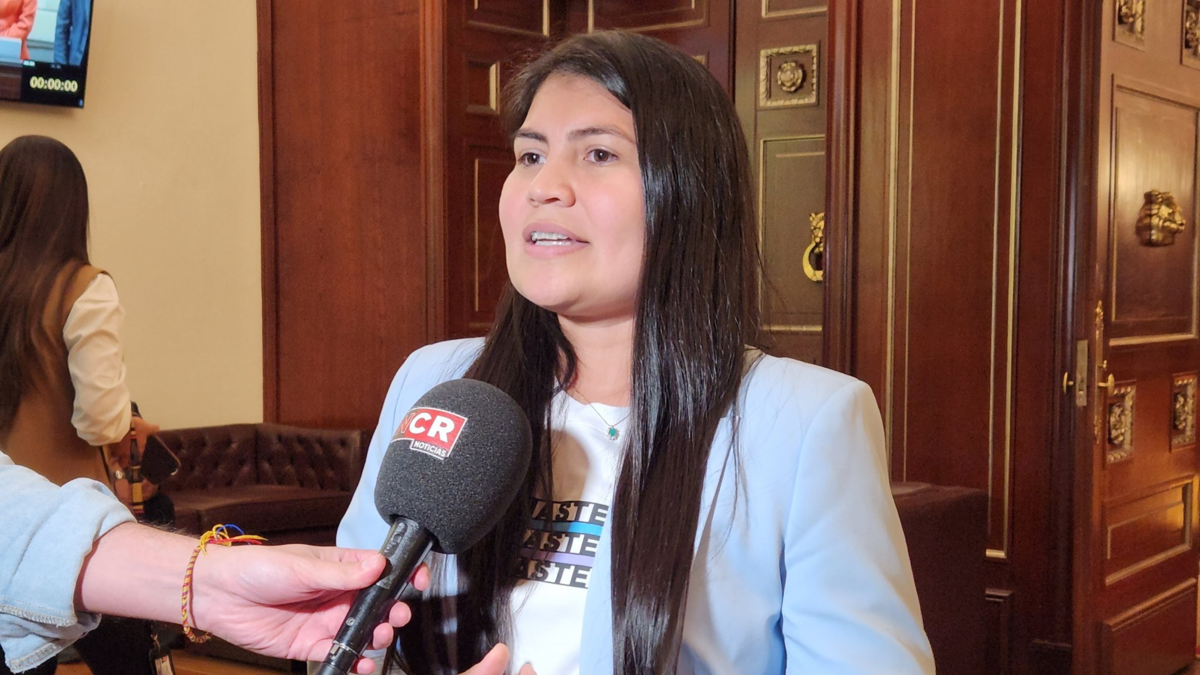
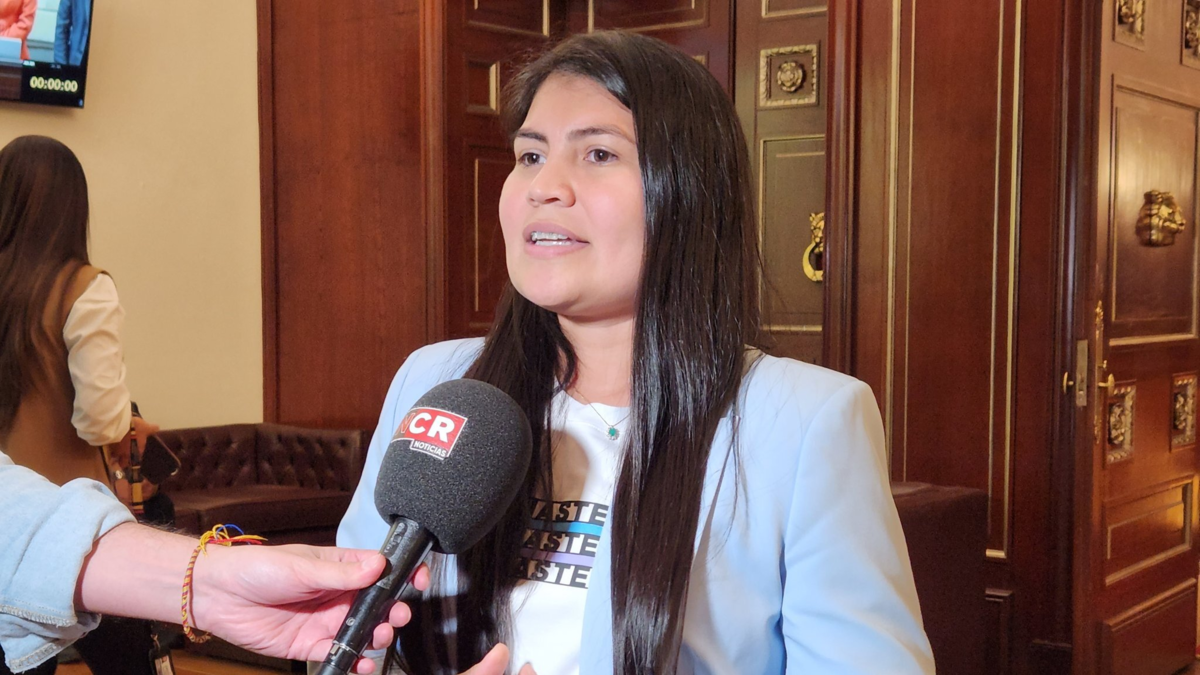
In a definitive ruling that underscores the tension between individual political rights and the mandates of the criminal justice system, the Supreme Court of Justice’s First Instance Chamber has denied a request from Representative Karen Manrique to be granted temporary leave from prison. The congresswoman, who represents the Peace Curula for the Arauca constituency, sought to exit her place of detention—a military garrison in Malambo, Atlántico—to attend the formal inauguration ceremony of the new Congress on July 20.
The Court’s decision, which echoes the stringent nature of the preventive detention measure currently imposed upon her, clarifies that the status of a representative-elect does not supersede the legal requirements of an ongoing criminal investigation.
The Core of the Judicial Denial: Public Interest vs. Individual Rights
The petition filed by Manrique’s legal team argued that her incarceration, while a significant restriction, should not preclude her from exercising the mandate granted by her voters. Her defense maintained that, despite the serious allegations leveled against her, she retains the presumption of innocence. Consequently, they argued that her political rights remained "intact" and that a temporary, custody-guarded transfer to the Capitol would allow her to fulfill her constitutional duties without undermining the objectives of her detention.
However, the First Instance Chamber of the Supreme Court rejected this interpretation. In its formal response, the Court emphasized that the measure of preventive detention is not merely a punishment, but a cautelary action designed to protect the integrity of the judicial process, public confidence in the legislature, and the safety of the community.
The Court’s ruling stated: "The preventive detention measure imposed by the Special Instruction Chamber is rooted in the necessity to mitigate risks inherent to the gravity of the alleged crimes. Granting a departure, even under strict security protocols, would fundamentally compromise the constitutional purpose for which the detention was ordered."

Chronology of the Case: From Political Triumph to Judicial Crisis
To understand the current impasse, one must examine the timeline of events that led to Manrique’s current legal situation:
- 2022-2023: Karen Manrique secures her position as a representative for the Peace Curula for Arauca, a specialized seat created under the 2016 Peace Agreement to ensure representation for conflict-affected regions.
- Early 2024: Investigative scrutiny intensifies regarding the management of resources within the National Unit for Disaster Risk Management (UNGRD).
- Mid-2024: The Supreme Court’s Special Instruction Chamber formally accuses Manrique of participating in a scheme involving the receipt of bribes (dádivas) in exchange for favorable votes on public credit projects. Allegations suggest these projects were used as a conduit for irregular funding to her department.
- June 10, 2025: Following the court-ordered detention, the Chamber of Representatives issues a formal resolution suspending Manrique’s status as a congresswoman, acknowledging her inability to exercise her functions while in custody.
- July 2026: Manrique files a motion for a temporary release to attend the inauguration of the legislative term.
- July 16, 2026: The Supreme Court definitively denies the request, solidifying the judicial boundary between her status as a politician and her status as a detainee.
The Allegations: Corruption and the "Peace Curulas"
The investigation into Representative Manrique is part of a broader, systemic probe into the alleged misuse of funds meant for disaster risk management. The Prosecution’s theory of the case posits that Manrique leveraged her position within the Interparliamentary Commission of Public Credit to trade political influence for infrastructure project funding.
These allegations carry heavy weight because of the nature of the "Peace Curulas." Designed to give voice to populations most impacted by the armed conflict, these seats were intended to be a beacon of democratic integrity. The suggestion that these seats were utilized for personal gain or political patronage has sparked national outrage, leading the Court to emphasize the need to protect the "integrity of the public function."
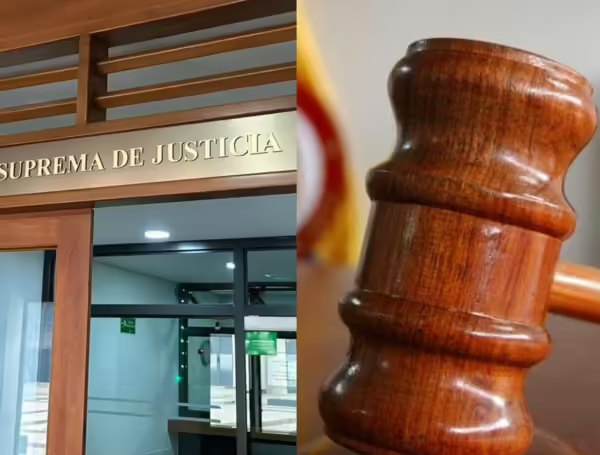
Legal Analysis: Why the Permit Was Denied
The Court’s decision was grounded in the strict interpretation of the Colombian Penal Code and the Prison Code. Under existing legislation, persons deprived of their liberty are permitted to exit detention facilities only for highly specific, limited purposes:
- Judicial Compliance: To appear before a judge or prosecutor for mandatory proceedings.
- Medical Necessity: To receive specialized care that cannot be provided within the detention center.
- Humanitarian Emergencies: To attend the funeral or visit a critically ill immediate family member.
The Court clarified that the inauguration of a congressperson does not fall under these categories. While the defense attempted to argue for a "flexibilization" of these rules based on the protection of fundamental political rights, the Court held that such flexibility is reserved for cases where no other remedy exists. In this instance, the judicial restraint placed on Manrique is directly linked to the very functions she intended to exercise in Congress. Therefore, granting the request would have created a logical and legal contradiction.
Implications for the Legislative Body
The exclusion of Manrique from the July 20th inauguration session poses significant questions for the House of Representatives.
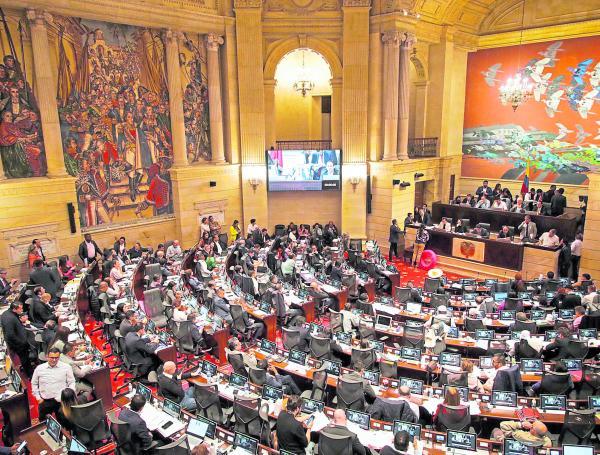
The Question of Representation
For the people of Arauca, the situation creates a vacuum in representation. While the legal process allows for replacements in certain scenarios, the political weight of a "Peace Curula" being held by an official under criminal investigation remains a point of contention. The suspension of her status, enacted in June 2025, serves as a mechanism to ensure that the legislative body functions without the shadow of an active criminal proceeding hanging over its votes.
Precedent for Future Cases
Legal experts suggest this ruling sets a rigid precedent. It clarifies that high-ranking public office does not grant immunity from the consequences of pre-trial detention. The judiciary has signaled that it will not prioritize the symbolic acts of a congressperson over the substantive, precautionary measures required to maintain the rule of law.
The Road Ahead: The Path to Trial
With the request for a prison leave denied, the legal battle for Karen Manrique shifts back to the merits of the case. Her defense team must now focus on the trial phase, where they will attempt to refute the accusations brought by the Special Instruction Chamber.

The Prosecution, meanwhile, continues to build its case, bolstered by the documentation surrounding the UNGRD projects. As the trial proceeds, the court will continue to weigh the weight of the evidence against the constitutional protections afforded to the accused.
For the public, this case serves as a litmus test for the independence of the Colombian judiciary. The message from the Supreme Court is clear: the law is applied equally, and the halls of Congress are not a sanctuary from judicial accountability.
Final Summary of Status
As of the date of this report, Representative Karen Manrique remains under strict preventive detention in the military garrison of Malambo. The Court’s decision to deny her request for a temporary leave is a firm adherence to the principles of criminal procedure. Her future as a politician remains suspended, pending the outcome of the judicial proceedings that will ultimately determine her innocence or guilt.

The national conversation now turns to how the House of Representatives will proceed regarding her seat and whether the legislative branch will undergo further reforms to prevent similar scenarios involving the misuse of public funds by elected officials.
For further updates on this developing story, stay tuned to our justice desk and follow our digital newsletter for the latest filings and court developments.