DIGITAL REACH DESK
October 26, 2026
Main Facts
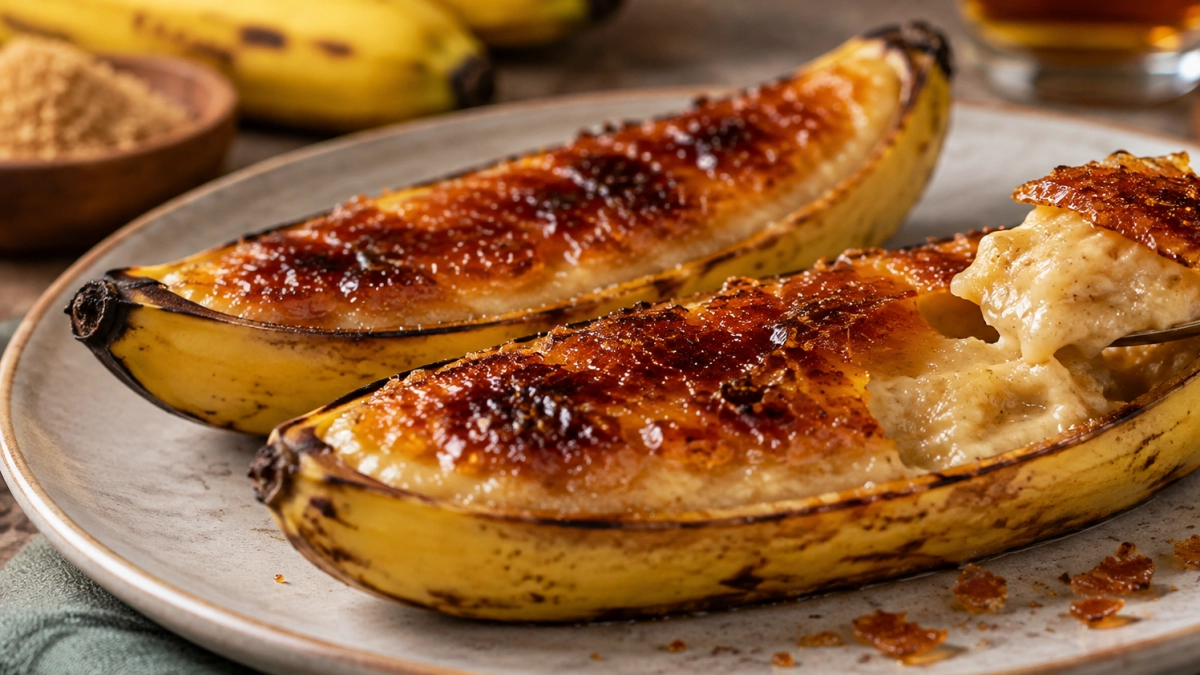
In the ever-evolving world of modern gastronomy, traditional desserts are constantly being reimagined through unexpected ingredients and creative presentation techniques. Renowned chef JoséRa Castillo has captured the attention of food enthusiasts worldwide by introducing an inventive twist on a classic French favorite: the Banana Brûlée (or plátanos brûlée).
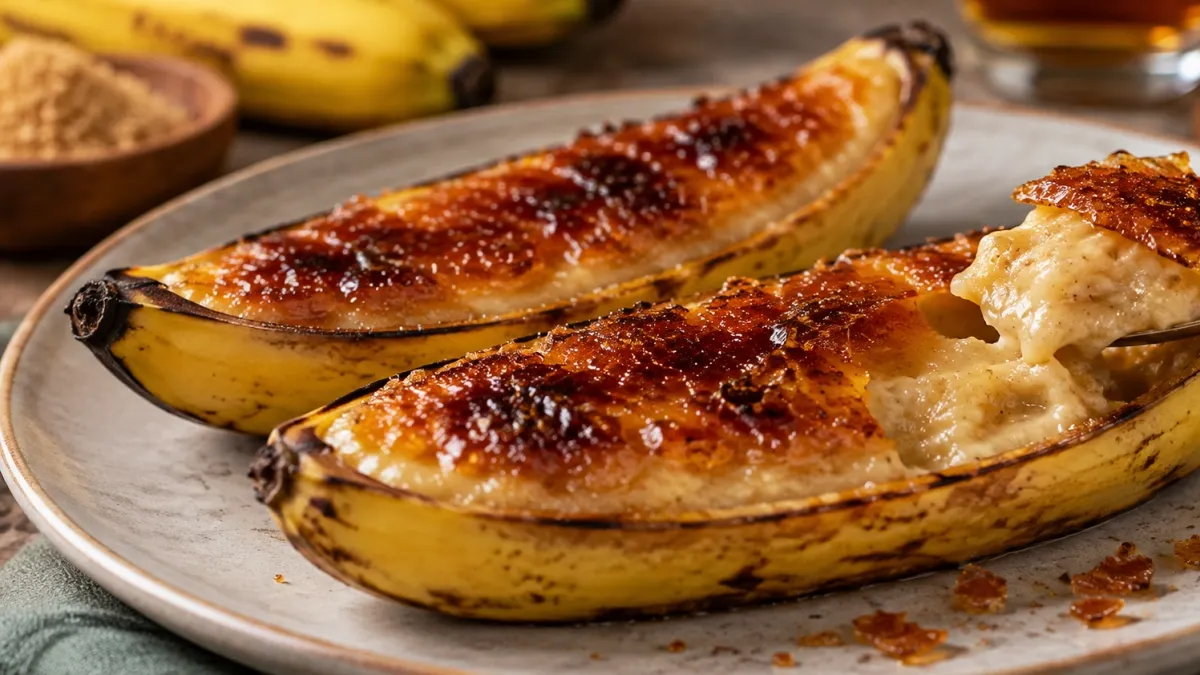
Rather than relying on traditional ramekins, custard bases, or conventional fruit tarts, Castillo utilizes the natural vessel of the banana itself. By delicately extracting a portion of the fruit’s pulp, cooking it down into a rich, velvety mixture with milk, cornstarch, vanilla, and muscovado sugar, and then flambéing it with a splash of rum, the chef creates an upscale, tropical dessert that is as visually stunning as it is flavorful.
The preparation culminates in a signature feature of any true brûlée: a crisp, amber-hued layer of caramelized sugar broken dramatically with a spoon to reveal a luscious, creamy filling hidden beneath. Shared via his official YouTube channel, the recipe has quickly gained traction across digital platforms, blending home-cooking accessibility with professional culinary flair.

Chronology
The journey of this unique dessert from a professional kitchen concept to a viral digital recipe followed a structured, meticulous timeline:
-
Initial Conception and Testing: Chef JoséRa Castillo sought a way to elevate the humble banana into a gourmet experience
without requiring complex pastry equipment. By studying the structural integrity of banana peels, he discovered they could withstand moderate heat and serve as natural, eco-friendly serving bowls.
- Video Production and Release: Through his dedicated cooking channel on YouTube, Castillo published a step-by-step masterclass demonstrating the extraction, flambe, and assembly processes.
- Digital Virality: Shortly after release, culinary blogs, social media food accounts, and digital news desks began picking up the recipe, praising its clever use of everyday ingredients—such as muscovado sugar, milk, and rum—paired with high-end presentation techniques.
- Public Reception and Refinement: Home cooks began replicating the recipe, noting the crucial balance required during the flambe process and the exact consistency needed for the cornstarch-thickened banana paste.
Supporting Data and Recipe Breakdown
To successfully replicate Chef JoséRa Castillo’s signature dessert at home, attention to detail and precise measurements are essential. Below is the breakdown of the components and the step-by-step methodology highlighted in the masterclass.
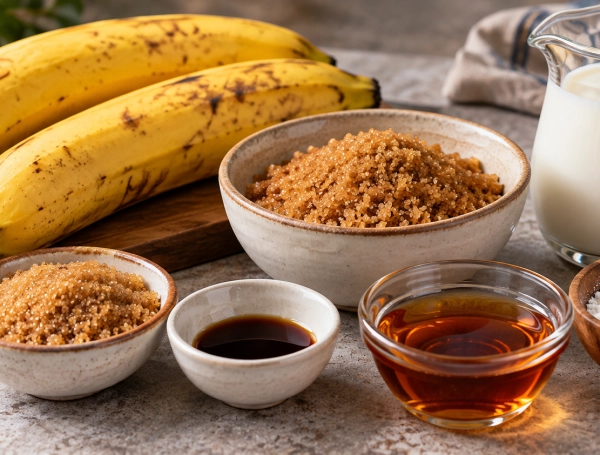
Core Ingredients Needed:
- Fresh Bananas: Firm, ripe bananas that can maintain their structural shape when cut and hollowed.
- Muscovado Sugar: Utilized in two distinct stages—first to flavor and cook down the banana pulp, and second to form the hard, glass-like caramelized crust on top.
- Extract of Vanilla: To infuse the base with a deep, aromatic warmth.
- Milk & Cornstarch (Fécula de Maíz): Whisked together to create a binding slurry that thickens the fruit purée into a rich, custard-like consistency.
- Rum: Used strategically during the cooking process to execute a dramatic and flavorful flambe.
Step-by-Step Preparation Guide:
- Hollowing the Fruit: Begin by cutting longitudinally to remove approximately one-fourth of each banana. Carefully scoop out the interior pulp while keeping the outer peel intact. Set the hollowed peels aside; they will serve as your natural serving dishes.
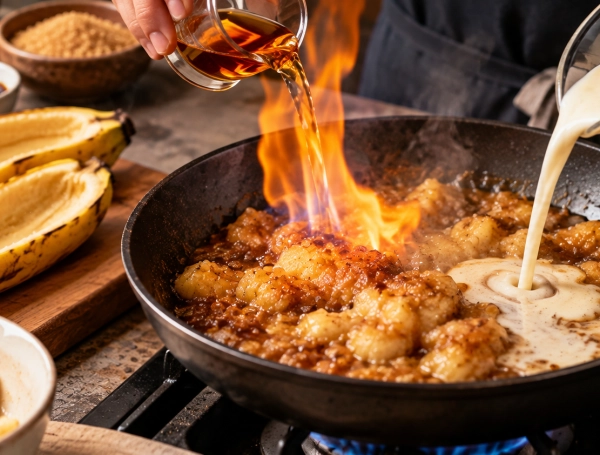
- Sautéing and Flambéing: Transfer the extracted banana pulp to a hot skillet. Toss it with the initial portion of muscovado sugar and the vanilla extract. Once the components begin to meld and caramelize slightly, pour in the rum to execute a careful flambe, burning off the harsh alcohol while locking in a rich, complex aroma.
- Creating the Custard Base: In a separate mixing bowl, whisk the milk and cornstarch together until completely smooth with no lumps. Pour this liquid mixture directly into the skillet containing the warm banana pulp.
- Thickening and Resting: Cook the mixture over medium heat while continuously mashing and stirring the fruit until it transforms into a thick, uniform paste. Once the desired creamy consistency is achieved, remove the skillet from the heat and allow the mixture to cool down entirely to room temperature.
- Assembly: Spoon the cooled, thick banana custard back into the reserved banana peels. Carefully smooth out the top surface of the filling to ensure an even, flat layer ready for its final topping.
- The Brûlée Finish: Evenly distribute the remaining muscovado sugar across the surface of the filling. Torch the sugar until it melts and solidifies into a hard, glossy, caramelized crust, establishing the ultimate textural contrast between the crunchy top and the creamy interior.
Official Responses and Culinary Insights
While whimsical in presentation, professional chefs emphasize that working with open flames and sugar requires strict adherence to safety protocols.
In his video tutorial, Chef Castillo specifically addressed the technique behind the flambe, issuing important warnings to amateur home cooks. Because the recipe calls for high-proof spirits like rum near an active heat source, safety is paramount. Castillo strongly advised viewers to keep flammable materials completely away from the cooking station and explicitly cautioned never to pour rum directly from the bottle into a hot skillet, as this can cause dangerous flare-ups and backflashes toward the container.
Furthermore, culinary critics have praised the recipe for its zero-waste philosophy. By utilizing the banana’s own peel as biodegradable serveware, the dish minimizes kitchen cleanup while maximizing aesthetic novelty—a hallmark of modern sustainable gastronomy.
Implications
The widespread popularity of recipes like JoséRa Castillo’s Banana Brûlée carries several notable implications for the culinary landscape and digital media:
- Democratization of Gourmet Cooking: By taking high-end restaurant techniques—such as torching sugar crusts and executing flambes—and applying them to inexpensive, everyday ingredients like bananas, professional chefs bridge the gap between fine dining and home cooking.
- The Rise of Interactive Food Media: Video-first platforms continue to dictate food trends. The visual satisfaction of breaking a hard caramel shell with a spoon translates perfectly into short-form and long-form video content, driving engagement and inspiring home experimentation.
- Sustainable and Creative Presentation: The use of organic waste reduction—turning fruit peels into serving vessels—highlights a growing consumer demand for creative, environmentally conscious culinary arts that do not sacrifice luxury or flavor.
As home cooks continue to experiment with these accessible yet sophisticated techniques, desserts like the Banana Brûlée prove that innovation in the kitchen does not require expensive ingredients, but rather imagination, precision, and a touch of culinary flair.