By Editorial Desk | November 25, 2026
The tranquil atmosphere of Villavicencio, the gateway to the Colombian plains, was shattered on the evening of Monday, November 24, 2026. A brazen and barbaric terrorist attack targeted the seat of regional power, the Government Palace of Meta, leaving a trail of destruction that has sent shockwaves throughout the nation. As the smoke clears and investigators sift through the debris, the incident has reignited a fierce national debate regarding the efficacy of the state’s intelligence apparatus and the fragile security architecture currently governing the country’s regional capitals.
The Main Facts: A City Under Siege
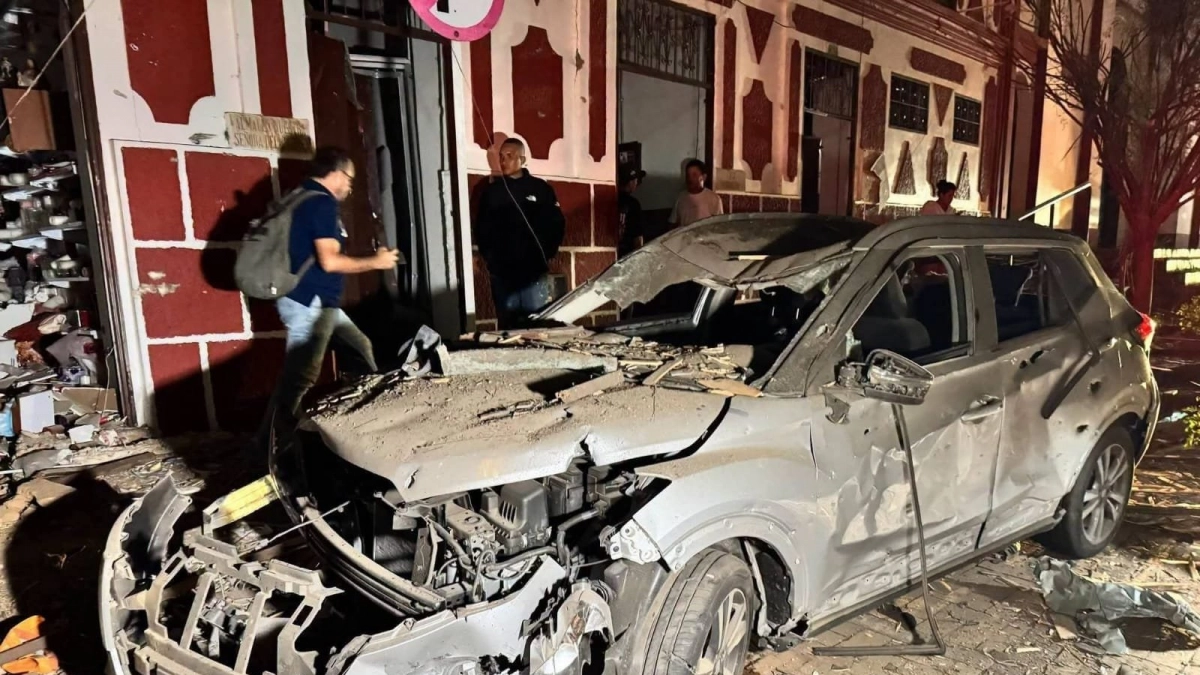
The attack, which occurred during the early evening hours, resulted in a staggering human and structural toll. Preliminary reports indicate that at least 23 individuals sustained injuries—ranging from minor lacerations to severe trauma—including at least one minor who remains under medical supervision. The physical damage is equally profound; more than 85 properties in the vicinity of the Governor’s office were affected by the blast, with shattered glass, structural fractures, and destroyed storefronts serving as a grim testament to the violence.
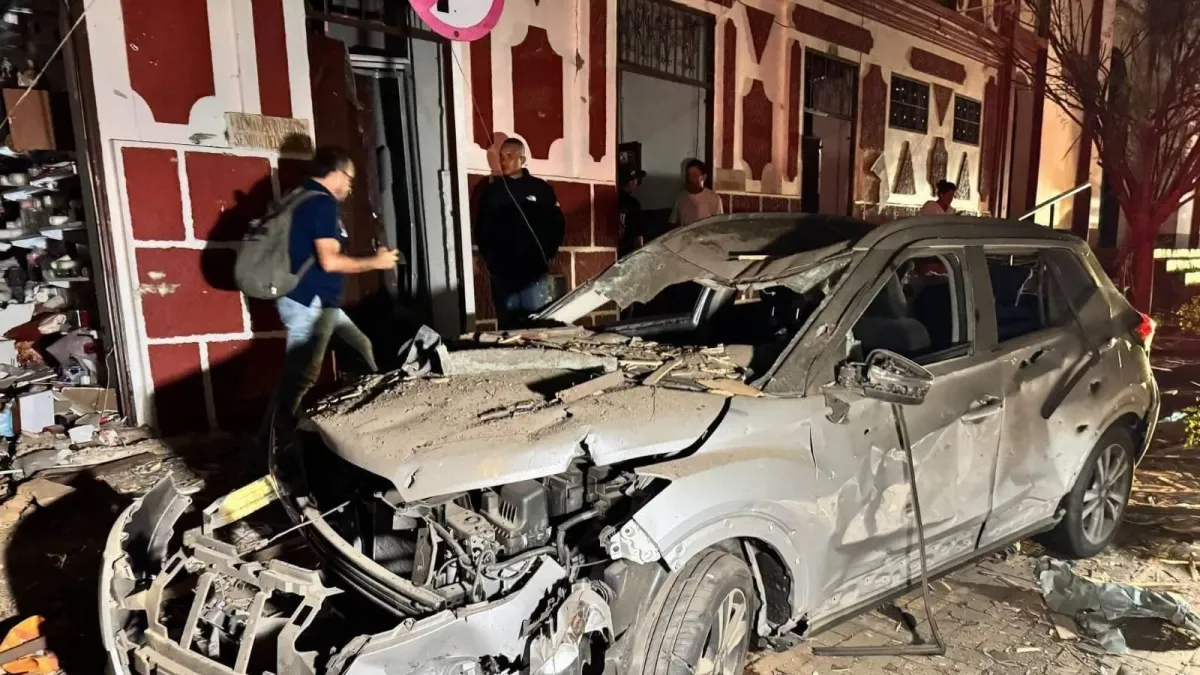
The detonation, characterized by its indiscriminate nature, has been attributed by President of the Republic to the criminal structures known as the "dissidents" of the former FARC, specifically the faction led by alias "Iván Mordisco." Authorities have pointed toward the criminal operative known as alias "Antonio Medina" as the primary architect of this act of terror. This event is not merely an isolated criminal occurrence; it is a direct assault on the institutional integrity of the Colombian state.
Chronology of the Terror
The events unfolded rapidly, catching the local population off guard during the typical Monday evening commute.
- 19:09 (Local Time): The initial explosion rocked the downtown sector of Villavicencio, centered near the perimeter of the Meta Government building. Immediate reports of chaos flooded social media as emergency services were dispatched.
- 19:30 – 21:00: First responders and the local police established a security cordon. The primary focus shifted to the evacuation of the injured and the securing of the site against secondary devices.
- 21:00 – 23:00: The scale of the destruction became apparent. Hospitals in the capital were placed on high alert as the count of the wounded climbed.
- 23:05 (Update): Official sources updated the casualty figures, confirming the extent of the structural damage and officially categorizing the event as an act of terrorism.
Supporting Data: The Anatomy of a Vulnerable Region
The attack in Villavicencio serves as a "canary in the coal mine" for national security. The Meta department has long been a strategic chessboard for illegal armed groups vying for control over illicit economies. The data suggests a disturbing trend:

- Urban Infiltration: While these groups have historically operated in rural corridors, the shift to urban centers like Villavicencio indicates a tactical evolution. The ability to coordinate a high-impact explosion in a heavily guarded administrative zone suggests a level of logistical sophistication that intelligence agencies had previously underestimated.
- Collateral Impact: The damage to 85+ properties represents a significant economic blow to local small-business owners and private residents who have no involvement in the conflict, further eroding public confidence in the state’s ability to guarantee basic safety.
- Historical Context: This incident recalls the darkest chapters of the late 20th century, a time when urban terrorism was a frequent, agonizing reality. For a generation of Colombians, the visual language of the scene—shattered glass, fleeing civilians, and the scent of explosives—evokes a collective trauma that many believed was confined to the history books.
Official Responses and Political Repercussions
The national government’s response has been one of condemnation, yet there is a growing consensus that words alone are insufficient. The President has reiterated the administration’s commitment to "combating the terrorist threat" with the full weight of the law.
However, political analysts and security experts argue that the government must move beyond reactive rhetoric. The consensus among lawmakers and opposition leaders alike is that the "reconstruction of the state’s intelligence apparatus" is the most urgent priority. For years, the decentralization and weakening of intelligence-sharing between agencies have created "blind spots" that criminal organizations are now expertly exploiting.
The Governor of Meta has called for an extraordinary security council, demanding increased military presence and a long-term strategy that addresses the structural causes of violence in the plains, rather than merely treating the symptoms of the conflict.

Implications: A Necessary Strategic Pivot
The tragedy in Villavicencio forces the state to confront three uncomfortable truths:
1. The Intelligence Gap
The state’s inability to preempt this attack highlights a critical failure in human and electronic intelligence. To reclaim the initiative, the Fuerza Pública must be empowered with better technology, deeper community-based intelligence networks, and a more aggressive posture toward preventing "consummated" acts. The goal is to move from a post-facto investigative model to an anticipatory one.
2. The Power of Public Collaboration
The state cannot secure the nation alone. The "social contract" requires a feedback loop of trust. Historically, the most successful counter-terrorism efforts in Colombia relied on a robust relationship between the citizenry and the state. If the government fails to guarantee the anonymity and safety of those who report suspicious activities, the intelligence apparatus will continue to wither. Building this bridge of trust is the only way to effectively isolate these criminal groups from the urban fabric.

3. National Unity vs. Polarized Rhetoric
Perhaps the most significant implication is the call for national unity. The editorial sentiment is clear: the scenes of destruction in Villavicencio are a "nightmare" that should not be allowed to define the future of the nation. Despite deep-seated political divisions that currently fracture the Colombian public, the rejection of terrorism must be the bedrock of the national consensus.
Moving Forward: Beyond the Rubble
The path ahead is fraught with difficulty. The criminal organizations, particularly the splinter groups of the former FARC, are testing the state’s resolve. By attacking the symbols of governance, they aim to create a psychological environment of fear, hoping to force the state into concessions or a cycle of erratic, uncoordinated violence.
The government must resist this trap. The response must be two-pronged: a clinical, intelligence-led offensive against the leaders of these groups, combined with a social and economic investment strategy that ensures the local population feels protected and heard.

As the citizens of Villavicencio begin the process of cleaning up their streets and rebuilding their homes, the rest of the country looks on with a mixture of empathy and anxiety. This incident is a stark reminder that the peace process and the transition to a more stable state are not linear paths. They are, as evidenced by the events of November 24, fragile processes that require constant vigilance, institutional strength, and, above all, the unwavering rejection of terror by every segment of society.
The "shadows of the past" that the editorial mentioned are indeed looming. However, the future of the region—and the nation—depends on the state’s ability to turn this catastrophe into a catalyst for institutional reform. The people of Villavicencio deserve justice, the victims deserve support, and the country deserves a security policy that is as sophisticated and resilient as the threats it faces.
In the coming weeks, all eyes will be on the Ministry of Defense and the Presidential Palace to see if this "campanazo de alerta" (wake-up call) is finally heard. The security of the nation is not a matter of political negotiation; it is the fundamental duty of the state, and the events in Meta have proven that there is no time left to waste.