By: Editorial Staff
October 29, 2026
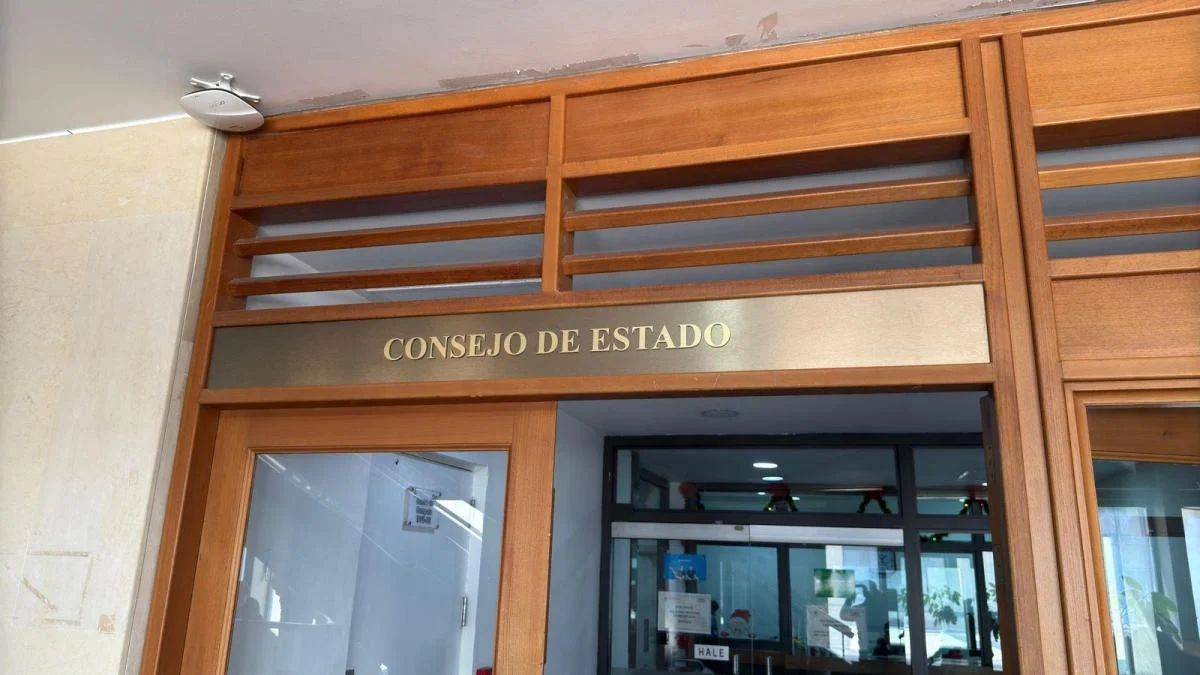
The halls of the Supreme Court of Justice in Bogotá became the epicenter of a high-stakes legal confrontation this Thursday, as the investigation into allegations of a systemic "pay-to-play" scheme involving former President Gustavo Petro and former Senator María José Pizarro reached a critical juncture. The case, which has captivated public opinion and paralyzed sectors of the political establishment, centers on grave accusations leveled by Deicy Jiménez, who claims that state contracts were awarded in exchange for sexual favors.

Following a marathon session in the Court’s Instruction Chamber, legal representatives for both sides emerged, offering starkly contrasting narratives. While the accuser’s defense team promises "damning evidence" hidden in digital devices, the defense for the former president asserts that the entire case is a fabricated political maneuver designed to destabilize his legacy.
The Core Allegations: A Network of Corruption?
The scandal broke when Deicy Jiménez stepped forward to report a series of incidents allegedly occurring during the previous administration. According to her testimony, a "criminal network" operated within the corridors of power, facilitating the distribution of public contracts not based on merit or administrative necessity, but as currency for sexual gratification.

Jiménez alleges that the scheme involved a web of individuals—including high-ranking officials—who organized events characterized by drug use and sexual exploitation to secure loyalty and ensure the silence of those involved. The gravity of these accusations has prompted the Supreme Court to initiate a formal inquiry, seeking to verify whether such a structure existed and, if so, the extent of the involvement of high-level political figures.
Chronology of the Legal Proceedings
The trajectory of this case has been rapid and volatile. To understand the current climate, one must look at the timeline of recent events:

- Initial Filings: The legal complaints were formally filed following a series of reports questioning the legitimacy of certain government contracts issued during the last administration.
- The "Unauthorized Certification" Incident: Public scrutiny intensified when reports surfaced that a contract granted to Jiménez was backed by documentation deemed "unauthorized" by internal auditors, leading to the immediate dismissal of the official responsible for the certification.
- The Supreme Court Intervention: Faced with mounting evidence and public pressure, the Supreme Court of Justice opened an formal investigative process, calling for testimonies from all parties involved.
- October 29, 2026 – The Testimony: Deicy Jiménez appeared before the Court’s Instruction Chamber. The session was marked by high tension, as she answered questions from the magistrate, the Public Prosecutor (Procurador), and the defense attorneys for the accused.
Defense Strategies: Two Worlds Collide
The legal battle outside the courtroom was as fierce as the proceedings inside.
The Stance of the Accuser’s Defense
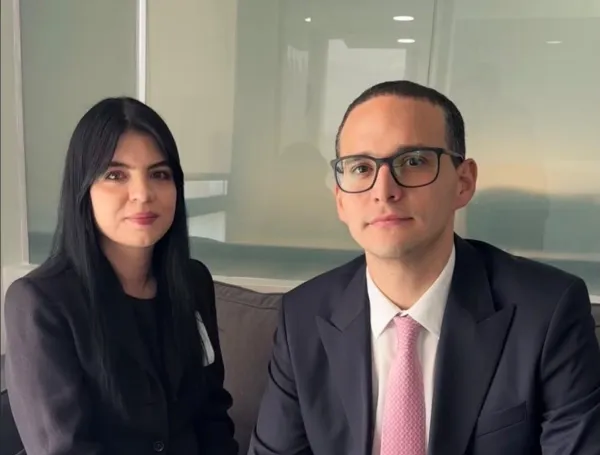
Felipe Caballero, acting as legal counsel for Deicy Jiménez, painted a picture of a witness who, despite significant physical and emotional distress, remained steadfast in her commitment to the truth. Caballero emphasized that his client had provided detailed testimony regarding the "criminal network" and its modus operandi.
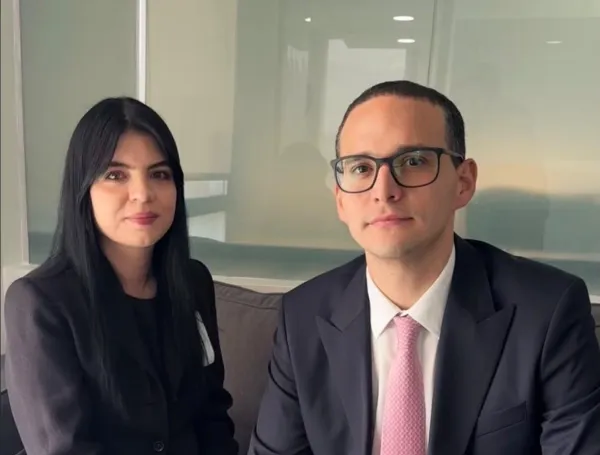
"She has spoken about the existence of a structured criminal enterprise," Caballero stated to the press. "This involved not just contracts, but a pervasive culture of sexual exploitation, fiestas, and narcotics. We have the evidence to prove this."
Crucially, Caballero announced that the defense is prepared to turn over a digital communications device to the Court. While the handover was delayed due to safety concerns for his client, the attorney confirmed that a secure date for the transfer is being finalized. He further claimed that his client has been the subject of intense pressure, alleging that certain media figures have been targeting her family to coerce her into silence.
The Stance of the Former President’s Defense
Conversely, Alejandro Carranza, the attorney representing former President Gustavo Petro and former Senator María José Pizarro, maintained a posture of categorical denial. Carranza’s strategy is built on the premise that the accusations are a "malicious montage" intended to cause reputational damage.
"We will defend the absolute innocence of the former president," Carranza declared. "There were no such contracts, and we possess the documentary evidence to refute every single one of these claims."
Carranza noted that the former president has proactively requested the Commission of Accusations of the House of Representatives to launch a formal investigation into his entire term. "We want a full inquiry. We want the witness to be cross-examined, and we want the truth of these events to be laid bare before the public," he added. Furthermore, Carranza revealed that he has filed a counter-complaint against the director of the Administrative Department of the Presidency (Dapre) regarding separate irregularities, signaling an aggressive counter-offensive.
Supporting Data and Institutional Implications
The scandal has broader implications for the Colombian state. The involvement of the Supreme Court indicates that the allegations are being treated with the highest level of gravity.
The Question of Contracts
The investigation into the contract in question is particularly damaging, as it provides a tangible anchor for the allegations. According to investigative reports, the contract was issued under suspicious circumstances, with internal signatures missing or forged. If the Court finds that these contracts were indeed part of a quid-pro-quo system, it would confirm a massive failure in the public procurement process and internal oversight mechanisms.
Impact on Political Stability
The accusation touches upon the inner circle of the former administration. If the allegations are substantiated, the political fallout could be catastrophic for the movement led by the former president. The use of "sexual favors" as a commodity for state power is a charge that carries significant moral and legal weight, likely to alienate political allies and erode the remaining base of support.
The Road Ahead: What to Expect
The Court has ordered all parties to refrain from leaking details of the closed-door proceedings, a move intended to maintain the integrity of the investigation. However, the public nature of the lawyers’ statements suggests that the battle for the narrative is as important as the battle in the courtroom.
Upcoming Milestones:
- Digital Evidence Review: The submission of the communications device will be a turning point. If the device contains corroborating evidence, it could lead to further indictments.
- Expanded Testimony: The Court is expected to call additional witnesses who have been named throughout the inquiry.
- Commission of Accusations Proceedings: As the former president is subject to a specific jurisdiction, the proceedings in the House of Representatives will run parallel to the Supreme Court’s work, creating a dual-track legal pressure cooker.
As the case unfolds, the Colombian public remains deeply divided. To supporters of the former president, this is a "lawfare" tactic orchestrated by enemies of his social agenda. To his detractors, this represents the ultimate proof of institutional rot.

Regardless of one’s political affiliation, the outcome of this case will set a precedent for how the Colombian justice system handles allegations of corruption and sexual exploitation at the highest levels of government. The evidence presented in the coming weeks will either validate a harrowing story of state-sponsored abuse or expose a massive campaign of character assassination. For now, the Court remains the final arbiter, and the nation waits for the next move in a legal drama that is far from over.
Disclaimer: This report is based on information provided during the recent legal proceedings and is subject to updates as the Supreme Court of Justice continues its investigation. All parties are presumed innocent until proven otherwise in a court of law.