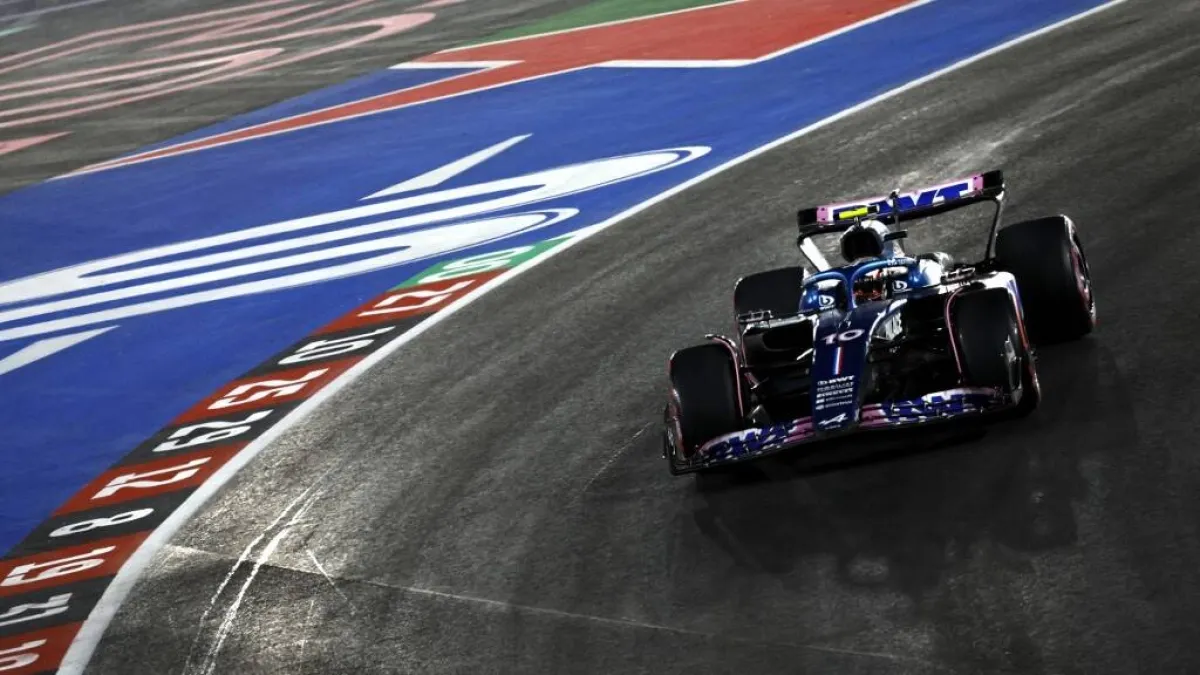
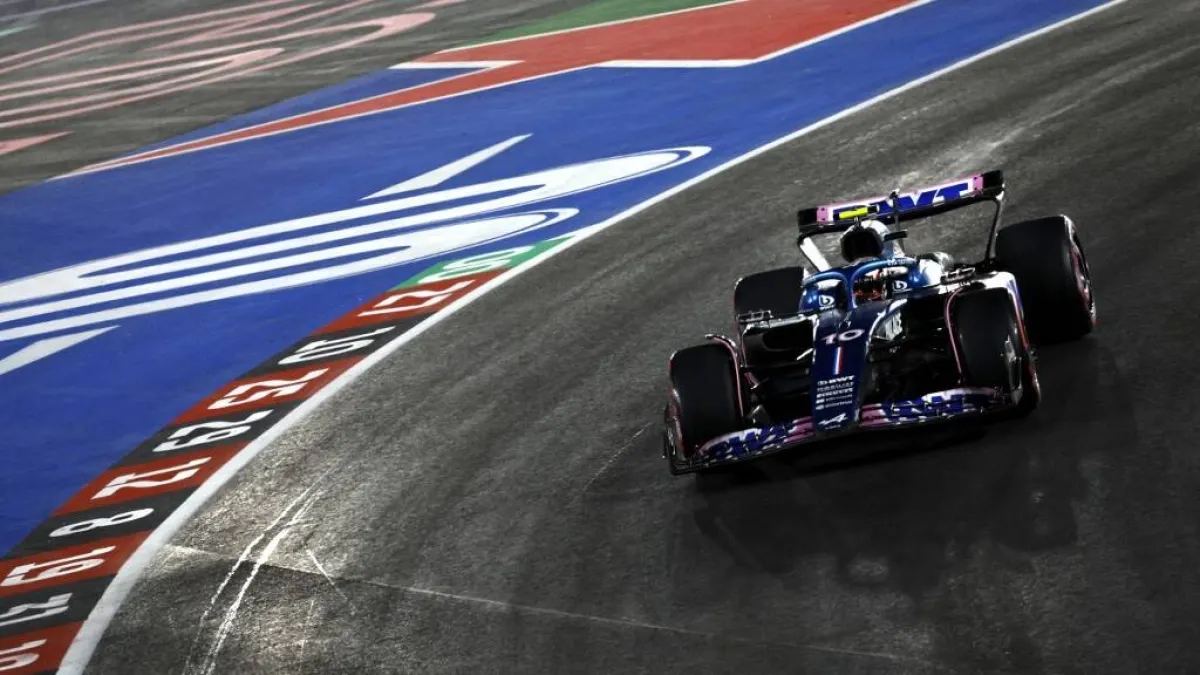
The intersection of high-octane sports and everyday couture has long fueled creative partnerships, but in recent years, the visual language of the racetrack has firmly planted its roots in streetwear and contemporary footwear. Gone are the days when racing gear was restricted strictly to the asphalt circuits of Formula 1, endurance championships, or rallycross. Today, the paddock’s distinct codes—characterized by aerodynamic silhouettes, low-profile soles, and sleek, curving lines that evoke raw velocity—have undergone a high-fashion metamorphosis, transitioning seamlessly from elite pit lanes to metropolitan sidewalks.
This tectonic shift in sneaker culture marks a definitive departure from the bulky, maximalist “chunky” sneakers that dominated the global market for much of the late 2010s and early 2020s. Consumers and designers alike are pivoting toward streamlined, minimalist footwear that marries athletic heritage with urban sophistication. At the vanguard of this movement is a growing renaissance of racing-inspired kicks, punctuated most recently by the arrival of innovative international models in markets across Latin America, such as Colombia.
Main Facts: The Acceleration of Racing Aesthetics in Streetwear
The modern urban landscape is experiencing an influx of automotive-inspired footwear. This trend does not merely replicate literal racing gear; rather, it distills the core emotional and visual triggers of motorsport—speed, precision, fluid movement, and mechanical engineering—into wearable everyday art.
The Decline of Bulk: For years, thick-soled, oversized sneakers dominated fashion weeks and urban storefronts. The current landscape favors aerodynamic, low-profile designs that hug the foot and offer a more tailored, refined silhouette.
Iconic Trailblazers: Models like the Puma Speedcat have served as cultural touchstones, proving that low-profile shoes with rounded toes—originally engineered for optimal pedal feel inside racecars—can successfully transition into wardrobe staples.
High-Profile Collaborations: Major sportswear giants have formed strategic alliances with legendary automotive marques. Partnerships such as Puma and Porsche consistently yield limited-edition collections that borrow direct design cues from luxury German sports cars, while Adidas Motorsport maintains dedicated lines explicitly tailored to the racing universe.
The Newest Contender: Expanding this trend globally, sustainable footwear brand Veja has introduced its newest model, the GT, to the Colombian market. Designed with fluid lines, a slightly elevated tip, and minimalist graphics, the GT translates the kinetic energy of motorsports into a versatile, everyday silhouette.
Chronology: From the Pits to the Pavement
To understand how racing shoes became a staple of modern high fashion, it is essential to trace their evolution from strictly functional equipment to cultural symbols of style.
1. The Era of Pure Utility (Mid-to-Late 20th Century)
Originally, shoes designed for racing were bespoke pieces of engineering. Drivers required footwear with thin, flat rubber soles that provided maximum tactile feedback through the vehicle’s pedals, alongside lightweight leather uppers to reduce heat and fatigue. These designs were strictly confined to professional racing circuits, completely divorced from mainstream fashion considerations.
2. The Sportswear Crossover (Late 1990s – 2000s)
Brands recognized the commercial potential of motorsport sponsorships as Formula 1 gained unprecedented global television audiences. Athletic labels began producing replica team gear and driver-inspired shoes for fans. Silhouettes like early iterations of driving shoes began appearing in casual wardrobes, favored by subcultures intertwined with car culture.
3. The Chunky Sneaker Interregnum (2010s – Early 2020s)
For roughly a decade, footwear trends swung violently in the opposite direction. The market was saturated with chunky, architectural, and oversized "dad shoes" and thick-soled runners. Sleek, low-profile shoes were largely sidelined as niche or outdated.
4. The Aerodynamic Revival (Mid-2020s – Present)
A cultural fatigue with maximalism, combined with a broader nostalgia for retro racing aesthetics (supercharged by the global boom of Formula 1’s popularity), sparked a dramatic reversal. Low-profile silhouettes roared back into style. Brands began reissuing archival racing shoes alongside entirely new, contemporary interpretations, culminating in cross-industry launches like Veja’s GT model in Latin American markets.
Supporting Data and Anatomical Design: The Elements of Speed
Translating a racecar into a sneaker requires a meticulous translation of industrial design principles. The appeal of these shoes lies in how successfully they incorporate mechanical cues into soft materials.
Anatomical Breakdown of a Motorsport-Inspired Sneaker
Low-Profile Soles: Unlike running shoes designed for maximum impact absorption through thick foam, driving-inspired shoes feature low-to-the-ground soles. This provides stability, a sleek profile, and a direct visual nod to the ground-hugging nature of racing vehicles.
Fluid Curvilinear Lines: Sweeping arcs across the upper mimic airflow dynamics over a car’s chassis. For instance, in the Veja GT, the curved lines looping around the lacing zone cleverly reinterpret the brand’s signature "V" logo while maintaining a sense of forward momentum.
Elevated Toe Boxes: A slightly upturned front tip is a direct functional carryover from racing footwear, designed to prevent the toe from snagging on vehicle pedals. In a fashion context, it creates a dynamic, forward-leaning posture even when standing still.
Diverse Colorways: While classic motorsport palettes lean heavily into primary racing colors (speed red, asphalt black, and stark white), contemporary adaptations run the gamut. The GT, for example, bridges the gap between high-contrast vibrant editions and understated, monochromatic all-black alternatives, proving its adaptability for both bold statement outfits and discreet corporate-casual settings.
Official Perspectives: Capturing the Energy of Motion
The fusion of automotive engineering and footwear design is driven by a deliberate creative philosophy. Industry leaders emphasize that the goal is not to dress consumers like professional racing drivers, but to imbue daily life with the kinetic thrill of the track.
"GT represents a new way to explore movement. We drew inspiration from the energy and precision of motorsport to create a silhouette that brings that universe into everyday life, maintaining a versatile and contemporary proposition."
— Fernanda Almeida, Head of Communications Latam for Veja
Almeida’s sentiment highlights a broader shift in fashion marketing: consumers are no longer searching purely for comfort or athletic utility; they are buying narratives. The narrative of the racetrack—one characterized by split-second precision, technological mastery, and visceral speed—offers a powerful psychological escape and an injection of dynamism into routine urban existence.
Implications: The Future of Footwear and Fashion-Automotive Convergence
The enduring marriage between motorsport and fashion carries several profound implications for retail markets, brand strategy, and consumer identity.
1. The Death of Micro-Trends in Favor of Heritage Crossover
Unlike short-lived internet aesthetics, the motorsport trend rests on decades of rich visual heritage. Because brands can tap into real-world racing history—whether through archival revivals like Puma Speedcat or sustainable innovations like Veja GT—the trend possesses structural longevity. It appeals to Gen Z and Millennial consumers who value heritage, authenticity, and cross-industry storytelling.
2. Sustainability Meets High-Octane Design
As eco-conscious consumerism matures, brands are challenged to apply sustainable manufacturing methods to historically resource-heavy aesthetics. The introduction of racing-inspired silhouettes crafted with ecological materials (such as bio-based rubbers and organic cottons) demonstrates that high-fashion styling can coexist with environmental responsibility.
3. The Democratization of Speed
Motorsport has traditionally been perceived as an elite, capital-intensive sport accessible only to a privileged few. By abstracting the visual codes of racing into accessible everyday footwear, fashion successfully democratizes the feeling of motorsport. Anyone can lace up a pair of aerodynamic, low-profile shoes and momentarily channel the focus, precision, and velocity of a professional driver navigating a hairpin turn.
As this trend continues to accelerate across global markets, it is clear that the finish line is nowhere in sight. The sidewalk has officially become the new racetrack.
BOGOTÁ, COLOMBIA — In an era defined by the rapid convergence of remote work infrastructure, artificial intelligence, and borderless digital ecosystems, the concept of migration is undergoing a historic transformation. As modern professionals increasingly untether…
Executive Summary: Capitalizing on the Currency Shift In a landscape defined by shifting macroeconomic tides, the Colombian peso has experienced a significant appreciation against the U.S. dollar, reaching its strongest valuation in half a decade.…
By: Editorial Staff Medellín, Colombia – July 23, 2026 As the 37th edition of Colombiamoda prepares to open its doors in Medellín from July 25 to 31, the atmosphere in the city is charged with…