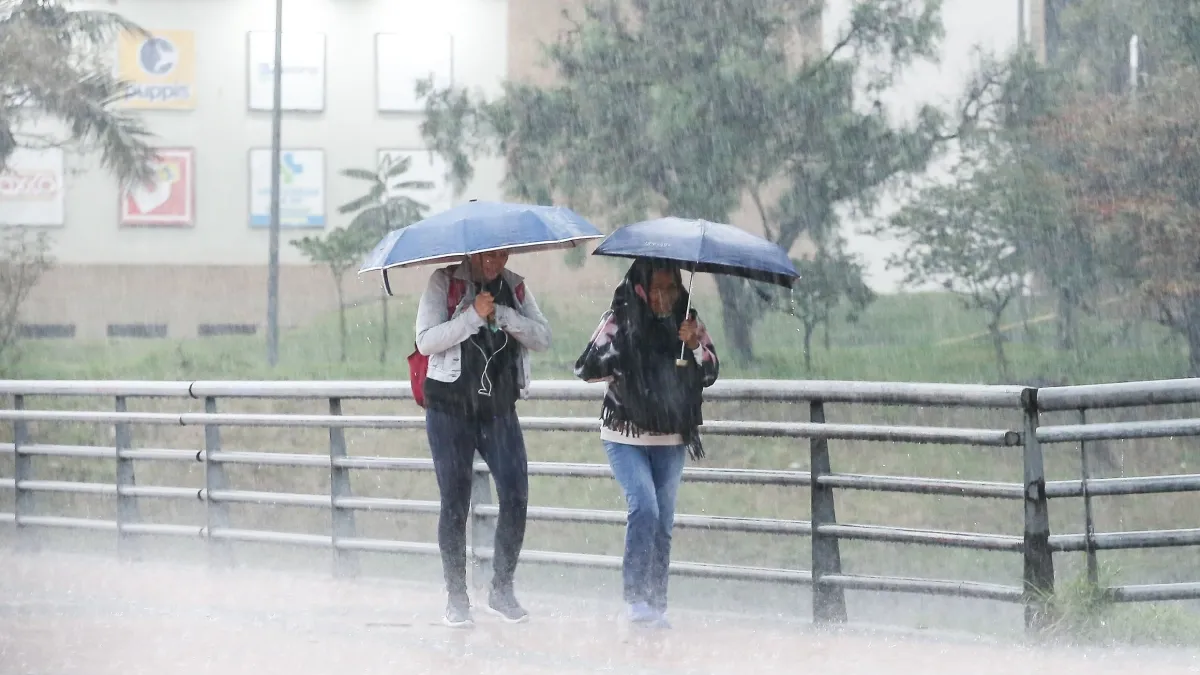
The recent surge of heavy rainfall in Bogotá and across various regions of Colombia has provided a temporary respite from the sweltering heat, but experts warn that this meteorological anomaly is masking a much deeper and more precarious reality. While the sound of rain on rooftops might suggest that the climate crisis has receded, authorities and energy sector analysts maintain that the nation remains in a state of high alert. The shadow of the El Niño phenomenon still looms large, and with it, a direct threat to the country’s energy security.
As the nation balances between seasonal precipitation and the systemic constraints of its power grid, the message from the Institute of Hydrology, Meteorology and Environmental Studies (Ideam) is unequivocal: the current rain is not a signal to lower our guard.
The Illusion of Relief: Understanding the Meteorological Paradox
To many citizens, it seems counterintuitive to discuss drought and energy rationing while streets are flooded and daily thunderstorms disrupt urban life. However, meteorologists explain that Colombia is currently navigating its second annual rainy season. This period, characterized by atmospheric conditions that favor localized storms, does not cancel out the long-term, structural impact of the El Niño phenomenon.
El Niño is not defined by an absolute absence of rain, but by a significant, sustained deficit compared to historical averages. The current rainfall is a regional event, while the climate phenomenon is a macro-scale driver that is actively suppressing the moisture levels necessary to replenish the country’s vast reservoir systems. The danger lies in the psychological comfort the current weather provides. If the population—and by extension, the industrial sector—perceives the threat as "over," the crucial habits of energy and water conservation may be abandoned, leaving the country vulnerable when the dry season intensifies in late December.
Chronology of a Crisis: From Warnings to Reality
The current situation is the culmination of a months-long progression that began earlier this year:
- Early 2026: Climate models began signaling a strengthening of El Niño, with experts predicting a reduction in rainfall across the Andean and Caribbean regions.
- Mid-2026: Projections from the Ministry of Mines and Energy underscored the importance of reservoir management as temperatures began to rise steadily.
- October 2026: Reports from XM, the entity that manages the national electric market, confirmed that water contributions to hydroelectric plants had plummeted to 40% below historical averages.
- Present Day: Despite temporary seasonal rainfall, the accumulation in reservoirs remains at a concerning level of 77%, while national energy demand has hit record-breaking highs, straining the existing infrastructure to its limits.
Supporting Data: The Arithmetic of Potential Scarcity
The numbers provided by XM offer a sobering look at the reality behind the current energy landscape. Hydroelectric power is the backbone of the Colombian grid, accounting for a vast majority of the country’s electricity generation.
The current 77% utility level in reservoirs might sound robust to the average observer, but it is deceptive. When one factors in that the contributions (the amount of water flowing into these reservoirs) are currently 40% below historical norms, the math becomes clear: we are drawing down from our "savings account" at a rate that is not being replenished.
Furthermore, this deficit occurs simultaneously with a peak in demand. As the economy grows and urban centers expand, the baseline consumption of electricity has surged. This creates a "scissors effect": a dwindling supply of water meeting an ever-increasing demand for power. If this trend continues through the upcoming dry season—which is expected to last from December through March or April—the reserve margins will be tested as never before.

Official Responses and Institutional Coordination
The government, in collaboration with regulatory bodies and private sector entities, is currently operating under a mandate of maximum coordination. The consensus among stakeholders is that Colombia still possesses a "margin of maneuver," but that this window of opportunity is closing.
The Ministry of Mines and Energy has been tasked with overseeing the "Thermal Park"—the collection of coal, gas, and fuel-oil plants that act as the grid’s backup when water levels are low. However, reports from XM indicate that the effective availability of these plants is currently lower than their installed capacity. This discrepancy is largely due to maintenance backlogs and operational difficulties, particularly in the Caribbean region.
"Colombia still has the capacity to face this contingency," says a spokesperson for the grid operators, "but that capacity depends entirely on timely decision-making, institutional coordination, and the collective discipline of the public."
Implications: The High Stakes of Energy Security
The primary objective for the coming weeks is clear: to store as much water as possible while the seasonal rains persist. The months of January and February are historically the most demanding for the electrical grid. If the reservoirs are not sufficiently topped off before the new year, the country faces the prospect of power rationing—a scenario that would have profound economic and social consequences.

Economic Impact
Rationing is not merely an inconvenience; it is a catalyst for economic contraction. For an industrial sector already facing high costs, a lack of reliable power would force production slowdowns, leading to job losses and a decrease in GDP growth. Furthermore, the reliance on more expensive thermal generation—which is necessary when hydro levels are low—is already driving up the cost of electricity, a burden that is eventually passed on to consumers.
Social and Political Consequences
Energy security is a pillar of modern social stability. A widespread blackout or planned rationing would not only disrupt daily life but would also erode public trust in governance. The government is under immense pressure to ensure that the "Caribbean energy crisis"—characterized by high prices and supply instabilities—does not spread to the rest of the country.
The Thermal Park Challenge
A critical component of the national strategy is the operational readiness of thermal power plants. These plants are the final line of defense against blackouts. The government has signaled that it will hold companies accountable for ensuring that these facilities are fully operational, properly maintained, and—perhaps most importantly—adequately supplied with fuel. Any failure in the supply chain of gas or coal at this juncture would be catastrophic.
The Path Forward: Collective Discipline
The current situation calls for a dual approach: a high-level operational effort from the state and the private sector, and a shift in consumption patterns from the citizenry.

For the private sector, the focus must be on accelerating maintenance cycles and resolving logistical bottlenecks. For the government, it involves streamlining regulations to allow for a swifter transition to emergency protocols if they become necessary.
However, the role of the public cannot be overstated. Saving water and energy is not merely a symbolic gesture; it is a structural necessity to extend the life of our reservoir levels. Simple actions—reducing unnecessary lighting, optimizing industrial and residential cooling, and being mindful of peak-hour consumption—collectively dampen the "peak demand" that puts the most stress on the national grid.
Conclusion: A Cautionary Tale
As the rain continues to fall, it is essential that the narrative remains grounded in scientific reality rather than seasonal optimism. The danger of mistaking these few weeks of rainfall for the end of the El Niño crisis is the single greatest risk currently facing the nation.
Colombia is standing at a crossroads. One path involves proactive management, public awareness, and institutional rigor; the other leads to the high costs and social disruption of energy shortages. The "margin" that the experts speak of is shrinking, and the time for complacency has long since passed. The coming months will be a test of the country’s resilience and its ability to manage its most precious resources—water and electricity—with the foresight that such a critical situation demands.

Ultimately, the stability of the Colombian power grid is a shared responsibility. The government provides the framework, the companies provide the energy, but the people define the scale of the challenge. Ignoring the threat because of a few cloudy days would be an act of systemic negligence that the country can ill afford. The rains are a gift, but they are not the solution to the long-term energy drought that looms on the horizon.