By Gastronomy and Lifestyle Desk
Published: March 29, 2026
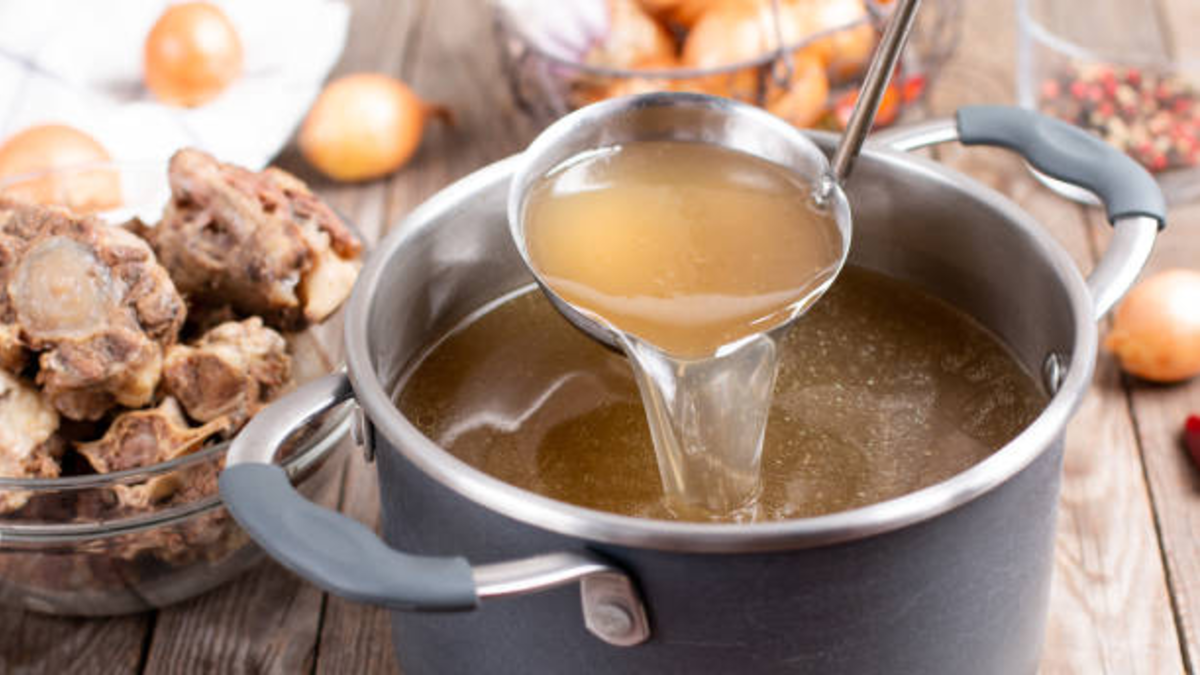
Achieving that deep, soul-warming, and restorative flavor in a proper homemade beef broth is never a matter of mere culinary luck, nor does it require spending endless, unsupervised hours hovering over a hot stove. According to elite gastronomical experts and nutritional scientists, the true secret to success is decided long before the pot ever touches the burner: it lies in the meticulous selection of the cut of meat at the butcher counter.
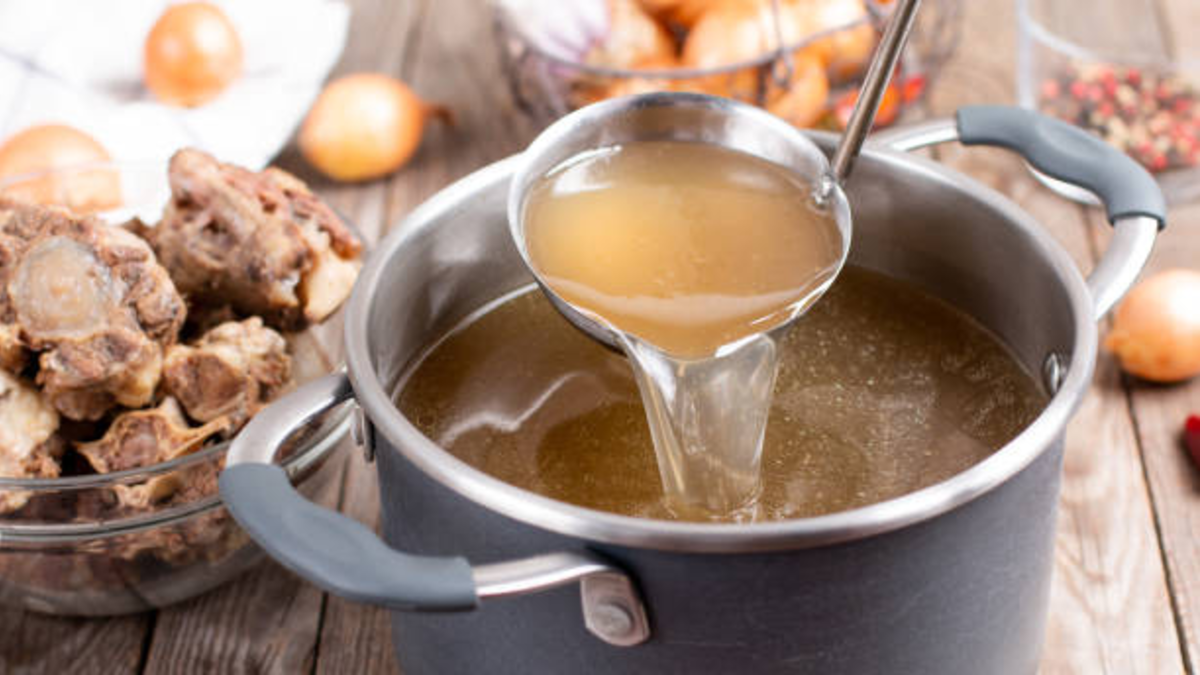
Not all cuts of beef behave identically under prolonged thermal exposure. While certain parts of the animal break down into a silky, luxurious texture, others can swiftly transform a delicate soup into a heavy, greasy, and difficult-to-digest preparation due to an excess of lipids. True culinary intelligence in soup-making relies entirely on striking a precise, harmonious balance between the rich, gelatinous flavor imparted by the bone and the clean, protein-dense profile of lean muscle.
Main Facts: The Core Elements of Broth Mastery
At its foundation, preparing an exceptional beef broth is a chemical extraction process. Water acts as a solvent, drawing out soluble proteins, minerals, and fats from the meat and bones, while heat denatures collagen into gelatin.

- The Bone Factor: Cuts containing bones—most notably ribs and shanks—are non-negotiable for anyone seeking authentic depth of flavor and body.
- The Collagen Connection: As bones and connective tissues simmer, they release collagen, which transforms into gelatin. This is what gives professional broths their signature mouthfeel—a velvety, rounded texture that plain water and lean meat alone can never replicate.
- The Grease Dilemma: While bones provide immense flavor, they also introduce significant amounts of intramuscular and surface fat, which can render the broth unpleasantly oily if not properly managed.
- The Lean Alternative: For households prioritizing cardiovascular health and lower saturated fat intake, lean cuts offer a cleaner base, though they require specific culinary interventions to compensate for the loss of natural body and richness.
- The Refrigeration Trick: A foolproof post-cooking technique involves chilling the broth; this solidifies excess surface fat into an easily removable layer, leaving behind a pure, nutrient-dense liquid.
Chronology of the Broth: From Past to Present Culinary Practice
The evolution of broth-making spans centuries, transforming from a technique of absolute necessity into a refined pillar of modern gastronomy.
- Pre-Industrial Era (Centuries Ago): Historically, broth was a method of survival and resourcefulness. Tough, fibrous cuts of meat and leftover bones that could not be roasted or dry-aged were subjected to long, slow simmering to soften connective tissues and extract every available calorie and nutrient.
- The Rise of Escoffier and Classical French Cuisine (Late 19th – Early 20th Century): Culinary master Auguste Escoffier categorized stocks and broths as the "foundation of all cooking." Strict rules regarding blanched bones, aromatic vegetables (mirepoix), and extended simmering times were codified, establishing benchmarks for clarity and richness.
- The Mid-20th Century Convenience Era: The advent of commercially packaged bouillon cubes, canned broths, and instant flavor packets temporarily shifted domestic cooking habits away from scratch-made broths in favor of speed and convenience.
- The Contemporary Wellness Movement (2010s–Present): A renewed appreciation for traditional diets, gut health, and bone broth’s high mineral and collagen content has sparked a massive resurgence in artisanal, home-brewed stocks. Contemporary chefs now combine traditional slow-cooking methods with modern nutritional science to optimize both flavor and health benefits.
Supporting Data: Understanding Cuts and Collagen
Selecting the right cut requires understanding the anatomy of the beef carcass. According to insights shared by prominent chefs and culinary institutions, specific cuts offer distinct advantages in the stockpot.
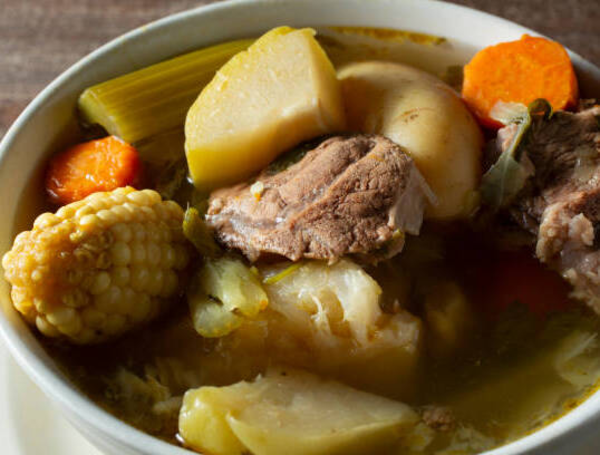
1. The Ribs: The Undisputed Monarch of Flavor
In many traditional culinary cultures, including those across Latin America, beef ribs (costilla de res) reign supreme in soup-making.
- Why it works: Rib cuts feature a high bone-to-meat ratio. The bones house rich marrow and connective tissues that dissolve during long cooking times, releasing deeply savory glutamates.
- Expert Insight: Noted chef Camilo Currea emphasizes that "to elaborate a good broth, the best cut is beef ribs or, failing that, any cut that includes bone." The bone serves as an irreplaceable reservoir of flavor depth.
2. The Shank: Concentration and Structure
For cooks seeking an even more robust, intensely flavored stock, the beef shank (jarrete de ternera) serves as a premier alternative.

- Why it works: Shanks are heavily exercised muscles packed with connective tissue, tendons, and marrow bones.
- Expert Insight: Chef Currea notes that this cut "besides having bone, is especially rich in flavor and allows you to obtain a much more concentrated and structured broth."
3. Lean Cuts and Dietary Adjustments
When household health guidelines mandate a reduction in saturated fats, standard bone-in cuts can present a challenge. According to guidelines from the United States Department of Agriculture (USDA), referenced frequently by health institutions like Mayo Clinic, cuts categorized as lean include specific selections from the round and loin.
- The Trade-off: While these lean options drastically reduce overall lipid content, their lack of bones and substantial connective tissue means the resulting broth will naturally possess less body and viscosity. Culinary adjustments—such as adding unflavored gelatin or enhancing the mirepoix—are often required to match the mouthfeel of bone-based stocks.
Official Responses and Expert Recommendations
To bridge the gap between heavy, flavor-packed bone broths and clean, health-conscious cooking, culinary authorities and nutritional experts offer clear protocols.
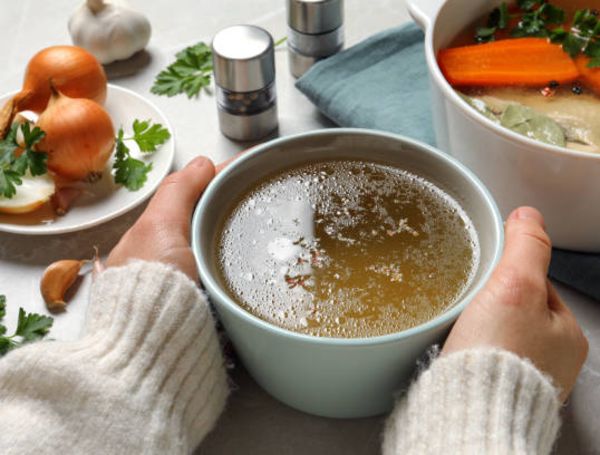
Managing and Eliminating Excess Fat
The primary hurdle of utilizing bone-in cuts is grease control. Professional kitchens and health experts agree that fat management must happen in two distinct phases: pre-cooking and post-cooking.
- Pre-Cooking Trim: Nutritionists at Mayo Clinic strongly recommend trimming away all visible surface fat from the meat and bones before they ever touch the water. This prevents excess rendering that can cloud the broth and saturate the liquid with heavy greases.
- Post-Cooking Solidification (The Refrigeration Method): A gold-standard technique for achieving an impeccably clear, greaseless broth is thermal separation. Once the broth has finished simmering and cooled slightly, it should be transferred to the refrigerator overnight.
- The Science: As the temperature drops, animal fats solidify and rise to the top, forming a hard, opaque white disk.
- The Action: This solid fat layer can be easily lifted and discarded with a spoon or spatula. What remains underneath is a pristine, collagen-rich jelly packed with essential nutrients, devoid of excess grease.
Implications: The Intersection of Gastronomy, Health, and Daily Life
The method by which a home cook approaches something as simple as a beef broth carries broader implications for modern nutrition, culinary literacy, and household wellness.
Nutritional Implications
In an era dominated by ultra-processed foods and hidden sodium, returning to scratch-made broths offers profound health advantages. A properly prepared bone broth is naturally rich in bioavailable minerals, amino acids like glycine and proline, and easily digestible proteins. By mastering fat-removal techniques, individuals can reap the anti-inflammatory and gut-healing benefits of collagen without consuming excess saturated fats linked to cardiovascular concerns.
Culinary Literacy and Sustainability
Furthermore, understanding meat cuts encourages a more sustainable approach to food consumption. Utilizing bones, shanks, and trim cuts honors the entirety of the animal, reducing food waste and shifting purchasing habits away from expensive, pre-packaged shortcuts toward whole, raw ingredients sourced directly from local butchers.
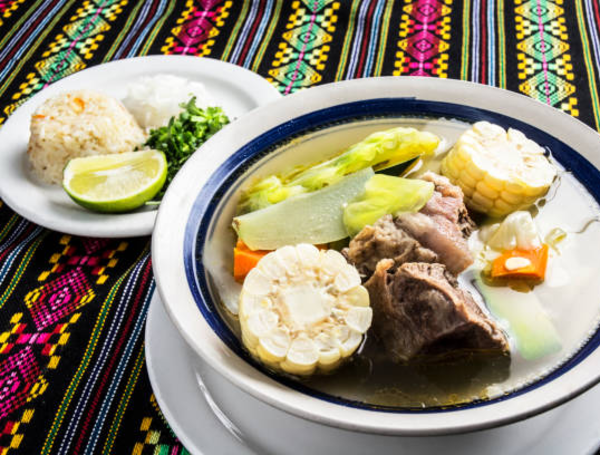
Ultimately, crafting the perfect beef broth demonstrates that superior cooking is not about masking flavors with additives, but about understanding the biological properties of raw ingredients. By balancing the rich, gelatinous gift of the bone with disciplined cleaning and simmering techniques, any cook can transform simple water, meat, and vegetables into a masterpiece of comfort and nutrition.