Apple’s official entry into the burgeoning foldable smartphone market—the newly released iPhone Duo—has hit its first major public relations and engineering hurdle. Just days after the device officially landed in physical retail stores on October 23, 2026, early adopters have begun reporting prominent internal screen malfunctions, specifically centered around the device’s critical fold radius.
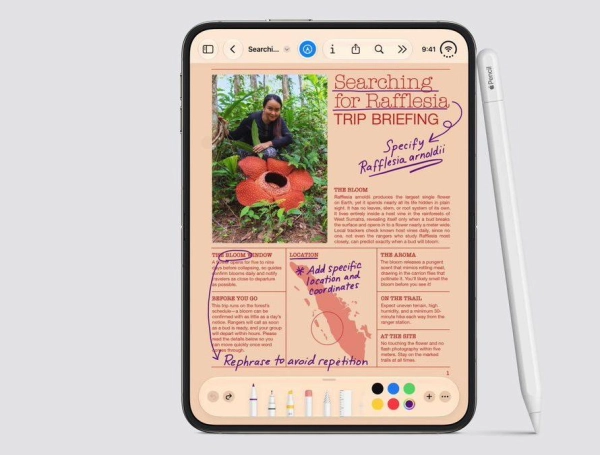
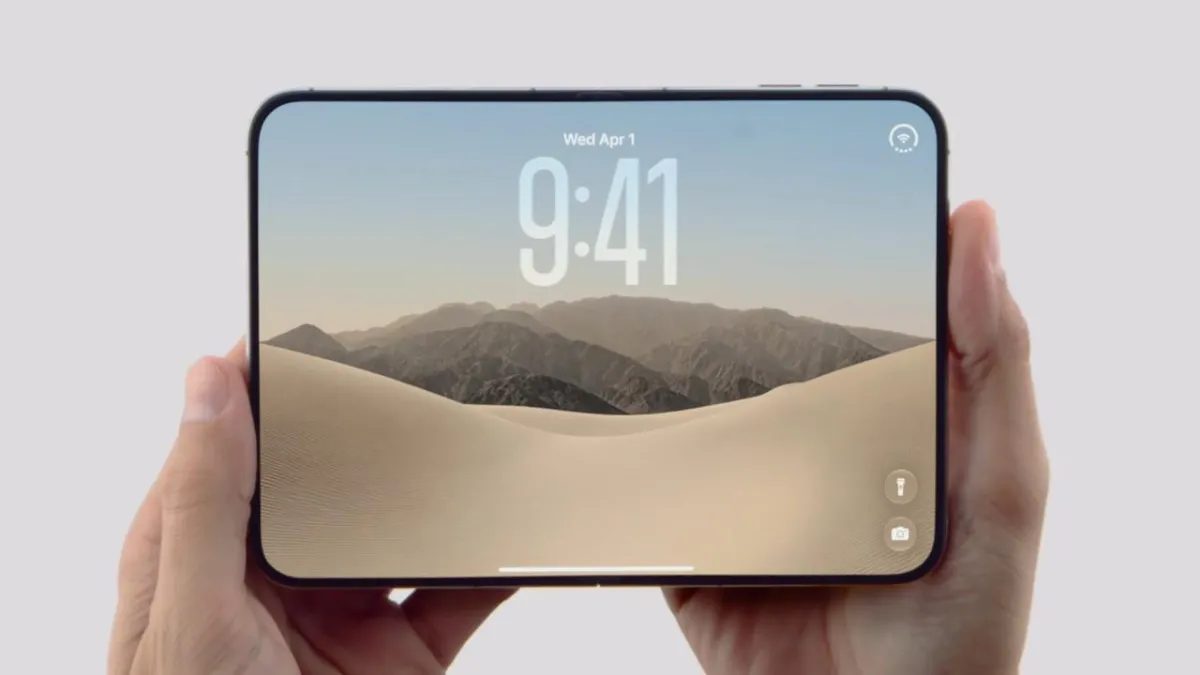
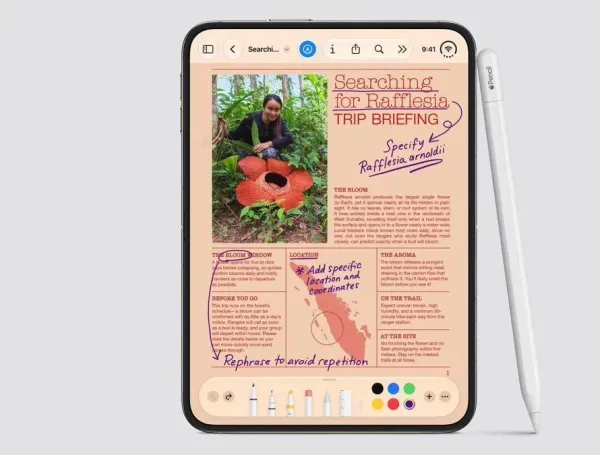
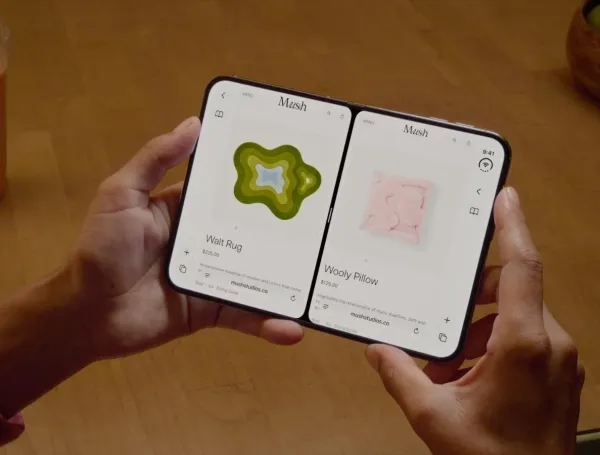
Priced at a staggering $1,999 base price, the iPhone Duo represents a massive financial and technological commitment for consumers aiming to bridge the gap between a standard pocket-sized smartphone and a larger, tablet-class workstation. Unveiled to massive fanfare in September 2026, the device features a flexible 7.6-inch internal display that folds down to a compact, passport-like 5.4-inch outer cover screen.
However, intense real-world durability tests and prolonged multi-device handling by consumers have quickly thrust the fragile mechanics of foldable technology into the spotlight. Reports proliferating across platforms like Reddit and X (formerly Twitter) showcase alarming structural failures: localized fractures, dead pixels, and distinct hairline cracking traversing the exact centerline of the flexible OLED panel.
While Apple has acknowledged the issue, noting that it affects only a "small number of units," the early hardware troubles threaten to complicate the device’s rollout, especially given already constrained supply chains that have pushed delivery windows deep into 2027 and driven replacement costs outside of warranty to nearly $1,000.
Chronology of the Launch and Crisis
The timeline tracking the deployment of the iPhone Duo highlights how rapidly consumer enthusiasm transitioned into technical anxiety:
September 2026: Apple officially unveils the iPhone Duo, marking its long-awaited debut in the foldable device category. Initial media reviews (including early hands-on impressions by agencies like Efe) highlight that while the central crease is virtually imperceptible visually, it maintains a slight physical texture upon touch. Online pre-orders sell out almost instantaneously, crashing regional servers and blowing past internal sales projections.
October 19, 2026: Regional excitement mounts globally—including significant anticipation in markets like Latin America—as tech analysts debate whether the hefty $1,999 price tag is genuinely justifiable for early adopters.
October 23, 2026: The device officially hits physical Apple Stores worldwide. Dramatic scenes unfold outside retail hubs globally, with tech enthusiasts camping overnight and forming sprawling lines to secure their hardware.
October 24–25, 2026: As consumers subject the mechanism to rigorous stress tests—repeatedly folding and unfolding the device to evaluate hinge fluidity—the first user-generated images of cracked internal displays and vertical scratch patterns emerge on social media forums.
October 26, 2026: Apple formally breaks its silence, acknowledging hardware failures on a localized scale while simultaneously combating a parallel wave of misinformation involving AI-manipulated photographs circulating online. The tech giant directs affected consumers to utilize AppleCare for expedited device replacements.
Supporting Data and Technical Specifications
To understand the scope of the controversy, one must examine the engineering metrics and financial stakes governing the iPhone Duo:
Pricing Structure: The entry-level model commands a premium price tag of $1,999, positioning it firmly in the ultra-luxury mobile sector.
Display Dimensions: The device integrates a expansive 7.6-inch internal flexible OLED screen that folds into a portable 5.4-inch cover screen resembling the footprint of a standard passport.
Repair Costs: According to official documentation on Apple’s service portal, repairing or replacing the delicate internal display outside of standard warranty protection or AppleCare coverage costs an exorbitant $999—effectively half the price of a brand-new device.
Supply Chain Pressures: Due to overwhelming initial demand and production bottlenecks, standard online orders placed post-launch have faced severe shipping delays, with delivery estimates stretched out into 2027. Consequently, physical retail storefronts maintain strictly limited stock reserves, making immediate over-the-counter replacements a logistical challenge for regional managers.
Official Responses and Industry Reactions
Apple’s official posture has been a delicate balancing act: maintaining absolute confidence in the structural integrity of its debut foldable while offering immediate remediation to disgruntled early buyers.
In official statements issued to major tech publications such as CNBC and The Verge on Monday, October 26, an Apple spokesperson addressed the rising wave of online complaints:
"Tenemos conocimiento de un problema que afecta a la pantalla interna de un pequeño número de unidades de iPhone Duo. Recomendamos a los usuarios afectados que se pongan en contacto con AppleCare para tramitar un recambio inmediato." (“We are aware of an issue affecting the internal screen of a small number of iPhone Duo units. We recommend affected users contact AppleCare to process an immediate replacement.”)
Simultaneously, Cupertino doubled down on its broader product outlook, emphasizing that the device’s reception remains overwhelmingly favorable among software developers who are aggressively optimizing their ecosystems:
"La respuesta al iPhone Duo de los primeros usuarios ha sido increíblemente positiva y estamos viendo cosas emocionantes de los desarrolladores que están actualizando rápidamente sus aplicaciones para sacar ventaja de su diseño único." (“The response to the iPhone Duo from early users has been incredibly positive, and we are seeing exciting things from developers who are rapidly updating their apps to take advantage of its unique design.”)p
However, the industry narrative has been somewhat muddied by the viral nature of social media. Prominent independent technology analysts and specialized journalism outlets noted that several of the most catastrophic imagery reports shared on platforms like X and Reddit appeared to feature artificial intelligence (AI)-generated artifacts or deliberately manipulated damage, complicating efforts to gauge the exact, true-to-life failure rate of the hardware.
Implications for Apple and the Foldable Market
The unfolding situation surrounding the iPhone Duo carries profound ramifications for both Apple’s brand equity and the trajectory of the foldable market as a whole:
1. The Validation of Apple’s Late-Entry Strategy
For years, critics questioned why Apple delayed entering the foldable market while competitors like Samsung, Google, and OnePlus iterated through multiple generations of devices (such as the Galaxy Z Fold and Pixel Fold series). The conventional wisdom was that Apple was waiting for materials science—specifically ultra-thin glass (UTG) and advanced hinge mechanics—to mature sufficiently to avoid durability controversies. The emergence of these early display fractures proves that even with years of R&D, overcoming the physical fatigue limits of a folding OLED panel remains an exceptionally tall order.
2. Consumer Confidence and High-Stakes Financials
When a consumer invests $2,000 into a piece of hardware, psychological tolerance for mechanical failure drops effectively to zero. If the narrative hardens that the iPhone Duo is structurally fragile, prospective buyers waiting for backordered shipments slated for 2027 may cancel their reservations. Furthermore, with out-of-warranty screen replacements priced at $999, consumers will heavily rely on purchasing comprehensive AppleCare+ protection plans, turning post-purchase support into a critical battleground for consumer satisfaction.
3. Developer Ecosystem Momentum
Despite hardware anxieties, the software side of the equation appears resilient. Because Apple unified its developer framework early, third-party app creators have rushed to adapt their user interfaces to the fluid aspect ratios of the Duo. If the hardware can overcome these early batch defects through strict quality control adjustments in upcoming manufacturing runs, the software experience could ultimately rescue the device’s long-term market viability.
As Apple works behind the scenes to audit early manufacturing lots and streamline replacement pipelines through AppleCare, all eyes remain fixed on the durability performance of the iPhone Duo over its critical first ninety days on the market.
By Digital Reach Newsroom Published: September 11, 2026 Main Facts The landscape of mobile technology has come full circle. Over two decades ago, the daily routine of mobile phone users looked profoundly different. Leaving a…
WhatsApp, the world’s most popular messaging platform under the Meta umbrella, is rolling out a significant visual update to its interface. Users across the globe are beginning to notice a new, intuitive feature: a vibrant…
By Digital Scope Redaction Published as part of ongoing tech industry coverage Main Facts: The Rise of Self-Improving Artificial Intelligence Anthropic, one of the world’s leading artificial intelligence research organizations, has published a series of…