By Edwin Caicedo, Environment and Health Correspondent
Colombia has officially entered a high-alert phase as the national government confirmed the arrival of the El Niño phenomenon. While meteorological agencies had been tracking tell-tale signs in the Pacific Ocean and atmospheric anomalies since mid-2026, the formal declaration marks a critical turning point in the country’s preparedness. With experts warning that the phenomenon could reach "strong" or even "very strong" intensity in the coming months, the nation is bracing for a sustained period of reduced rainfall, record-breaking temperatures, and significant pressure on its vital water and energy infrastructure.
The confirmation comes after months of mounting data. The Institute of Hydrology, Meteorology and Environmental Studies (IDEAM) has been tracking the shifting climate patterns closely, noting that the warming of the equatorial Pacific is no longer just a trend—it is a consolidated event. Current projections suggest that these conditions will persist through at least the first quarter of 2027, creating a long-term challenge for disaster risk management and utility sectors.
The Anatomy of the Phenomenon: Why Confirmation Matters
The transition from observing "conditions associated with El Niño" to a formal "official presence" is not merely a bureaucratic formality. It is a scientific milestone based on the rigorous analysis of oceanic and atmospheric coupling.

Meteorologists define the arrival of El Niño by more than just rising sea surface temperatures. While the Pacific Ocean is indeed warmer than average, the official designation requires the persistence of these anomalies alongside specific atmospheric responses. These include the disruption of trade winds, which typically move from east to west, and subsequent changes in cloud formation and regional precipitation patterns.
By confirming the phenomenon, the Colombian government shifts from a state of "monitoring" to "active intervention." This transition is essential for triggering legal mechanisms that allow for emergency funding, the activation of contingency protocols under Law 1523 of 2012, and the implementation of inter-institutional responses designed to safeguard the nation’s resources.

Chronology: From Early Warnings to National Alert
The timeline of this event demonstrates a proactive approach by scientific agencies:
- June 2026: IDEAM begins reporting initial anomalies in the Pacific, flagging the potential for an El Niño event.
- July–September 2026: Monitoring data indicates that these conditions are strengthening. Atmospheric indicators begin to align with historical patterns of severe El Niño events.
- Early October 2026: Official confirmation is issued. The government mandates that all relevant departments must have contingency plans fully operational by November 30.
- Late 2026 – Q1 2027 (Projected): The period of peak intensity. Forecasters expect the most significant impacts on the Andean, Caribbean, and Pacific regions, with a continued risk of drought and wildfires extending into the first half of 2027.
Supporting Data: Assessing the Risks to Ecosystems and Infrastructure
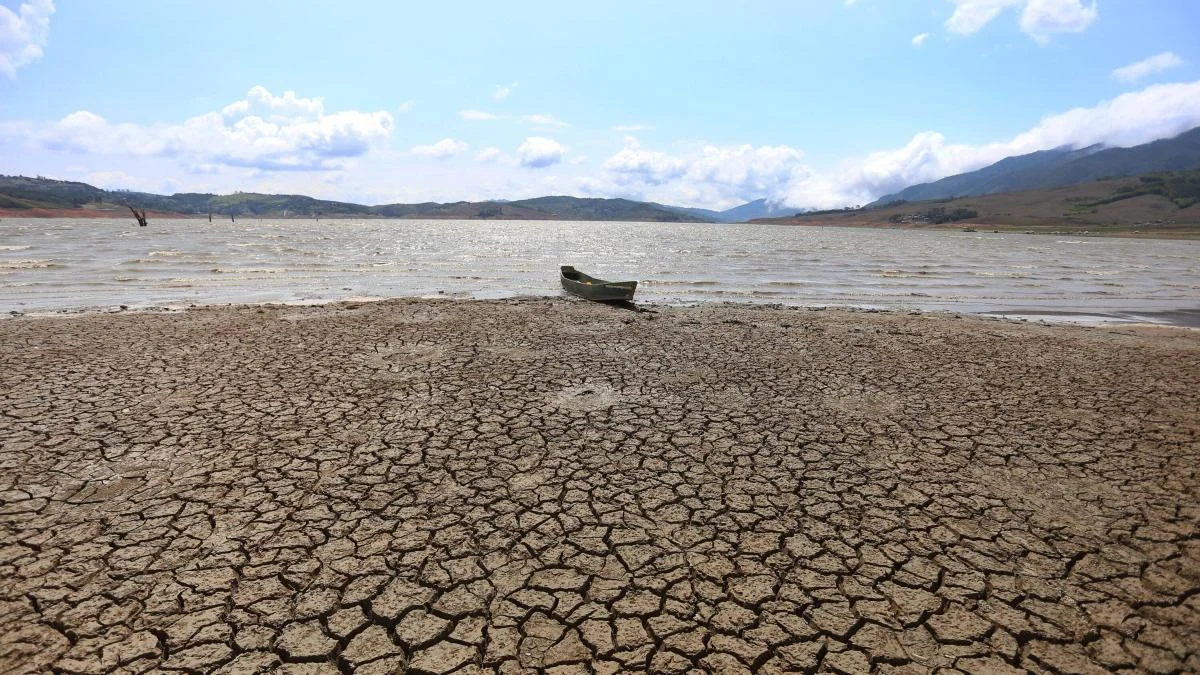
The potential impacts of El Niño in Colombia are multi-faceted. The most immediate concern is the hydrological deficit. As rainfall patterns shift, the country faces a double-edged sword: regions that rely on consistent seasonal rains may see them vanish, while others may face unpredictable, violent weather events like flash floods or hail, as recently witnessed in urban areas like Bogotá.

Water Security
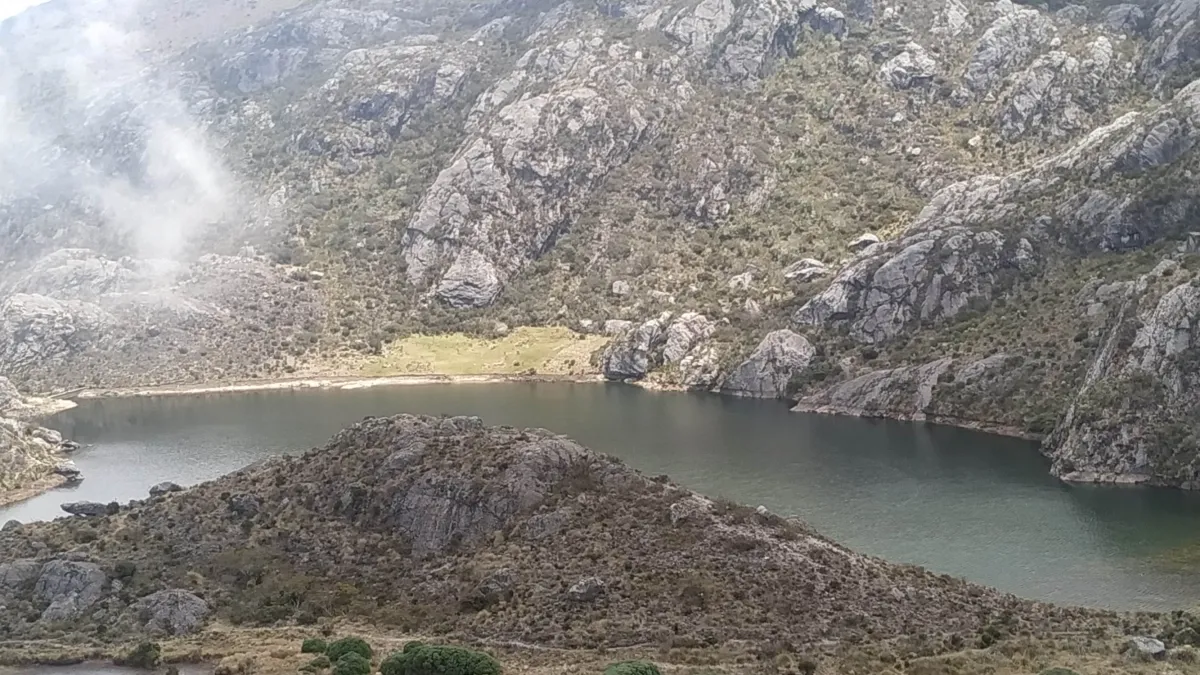
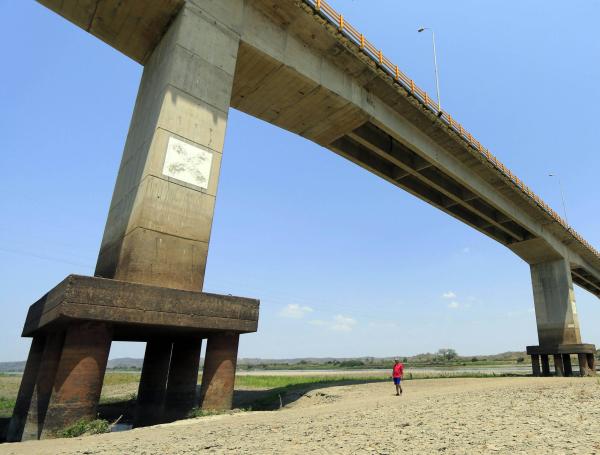
The depletion of water sources is a primary concern. The government is focusing on protecting strategic ecosystems—such as high-mountain páramos and river basins—which act as the natural reservoirs for the country. As water levels in critical rivers drop, the stress on agricultural irrigation and municipal water supplies increases significantly. The reliance on groundwater is being scrutinized, with experts debating the viability of deep-well extraction as a long-term solution for drought-stricken zones.
The Energy Equation
Perhaps the most vulnerable sector is energy. Colombia’s power grid is heavily reliant on hydroelectric generation. When reservoir levels drop due to prolonged droughts, the country faces a systemic risk. To mitigate this, the Ministry of Mines and Energy has launched a comprehensive "shock plan" (Plan Energía YA). This involves:
- Thermal Backstop: Increasing the participation of thermal power plants to preserve water levels in hydroelectric reservoirs.
- Fuel Supply Security: Ensuring that the logistics for gas and coal-fired plants are resilient to supply chain disruptions.
- Efficiency and Demand Management: Implementing national campaigns to encourage energy saving, aiming to reduce peak-hour consumption and prevent grid instability.
Official Responses and Institutional Preparedness
The Government’s response is guided by the Presidential Directive 03, which mandates an inter-institutional approach to disaster risk management. The National Unit for Disaster Risk Management (UNGRD) has emerged as the central coordinator, utilizing advanced satellite imagery to monitor forest fires in real-time.
"The goal is to move from reactive measures to proactive protection," a government spokesperson noted during the announcement. By setting a deadline of November 30 for all entities to activate their contingency plans, the government intends to ensure that municipalities, regional corporations, and utility providers are aligned.
The Role of the Ministry of Environment
The Ministry of Environment and Sustainable Development is currently prioritizing the protection of the most vulnerable biodiversity hotspots. Droughts do not just affect human populations; they wreak havoc on flora and fauna. By managing water distribution and fire prevention zones, the Ministry hopes to minimize the loss of ecosystem services that are essential for the country’s long-term resilience.
Implications: A Challenging Path Toward 2027
The coming months will be a test of Colombia’s institutional maturity. The threat of El Niño is not a distant, abstract concept—it is an imminent challenge that will define the socio-economic landscape of the country through the end of 2026 and well into 2027.

Economic and Social Consequences
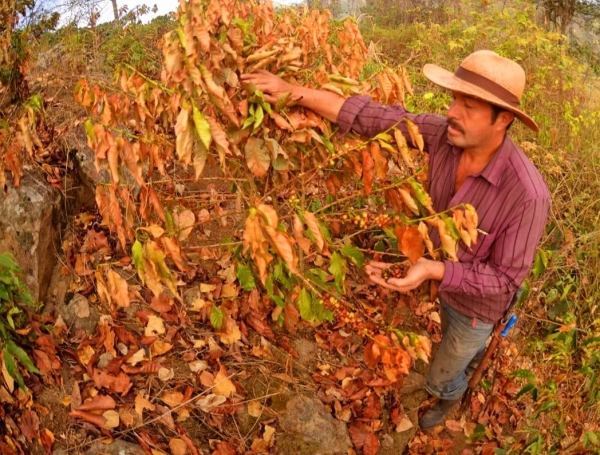
Beyond the technical risks to the energy grid and water supply, there is the potential for significant economic strain. Agriculture, a pillar of the Colombian economy, is highly sensitive to climate volatility. Crop failures could lead to food inflation, while the energy sector’s reliance on more expensive thermal generation could potentially impact electricity tariffs for the end consumer.
The Need for Public Cooperation
Government officials have emphasized that institutional efforts alone are insufficient. Public awareness is key. The "Plan Energía YA" is not only a corporate strategy for utility companies but a call to action for the general population. Whether it is through water rationing, reducing unnecessary energy consumption, or adhering to strict bans on open-air fires, the role of the citizen is central to navigating the drought.
Looking Ahead
As the nation moves toward the end of the year, the focus remains on resilience. While El Niño is a natural phenomenon that humanity cannot stop, the capacity to prepare, adapt, and respond is what differentiates a manageable climate event from a humanitarian or economic crisis.
The next few weeks are, without exaggeration, the most important for the country’s planning. As the dry season approaches in tandem with the strengthening of El Niño, the government, private sector, and civil society must work in unison. The challenge is clear: securing the supply of water and electricity, protecting the country’s biodiversity, and ensuring that the most vulnerable populations are not left behind in the face of a changing climate.

As this situation evolves, the scientific community continues to monitor the Pacific tropical belt, providing the data that will guide policy decisions in real-time. For now, the directive is clear: prepare for the heat, conserve the water, and brace for the impact of a 2027 that promises to be as climatically demanding as any in recent memory.
For more information on how to prepare for the upcoming season, visit the official bulletins from the IDEAM and the National Unit for Disaster Risk Management. Stay updated on the latest environmental alerts via the El Tiempo digital portal.