By Angie Rodríguez | Travel & Trends Journalism
Special reporting from the Colombian Pacific
Main Facts
Nuquí, nestled in the humid and biodiverse heart of the Colombian department of Chocó, is internationally renowned as a prime destination for humpback whale watching. Every year, these majestic marine mammals travel more than 8,000 kilometers from Antarctica to the warm waters of the Colombian Pacific to mate and give birth. However, beyond the breach of a whale tail or the sound of a blowhole in the distance, Nuquí holds a profound, lesser-known universe.
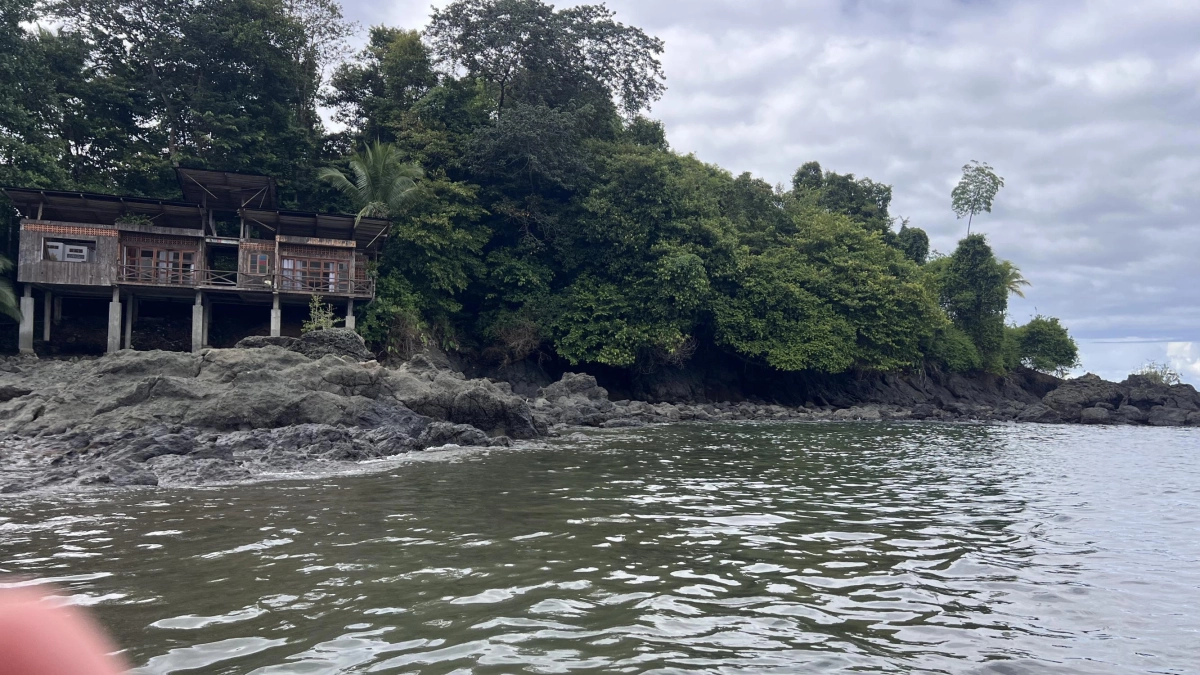
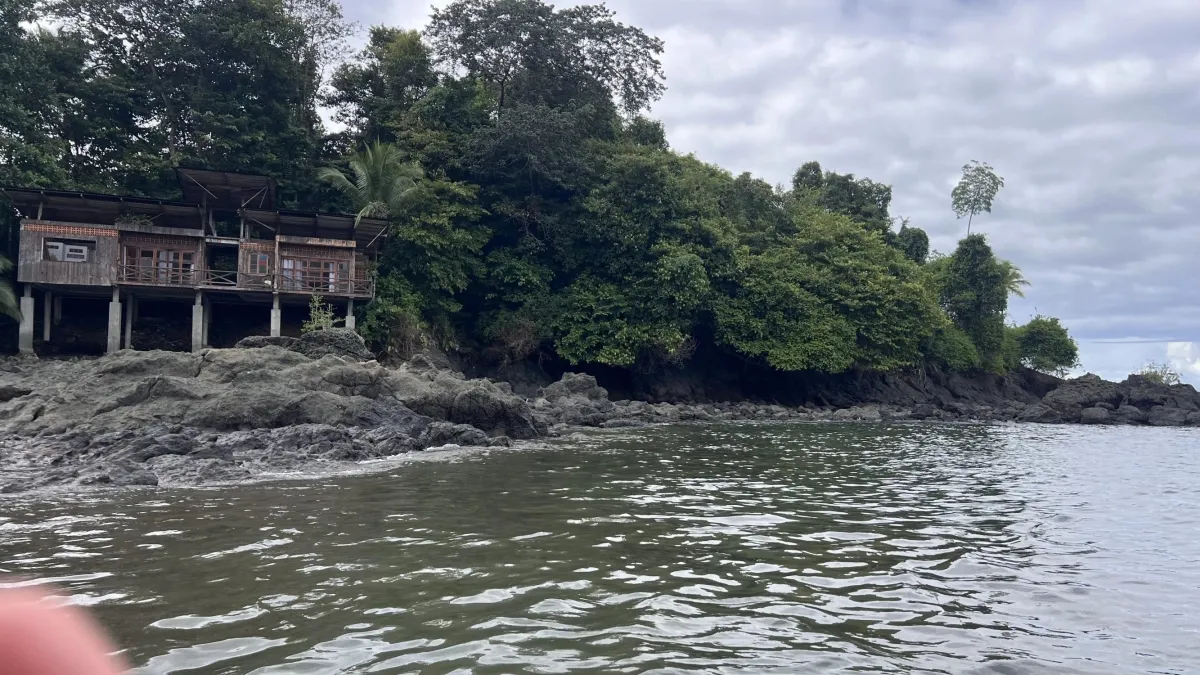
This remote corner of the Pacific operates on a rhythm dictated entirely by the ocean’s tides rather than the hands of a clock. Here, the landscape transforms every six hours between dynamic high tides (puja) and dramatic low tides (quiebra). The region is a stronghold of Afro-descendant and Indigenous ancestral heritage, kept alive through the art of viche distilling, traditional zotea gardens, music, and cuisine.
Far from standard luxury tourism, visiting Nuquí requires patience, a tolerance for humidity and insects, and an adventurous spirit. In return, it offers regenerative tourism experiences: night treks through the jungle to witness bioluminescent fungi and microscopic phytoplankton, tracking the highly toxic golden poison frog (Phyllobates aurotaenia), navigating the mangrove forests of Tribugá by kayak, and tasting traditional dishes seasoned with herbs grown in elevated garden beds.

Chronology: A Day Governed by the Moon and the Tides
To understand life in Nuquí, one must abandon conventional time management. The days here are chronicled through a natural cadence driven by gravitational forces and lunar cycles.
Morning: The Quiebra and the Awakening of the Coast
When the tide enters its quiebra phase, the Pacific retreats up to four meters, leaving expansive dark, damp sand flats exposed. This creates a natural mirror reflecting the sweeping skies of the Chocó rainforest.
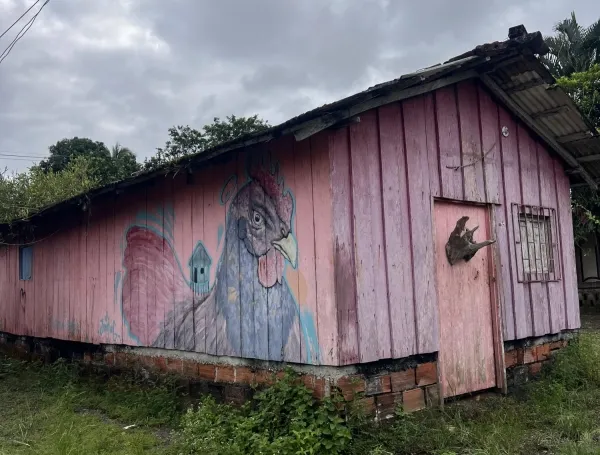
- 6:00 AM – 9:00 AM: Coastal birds step cautiously across the exposed seabed searching for marine life. Simultaneously, local women known as piangueras venture into the dense mangrove ecosystems to sustainably harvest piangua—a native mollusk that forms the backbone of coastal gastronomy.
- 10:00 AM: Artisanal fishermen return from their morning journeys, adjusting their schedules entirely to the water levels to navigate the treacherous sandbars and river mouths.
Afternoon: The Puja and Jungle Exploration
Hours later, the tide turns into the puja, a period when the sea becomes turbulent and aggressive. Waves crash intensely against the black-sand shores, prompting humans and wildlife to seek higher ground.
- 2:00 PM – 5:00 PM: As the afternoon heat settles, local guides like Jenny Valencia (from the corregimiento of Termales) and Carlos Gamboa (founder of Carlitours) lead travelers into the dense rainforest. Visitors learn about the medicinal properties of native plants, observe the ecosystem with deep reverence, and spot endemic wildlife such as the golden poison frog.
Nightfall: Bioluminescence and Nocturnal Fauna
When the sun sets and the jungle transitions from day to night, an entirely new ecosystem awakens.
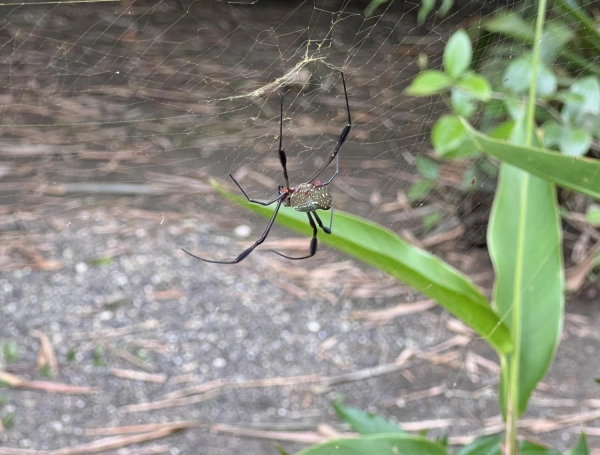
- 7:00 PM Onwards: In pitch-black conditions, away from artificial city lights, the shoreline comes alive with bioluminescence. Microscopic organisms such as fitoplankton emit a vibrant blue-green glow when agitated by the movement of water or footsteps. Deeper in the rainforest, bioluminescent fungi illuminate decaying tree trunks—a natural navigational tool historically used by indigenous and farming ancestors. Meanwhile, nocturnal species like frogs, crickets, snakes, and bats fill the humid night air with an orchestra of sounds.
Supporting Data and Cultural Heritage
Nuquí’s ecological richness is matched only by its rich cultural tapestry, preserved through generations of ancestral knowledge.
The Ancestral Art of Viche and Plant Medicine
At the heart of the local economy and culture is viche, a traditional ancestral alcoholic beverage distilled from native sugarcane. Master vichero Jorge Enrique Murillo, owner of the iconic Bombillo Rojo, welcomes travelers with a profound philosophy: "Where the sugarcane is born, the jungle is born."
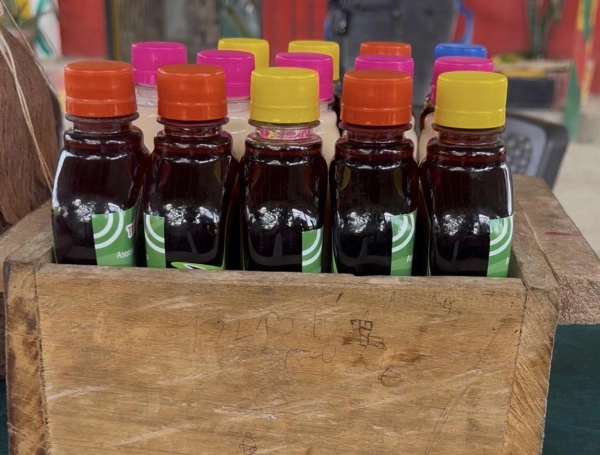
Murillo utilizes more than 40 native plants to craft medicinal remedies and local elixirs that visitors are encouraged to try, including:
- Vinuquí: A fermented beverage infused with regional fruits and roots.
- Arrechón: A sweet, thick, energy-boosting drink made with Viche, coconut, and local spices.
- Crema de Viche: A smooth, creamy distillation blending local spirits with natural sweeteners.
- Trago Selva: A potent spirit capturing the earthy flavors of the rainforest.
Biodiversity Metrics
- Toxicology: The rainforest hosts the Phyllobates aurotaenia (golden-striped poison dart frog), documented by local guides as the third most toxic animal on Earth.
- Migration: Over 8,000 kilometers are traversed annually by humpback whales arriving in the Tribugá Gulf.
- Botanical Wealth: Over 40 distinct medicinal plants are actively cataloged and used by master distillers and local healers in everyday community health practices.
Official Responses and Community Perspectives
Tourism in Nuquí is increasingly shifting toward a community-led model focused on sustainability, ecological conservation, and cultural preservation. Local leaders and grassroots organizations are steering the region away from mass tourism and toward regenerative travel.
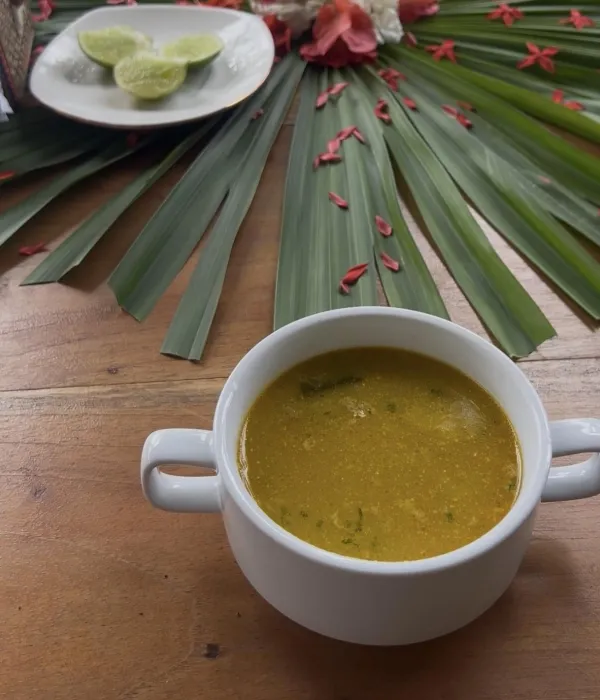
"In Chocó, we are rich in everything, and tourism right now is contributing heavily to conservation," states Marcelina Moreno Asprilla, a veteran pianguera from the corregimiento of Tribugá. "If we destroy what we have, those who come after us will find nothing."
Carlos Gamboa, founder of Carlitours, emphasizes the philosophy driving local tour operators:

"Implementing regenerative tourism in the territory means continuing to preserve our customs, our daily routines, the jungle, and the mangroves."
Institutional and Collaborative Support
The sustainable development of tourism initiatives in Nuquí is bolstered by strategic alliances. Recent promotional and conservation efforts have been supported by:

- Cinergia Films (Production and documentation)
- WWF (World Wide Fund for Nature) (Environmental conservation and biodiversity monitoring)
- Alcaldía de Nuquí (Municipal governance and infrastructure support)
- Consejo Comunitario Mayor Los Riscales (Ancestral land governance and community autonomy)
Implications: The Future of Nuquí Beyond Seasonality
The broader implication of Nuquí’s emerging tourism model is a shift away from hyper-seasonal dependency. Historically, travelers only flooded the region during the brief months of whale migration, leaving local economies strained for the remainder of the year.
By diversifying the tourism portfolio—promoting nighttime bioluminescence tours, viche routes, cacao trails, kayaking in Tribugá, thermal spring relaxation in Termales, and culinary tourism in Arusí—the local communities are securing a year-round sustainable income.

Visitors venturing beyond the main municipal seat into lesser-known corregimientos like Joví, Guachalito, Coquí, Panguí, and Jurubirá discover a living museum of Afro-descendant and Indigenous culture. Here, traditional elevated kitchen gardens (zoteas) yield fresh cilantro cimarrón, basil, and oregano, infusing regional cuisine with authentic flavors that cannot be replicated elsewhere.
Ultimately, Nuquí challenges the modern traveler. It strips away the comforts of urban life, replacing them with humidity, mud, and rugged terrain. Yet, for those willing to embrace its rhythm, the reward is an authentic encounter with a resilient paradise that teaches humanity how to coexist respectfully with the tides, the jungle, and the ancestral past.