
By Digital Reach Desk
Updated: September 22, 2026
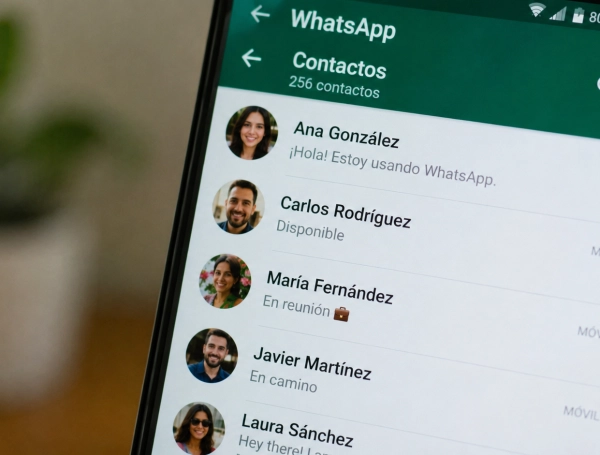
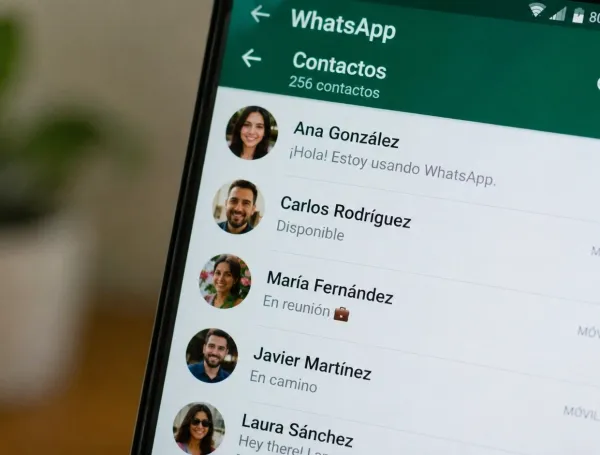
In an aggressive push to curb the relentless tide of unsolicited messages, automated spam, and digital harassment, WhatsApp has officially begun rolling out a landmark feature that places a hard cap on the number of new conversations ordinary users can initiate each month.

The update, which commenced its gradual global rollout in September 2026, introduces a baseline restriction of 150 new chats per month for standard personal accounts. While the messaging giant—owned by parent company Meta—has long implemented behind-the-scenes algorithms to flag and ban bulk-messaging bots, this new mechanism directly empowers everyday users by fundamentally altering how initial contacts are established on the platform.
The move marks a profound shift in consumer-facing communications, prioritizing digital privacy, user consent, and a reduction in inbox fatigue over frictionless connectivity. As the feature makes its way to millions of devices worldwide, industry experts and digital rights advocates are closely monitoring its immediate impacts on personal networking, small business operations, and automated outreach strategies.

1. Main Facts: Understanding the 150-Chat Cap
At the core of WhatsApp’s latest update is a mechanism designed to protect users from unwanted communication overload. Under the new protocol, standard consumer accounts are restricted to initiating a maximum of 150 new chats per month.
What Defines a "New Chat"?
Crucially, the platform does not limit a user’s total number of active conversations or messages. The restriction strictly applies to outbound attempts to start conversations with numbers that have no prior history of interaction, or with recipients who have not yet responded to previous outreach.

- Exempted Conversations: Existing threads, group chats with established participants, and inbound messages sent to you by others do not count toward the monthly limit. You remain free to reply to anyone who contacts you first.
- The Impacted Actions: Cold messaging, reaching out to newly acquired phone numbers without mutual consent, and mass-outreach attempts will rapidly exhaust a user’s monthly allotment.
How to Track Your Usage
WhatsApp has integrated a dedicated notification and tracking system so users are not caught off guard by the restriction:
- Early Warnings: The application will issue a notification when an account is approaching its monthly threshold, providing a clear window to adjust messaging habits before the cap is enforced.
- The In-App Counter: Users can manually check their remaining allowance at any time. By navigating to Settings > Chats, users can locate the new “New Chats Initiated” metric, which displays the exact number of fresh conversations still permitted during the current billing period.
What Happens When You Reach the Limit?
Unlike security bans that lock users out of the platform entirely, hitting the 150-chat ceiling is non-punitive regarding existing functionality. If a user exhausts their monthly quota:

- No Account Suspension: The account remains fully active. Users can seamlessly continue chatting in all open conversations, join ongoing group chats, and place or receive voice and video calls.
- Temporary Outbound Restrictions: The only blocked action is the ability to initiate brand-new conversations with uncontacted numbers until the counter resets.
- Automatic Reset: The monthly counter automatically refreshes on the first day of each calendar month, instantly restoring the user’s full allotment of new chats.
2. Chronology: The Evolution of WhatsApp’s Anti-Spam Measures
WhatsApp’s journey toward stricter communication limits has evolved over several years, driven by the platform’s exponential growth and the parallel rise of sophisticated commercial spam techniques.
- 2019–2020: The Forwarding Limits Era. Recognizing the dangers of viral misinformation and automated broadcast spam, WhatsApp first introduced restrictions on how many times a message could be forwarded simultaneously, reducing viral chains from unlimited to just a single secondary chat at a time.
- 2021–2023: Crackdowns on Unofficial Clients. Meta intensified legal and technical actions against modified versions of the app (such as WhatsApp Plus and GB WhatsApp), which were frequently exploited by marketers to bypass platform constraints and harvest user data.
- Late 2024–2025: Algorithmic Detection Improvements. WhatsApp heavily invested in machine-learning models designed to analyze behavioral patterns associated with mass messaging, identifying accounts that rapidly copy-pasted messages to hundreds of strangers.
- August 2025: Early System Testing. Rumors and code snippets emerged pointing toward a user-facing metric for incoming and outgoing chat initiations, signaling that Meta was preparing a structural user-side limit rather than purely backend filtering.
- September 2026: Official Rollout of the 150-Chat Limit. WhatsApp officially launches the gradual global deployment of the monthly chat cap, offering real-time tracking dashboards within the app settings and introducing specific provisions for professional and automated accounts.
3. Supporting Data and Platform Ecosystem Context
The necessity for a chat-initiation cap is underscored by staggering global data regarding digital communication trends and cybersecurity threats.

The Scale of Mobile Messaging Spam
According to recent digital security metrics, instant messaging platforms have largely superseded traditional SMS as the primary vector for commercial solicitations, phishing scams, and fraudulent investment schemes. Because WhatsApp requires only a phone number to reach an individual, bad actors have historically scraped numbers from public forums, social media, and data breaches to target millions of unsuspecting users simultaneously.
- Commercial Overload: Recent studies in telecommunications consumer satisfaction show that over 68% of mobile users report receiving at least one unwanted commercial or fraudulent message per week on messaging apps.
- The Shift from Email to Chat: Spammers favor platforms like WhatsApp because open rates and immediate attention spans for direct message notifications far outstrip traditional email marketing channels.
Business Exceptions and Ecosystem Tiers
While the 150-chat limit applies broadly to everyday consumers and casual users, Meta has carefully structured the rule to avoid crippling legitimate commercial enterprises. The platform recognizes that businesses require higher volumes of client outreach, leading to tiered governance:

- WhatsApp Business App (Standard): Small business owners operating directly through the standard mobile business application are also subject to initial anti-abuse parameters, though adjustments and threshold extensions are evaluated based on account reputation and customer response rates.
- WhatsApp Business API and Meta One: Medium-to-large enterprises utilizing the official WhatsApp Business API or corporate subscriptions under Meta One operate under entirely separate frameworks. These systems utilize template-approved messaging, quality ratings, and conversation-based pricing models designed explicitly for high-volume customer service, notifications, and opt-in marketing.
4. Official Responses and Industry Reactions
The implementation of the chat limit has triggered widespread commentary across the technology sector, drawing praise from privacy advocates and generating compliance adjustments among digital marketers.
Meta’s Official Stance
In communications accompanying the rollout, Meta emphasized that the overarching goal of the initiative is to preserve the intimate, conversational nature of WhatsApp.

"WhatsApp was built to connect friends, family, and trusted acquaintances in a secure, private environment," a platform spokesperson noted during the deployment briefing. "As digital ecosystems evolve, we must introduce structural safeguards that prevent our users from being treated as targets for unsolicited, automated, or unwanted outreach. Highlighting user agency and setting healthy boundaries ensures the platform remains fast, reliable, and safe for everyone."
Privacy Advocates and Consumer Rights Groups
Digital rights organizations have largely lauded the measure, viewing it as a long-overdue acknowledgment that platform hygiene requires proactive user protection rather than reactive reporting tools. Consumer protection advocates point out that elderly users and digitally vulnerable demographics—who are disproportionately targeted by financial scams sent via random numbers—will benefit immensely from a system that automatically curbs cold outreach.
Pushback from Growth Hackers and Direct Marketers
Conversely, the update has faced criticism from digital marketers, independent sales representatives, and lead-generation agencies who relied on manual cold outreach via personal WhatsApp accounts. Industry forums have been flooded with discussions on how to adapt strategies to fit within the 150-chat constraint.
In response, WhatsApp has explicitly cautioned users against attempting to game the system. Practices such as rapidly deleting and recreating chat threads to reset metrics, harvesting numbers without explicit consent, and engaging in mass-automated scripts will trigger platform red flags. Accounts engaging in these behaviors risk deeper operational restrictions, temporary bans, or permanent termination under WhatsApp’s Terms of Service.

5. Implications for Users: Best Practices and Future Outlook
As the gradual rollout of the 150-chat limit covers more global regions throughout the remainder of 2026, everyday users must adapt their communication habits to avoid running out of allocated conversational headroom.
Recommended Best Practices for Users
To ensure uninterrupted communication throughout the month, WhatsApp recommends the following guidelines:

- Prioritize Opt-In Contact: Only initiate new chats with individuals who are expecting your message or with whom you have established a prior offline connection.
- Avoid Churning Conversations: Refrain from deleting active or dormant chat windows simply to clear your interface, as aggressive chat deletion cycles will not bypass the backend metrics tracking new contact initiations.
- Leverage Existing Networks: Utilize group chats, community spaces, and broadcast lists (where applicable and permitted by recipients) rather than initiating dozens of isolated one-on-one threads with new contacts.
- Monitor Your Settings: Routinely check the “New Chats Initiated” counter in your settings, especially if your personal or professional life requires frequent networking with new people.
The Broader Future of Digital Messaging
WhatsApp’s introduction of the monthly chat cap signals a maturing digital landscape. As artificial intelligence makes generating hyper-personalized phishing messages and scalable social engineering attacks easier than ever, static technological barriers like encryption alone are no longer sufficient.
By placing a structural tax on indiscriminate human-to-human outreach, Meta is betting that the future of successful communication lies in quality over quantity. For the billions of users who rely on the platform daily, the promise of a cleaner, quieter inbox where conversations are driven by mutual consent represents a welcome and necessary evolution in modern digital communication.