By Igor Galo
Vienna, Austria — Long before it became a modern capital grappling with contemporary tourism management, Vienna was the heartbeat of the vast Austro-Hungarian Empire. This legacy has endowed the city with a monumental artistic and cultural heritage, boasting more than 100 museums alongside dozens of world-class venues dedicated to opera, theater, and classical music.
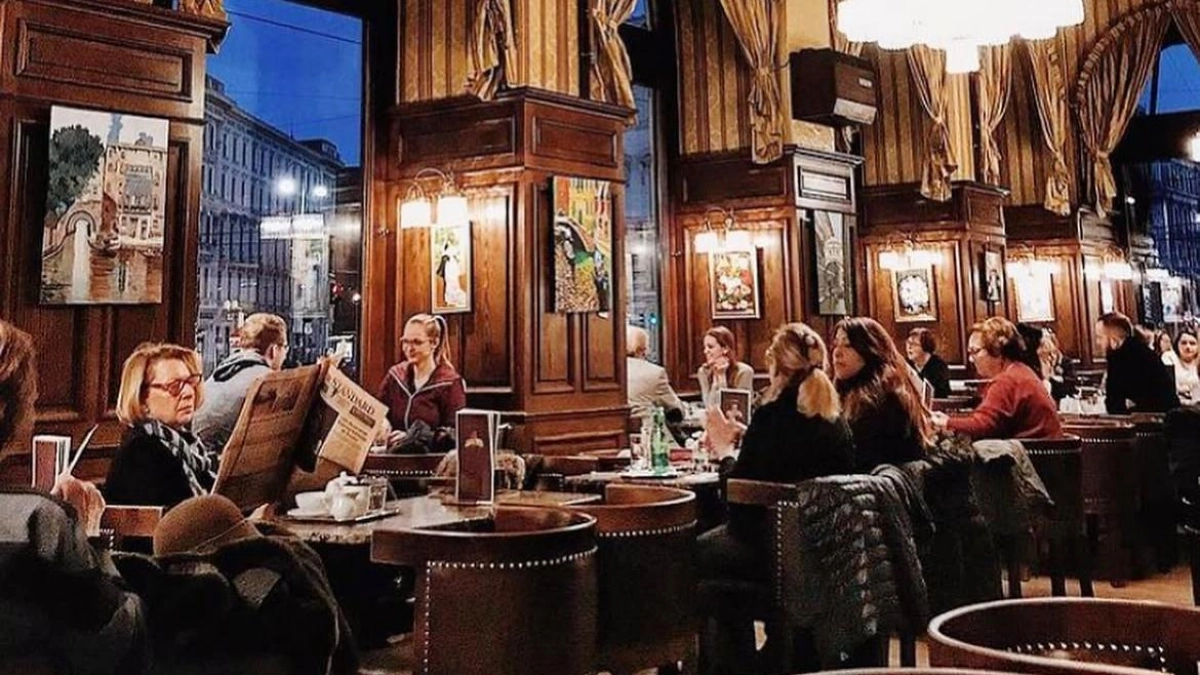
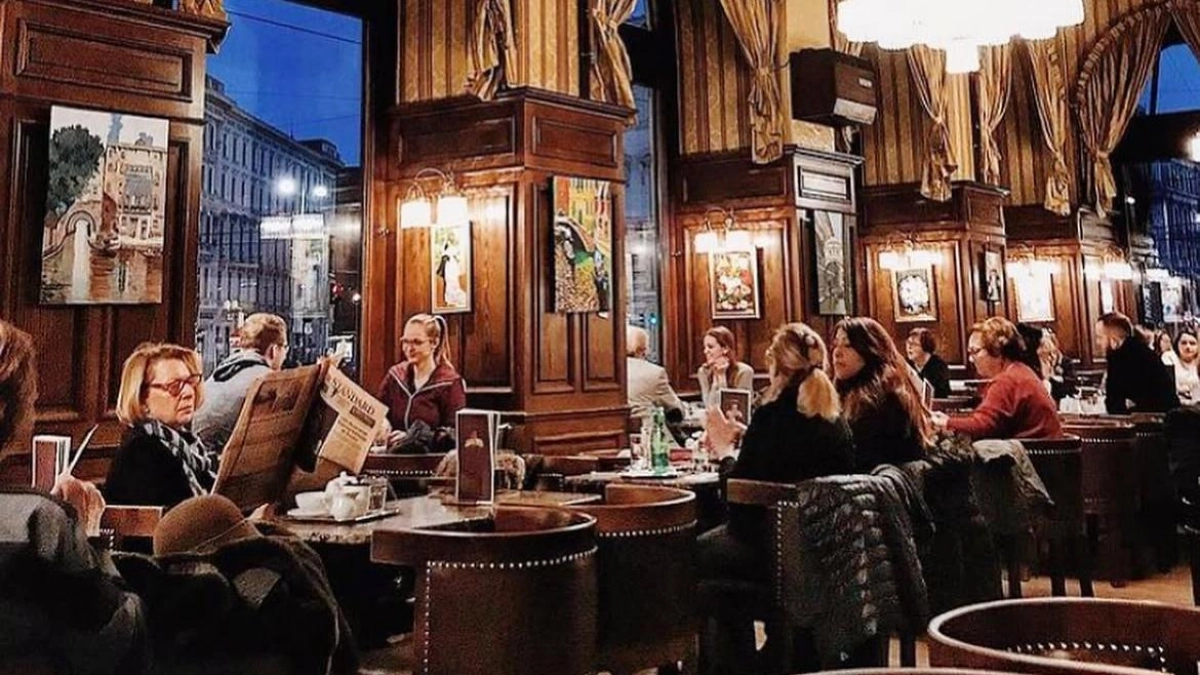
However, the true pulse of the city extends far beyond marble concert halls and royal galleries. It lives and breathes in its intangible heritage: the historic coffeehouses clustered in the Innere Stadt (Historic Center) and the traditional Heuriger (wine taverns) tucked away in the metropolitan outskirts. Recognized globally as social institutions unlike any other, these establishments offer a direct window into the authentic Viennese spirit.
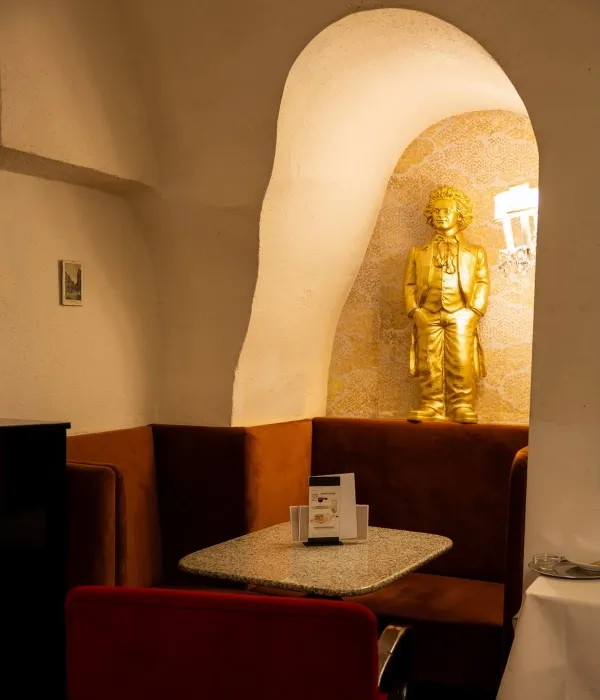
Main Facts: The Social Anchors of the Austrian Capital
Vienna’s coffeehouse culture—officially inscribed as intangible cultural heritage by UNESCO on November 10, 2011—is far more than a place to grab a morning caffeine fix. It is a living extension of the Viennese living room.
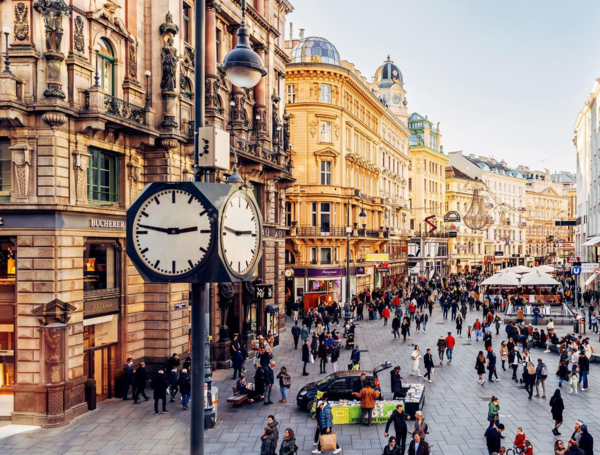
Historically, these spaces served as egalitarian sanctuaries where political radicals, aristocrats, penniless painters, and celebrated writers crossed paths. Patrons did not merely visit for a beverage; they came to see and be seen, engage in deep intellectual discourse, read newspapers suspended on wooden rods, or simply pass hours in quiet contemplation.
Alongside the coffeehouses, the city preserves its Heuriger tradition at its edges. These authentic, rustic taverns serve fresh, locally produced young wine alongside traditional regional fare, offering an essential counterbalance to the urban sophistication of the inner city. Together, these two traditions form the bedrock of Vienna’s social identity, encouraging both locals and visitors to slow down and immerse themselves in the rhythm of the city.

Chronology: From Abandoned Ottoman Sacks to UNESCO Recognition
The story of Vienna’s legendary coffee culture is steeped in legend, evolution, and institutional resilience:
- 1683 – The Accidental Introduction: According to popular lore, the first coffee beans arrived in Vienna following the defeat of the Ottoman Empire’s second siege. In their hurried retreat, Turkish soldiers left behind sacks of mysterious dark beans. An imperial court emisary, recognizing their value, claimed the bounty.
- 1685 – The First Café: Capitalizing on the newly discovered beans, Vienna’s very first official coffeehouse opened its doors, planting the seeds for a culinary revolution.
- Mid-19th Century – The Ringstrasse Shift: As the medieval city walls were torn down to construct the grand, sweeping Ringstrasse boulevard, modern and luxurious establishments began to challenge the dominance of older, traditional local spots.
- 1873 to 1890s – The Golden Age of Coffeehouses: Iconic institutions like Café Landtmann (1873), Café Sacher (1876), Café Sperl (1880), and Café Savoy (1896) established the architectural and aesthetic standards—ranging from Baroque opulence to Jugendstil (Art Nouveau)—that define them today.
- November 10, 2011 – UNESCO Distinction: UNESCO officially declared Vienna’s café culture an intangible cultural heritage of humanity, cementing its status as a global phenomenon.
- Present Day – Sustainable Tourism Initiatives: The city actively promotes initiatives like "Enjoy Vienna, Not #Vienna," directing travelers away from overcrowded palaces and toward authentic neighborhood institutions, preserving the unhurried spirit of the historic cafes.
Supporting Data: A Grand Tour of Vienna’s Legendary Cafés
To truly understand Vienna, one must walk its streets with a coffee guide in hand. The city’s historic cafes are inextricably linked to its artistic and musical milestones:
The Literary and Artistic Hubs
- Café Frauenhuber: Located in the central district near the Haus der Musik (House of Music), this establishment has welcomed high society for over two centuries. Alongside its historical weight, it is globally celebrated for its Apfelstrudel (apple strudel).
- Café Central: Frequented historically by heavyweights of thought and revolution, including psychoanalyst Sigmund Freud and Russian revolutionary Leon Trotsky, this legendary spot was meticulously restored after World War II. It retains its iconic newspapers on wooden rods and sits just a short walk from the Beethoven Pasqualatihaus.
- Café Hawelka & Café Prückel: Hawelka remains a bastion of bohemian spirit near St. Stephen’s Cathedral, while Prückel—situated across from the MAK (Museum of Applied Arts)—offers a stunning, untouched snapshot of mid-century Austrian interior design.
Palaces of Luxury and Confectionery
- Café Schwarzenberg: Positioned strategically near the Musikverein (home of the famous New Year’s Concert) and the Belvedere Museum (housing Gustav Klimt’s masterpiece The Kiss), this cafe frequently hosts live piano and jazz performances.
- Café Landtmann: Opened in 1873, it is proudly dubbed "the most elegant café in Vienna." Its interior is protected as a historic artistic monument, echoing a legacy of elite political and artistic patronage.
- Café Sacher & Demel: Sacher, founded in 1876, pairs its luxury hotel experience with the fiercely guarded, world-famous secret recipe of the Sachertorte. Meanwhile, Demel—former purveyor to the Austro-Hungarian imperial court and a favorite of Empress Sisi—stands just steps from the Sisi Museum, continuing a tradition of peerless confectionery.
- Café Hofburg & Café Savoy: Hofburg, situated right at the entrance of the Imperial Palace, tempts visitors with specialty drinks like the Sisi Coffee or Maria Theresa coffee. Across town, Café Savoy stuns patrons with its massive baroque mirrors and soaring frescoed ceilings housed within a building designed by Franz von Neumann in 1896.
Official Responses and Municipal Strategy
In recent years, city officials and tourism boards have had to carefully balance global interest with the preservation of local quality of life. Faced with surging international tourism, municipal authorities launched strategic campaigns—such as urging visitors to step away from saturated selfie spots at traditional landmarks and instead "Enjoy Vienna" through its slower, hyper-local neighborhoods.

Cultural authorities emphasize that the protection of these cafes goes beyond architectural preservation; it is about safeguarding a unique state of mind. As municipal culture spokespersons frequently note, a Viennese café is designed for lingering. In an era dominated by fast-paced consumerism and "to-go" culture, Vienna’s cafes fiercely protect the customer’s right to occupy a table for hours with a single Melange (a local variant of the cappuccino) and a book.

Implications: Preserving Intangible Heritage in the 21st Century
The enduring success of Vienna’s historic cafes and wine taverns holds profound implications for global urban tourism and cultural preservation.

As cities worldwide face the homogenization of their commercial districts—often overrun by global fast-food chains and uniform coffeehouse franchises—Vienna proves that protecting physical and intangible local traditions can serve as a powerful economic and cultural anchor. The integration of these spaces into daily life ensures that history is not merely viewed behind glass in a museum, but actively consumed, discussed, and lived.

For the modern traveler, stepping into a Viennese café is an exercise in cultural deceleration. Whether sipping a Wiener Melange at the historic Café Museum, enjoying a slice of Spertorte at Café Sperl, or partaking in a glass of homemade wine at an outer-district Heuriger, the experience offers a vital antidote to modern travel fatigue. Vienna’s cafes remain timeless: silent witnesses to empires rising and falling, forever anchored by the gentle clink of a silver spoon against porcelain.