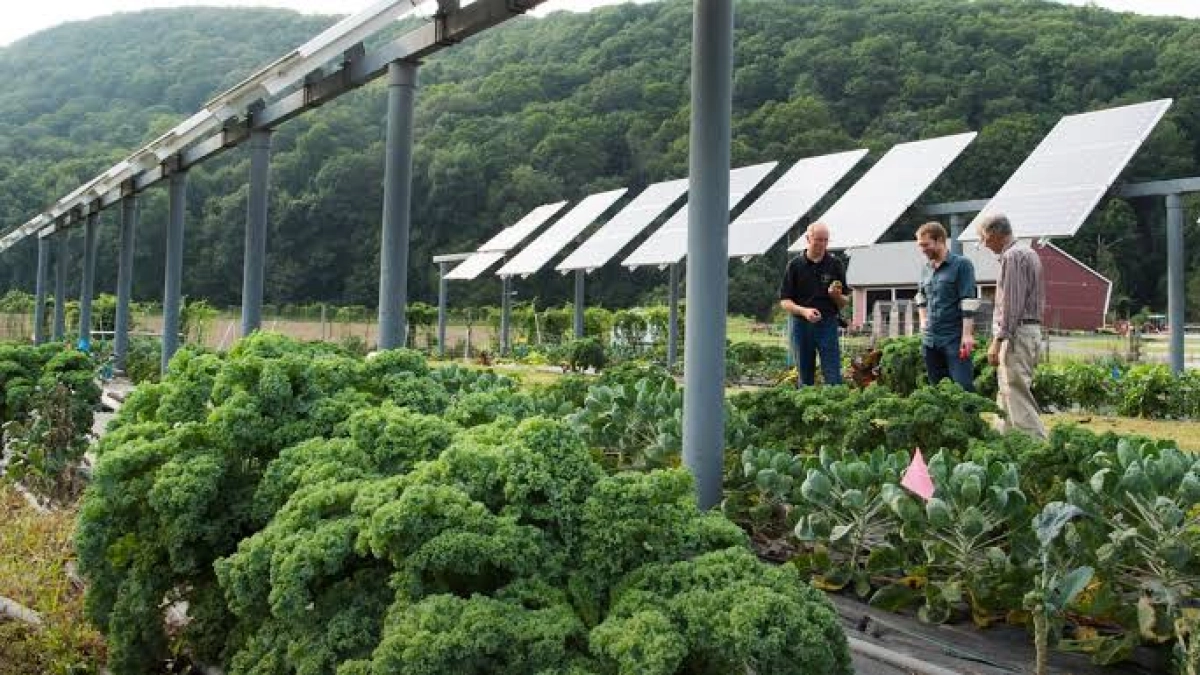
In the heart of the Pioneer Valley in North Hadley, Massachusetts, a quiet revolution is taking place beneath the shimmering surface of solar panels. Here, on the multi-generational farm of Joe Czajkowski, the traditional boundaries between food production and energy generation are dissolving. In a striking display of modern agricultural ingenuity, sweet corn thrives under a sprawling structure of photovoltaic panels, while the electricity generated by the very same installation powers the equipment used to boil the harvested produce.
This is the frontier of "agrivoltaics"—the practice of co-locating solar energy production and agriculture on the same plot of land. As the world grapples with the dual pressures of a changing climate and a growing need for renewable energy, the success of the Czajkowski farm offers a compelling blueprint for how the rural landscape might adapt to the demands of the 21st century.
The Core Innovation: Engineering for Agriculture
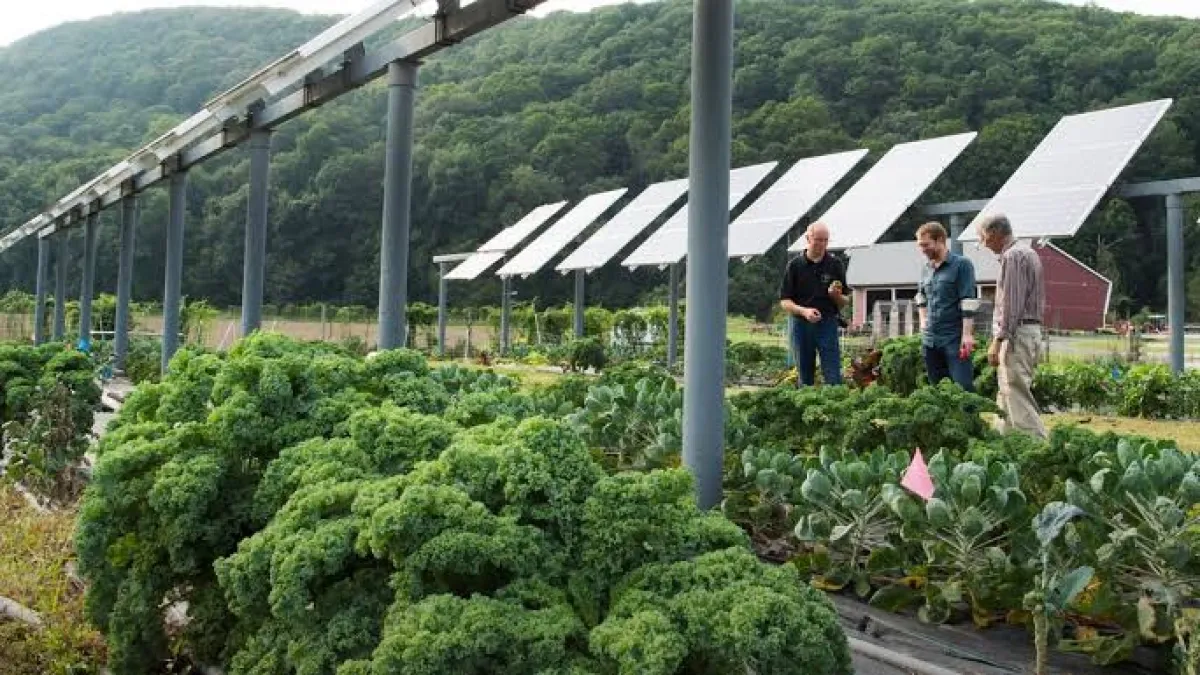
The installation at the Czajkowski farm is a masterpiece of precision engineering designed by Hyperion Systems, a Massachusetts-based firm specializing in integrated energy solutions. The facility, which sits on 2.2 acres (approximately 0.89 hectares), serves as a living laboratory for the efficiency of dual-use land management.
The numbers behind the project are significant: 832 solar panels, each with a capacity of 535 watts, generate 445 kilowatts of direct current (DC) energy. This output is sufficient to power approximately 30 average American homes, turning a patch of farmland into a localized power plant without displacing the primary agricultural function.

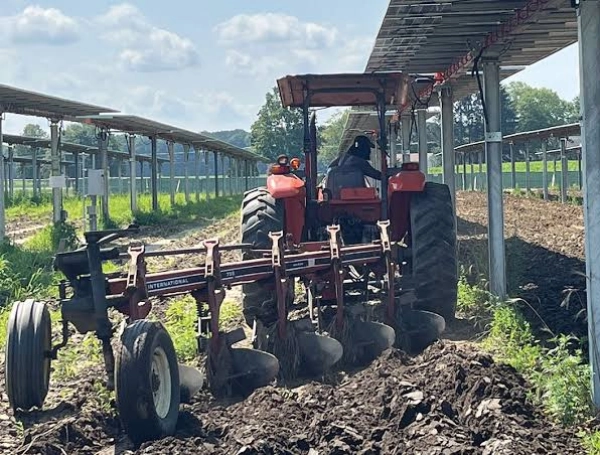
Crucially, the design accounts for the physical realities of farming. The panels are elevated to a height of 10 feet (about three meters) and spaced 26 feet apart between rows. This deliberate configuration allows standard agricultural machinery—including large tractors—to maneuver freely beneath the structure. Furthermore, the system utilizes 28 high-precision tracking motors that adjust the orientation of the panels throughout the day to optimize energy capture, ensuring that the solar harvest is as efficient as the agricultural one.
A Chronology of Success
The path to this breakthrough began long before the first panel was installed. For a third-generation farmer like Joe Czajkowski, whose operations span over 400 acres and supply major institutions like the University of Massachusetts Amherst, as well as retail giants like Whole Foods and Trader Joe’s, the decision to pivot toward agrivoltaics was rooted in pragmatism and long-term sustainability.

- Pre-2023: Planning and development phase in partnership with Hyperion Systems, focusing on structural requirements for heavy machinery clearance.
- July 2023: Construction of the agrivoltaic array is finalized, verified by the U.S. Department of Energy.
- 2023 Season: The first successful trial period begins, with broccoli as the primary crop grown under the protection of the panels.
- 2024 Season: The operation expands to include spinach and additional broccoli crops, providing researchers with data on shade-tolerant plant performance.
- 2025 Season: The introduction of sweet corn marks a milestone, demonstrating that taller, light-dependent crops can flourish in the microclimate created by the structure.
- August 2026: Researchers from UMass Amherst release findings confirming that the yield and quality of crops produced under the panels are statistically comparable to those grown in adjacent open-field control sites.
Supporting Data and Agronomic Findings
One of the most persistent concerns among agricultural stakeholders regarding agrivoltaics is the fear that solar arrays will degrade crop quality or reduce overall yields. However, the data emerging from the North Hadley site challenges these assumptions.
According to Czajkowski, the sweet corn yield under the panels reached approximately 80% of what is typically harvested in open-field conditions. While this represents a slight reduction in total volume, the quality of the produce—the physical structure, taste, and marketability of the mazorcas—remains identical to conventional crops.
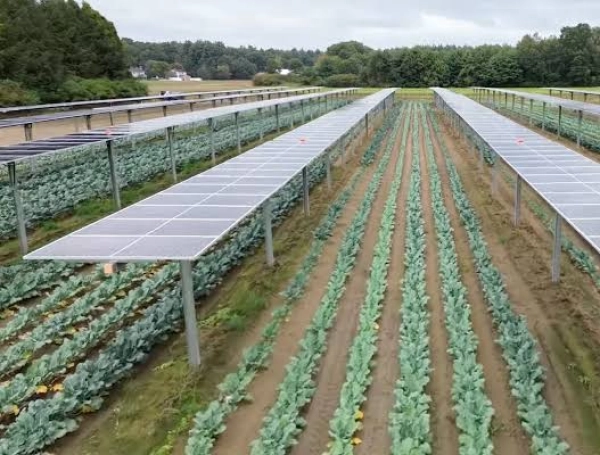
This outcome is attributed to the "microclimate effect." The solar panels provide a degree of shade that can mitigate heat stress during the hottest parts of the day and potentially reduce water evaporation from the soil. Dr. Dwayne Breger, director of the Clean Energy Extension at UMass Amherst, notes that these factors create a unique environmental balance. While the panels inevitably alter the sunlight exposure, they also provide a buffer against extreme weather, a benefit that is becoming increasingly valuable as climate volatility becomes the norm.
Economic Implications for the Rural Economy
Beyond the agronomic data, the economic viability of the model is what truly excites policy experts and farm advocates. Jake Marley, owner of Hyperion Systems, highlights a multi-faceted revenue stream that stabilizes the farm’s finances:

- Land Lease Income: The farm receives consistent rental income from the energy project.
- Tax Contributions: The project contributes approximately $15,000 annually in personal property taxes to the municipality, bolstering local government coffers.
- Operational Savings: The farm enjoys a 15% reduction in its electricity bills, providing a significant hedge against volatile energy prices.
- Integrated Efficiency: The energy produced is directly utilized. Czajkowski has integrated an electric truck into his logistics fleet, powered by the very energy his fields produce, effectively closing the loop on his supply chain.
For a family farm, these margins can mean the difference between expansion and stagnation. By diversifying revenue, farmers can shield themselves from the inherent risks of the agricultural market—such as poor weather or commodity price fluctuations—with the steady, predictable income of renewable energy.
Official Responses and Scientific Inquiry
The importance of this site has not gone unnoticed by the scientific community. A $1.8 million grant from the U.S. Department of Energy is currently funding a three-year comprehensive study of the farm. The research, led by the UMass Amherst team, aims to quantify the long-term interactions between the shade cast by the panels and the biological development of various crops.
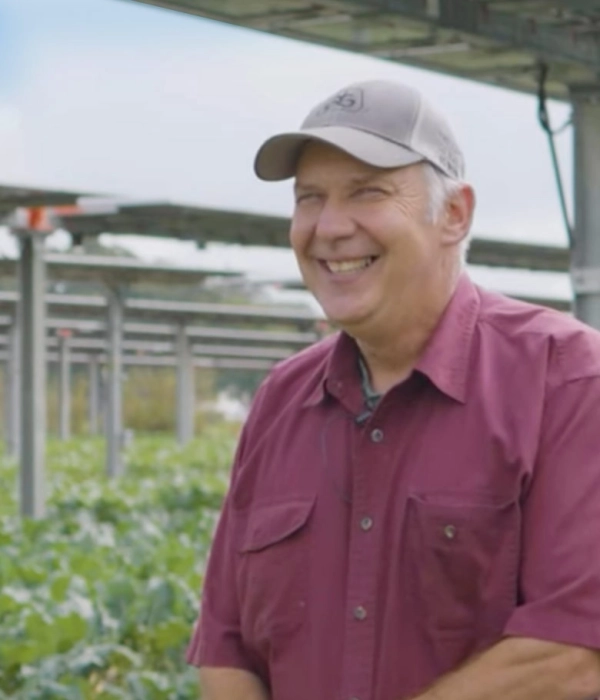
Doug Finn, representing the Division of Clean Energy Permitting in Massachusetts, has become a vocal proponent of the model. "The implementation of solar infrastructure on farmland is not a zero-sum game," Finn stated. "It is entirely possible to maintain our food security while simultaneously accelerating our transition to a clean energy grid. This is not about choosing between a plate of food and a kilowatt of electricity; it is about finding the synergy between both."
Challenges and Future Outlook
Despite the optimism surrounding the North Hadley project, the widespread adoption of agrivoltaics faces hurdles. Regulatory frameworks in many regions are still catching up to the technology, with land-use zoning often being too rigid to allow for "dual-use" designations. Additionally, the initial capital expenditure for elevated, tracking-capable solar structures is significantly higher than that of standard, ground-mounted utility solar farms.

However, the success of the Czajkowski farm is providing the necessary evidence to push for policy reform. As the research continues, the goal is to develop a "best practices" manual for farmers across the country. Whether it is cultivating asparagus—which Czajkowski plans to introduce, as he believes it will thrive under the filtered light—or other leafy greens, the potential for customization is vast.
The vision of the future is one where the American farm is no longer just a site of food production, but a multifaceted engine of sustainability. By integrating energy generation, local job creation, and land conservation, farmers like Joe Czajkowski are proving that the most advanced technology can exist in harmony with the oldest human endeavor: agriculture.
As we look toward 2030 and beyond, the North Hadley model stands as a testament to human ingenuity. It suggests that if we design our systems with both the soil and the sun in mind, we can feed the world while powering it—one row of corn at a time.